
- Physical Examination
- Surgical Examination
- Ophthalmology
- Clinical Skills
- Orthopedics
- Surgery Videos
- Laparoscopy
- Pediatrics
- Funny Videos
- Cardiothoracic Surgery
- Nursing Videos
- Plastic Surgery
- Otorhinolaryngology
- Histology and Histopathology
- Neurosurgery
- Dermatology
- Pediatric Surgery
- Urology
- Dentistry
- Oncology and Cancers
- Anatomy Videos
- Health and Fitness
- Radiology
- Anaesthesia
- Physical Therapy
- Pharmacology
- Interventional Radiology
- Cardiology
- Endocrinology
- Gynecology
- Emergency Medicine
- Psychiatry and Psychology
- Childbirth Videos
- General Medical Videos
- Nephrology
- Physiology
- Diet and Food Health
- Diabetes Mellitus
- Neurology
- Women Health
- Osteoporosis
- Gastroenterology
- Pulmonology
- Hematology
- Rheumatology
- Toxicology
- Nuclear Medicine
- Infectious Diseases
- Vascular Disease
- Reproductive Health
- Burns and Wound Healing
- Other
Top videos
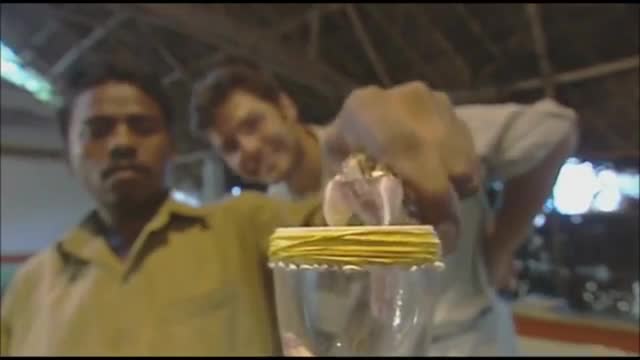

Though most snakes aren't venomous, the ones with a deadly bite are so scary that many researchers think humans evolved to naturally fear the sinuous creatures. With good reason. In the video, two men milk the venom of a Russell's viper and then show what happens when one drop of that venom mixes with a glassful of human blood. It's terrifying.

Is There A Way To Know If I Have An Aortic Aneurysm Before It Ruptures?
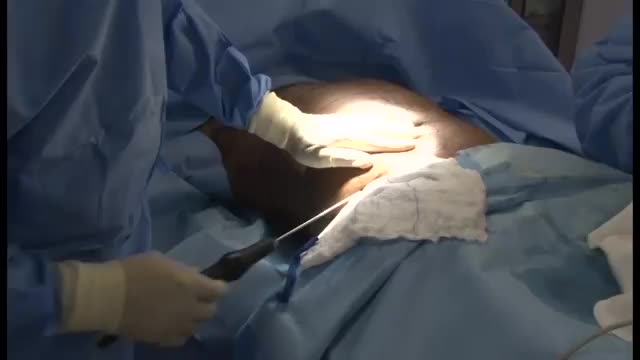
Vaser high definition liposuction is used for reducing fat in obese patients but it can be also used for lipo contouring in parts such as legs, thighs, arms and legs. The much sought-after 6 pack abs is also possible through this wonderful technique. Whether it is a small problem area or a full body transformation that you are seeking, vaser high definition liposuction works in your favor and gives you amazing results that you will be proud to flaunt.
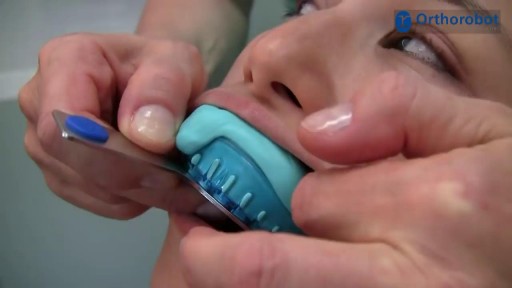
A short introduction on how to take a correction impression. The shown materials are recommended by Orthorobot and have proven to be fully compatible with the Orthorobot lab procedure.
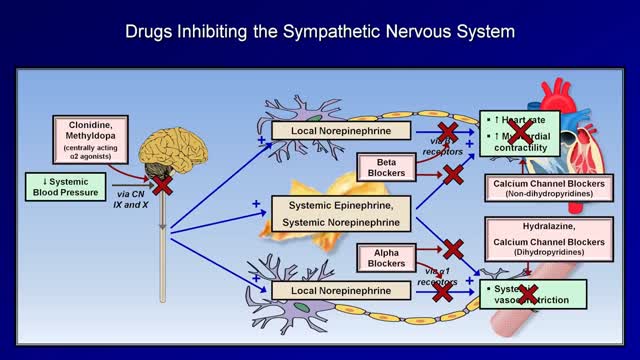
Medications to treat high blood pressure Thiazide diuretics. ... Beta blockers. ... Angiotensin-converting enzyme (ACE) inhibitors. ... Angiotensin II receptor blockers (ARBs). ... Calcium channel blockers. ... Renin inhibitors
Central Venous Line Placement in the subclavian vein
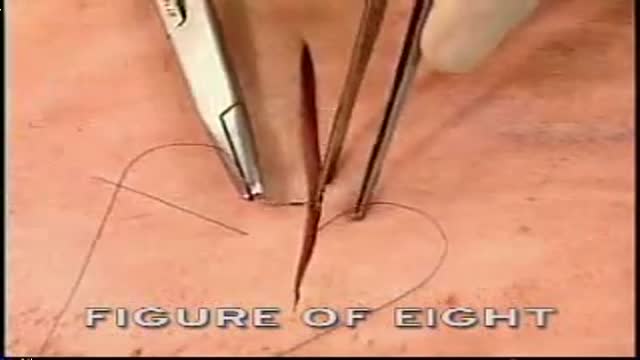
Figure of Eight 8 Suture

Urethroplasty is a surgical procedure to correct scar tissue blockage of the urethra called urethral stricture. ~ Detroit Medical Center

Robotics is the engineering science and technology of robots, and their design, manufacture, application, and structural disposition.
Amazing Surgery: Bilateral Nephrectomy for polycystic kidneys and cholecystectomy.
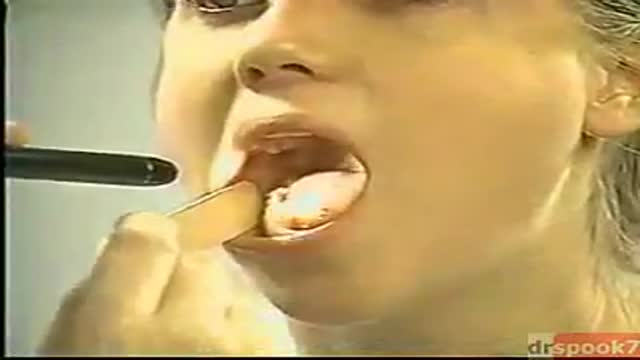
The exam should be performed in an orderly fashion as follows: 1. Have the patient stick out their tongue so that you can examine the posterior pharynx (i.e. the back of the throat). Ask the patient to say "Ah", which elevates the soft palate, giving you a better view. If you are still unable to see, place the tongue blade � way back on the tongue and press down while the patient again says "Ah," hopefully improving your view. This causes some people to gag, particularly when the blade is pushed onto the more proximal aspects of the tongue. It may occasionally be important to determine whether the gag reflex is functional (e.g. after a stroke that impairs CNs 9 or 10; or to determine if a patient with depressed level of consciousness is able to protect their airway from aspiration). This is done by touching a q-tip against the posterior pharynx, uvula or tongue. It is not necessary to do this during your routine exam as it can be quite noxious!
2. Note that the uvula hangs down from the roof of the mouth, directly in the mid-line. With an "Ah," the uvula rises up. Deviation to one side may be caused by CN 9 palsy (the uvula deviates away from the affected side), a tumor or an infection. CN9 Pasly Cranial Nerve 9 Dysfunction: Patient has suffered stroke, causing loss of function of left CN 9. As a result, uvula is pulled towards the normally functioning (ie right) side. 3. The normal pharynx has a dull red color. In the setting of infection, it can become quite red, frequently covered with a yellow or white exudate (e.g. with Strep. Throat or other types of pharyngitis).
4. The tonsils lie in an alcove created by arches on either side of the mouth. The apex of these arches are located lateral to and on a line with the uvula. Normal tonsils range from barely apparent to quite prominent. When infected, they become red, are frequently covered by whitish/yellow discharge. In the setting of a peritonsilar abscess, the tonsils appear asymmetric and the uvula may be pushed away from the affected side. When this occurs, the tonsil may actually compromise the size of the oral cavity, making breathing quite difficult.
5. Look carefully along the upper and lower gum lines and at the mucosa in general, which can appear quite dry if the patient is dehydrated.
6. Examine the teeth to get a sense of general dentition, particularly if the patient has a dental complaint. Pain produced by tapping on a tooth is commonly caused by a root abscess. Tooth Abscess: Tooth abscess involving left molar region. Associated inflammation of left face can clearly be seen. 7. Have the patient stick their tongue outside their mouth, which allows evaluation of CN 12. If there is nerve impairment, the tongue will deviate towards the affected side. Any obvious growths or abnormalities? Ask them to flip their tongue up so that you can look at the underside. If you see something abnormal, grasp the tongue with gauze so that you can get a better look. Left CN 12 Dysfunction: Stroke has resulted in L CN 12 Palsy. Tongue therefore deviates to the left.
8. Make note of any growths along the cheeks, hard palate (the roof of the mouth between the teeth), soft palate, or anywhere else. In particular, patients who smoke or chew tobacco are at risk for oral squamous cell cancer. Any areas which are painful or appear abnormal should also be palpated. Put on a pair of gloves to better explore these regions. What do they feel like? Are they hard? To what extent does a growth involve deeper structures? If the patient feels something that you cannot see, try to get someone else to hold the light source, freeing both your hands to explore the oral cavity with two tongue depressors.

MUSC Children’s Health offers South Carolina’s only Level 1 Children’s Surgery Center, representing excellence in inpatient surgery at MUSC Shawn Jenkins Children’s Hospital, as well as outpatient surgery at R. Keith Summey Medical Pavilion. These two state-of-the-art facilities are equipped with a team of pediatric board-certified providers utilizing pediatric-specific devices and the most technologically advanced tools.
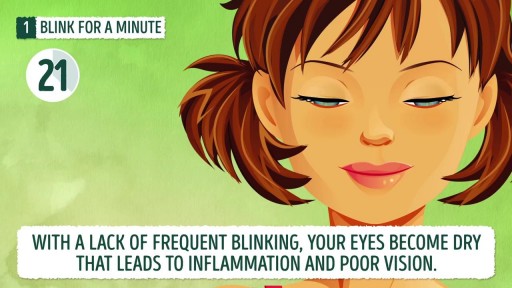
How to improve your eyesight at home? Exercising your eyes is one of those simple things that very few people do. However, it can help you maintain excellent vision. Here are 10 exercises that will take you no more than ten minutes to do. You can give them a try right now while watching this video – we are going to do all of them with you! Exercise #1. Blink for a minute. Exercise #2. Rotate your head while staring ahead. Exercise #3. Look to your right and left. Exercise #4. Close your eyes and relax. Exercise #5. Move your gaze in different directions. Exercise #6. Close and open your eyes. Exercise #7. Push against your temples with your fingers. Exercise #8. Draw geometric figures with your gaze. Exercise #9. Move your eyeballs up and down. Exercise #10. Strengthen your eyes’ near and far focusing.
USMLE Step 2 CS - NOSE BLEEDS This is just preview video. To get full access please visit our website : www.usmletutoring.com
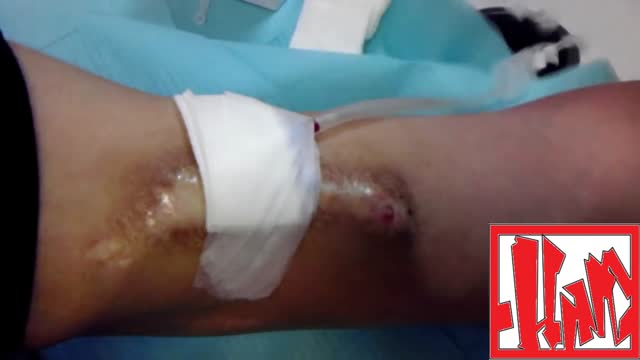
Hemodialysis is a process that uses a membrane (dialyzer) to: Remove wastes, such as urea, from the blood. Restore the proper balance of electrolytes in the blood. Eliminate extra fluid from the body.
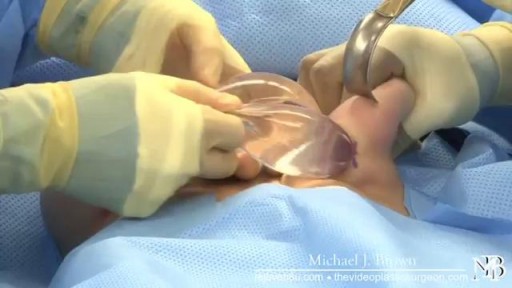
This cosmetic plastic surgery graphically shows breast implants being removed in an operating room in an actual surgery.
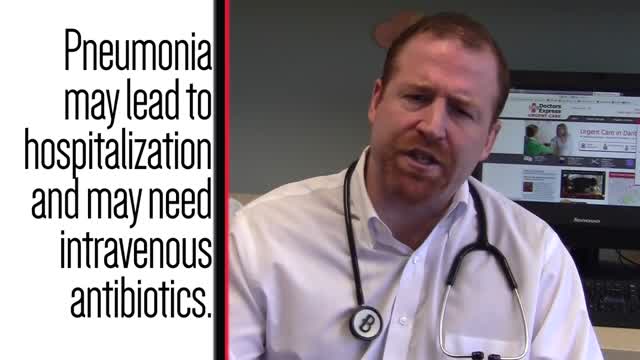
Acute bronchitis and pneumonia share many of the same symptoms, and some people with acute bronchitis are at risk for getting pneumonia. Although acute bronchitis usually goes away within a few weeks, pneumonia can be a serious condition, especially in older adults. The following table outlines some differences between acute bronchitis and pneumonia. There are variations in symptoms of both conditions, so if you think you might have pneumonia, always check with your doctor.
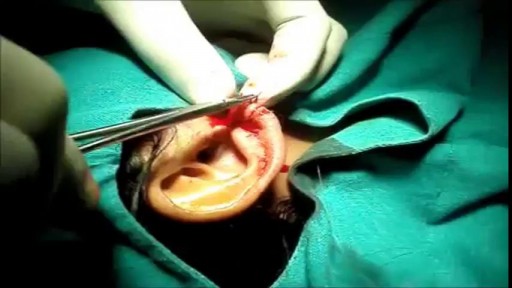
This 25 year young female wanted her split earlobe hole to be repaired.Ear lobe ring hole usually elongated due to continuous use of fancy heavy ear rings.most young ladies suffer from this problem, subsequently this get converted to complete split ear lobe.This needs surgical repair only.This is a cosmetic repair .watch the video , how this repair is done.Usually the split is completely closed with suture.After healing new hole to be done little distance from the repair site.
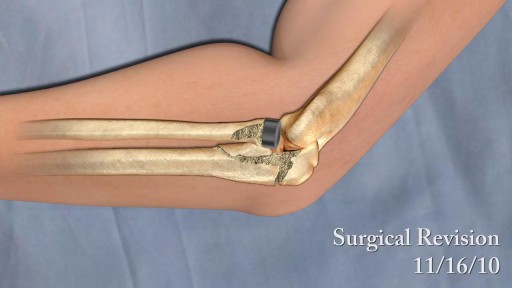
Tennis elbow is caused by doing the same forceful arm movements over and over. It creates small, painful tears in the tendons in your elbow. This injury can be caused by tennis, other racquet sports, and activities such as turning a wrench, prolonged typing, or chopping with a knife. The outside (lateral) elbow tendon is most commonly injured. The inside (medial) and backside (posterior) tendons can also be affected. This article discusses surgery to repair tennis elbow
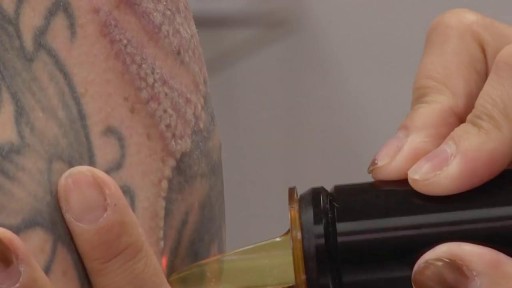
How a Tattoo is Removed
