
ویدیوهای برتر

Male Foley Catheterization Technique

How to improve your eyesight at home? Exercising your eyes is one of those simple things that very few people do. However, it can help you maintain excellent vision. Here are 10 exercises that will take you no more than ten minutes to do. You can give them a try right now while watching this video – we are going to do all of them with you! Exercise #1. Blink for a minute. Exercise #2. Rotate your head while staring ahead. Exercise #3. Look to your right and left. Exercise #4. Close your eyes and relax. Exercise #5. Move your gaze in different directions. Exercise #6. Close and open your eyes. Exercise #7. Push against your temples with your fingers. Exercise #8. Draw geometric figures with your gaze. Exercise #9. Move your eyeballs up and down. Exercise #10. Strengthen your eyes’ near and far focusing.

Kiki Challenge
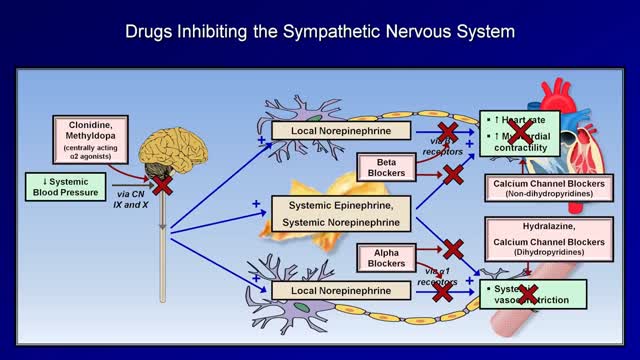
Medications to treat high blood pressure Thiazide diuretics. ... Beta blockers. ... Angiotensin-converting enzyme (ACE) inhibitors. ... Angiotensin II receptor blockers (ARBs). ... Calcium channel blockers. ... Renin inhibitors
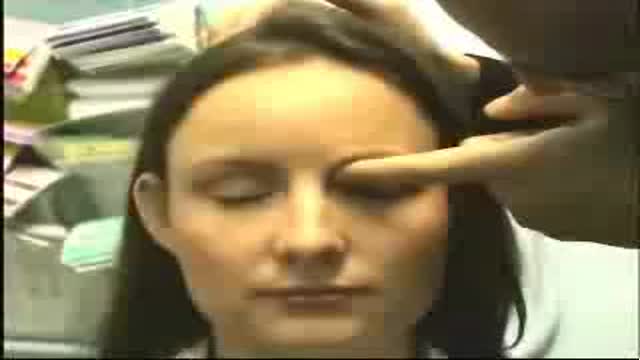
Eye tests are important for the detection of many common eye infections and diseases. Eyes are also an important indicator to detect chronic systemic diseases like Hypertension and Diabetes. Must after maxillofacial trauma to rule out any near and late complications emerging for the eyes. 2. There are two perspectives for examining the eyes : 1. Ophthalmic Perspective – because eyes are prone to many infections, diseases and conditions. 2. Maxillofacial Perspective – because the eyes and the orbit forms an integral component of facial and mid-facial fractures and trauma.
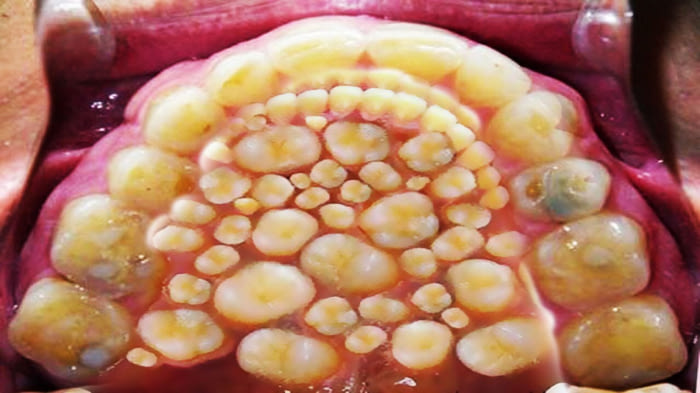
Watch that video of 232 Teeth Were Removed from Indian Boy's Mouth
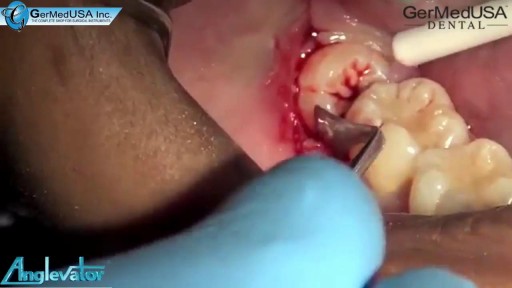
Anglevator #32 partial impaction
Stephen has got the medical treatment at Asian Hip Resurfacing Surgical Center in india.
Dr.Vijay Bose (Orthopedic Consultant),
Asian Hip Resurfacing Surgical Center.
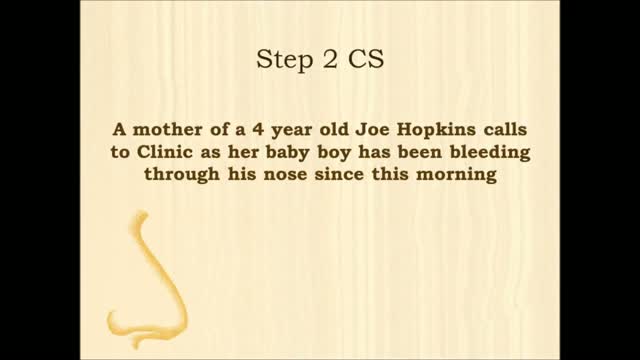
USMLE Step 2 CS - NOSE BLEEDS This is just preview video. To get full access please visit our website : www.usmletutoring.com
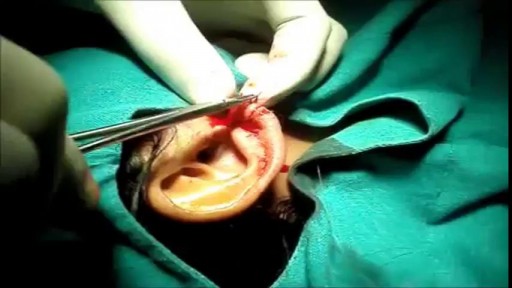
This 25 year young female wanted her split earlobe hole to be repaired.Ear lobe ring hole usually elongated due to continuous use of fancy heavy ear rings.most young ladies suffer from this problem, subsequently this get converted to complete split ear lobe.This needs surgical repair only.This is a cosmetic repair .watch the video , how this repair is done.Usually the split is completely closed with suture.After healing new hole to be done little distance from the repair site.
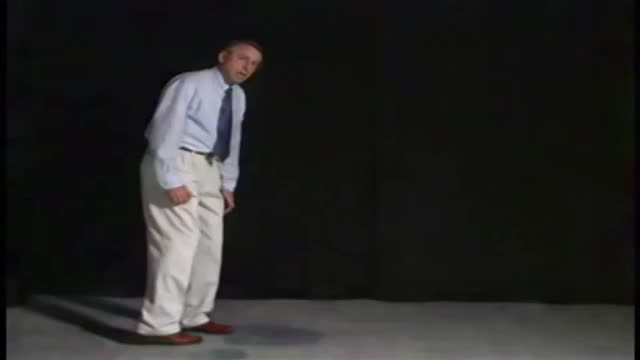
The patient has spasticity in the lower extremities greater than the upper extremities. The hips and knees are flexed and adducted with the ankles extended and internally rotated. When the patient walks both lower extremities are circumducted and the upper extremities are held in a mid or low guard position. This type of gait is usually seen with bilateral periventricular lesions. The legs are more affected than the arms because the corticospinal tract axons that are going to the legs are closest to the ventricles.
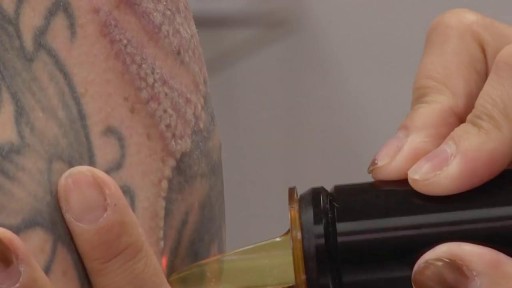
How a Tattoo is Removed
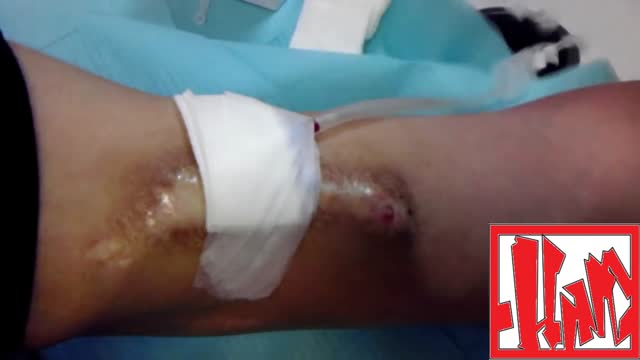
Hemodialysis is a process that uses a membrane (dialyzer) to: Remove wastes, such as urea, from the blood. Restore the proper balance of electrolytes in the blood. Eliminate extra fluid from the body.
Unruptured Aneurysms: When and How to Treat
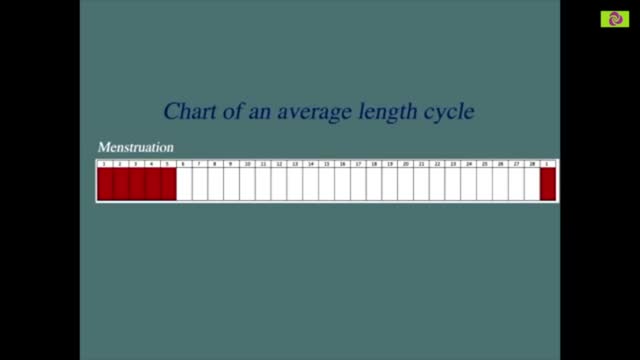
Our calculator can help you discover the most fertile days of your menstrual cycle or your “Estimated Fertility Window” based on information you provide.
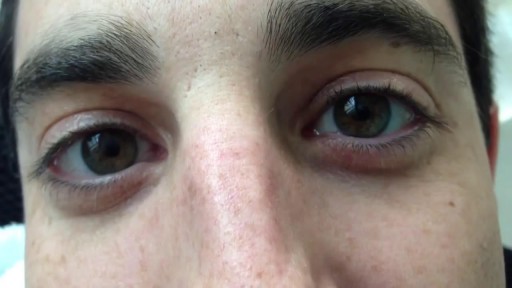
This test stimulates your acoustic nerve by delivering cold or warm water or air into your ear canal. When cold water or air enters your ear and the inner ear changes temperature, it should cause fast, side-to-side eye movements called nystagmus. The test is done in the following way: Before the test, your ear, especially the eardrum, will be checked. This is to make sure it is normal. One ear is tested at a time. A small amount of cold water or air is gently delivered into one of your ears. Your eyes should show an involuntary movement called nystagmus. Then they should turn away from that ear and slowly back. If water is used, it is allowed to drain out of the ear canal. Next, a small amount of warm water or air is gently delivered into the same ear. Again, your eyes should show nystagmus. Then they should turn toward that ear and slowly back. Your other ear is tested in the same way.
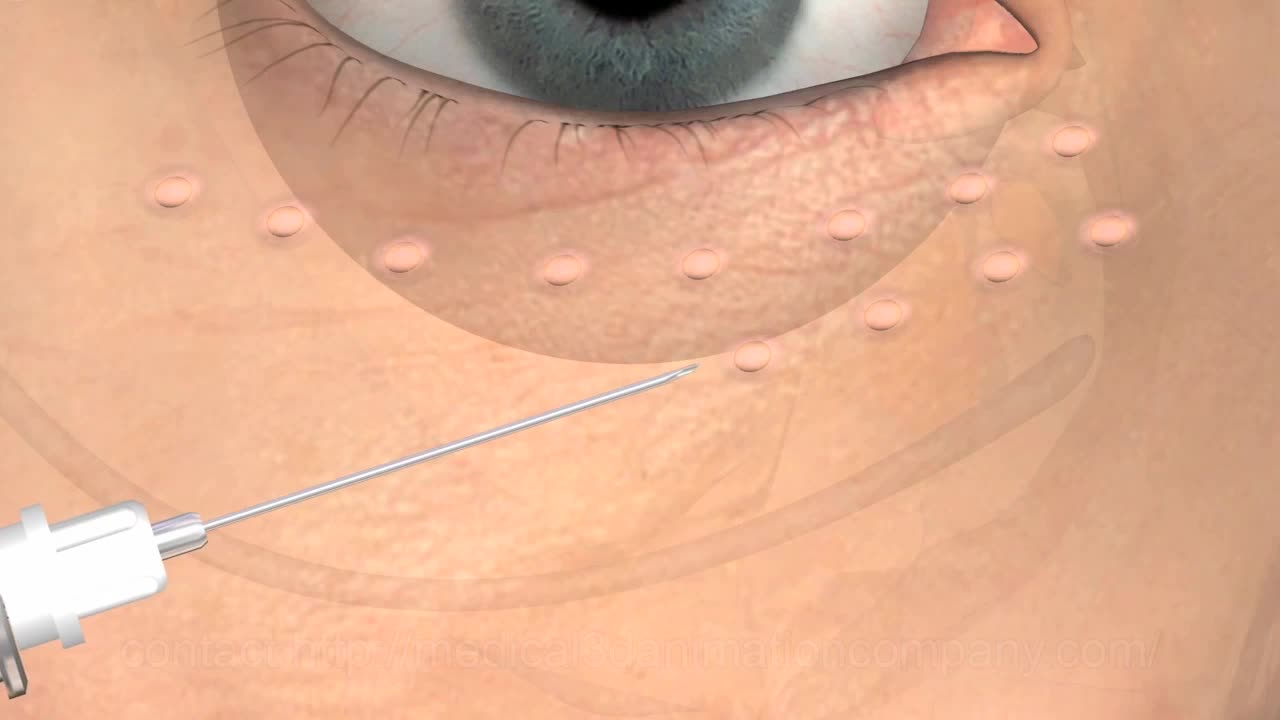
plastic surgery cosmetic injections facial 3d medical animation company studio 3d visualization heal
Placenta accreta is the most common accounting for approximately 75% of all cases. Placenta Increta occurs when the placenta attaches even deeper into the uterine wall and does penetrate into the uterine muscle.
Watch that video of Popping Pimples
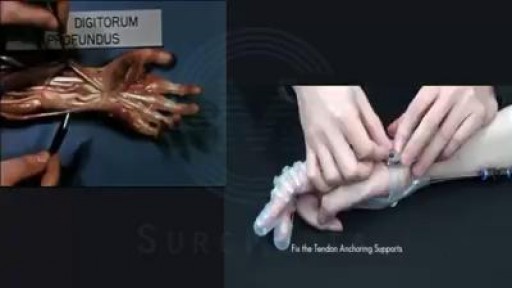
Exo-Glove Poly (Seoul National University). This wearable robot helps disabled patients regain control of their hands.
