
Top videoer

Eye Lid Tarsal Fracture Surgery
Keratectomy with Amniotic Membrane Graft Eye

Ocular Movement Examination
The first transplant of a bionic eye on a patient with a rare disease.

Lower Face Lift Awake Plastic Surgery
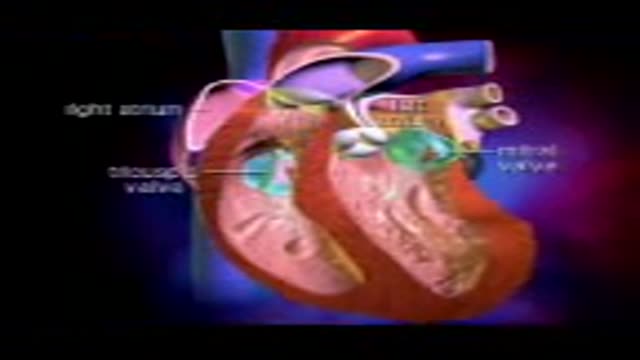
Heart Valves

Emboli Formation in Artery
Cleft Lip Surgery Millard Unilateral
RLE and Alcon Restor IOL Implantation
Eye Examination Video
Targeted approach helps patients better manage prostate cancer and inhibit adrogen production.
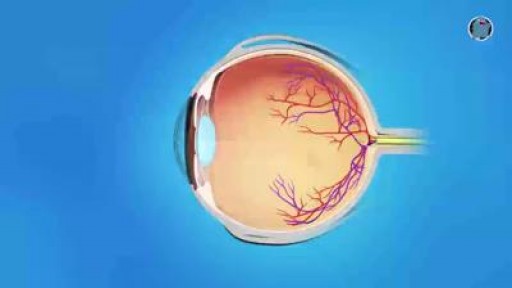
Most retinal tears need to be treated by sealing the retina to the back wall of the eye with laser surgery or cryotherapy (a freezing treatment). Both of these procedures create a scar that helps seal the retina to the back of the eye. This prevents fluid from traveling through the tear and under the retina, which usually prevents the retina from detaching. These treatments cause little or no discomfort and may be performed in your ophthalmologist’s office. With laser surgery, your ophthalmologist uses a laser to make small burns around the retinal tear. The scarring that results seals the retina to the underlying tissue, helping to prevent a retinal detachment.
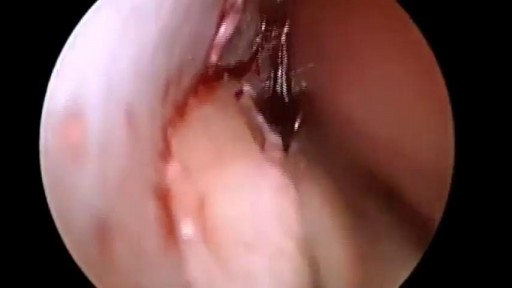
Repair Deviated Nasal Septum, Endoscopic Septoplasty, endoscopic surgery, Stapler repair of nasal septum, Dr B. Todd Schaeffer.
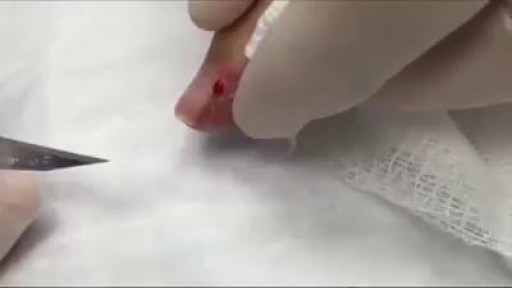
Paronychias are most often caused by common skin bacteria (most commonly staphylococci bacteria) entering the skin around the nail that has been damaged by trauma, such as nail biting, finger sucking, dishwashing, or chemical irritants. Fungal infection also can be a cause of paronychia formation and should be considered especially in people with recurrent infection. Paronychia should not be confused with herpetic whitlow, which can form tiny pustules on the finger and is caused by a virus but is not typically located at the nail edge. Herpetic whitlow is not treated with an incision and drainage and therefore needs to be distinguished from a paronychia.
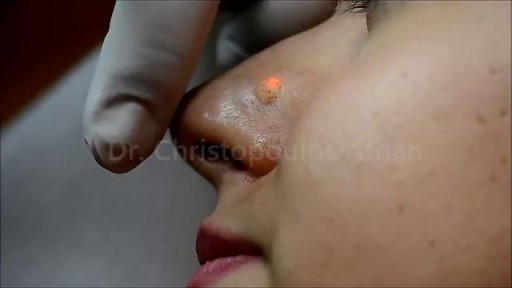
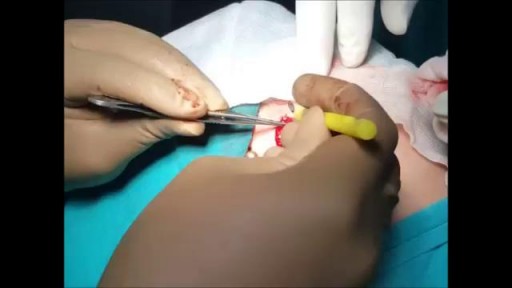
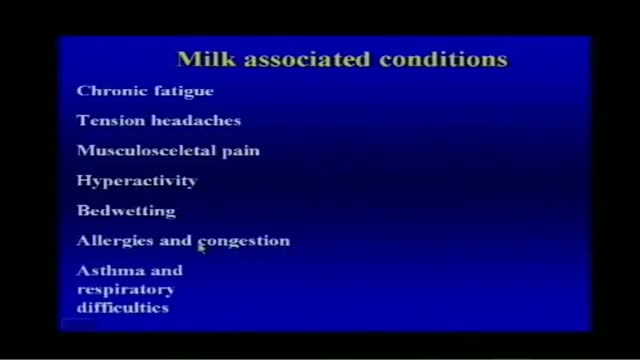
Milk Associated Diseases Information
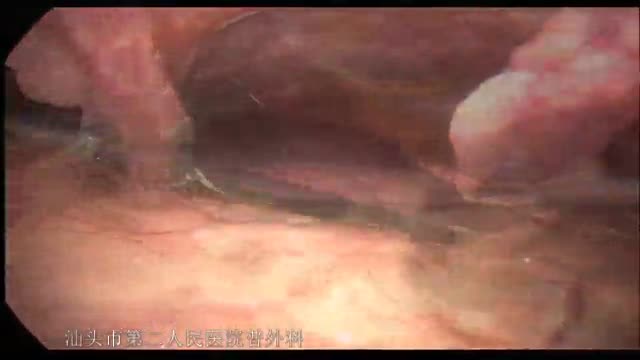
腹腔镜十二指肠穿孔修补术2
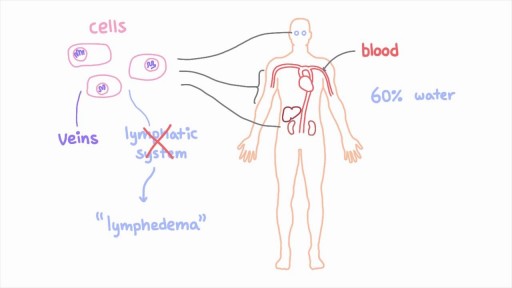
The lymphatic system is a network of specialized vessels (lymph vessels) throughout the body whose purpose is to collect excess lymph fluid with proteins, lipids, and waste products from the tissues. This fluid is then carried to the lymph nodes, which filter waste products and contain infection-fighting cells called lymphocytes. The excess fluid in the lymph vessels is eventually returned to the bloodstream. When the lymph vessels are blocked or unable to carry lymph fluid away from the tissues, localized swelling (lymphedema) is the result.
