
- Physical Examination
- Surgical Examination
- Ophthalmology
- Clinical Skills
- Orthopedics
- Surgery Videos
- Laparoscopy
- Pediatrics
- Funny Videos
- Cardiothoracic Surgery
- Nursing Videos
- Plastic Surgery
- Otorhinolaryngology
- Histology and Histopathology
- Neurosurgery
- Dermatology
- Pediatric Surgery
- Urology
- Dentistry
- Oncology and Cancers
- Anatomy Videos
- Health and Fitness
- Radiology
- Anaesthesia
- Physical Therapy
- Pharmacology
- Interventional Radiology
- Cardiology
- Endocrinology
- Gynecology
- Emergency Medicine
- Psychiatry and Psychology
- Childbirth Videos
- General Medical Videos
- Nephrology
- Physiology
- Diet and Food Health
- Diabetes Mellitus
- Neurology
- Women Health
- Osteoporosis
- Gastroenterology
- Pulmonology
- Hematology
- Rheumatology
- Toxicology
- Nuclear Medicine
- Infectious Diseases
- Vascular Disease
- Reproductive Health
- Burns and Wound Healing
- Other
Top videos

Eye Lid Tarsal Fracture Surgery
Keratectomy with Amniotic Membrane Graft Eye
Ocular Movement Examination

VR medical training takes you inside the human body.
How to Reverse GERD and Leaky Gut

Lower Face Lift Awake Plastic Surgery
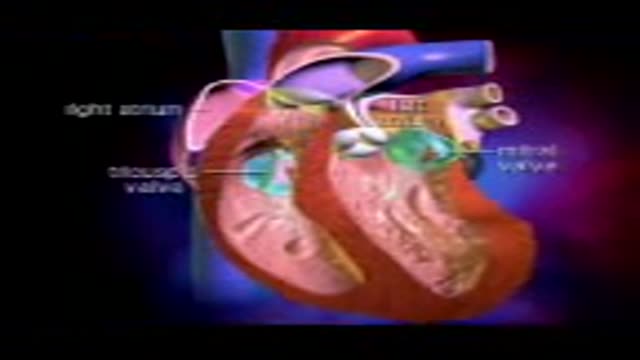
Heart Valves

Emboli Formation in Artery
Cleft Lip Surgery Millard Unilateral
RLE and Alcon Restor IOL Implantation
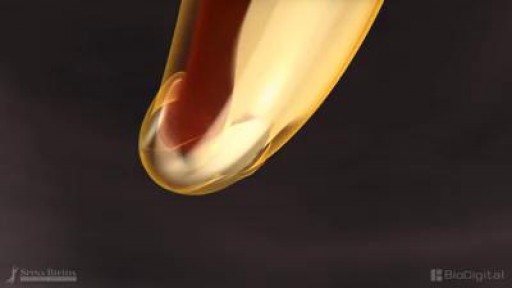
Spina bifida is a condition that affects the spine and is usually apparent at birth. It is a type of neural tube defect (NTD). Spina bifida can happen anywhere along the spine if the neural tube does not close all the way. When the neural tube doesn’t close all the way, the backbone that protects the spinal cord doesn’t form and close as it should. This often results in damage to the spinal cord and nerves. Spina bifida might cause physical and intellectual disabilities that range from mild to severe. The severity depends on: The size and location of the opening in the spine. Whether part of the spinal cord and nerves are affected.
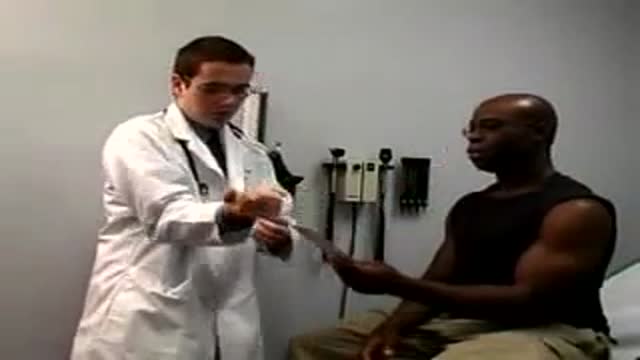
Eye Examination Video
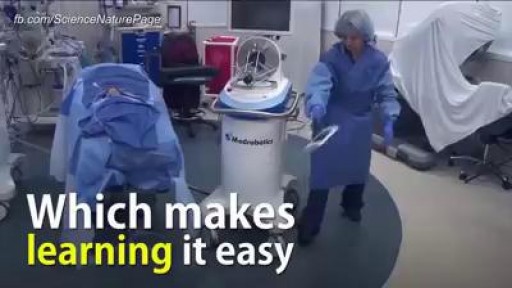
Robotic snakes help surgeons access complex anatomical locations.
Targeted approach helps patients better manage prostate cancer and inhibit adrogen production.

This device can freeze breast cancer.
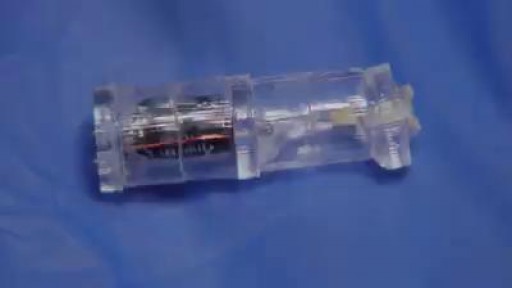
This is the future of medicine

The first transplant of a bionic eye on a patient with a rare disease.
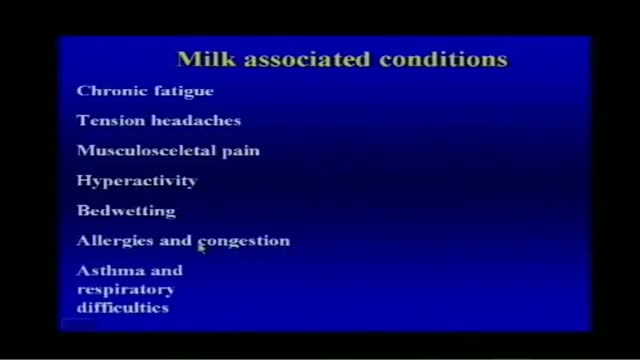
Milk Associated Diseases Information
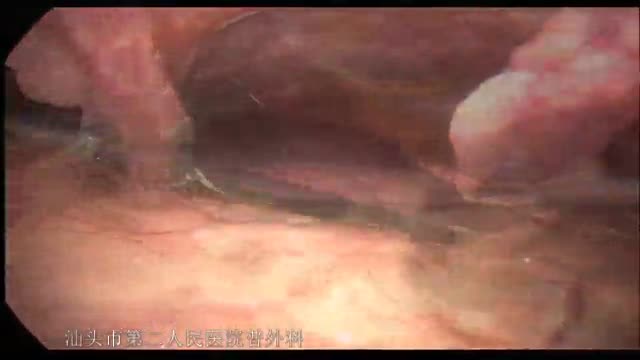
腹腔镜十二指肠穿孔修补术2
