
Video teratas


Diagnosis of this condition is based on clinical symptoms alone, as there are no diagnostic laboratory tests. In order to meet the criteria for Tourette syndrome, both motor and vocal tics must be present before the age of 21 , and the tics must occur many times a day for at least 12 months which is the case in this patient. Tourette syndrome is associated with several comorbid conditions, with attention-deficit hyperactivity disorder (ADHD) and obsessive compulsive disorder (OCD) the most common. OCD is therefore the condition this child is most at risk of developing in the future.
Learn a simple way to tell if you might be suffering from an undiagnosed autoimmune condition. Examples of autoimmune conditions include: • alopecia areata

Are Glass Sex Toys Safe? | How to Use a Glass Dildo
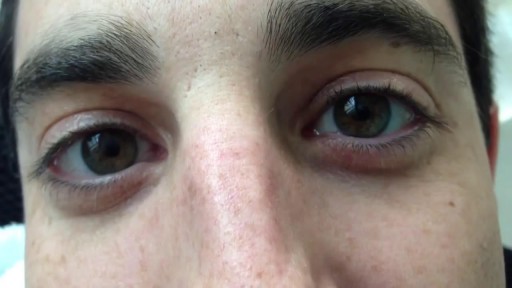
This test stimulates your acoustic nerve by delivering cold or warm water or air into your ear canal. When cold water or air enters your ear and the inner ear changes temperature, it should cause fast, side-to-side eye movements called nystagmus. The test is done in the following way: Before the test, your ear, especially the eardrum, will be checked. This is to make sure it is normal. One ear is tested at a time. A small amount of cold water or air is gently delivered into one of your ears. Your eyes should show an involuntary movement called nystagmus. Then they should turn away from that ear and slowly back. If water is used, it is allowed to drain out of the ear canal. Next, a small amount of warm water or air is gently delivered into the same ear. Again, your eyes should show nystagmus. Then they should turn toward that ear and slowly back. Your other ear is tested in the same way.

TAA is performed either under general anesthetic or nerve block. A tourniquet is used at the time of surgery to control bleeding and improve visualization during the surgery. The ankle is approached from the front or the side depending on the type of implant being used. Bone is then cut, allowing for placement of the metal and plastic components that re-create the ankle joint. Sometimes the patient will have a tight calf muscle or tight Achilles tendon that needs to be lengthened to improve range of motion of the ankle. The wounds are then closed using stitches or staples, and a splint is applied. A period of non-weightbearing in either a cast or cast boot is necessary to allow the implants to heal in place.

Dehydration can also be a cause of kidney stones. A common symptom is having a lower left abdominal pain, fever, nausea, groin pain and vomiting. Lower left abdominal pain can also be caused by an infection of the kidneys. It usually begins with the bladder and then reaches out to the kidneys.

Vertigo is a sense of rotation, rocking, or the world spinning, experienced even when someone is perfectly still. Many children attempt to create a sense of vertigo by spinning around for a time; this type of induced vertigo lasts for a few moments and then disappears. In comparison, when vertigo occurs spontaneously or as a result of an injury it tends to last for many hours or even days before resolving.
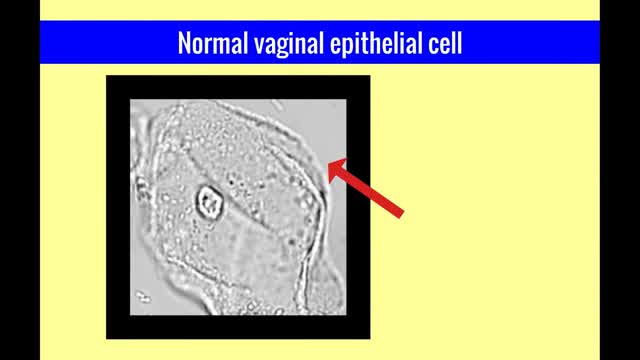
The vulvar vaginal diseases service sees referrals to help women with short--and long--term problems of the outer genital area (vulva), vagina and pelvic floor muscles including: Vulvar vaginal burning, itching, irritation and pain Vulvar Vestibulitis Pain with intercourse Discharge Yeast infections Bacterial vaginosis Pelvic floor muscle dysfunction A patient must be referred by her local health care provider. Services include: Skin care education Examinations-Your healthcare provider will examine you and talk with you about recommendations for treatment and/or management of your symptoms. Some vulvar diseases require a biopsy to diagnose the condition. Referrals-Your healthcare team may refer you to other specialists, including physical therapists or health psychologists. Separate insurance authorization is necessary for these services. The clinic staff provides general education and support to help women cope with these very personal health problems. Following a clinic visit, a letter is promptly sent to your local health care provider. The letter provides the results of your exam and the plan of care.

Angina results from a reduction in the oxygen supply/demand ratio. Therefore, in order to alleviate the pain, it is necessary to improve this ratio. This can be done either by increasing blood flow (which increases oxygen delivery or supply), or by decreasing oxygen demand (i.e., by decreasing myocardial oxygen consumption).
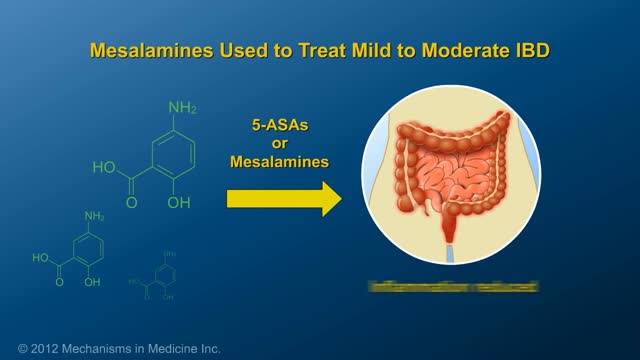
This animation describes risks of inflammatory bowel disease (IBD) and risks/benefits of medication (5-ASAs, steroids, immunomodulators, & biologics).
Bacterial abscess of the liver is relatively rare; however, it has been described since the time of Hippocrates (400 BCE), with the first published review by Bright appearing in 1936. In 1938, Ochsner's classic review heralded surgical drainage as the definitive therapy; however, despite the more aggressive approach to treatment, the mortality remained at 60-80%.[1] The development of new radiologic techniques, the improvement in microbiologic identification, and the advancement of drainage techniques, as well as improved supportive care, have reduced mortality to 5-30%; yet, the prevalence of liver abscess has remained relatively unchanged. Untreated, this infection remains uniformly fatal. The three major forms of liver abscess, classified by etiology, are as follows: Pyogenic abscess, which is most often polymicrobial, accounts for 80% of hepatic abscess cases in the United States Amebic abscess due to Entamoeba histolytica accounts for 10% of cases [2] Fungal abscess, most often due to Candida species, accounts for fewer than 10% of cases
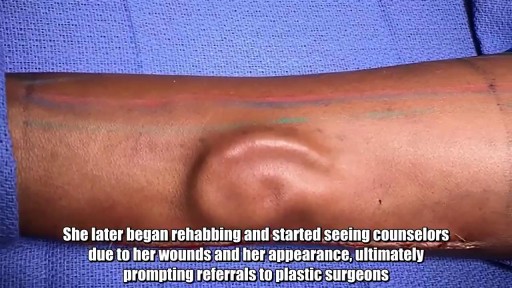
Shamika Burrage survived a near-fatal car accident two years ago, but not without losing something pretty important: her left ear. Now, thanks to a novel procedure performed at an Army medical center in Texas, Burrage is getting that ear back in a most unusual way. Plastic surgeons harvested cartilage from Burrage's ribs to create a new ear and then grew it under the skin of her forearm. Then the doctors at William Beaumont Army Medical Center in El Paso successfully transplanted the ear from her arm to her head. The technique -- a first time in the Army -- is called prelaminated forearm free flap, said Lt. Col. Owen Johnson III, chief of plastic and reconstructive surgery at William Beaumont Army Medical Center. Some of the big advantages of it is that it reduced the chance of more scarring around Burrage's ear. Also, growing the ear under the skin of her forearm allows new blood vessels to form. "(The ear) will have fresh arteries, fresh veins and even a fresh nerve so she'll be able to feel it," Johnson said on the US Army's website. Burrage, a 21-year-old private, still has to endure two more surgeries, but she's feeling more optimistic about the future than ever in the years since her accident. "It's been a long process for everything, but I'm back," said Burrage.
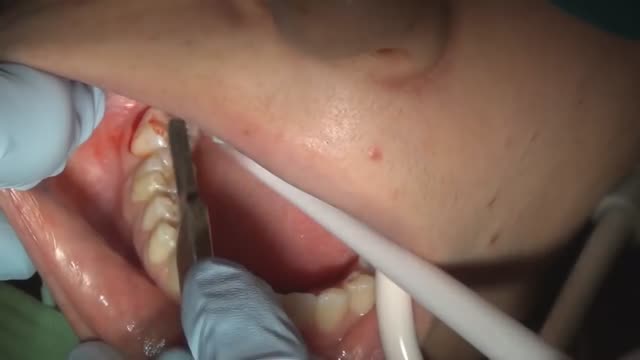
How to pull a wisdom tooth fully impacted
Sciatica is often characterized by one or more of the following symptoms: Constant pain in only one side of the buttock or leg (rarely in both legs) Pain that is worse when sitting Leg pain that is often described as burning, tingling, or searing (versus a dull ache) Weakness, numbness, or difficulty moving the leg, foot, and/or toes A sharp pain that may make it difficult to stand up or walk Pain that radiates down the leg and possibly into the foot and toes (it rarely occurs only in the foot) Sciatica Causes and Treatments Video Watch: Sciatica Causes and Treatments Video Sciatic pain can vary from infrequent and irritating to constant and incapacitating. Symptoms are usually based on the location of the pinched nerve. While symptoms can be painful and potentially debilitating, it is rare that permanent sciatic nerve damage (tissue damage) will result, and spinal cord involvement is possible but rare.

Overweight does not necessarily equal unhealthy. There are actually plenty of overweight people who are in excellent health (1). Conversely, many normal weight people have the metabolic problems associated with obesity (2). That’s because the fat under the skin is actually not that big of a problem (at least not from a health standpoint, it’s more of a cosmetic problem). It’s the fat in the abdominal cavity, the belly fat, that causes the biggest issues (3). If you have a lot of excess fat around your waistline, even if you’re not very heavy, then you should take some steps to get rid of it. Belly fat is usually estimated by measuring the circumference around your waist. This can easily be done at home with a simple tape measure. Anything above 40 inches (102 cm) in men and 35 inches (88 cm) in women, is known as abdominal obesity. There are actually a few proven strategies that have been shown to target the fat in the belly area more than other areas of the body.

Watch that video of Human Brain Removal During Autopsy
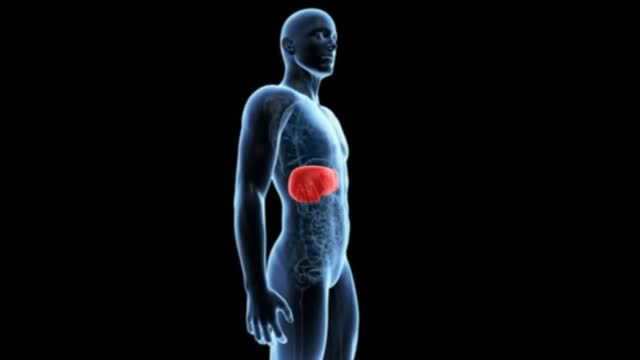
Autoimmune hepatitis is liver inflammation that occurs when your body's immune system turns against liver cells. The exact cause of autoimmune hepatitis is unclear, but genetic and environmental factors appear to interact over time in triggering the disease. Untreated autoimmune hepatitis can lead to scarring of the liver (cirrhosis) and eventually to liver failure. When diagnosed and treated early, however, autoimmune hepatitis often can be controlled with drugs that suppress the immune system. A liver transplant may be an option when autoimmune hepatitis doesn't respond to drug treatments or when liver disease is advanced.
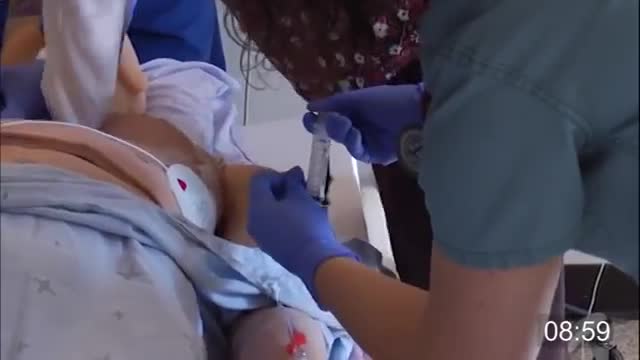
Technically, there's no formal definition for a "Code", but doctors often use the term as slang for a cardiopulmonary arrest happening to a patient in a hospital or clinic, requiring a team of providers (sometimes called a "code team") to rush to the specific location and begin immediate resuscitative efforts.
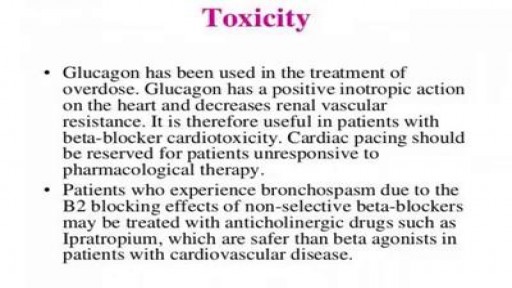
Beta-blockers, also known as beta antagonists, beta-adrenergic blocking agents, or beta-adrenergic antagonists, are drugs that are prescribed to treat several different types of conditions, including hypertension (high blood pressure), angina, some abnormal heart rhythms, heart attack (myocardial infarction), anxiety, migraine, glaucoma, and overactive thyroid symptoms.

Sacrococcygeal teratoma (SCT) is an unusual tumor that, in the newborn, is located at the base of the tailbone (coccyx). This birth defect is more common in female than in male babies. Although the tumors can grow very large, they are usually not malignant (that is, cancerous).
