
- Physical Examination
- Surgical Examination
- Ophthalmology
- Clinical Skills
- Orthopedics
- Surgery Videos
- Laparoscopy
- Pediatrics
- Funny Videos
- Cardiothoracic Surgery
- Nursing Videos
- Plastic Surgery
- Otorhinolaryngology
- Histology and Histopathology
- Neurosurgery
- Dermatology
- Pediatric Surgery
- Urology
- Dentistry
- Oncology and Cancers
- Anatomy Videos
- Health and Fitness
- Radiology
- Anaesthesia
- Physical Therapy
- Pharmacology
- Interventional Radiology
- Cardiology
- Endocrinology
- Gynecology
- Emergency Medicine
- Psychiatry and Psychology
- Childbirth Videos
- General Medical Videos
- Nephrology
- Physiology
- Diet and Food Health
- Diabetes Mellitus
- Neurology
- Women Health
- Osteoporosis
- Gastroenterology
- Pulmonology
- Hematology
- Rheumatology
- Toxicology
- Nuclear Medicine
- Infectious Diseases
- Vascular Disease
- Reproductive Health
- Burns and Wound Healing
- Other
Top videos
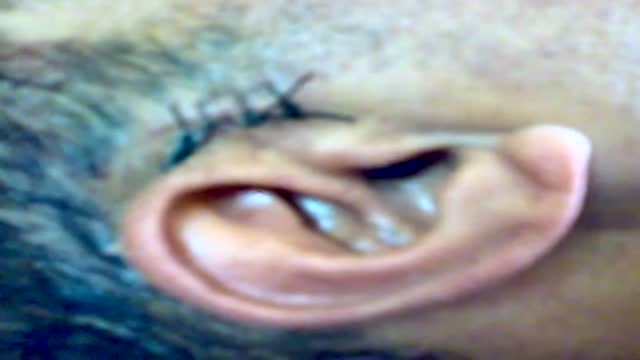

Simple surgery under a local anesthesia can help cluster headaches patients:
www.alisultaneh.8m.com
www.migrainesurgery.4t.com
In this podcast, CDC's Dr. Barbara Reynolds discusses best practices in crisis and emergency risk communication. She characterizes the initial phase of the crisis communication lifecycle and describes the five most common mistakes made in emergency communication to the public and how to counter them.

A video of Nissen Fundoplication surgery in an Obese patient with Hiatal Hernia and GERD

TV interview with Adina Nack, Ph.D. about her own cervical HPV experiences, STD research, her new book (Damaged Goods? Women Living with Incurable Sexually Transmitted Diseases), and women's lives after genital warts, HPV and herpes infections. More info is available on STDdatings.com, which is the official STD dating & support site.
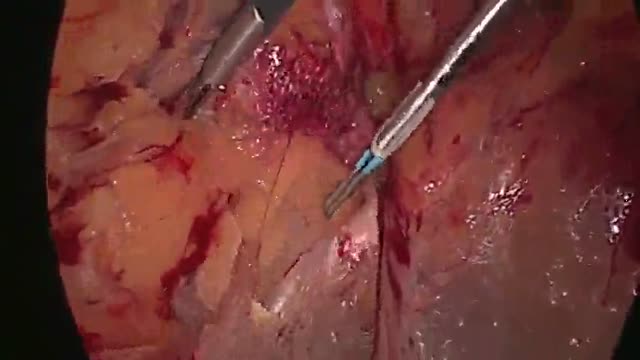
A high definition medical video showing the Laparoscopic inguinal hernia repair

Examination of Varicose Veins

AZT Mechanism of Antiviral Activity
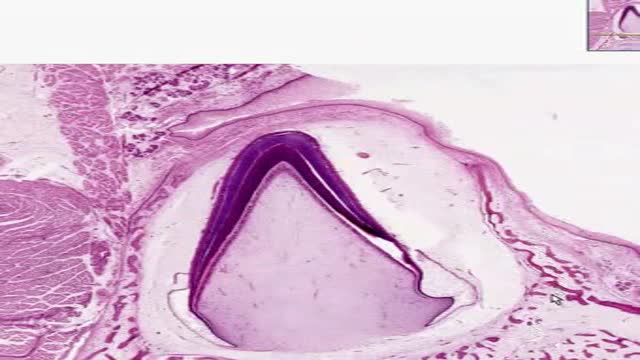
Histology of Tooth Eruption
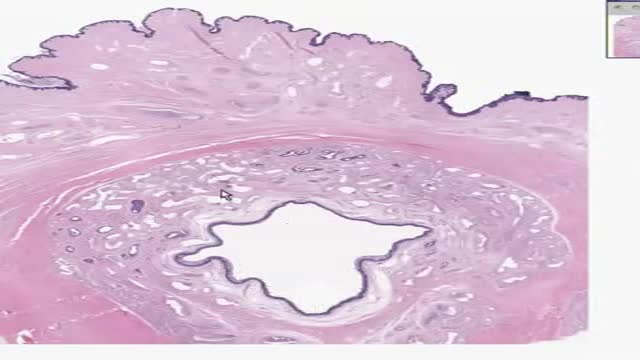
Histology of Male Urethra
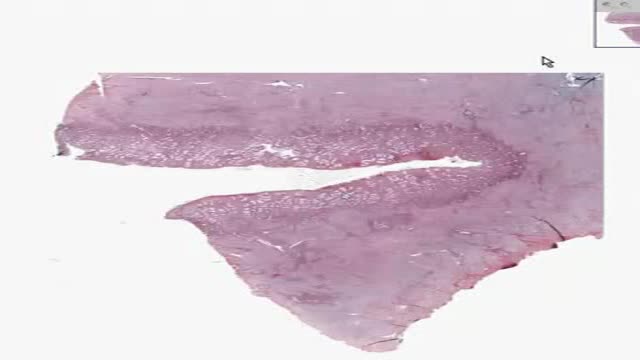
Histology of Secretory Endometrium
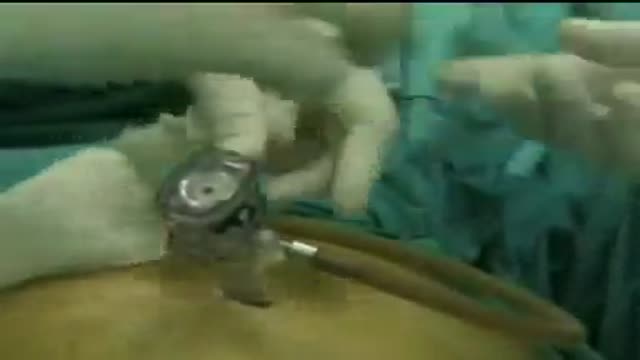
Inserting main port in laparoscopy

Fifth disease is a mild rash illness caused by parvovirus B19. This disease, also called erythema infectiosum, got its name because it was fifth in a list of historical classifications of common skin rash illnesses in children. It is more common in children than adults. A person usually gets sick with fifth disease within 4 to 14 days after getting infected with parvovirus B19.

Clopidogrel keeps the platelets in your blood from coagulating (clotting) to prevent unwanted blood clots that can occur with certain heart or blood vessel conditions. Clopidogrel is used to prevent blood clots after a recent heart attack or stroke, and in people with certain disorders of the heart or blood vessels. Clopidogrel may also be used for other purposes not listed in this medication guide
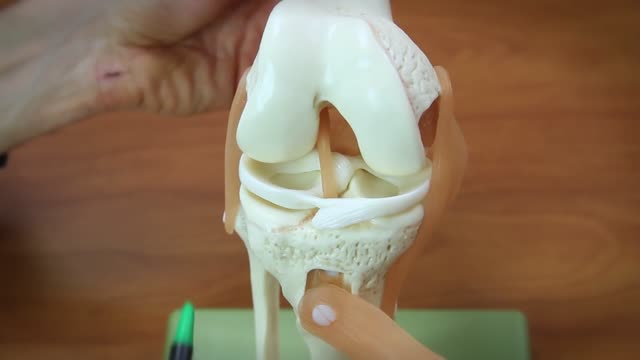
There are many factors that will determine how quickly, or completely you recover from your meniscal tear surgery. Key elements include your age, weight, and activity demands. The older you are, the heavier you are, the longer your recovery will be. The type of surgery you had will also impact upon your recovery. In some cases we only remove the torn piece — in general you will progress faster than someone who had sutures placed to repair the meniscus tear. Whether or not arthritis was found at the time of your meniscus surgery will also significantly influence your recovery from meniscus surgery. If you have arthritis then you are missing some or all of the cartilage on the ends of the bones. Knees with arthritis are prone to being more “cranky” during the recovery process. In those cases, a knee ice compression device can provide relief of pain/swelling. Many patients note they feel better wearing a compression sleeve during recovery. People with arthritis sometimes report improvement in their symptoms with supplements like Glucosamine, Curcumin, or Hyaluronic Acid which they believe (not proven) will smooth out the surface of the joint. Many try Tart Cherry juice because of its natural anti-inflammatory properties.. In the first few months following surgery, a knee compression sleeve does actually help many feel better. Some of the variables affecting your recovery from meniscus surgery are under your surgeon’s control. We can improve your immediate response after surgery with the use of various medications we inject within the knee before the surgery. We can also block a nerve on the side of your leg which will improve your pain for 18-24 hours after surgery. Many of you will purchase a ice compression sleeve to help minimize the pain after the surgery. In general, young, healthy active people with no evidence of osteoarthritis will experience a much more rapid recovery. Typically measured in days or a few weeks. Most people are off crutches in a day, and stop taking pain medicine within a day or two. In contrast, if you are a older, heavier and have arthritis as well as a meniscus tear, then you may take longer to recover — and may not experience a “full” recovery. This group can take weeks to months to improve. To ensure a good response to surgery, we also need to look at your health before surgery. Smoking leads to an increased infection rate and poorer healing. Diabetics with poor sugar control are at higher risk for infection and delays in healing as well. Obesity is a potential problem with anesthesia, the recovery from surgery and it may lead to more rapid progression of arthritis after surgery. The better shape you are in prior to surgery can influence your recovery.

Rickets is the softening and weakening of bones in children, usually because of an extreme and prolonged vitamin D deficiency. Vitamin D promotes the absorption of calcium and phosphorus from the gastrointestinal tract. A deficiency of vitamin D makes it difficult to maintain proper calcium and phosphorus levels in bones, which can cause rickets. Adding vitamin D or calcium to the diet generally corrects the bone problems associated with rickets. When rickets are due to another underlying medical problem, your child may need additional medications or other treatment. Some skeletal deformities caused by rickets may require corrective surgery.
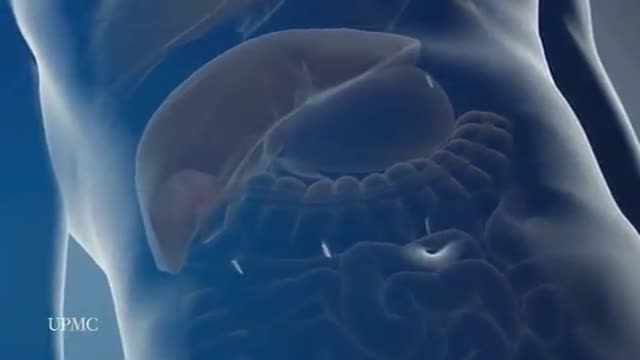
The most frequent incision utilized to open the abdomen for liver surgery is called a chevron incision. In this incision a cut is made on the abdomen below the rib cage. The cut starts under the armpit below the ribs on the right side of the abdomen and continues all the way across the abdomen to the opposite arm pit thereby the whole width of the abdomen is cut to provide access to the liver. The average length of the incision is approximately 24 to 30 inches. This is one of the longest incisions is utilized in abdominal surgery. The incision is frequently associated with significant discomfort after the surgery and in some patients the discomfort can continue for many months, particularly when some of the nerves in the abdominal wall have been cut during the surgery. Laparoscopic surgery provides advantages over open surgery for the liver since the chevron incision is completely avoided and the surgery is performed through tiny incisions. As a consequence the duration of stay in hospital, the amount and duration of post operative discomfort, and the length of recovery is much shorter after the laparoscopic procedure compared to open surgery
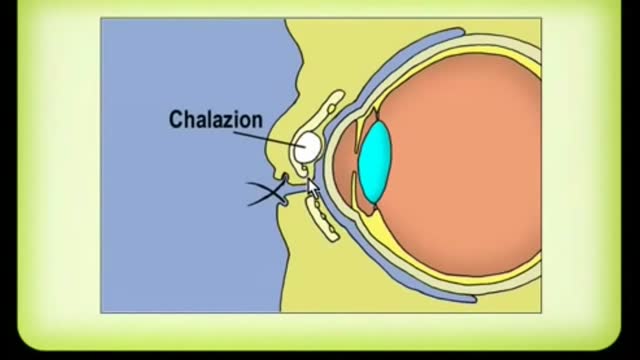
A chalazion is a lump of the lid that is caused by obstruction of the drainage duct of an oil gland within the upper or lower eyelid. This lump may increase in size over days to weeks and may occasionally become red, warm, or painful.

Odor is a topic that’s not only embarrassing to discuss for many, but it’s simply embarrassing to live with for anyone who may be experiencing it. Oftentimes, it’s the result of a vaginal yeast infection, but that’s not always the case — which is why it’s important to find the root cause. Having a healthy vagina is extremely important to overall health, healthy births and healthy marriages, and vaginal odor can be a signal that there might be a health issue at play. How this affects a woman’s self-esteem is another side effect, not to mention how it can affect her relationship with her significant other due to the impact it may have on their sex life. While there are many causes, most of the time it can be resolved through natural remedies. But where does this incredibly uncomfortable vaginal odor come from, and what is it in the first place? Vaginal odor is defined as any odor that originates from the vagina. It’s normal for your vagina to have a slight odor given it’s an opening to the interior of the body, but a strong vaginal smell, such as a fishy vaginal odor, could indicate a bigger problem and should be checked out with your physician.
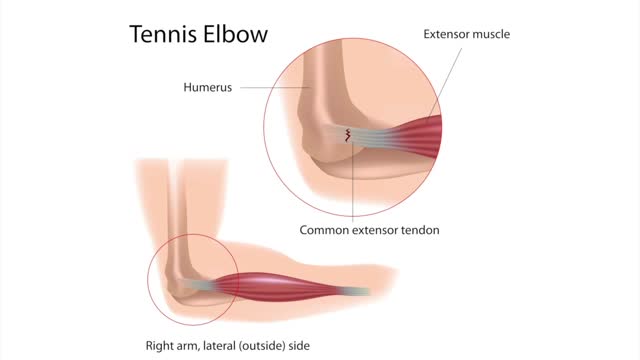
Tennis elbow or lateral epicondylitis is a condition in which the outer part of the elbow becomes sore and tender. The forearm muscles and tendons become damaged from overuse — repeating the same strenuous motions again and again.

Scleroderma (skleer-oh-DUR-muh) is a group of rare diseases that involve the hardening and tightening of the skin and connective tissues — the fibers that provide the framework and support for your body. In some people, scleroderma affects only the skin. But in many people, scleroderma also harms structures beyond the skin — such as blood vessels, internal organs and the digestive tract. Signs and symptoms vary, depending on which structures are affected. Scleroderma affects women more often than men and most commonly occurs between the ages of 30 and 50. While there is no cure for scleroderma, a variety of treatments can ease symptoms and improve quality of life.
