
- Physical Examination
- Surgical Examination
- Ophthalmology
- Clinical Skills
- Orthopedics
- Surgery Videos
- Laparoscopy
- Pediatrics
- Funny Videos
- Cardiothoracic Surgery
- Nursing Videos
- Plastic Surgery
- Otorhinolaryngology
- Histology and Histopathology
- Neurosurgery
- Dermatology
- Pediatric Surgery
- Urology
- Dentistry
- Oncology and Cancers
- Anatomy Videos
- Health and Fitness
- Radiology
- Anaesthesia
- Physical Therapy
- Pharmacology
- Interventional Radiology
- Cardiology
- Endocrinology
- Gynecology
- Emergency Medicine
- Psychiatry and Psychology
- Childbirth Videos
- General Medical Videos
- Nephrology
- Physiology
- Diet and Food Health
- Diabetes Mellitus
- Neurology
- Women Health
- Osteoporosis
- Gastroenterology
- Pulmonology
- Hematology
- Rheumatology
- Toxicology
- Nuclear Medicine
- Infectious Diseases
- Vascular Disease
- Reproductive Health
- Burns and Wound Healing
- Other
Top videos
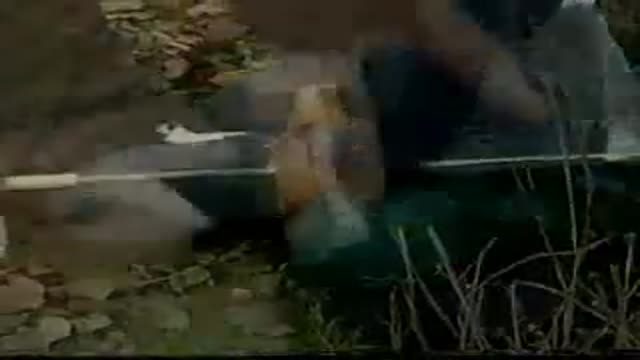

How to apply a splint on a broken bone
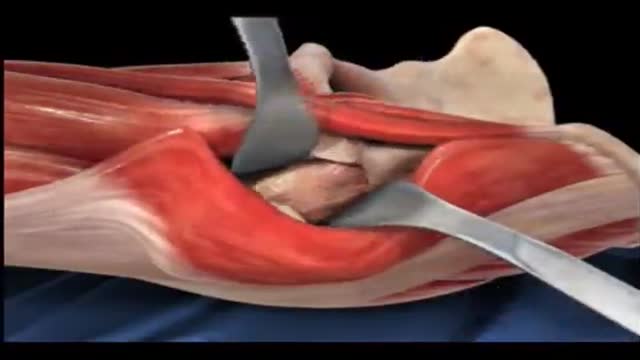
Total Hip Replacement Animation
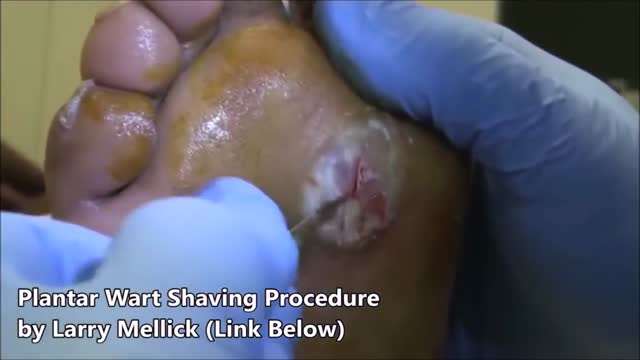
Plantar warts are hard, grainy growths that usually appear on the heels or balls of your feet, areas that feel the most pressure. This pressure also may cause plantar warts to grow inward beneath a hard, thick layer of skin (callus). Plantar warts are caused by the human papillomavirus (HPV). The virus enters your body through tiny cuts, breaks or other weak spots on the bottom of your feet. Most plantar warts aren't a serious health concern and may not require treatment. But plantar warts can cause discomfort or pain. If self-care treatments for plantar warts don't work, you may want to see your doctor to have them removed.
Periodontal Disease and Respiratory Infections
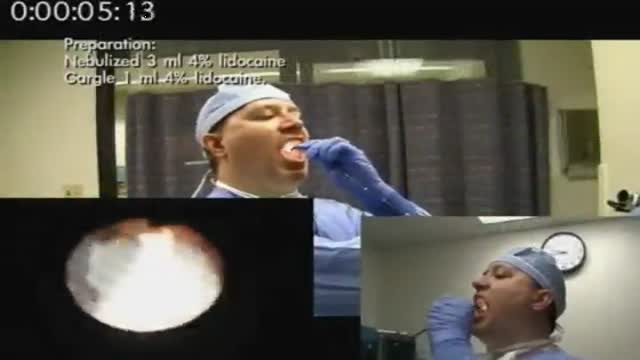
ROTIGS medical device by Honolulu inventor Dr. Brad NaPier makes difficult airway intubations easier for medical professionals.
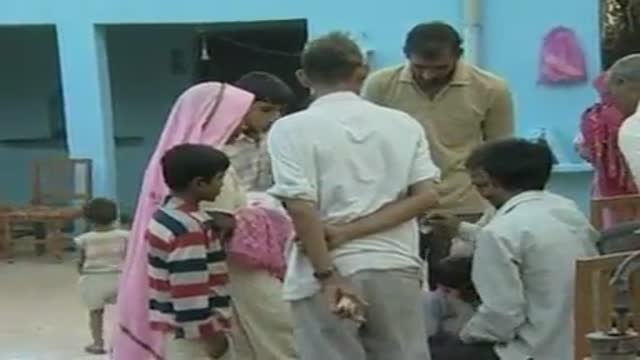
Baby is born with 2 faces: 4 eyes,2 mouth orifices,2 noses, 2 ears
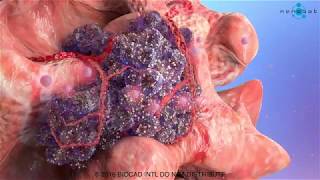
This cancer development medical video is devoted to elaborating the basics of cancer growth. We used advanced medical animation techniques to display such a complicated process.
What is happening in cancer development medical video
The fundamental abnormality described in the cancer development medical video is the nonstop unregulated multiplication of cancer cells. Being uncontrollable by body’s signals that regulate normal cell behavior; cancerous cells divide and grow populating neighboring normal tissues or even spread throughout the body. The overall lack of growth control acquired by cancer cells is due to the accumulated abnormalities in numerous cell regulatory mechanisms and is considered in some aspects of cell behavior that differs them from their healthy counterparts. The interaction of these cells is shown in our previous medical animation video.
Read full article on our webpage http://bit.ly/2LQj9ln
Follow us on Facebook https://www.facebook.com/Nanob....ot.Medical.Animation
Follow us on LinkedIn https://www.linkedin.com/compa....ny/nanobotmodels-med
Follow us on Twitter https://twitter.com/Nanobot_Studio
Follow us on Instagram https://www.instagram.com/nano....bot_medical_animatio
Follow us on Clutch https://clutch.co/profile/nano....bot-medical-animatio
Follow us on Behance https://www.behance.net/NanobotStudio
#cancer #tumor #oncology #metatastic #nanobot #visualscience #scientificcommunication #medicalanimation #animationvideo #animationdesign #animationstudio #animationmovie #nanotechnology #medicine #health #science #education #medschool #medicaleducation #animation_studio #animationstudio

Dialysis services at UC San Diego Health: https://health.ucsd.edu/care/kidney/dialysis
UC San Diego Health Licensed Clinical Social Worker, Norma Reggev, discusses hemodialysis as a treatment option for failing kidneys with patient testimonials. Discussion includes In Center Hemodialysis and Home Hemodialysis.
0:00 - Hemodialysis
1:34 - When Should Dialysis Begin?
2:00 - What is Dialysis?
2:25 - How Hemodialysis Works
3:15 - In-Center Hemodialysis Considerations
3:42 - Patient Shares Their Experience With In-Center Hemodialysis
7:30 - Home Hemodialysis Considerations
8:35 - Patient Shares Their Experience With Home Hemodialysis
12:23 - Types of Vascular Access
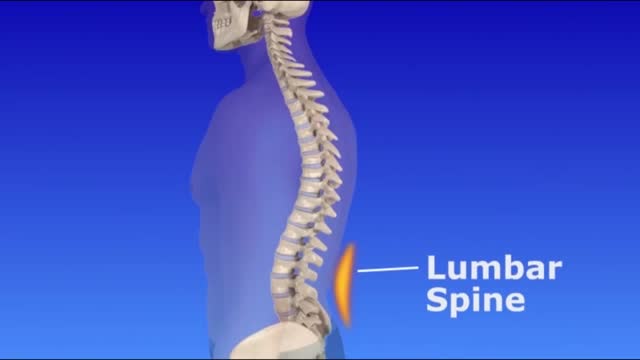
If you look at someone’s back, you’ll see that the spine runs straight down the middle. When a person has scoliosis, their backbone curves to the side. The angle of the curve may be small, large or somewhere in between. But anything that measures more than 10 degrees is considered scoliosis. Doctors may use the letters “C” and “S” to describe the curve of the backbone. You probably don’t look directly at too many spines, but what you might notice about someone with scoliosis is the way they stand. They may lean a little or have shoulders or hips that look uneven. What Causes Scoliosis? In as many as 80% of cases, doctors don’t find the exact reason for a curved spine. Scoliosis without a known cause is what doctors call “idiopathic.” Some kinds of scoliosis do have clear causes. Doctors divide those curves into two types -- structural and nonstructural. In nonstructural scoliosis, the spine works normally, but looks curved. Why does this happen? There are a number of reasons, such as one leg’s being longer than the other, muscle spasms, and inflammations like appendicitis. When these problems are treated, this type of scoliosis often goes away.

Incision of the bladder neck for a small prostate
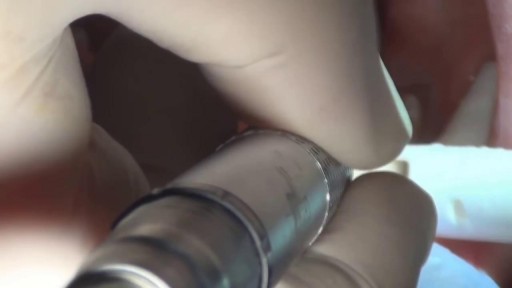
A filling is a way to restore a tooth damaged by decay back to its normal function and shape. When a dentist gives you a filling, he or she first removes the decayed tooth material, cleans the affected area, and then fills the cleaned out cavity with a filling material. By closing off spaces where bacteria can enter, a filling also helps prevent further decay. Materials used for fillings include gold, porcelain, a composite resin (tooth-colored fillings), and an amalgam (an alloy of mercury, silver, copper, tin and sometimes zinc).
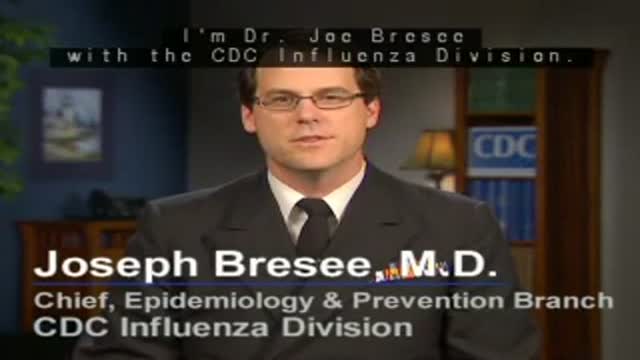
In this video, Dr. Joe Bresee, with the CDC Influenza Division, describes swine flu - its signs and symptoms, how it's transmitted, medicines to treat it, steps people can take to protect themselves from it, and what people should do if they become ill.
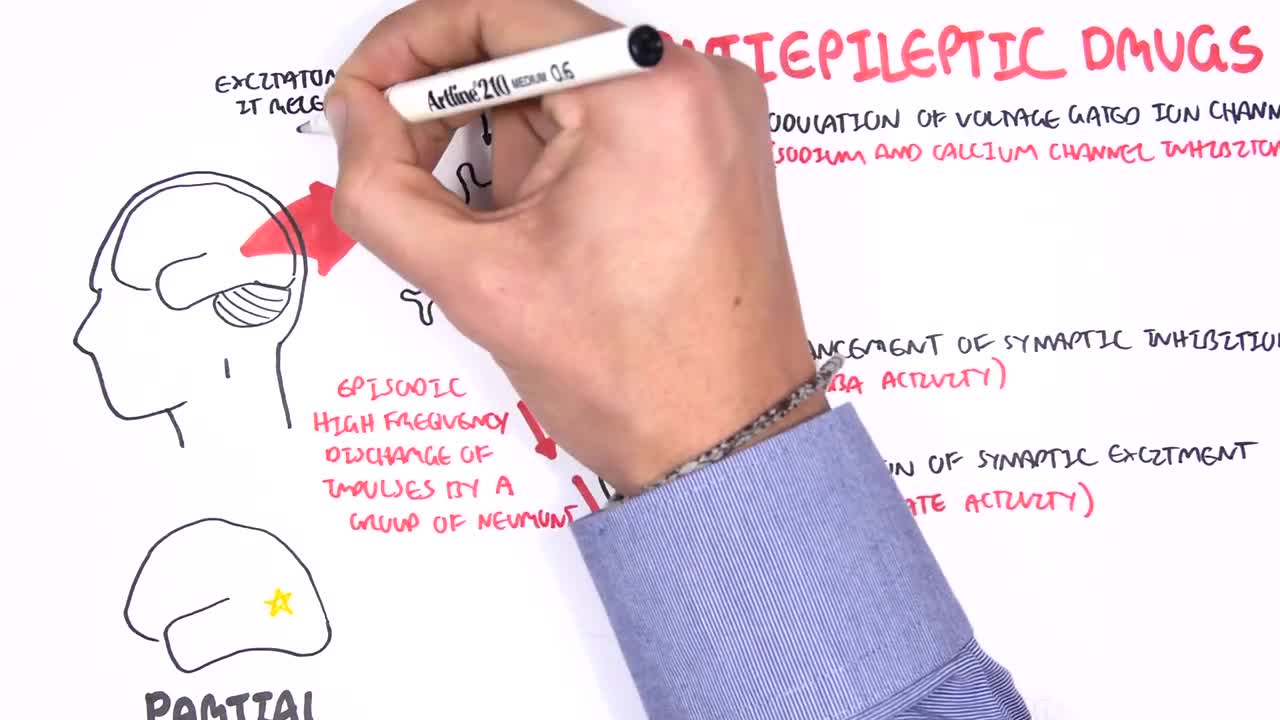
Modern treatment of seizures started in 1850 with the introduction of bromides, which was based on the theory that epilepsy was caused by an excessive sex drive. In 1910, phenobarbital (PHB), which then was used to induce sleep, was found to have antiseizure activity and became the drug of choice for many years. A number of medications similar to PHB were developed, including primidone.

University Hospitals Neurological Institute will host a live webcast to demonstrate the removal of a brain tumor that doctors believe is causing epileptic seizures in a middle-aged man.
An MRI showed what appears to be a glioma (tumor) near a part of the brain that controls muscle movement, called the motor strip. Studies have shown that complete removal can cure the seizures and improve quality of life and survival, but this is difficult to do with conventional technology without harming the surrounding normal brain because it's difficult to determine where tumor ends and normal brain begins.
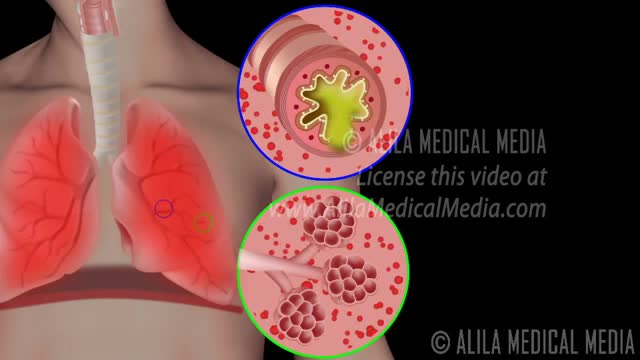
Chronic obstructive pulmonary disease Email this page to a friend Print Facebook Twitter Google+ Chronic obstructive pulmonary disease (COPD) is a common lung disease. Having COPD makes it hard to breathe. There are two main forms of COPD: Chronic bronchitis, which involves a long-term cough with mucus Emphysema, which involves damage to the lungs over time Most people with COPD have a combination of both conditions. Causes Smoking is the main cause of COPD. The more a person smokes, the more likely that person will develop COPD. But some people smoke for years and never get COPD. In rare cases, nonsmokers who lack a protein called alpha-1 antitrypsin can develop emphysema. Emphysema Other risk factors for COPD are: Exposure to certain gases or fumes in the workplace Exposure to heavy amounts of secondhand smoke and pollution Frequent use of a cooking fire without proper ventilation Symptoms Symptoms may include any of the following: Cough, with or without mucous Fatigue Many respiratory infections Shortness of breath (dyspnea) that gets worse with mild activity Trouble catching one's breath Wheezing Because the symptoms develop slowly, some people may not know that they have COPD.

Generalized Anxiety Disorder, Symptoms Of Anxiety Attack, Shortness Of Breath Anxiety --- http://panic-attacks-anxiety.good-info.co --- Newly Discovered Panic "Off Switch" Gives You Anxiety Relief Without Pills or Therapy Here's an interesting fact about anxiety and panic attacks: Did you know that just like the hiccups, doctors still can't agree exactly why they happen to you? And did you also know there's a 60-second solution to panic and anxiety that you can do anywhere? Yes, it takes you just one minute and I'm going to share it with you today. Until one day about a year ago, I thought I might be doomed to let panic attacks rule my life. And I made this free online presentation to tell you about the one discovery about panic and general anxiety that finally cut through the confusion and changed everything. Pay very close attention, because whether you've only had one or two "attacks" so far… or even if you've been having them for years and it seems like a life sentence you'll never escape from… You're about to discover one weird thing that panic, anxiety and the hiccups – yes, the hiccups – have in common that goes right back to the stone age. Discover How To Begin Eliminating Panic And Anxiety From Your Life Forever Click Here: http://panic-attacks-anxiety.good-info.co
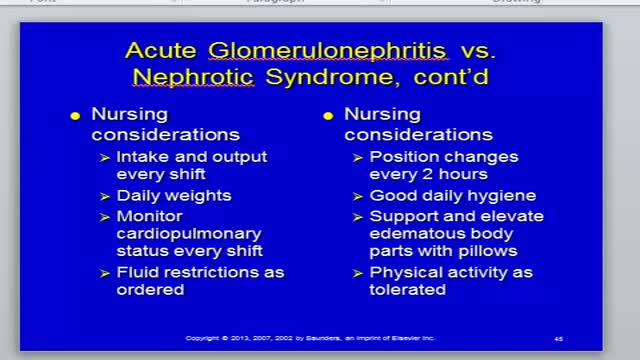
Nephritis and Nephrotic Syndrome

Watch out which infections could affect your baby or tend to be worse for you during pregnancy period and how to reduce your risk of getting them.
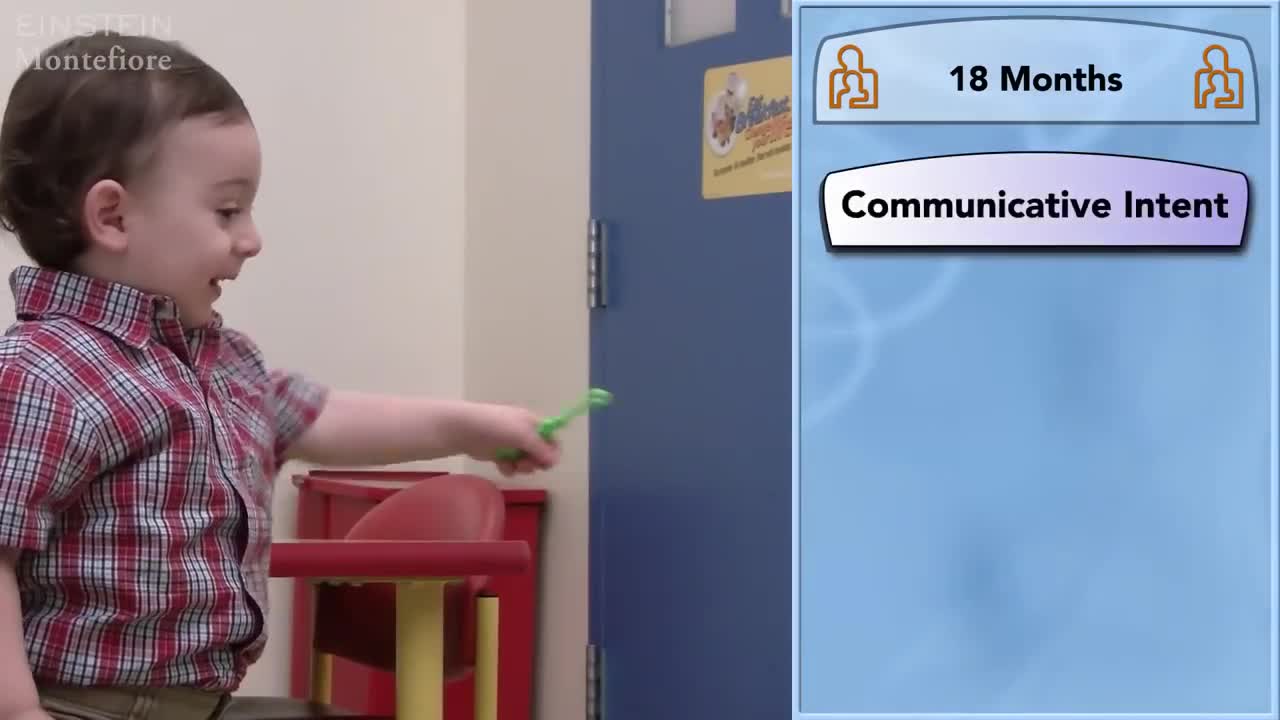
uses video of babies and toddlers to show the communication milestones expected in typically developing children. She also discusses what parents should do if they suspect their child is developmentally delayed
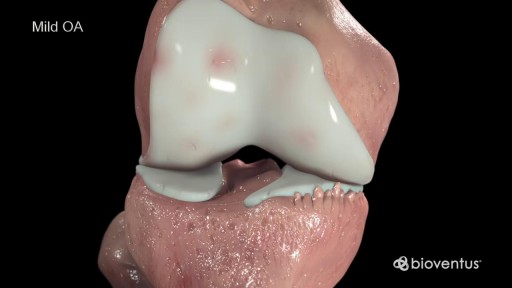
Cartilage is a slippery tissue that provides a smooth surface for joint motion and acts as a cushion between the bones. Synovium is soft, and it lines the joints. It produces fluid, called synovial fluid, for lubrication, and it supplies nutrients and oxygen to the cartilage. As these functions break down, they no longer protect the bones of the knee joint, and bone damage occurs. OA of the knee can cause pain and stiffness. The symptoms worsen over time
