
Top videos


Peripheral Venous Access Technique Video
AL EMADI HOSPITAL-QATAR-DOHA AMERICAN BOARD CERTIFICATE AESTHETIC MEDICINE drkhsh2001@yahoo.com http://www.kamalsaleh.sptechs.com

TV interview with Dr. Mostafa Yakoot, MD discussing his recently published study for efficacy of lettuce seed oil in patients with insomnia
French Insuficiencia cardiaca
New methods in heart diseases diagnostics and imaging
http://www.landging.com Customize your medical animation | Wow your clients with 3D animation | Outsource to China and reduce risk with a trial project.
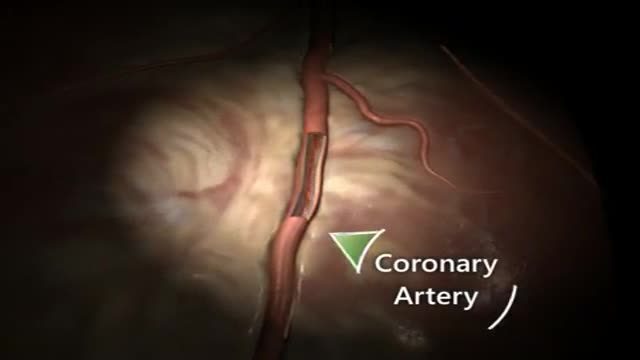
A heart attack occurs when blood flow to a part of your heart is blocked for a long enough time that part of the heart muscle is damaged or dies. The medical term for this is myocardial infarction.
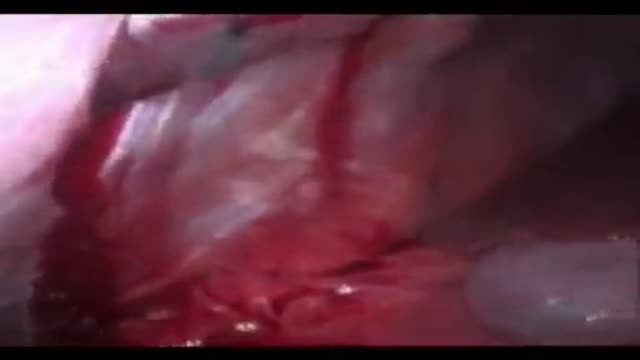
A laparoscopic video showing Hemostasis and cauterization during laparoscopy

If you are unhappy with the shape and contours of your breast, then you are not alone. Millions of women around the world are unhappy with their breasts either because they are too small or too big, or too distorted.
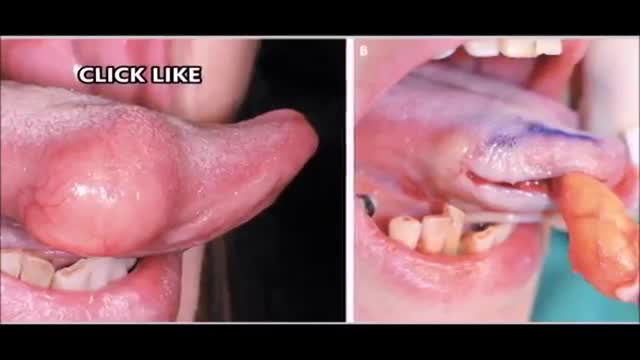
tongue lipoma info

Alzheimer’s disease is an irreversible, progressive brain disorder that slowly destroys memory and thinking skills, and eventually the ability to carry out the simplest tasks. In most people with Alzheimer’s, symptoms first appear in their mid-60s. Estimates vary, but experts suggest that more than 5 million Americans may have Alzheimer’s. Alzheimer's disease is currently ranked as the sixth leading cause of death in the United States, but recent estimates indicate that the disorder may rank third, just behind heart disease and cancer, as a cause of death for older people. Alzheimer’s is the most common cause of dementia among older adults. Dementia is the loss of cognitive functioning—thinking, remembering, and reasoning—and behavioral abilities to such an extent that it interferes with a person’s daily life and activities. Dementia ranges in severity from the mildest stage, when it is just beginning to affect a person’s functioning, to the most severe stage, when the person must depend completely on others for basic activities of daily living. The causes of dementia can vary, depending on the types of brain changes that may be taking place. Other dementias include Lewy body dementia, frontotemporal disorders, and vascular dementia. It is common for people to have mixed dementia—a combination of two or more disorders, at least one of which is dementia. For example, some people have both Alzheimer's disease and vascular dementia. Alzheimer’s disease is named after Dr. Alois Alzheimer. In 1906, Dr. Alzheimer noticed changes in the brain tissue of a woman who had died of an unusual mental illness. Her symptoms included memory loss, language problems, and unpredictable behavior. After she died, he examined her brain and found many abnormal clumps (now called amyloid plaques) and tangled bundles of fibers (now called neurofibrillary, or tau, tangles). These plaques and tangles in the brain are still considered some of the main features of Alzheimer’s disease. Another feature is the loss of connections between nerve cells (neurons) in the brain. Neurons transmit messages between different parts of the brain, and from the brain to muscles and organs in the body.
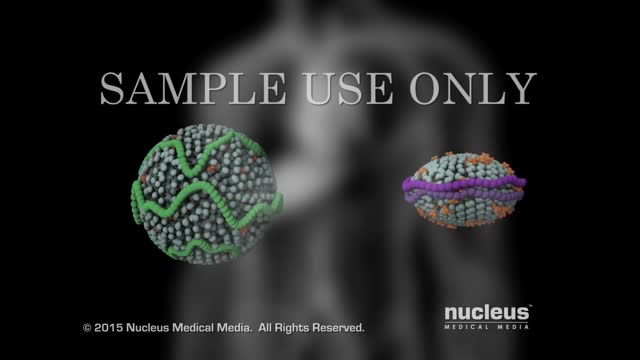
LDL (Bad) Cholesterol LDL cholesterol is considered the “bad” cholesterol because it contributes to plaque, a thick, hard deposit that can clog arteries and make them less flexible. This condition is known as atherosclerosis. If a clot forms and blocks a narrowed artery, heart attack or stroke can result. Another condition called peripheral artery disease can develop when plaque buildup narrows an artery supplying blood to the legs. View an animation of cholesterolHDL (Good) Cholesterol HDL cholesterol is considered “good” cholesterol because it helps remove LDL cholesterol from the arteries. Experts believe HDL acts as a scavenger, carrying LDL cholesterol away from the arteries and back to the liver, where it is broken down and passed from the body. One-fourth to one-third of blood cholesterol is carried by HDL. A healthy level of HDL cholesterol may also protect against heart attack and stroke, while low levels of HDL cholesterol have been shown to increase the risk of heart disease.
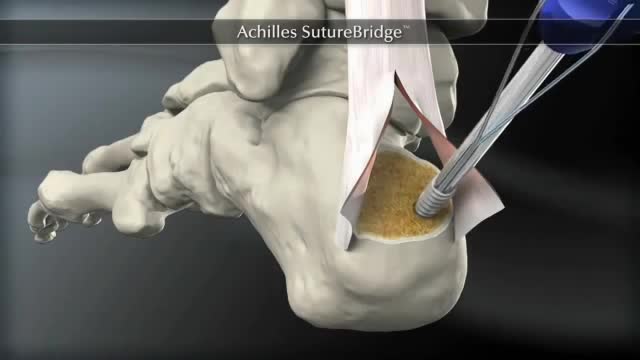
The Arthrex SpeedBridge™ is an innovative soft tissue fixation device used in the treatment of Achilles injuries. While standard anchor fixation of the tendon creates only a single point of compression directly over the anchor, the SpeedBridge enables an hourglass pattern of FiberTape® suture to be laid over the distal end of the tendon. This four-anchor construct enables a true knotless repair and a greater area of compression for the Achilles tendon on the calcaneus, improving stability and possibly allowing for earlier return to normal activities.
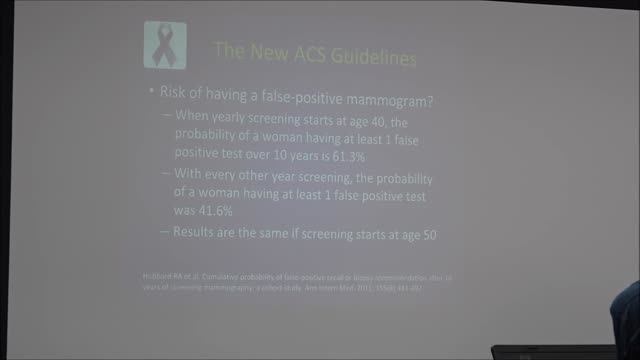
Breast Cancer Screening Recommendations Breast cancer screening is important for all women. If you are at higher risk of breast cancer, you may need to be screened earlier and more often than women at average risk. Breast cancer screening is only recommended for some men at very high risk due to an inherited gene mutation or a strong family history of breast cancer.
Genetic surfactant dysfunction disorders are caused by mutations in genes encoding proteins critical for the production and function of pulmonary surfactant. These rare disorders may produce familial or sporadic lung disease, with clinical presentations ranging from neonatal respiratory failure to childhood- or adult-onset interstitial lung disease. An overview of these disorders is presented in the table.. Interstitial lung diseases in children until recently were categorized by their histologic appearance in a manner similar to that used for adult forms of interstitial lung disease (ILD). In children, the lung histopathology findings associated with desquamative interstitial pneumonitis (DIP) are now known to often result from genetic mechanisms that disrupt normal surfactant production and metabolism. By contrast, DIP in adults is considered to represent a distinct type of ILD, which is strongly associated with cigarette smoking and carries a relatively favorable prognosis [1]. These genetic disorders also result in histopathologic patterns other than DIP, including findings of pulmonary alveolar proteinosis and chronic pneumonitis of infancy. An understanding of the pathogenesis of these disorders permits a mechanistic classification as genetic surfactant dysfunction disorders instead of their previous classification based upon histologic appearance.
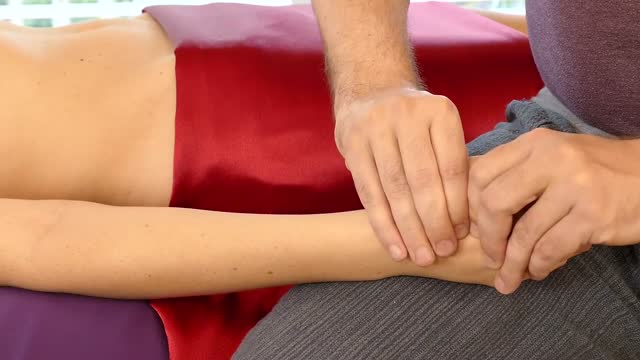
Carpal tunnel syndrome is a hand and arm condition that causes numbness, and other symptoms. Carpal tunnel syndrome is caused by a pinched nerve in your wrist. A number of factors can contribute to carpal tunnel syndrome, including the anatomy of your wrist, certain underlying health problems and possibly patterns of hand use. Bound by bones and ligaments, the carpal tunnel is a narrow passageway located on the palm side of your wrist. This tunnel protects a main nerve to your hand and the nine tendons that bend your fingers. Compression of the nerve produces the numbness, tingling and, eventually, hand weakness that characterize carpal tunnel syndrome.

stop gunshot wound bleeding in 15 seconds
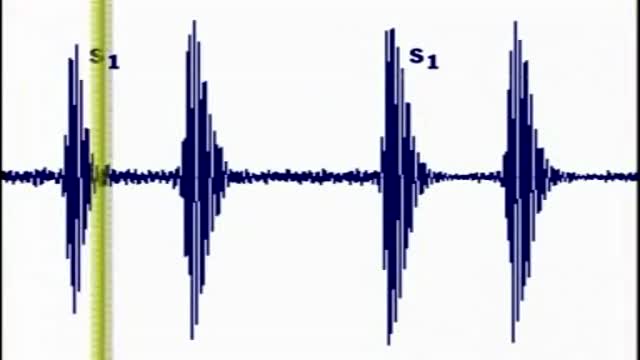
Heart sounds are the noises generated by the beating heart and the resultant flow of blood through it. Specifically, the sounds reflect the turbulence created when the heart valves snap shut. In cardiac auscultation, an examiner may use a stethoscope to listen for these unique and distinct sounds that provide important auditory data regarding the condition of the heart. In healthy adults, there are two normal heart sounds often described as a lub and a dub (or dup), that occur in sequence with each heartbeat. These are the first heart sound (S1) and second heart sound (S2), produced by the closing of the atrioventricular valves and semilunar valves, respectively. In addition to these normal sounds, a variety of other sounds may be present including heart murmurs, adventitious sounds, and gallop rhythms S3 and S4. Heart murmurs are generated by turbulent flow of blood, which may occur inside or outside the heart. Murmurs may be physiological (benign) or pathological (abnormal). Abnormal murmurs can be caused by stenosis restricting the opening of a heart valve, resulting in turbulence as blood flows through it. Abnormal murmurs may also occur with valvular insufficiency (regurgitation), which allows backflow of blood when the incompetent valve closes with only partial effectiveness. Different murmurs are audible in different parts of the cardiac cycle, depending on the cause of the murmur.
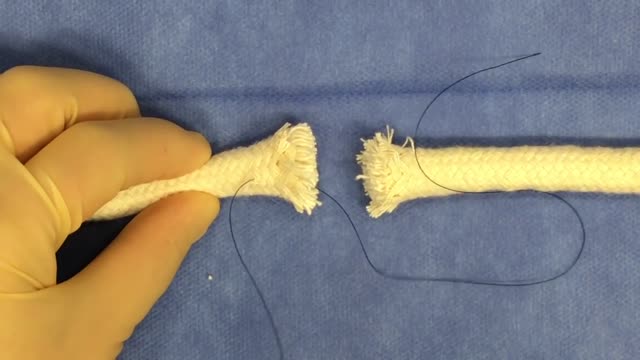
Tendon repair can be performed using: Local anesthesia (the immediate area of the surgery is pain-free) Regional anesthesia (the local and surrounding areas are pain-free) General anesthesia (the patient is asleep and pain-free) The surgeon makes a cut on the skin over the injured tendon. The damaged or torn ends of the tendon are sewn together. If the tendon has been severely injured, a tendon graft may be needed. In this case, a piece of tendon from the foot, toe, or another part of the body is often used. If needed, tendons are reattached to the surrounding tissue. The surgeon examines the area to see if there are any injuries to nerves and blood vessels. When the repair is complete, the wound is closed. If the tendon damage is too severe, the repair and reconstruction may have to be done at different times. The surgeon will perform one surgery to repair part of the injury, and then allow the hand to heal for a few weeks. Another surgery will be done later to complete the reconstruction and repair the tendon.

First Aid for a suspected Fracture
