Top Videos

Osteomyelitis
Osteomyelitis samer kareem 5,853 Ansichten • 2 Jahre vor

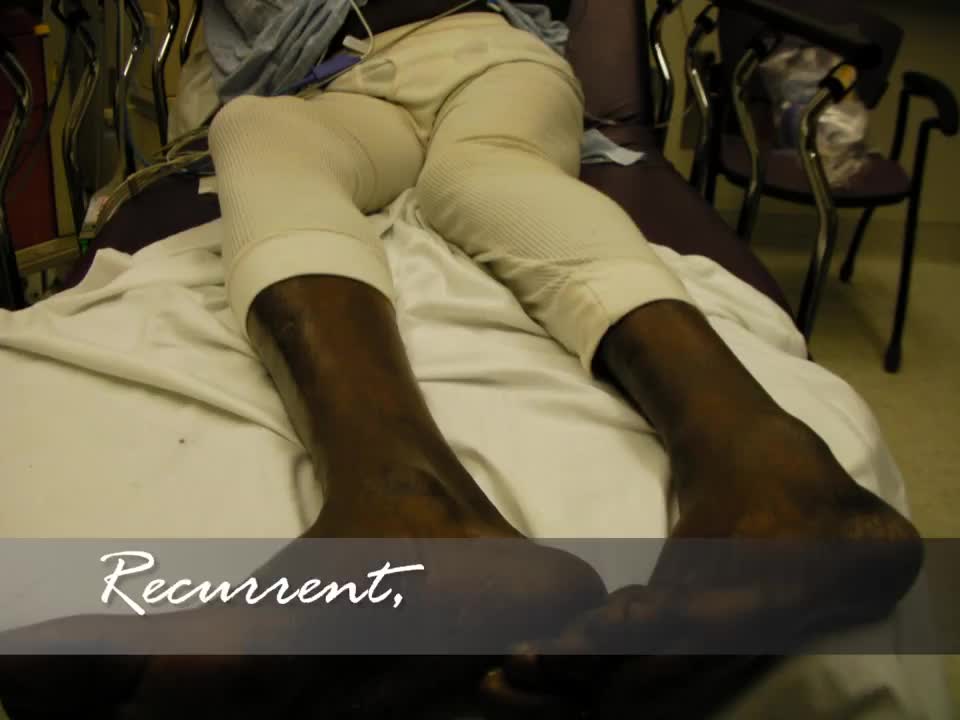
Osteomyelitis is an infection in a bone. Infections can reach a bone by traveling through the bloodstream or spreading from nearby tissue. Infections can also begin in the bone itself if an injury exposes the bone to germs. In children, osteomyelitis most commonly affects the long bones of the legs and upper arms. Adults are more likely to develop osteomyelitis in the bones that make up the spine (vertebrae). People who have diabetes may develop osteomyelitis in their feet if they have foot ulcers. Once considered an incurable condition, osteomyelitis can be successfully treated today. Most people require surgery to remove parts of the bone that have died — followed by strong antibiotics, often delivered intravenously, typically for at least four to six weeks.

Pancreatic Auto Islet Transplantation
Pancreatic Auto Islet Transplantation samer kareem 3,657 Ansichten • 2 Jahre vor

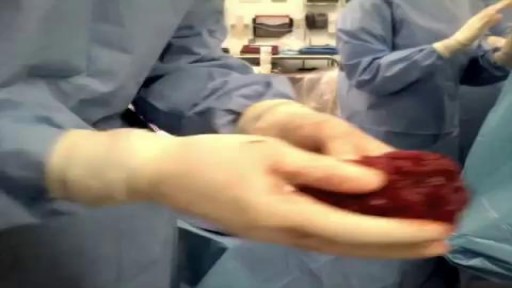
Pancreatic Auto Islet Transplantation is a procedure used to maintain insulin production and secretion in patients with chronic pancreatitis that are undergoing a total pancreatectomy, or removal of the entire pancreas. When all other medical therapies fail to control the pain, removal of the pancreas may be an option; however it can leave a person diabetic, which means that the body can no longer control blood sugar levels, and will require intensive testing of blood sugar and injections of insulin. The pancreas is an organ, located in the upper abdominal cavity, behind the stomach, liver and colon. Within the pancreas, specialized clusters of cells known as islets produce insulin, which maintain healthy blood sugar levels. The pancreas also produces enzymes to help digest food. In order to alleviate pain and maintain insulin production, the pancreas is removed from the body, processed and the islets are harvested. Once the pancreas is removed, it is placed in a solution and put into a machine where the pancreas is digested. The islets are then infused into the patient’s liver. Within a short time, the islets are expected to start producing insulin. In 80% of patients, the pain from pancreatitis is relieved by a total pancreatectomy. Over time, some patients may be diabetic and will need to take insulin to maintain healthy blood sugar levels. All patients will take pancreatic enzymes to help digest food after surgery.

Erythrocyte Sedimentation Rate
Erythrocyte Sedimentation Rate samer kareem 5,588 Ansichten • 2 Jahre vor

Sed rate, or erythrocyte sedimentation rate ( ESR ), is a blood test that can reveal inflammatory activity in your body. A sed rate test isn't a stand-alone diagnostic tool, but it can help your doctor diagnose or monitor the progress of an inflammatory disease. ... Inflammation can cause the cells to clump.

What causes Osteoporosis?
What causes Osteoporosis? samer kareem 6,959 Ansichten • 2 Jahre vor

Bone is not a static part of the body — it's constantly being resorbed (broken down) and formed throughout your life. Your entire skeleton is replaced about every decade, according to the NIH. During your childhood and teenage years, bone formation occurs more quickly than bone resorption, resulting in growth. You reach your maximum bone density and strength around age 30, after which bone resorption slowly overtakes bone formation. Osteoporosis develops when there's an abnormal imbalance between bone resorption and formation — that is, resorption occurs too quickly, or formation too slowly.

The blood (3 of 3)
The blood (3 of 3) samer kareem 10,236 Ansichten • 2 Jahre vor

It is a specialized bodily fluid that supplies essential substances and nutrients, such as sugar, oxygen, and hormones to our cells, and carries waste away from those cells, this waste is eventually flushed out of the body in urine, feces, sweat, and lungs (carbon dioxide). Blood also contains clotting agents.

Upper GI Bleed
Upper GI Bleed samer kareem 1,760 Ansichten • 2 Jahre vor

This could be caused by an infection, food poisoning, parasites, Crohn's disease, or reduced blood flow in the colon. Hemorrhoids are another common cause of GI or rectal bleeding. A hemorrhoid is an enlarged vein in your rectum or anus. These enlarged veins can rupture and bleed, causing rectal bleeding.

Why Do You Get Itchy?
Why Do You Get Itchy? samer kareem 2,284 Ansichten • 2 Jahre vor

Pruritis is itchy skin that makes you want to scratch. It can be caused by many things. Normally, itchy skin isn't serious, but it can make you uncomfortable. Sometimes, itchy skin is caused by a serious medical condition. It can occur in association with a primary rash (e.g. dermatitis) or may occur because of hypersensitive nerves in the skin (neuropathic pruritus). ... Scratching a localised itch may lead to lichen simplex, prurigo or prurigo nodularis. Systemic causes of pruritus. Sytemic diseases may cause generalised pruritus.

Knee Examination
Knee Examination samer kareem 11,300 Ansichten • 2 Jahre vor

Knee Examination

Wound Healing
Wound Healing samer kareem 8,542 Ansichten • 2 Jahre vor

Wound healing is the process by which skin or other body tissue repairs itself after trauma. ... This process is divided into predictable phases: blood clotting (hemostasis), inflammation, tissue growth (proliferation) and tissue remodeling (maturation).

What is Asthma ??
What is Asthma ?? samer kareem 45,246 Ansichten • 2 Jahre vor

Asthma is a condition in which your airways narrow and swell and produce extra mucus. This can make breathing difficult and trigger coughing, wheezing and shortness of breath.

Elbow Joint
Elbow Joint samer kareem 5,210 Ansichten • 2 Jahre vor

Elbow. In primates, including humans, the elbow joint is the synovial hinge joint between the humerus in the upper arm and the radius and ulna in the forearm which allows the hand to be moved towards and away from the body.

Diabetes Pathophysiology
Diabetes Pathophysiology samer kareem 6,402 Ansichten • 2 Jahre vor

When food is taken, it is broken down into smaller components. Sugars and carbohydrates are thus broken down into glucose for the body to utilize them as an energy source. The liver is also able to manufacture glucose. In normal persons the hormone insulin, which is made by the beta cells of the pancreas, regulates how much glucose is in the blood. When there is excess of glucose in blood, insulin stimulates cells to absorb enough glucose from the blood for the energy that they need. Insulin also stimulates the liver to absorb and store any excess glucose that is in the blood. Insulin release is triggered after a meal when there is a rise in blood glucose. When blood glucose levels fall, during exercise for example, insulin levels fall too. High insulin will promote glucose uptake, glycolysis (break down of glucose), and glycogenesis (formation of storage form of glucose called glycogen), as well as uptake and synthesis of amino acids, proteins, and fat. Low insulin will promote gluconeogenesis (breakdown of various substrates to release glucose), glycogenolysis (breakdown of glycogen to release gluose), lipolysis (breakdown of lipids to release glucose), and proteolysis (breakdown of proteins to release glucose). Insulin acts via insulin receptors.

Unraveling the Mystery of Alzheimer's Disease
Unraveling the Mystery of Alzheimer's Disease samer kareem 21,399 Ansichten • 2 Jahre vor

Alzheimer's worsens over time. Alzheimer's is a progressive disease, where dementia symptoms gradually worsen over a number of years. In its early stages, memory loss is mild, but with late-stage Alzheimer's, individuals lose the ability to carry on a conversation and respond to their environment. Alzheimer's is the sixth leading cause of death in the United States. Those with Alzheimer's live an average of eight years after their symptoms become noticeable to others, but survival can range from four to 20 years, depending on age and other health conditions. Alzheimer's has no current cure, but treatments for symptoms are available and research continues. Although current Alzheimer's treatments cannot stop Alzheimer's from progressing, they can temporarily slow the worsening of dementia symptoms and improve quality of life for those with Alzheimer's and their caregivers. Today, there is a worldwide effort under way to find better ways to treat the disease, delay its onset, and prevent it from developing. Alzheimer's has no current cure, but treatments for symptoms are available and research continues. Although current Alzheimer's treatments cannot stop Alzheimer's from progressing, they can temporarily slow the worsening of dementia symptoms and improve quality of life for those with Alzheimer's and their caregivers. Today, there is a worldwide effort under way to find better ways to treat the disease, delay its onset, and prevent it from developing.

Code Blue
Code Blue samer kareem 13,217 Ansichten • 2 Jahre vor

Technically, there's no formal definition for a "Code", but doctors often use the term as slang for a cardiopulmonary arrest happening to a patient in a hospital or clinic, requiring a team of providers (sometimes called a "code team") to rush to the specific location and begin immediate resuscitative efforts.

Lumbar Facet Injection
Lumbar Facet Injection samer kareem 10,952 Ansichten • 2 Jahre vor

A facet joint injection is a relatively simple, straightforward procedure, and is usually performed in an office based procedure suite or in an ambulatory surgical center. As with many spinal injections, facet joint injections are best performed using fluoroscopy (live X-ray) for guidance to properly target and place the needle (and to help avoid nerve injury or other injury).

Ganglion Cyst  at Wrist
Ganglion Cyst at Wrist samer kareem 13,965 Ansichten • 2 Jahre vor

Ganglion cysts are the most common mass or lump in the hand. They are not cancerous and, in most cases, are harmless. They occur in various locations, but most frequently develop on the back of the wrist. These fluid-filled cysts can quickly appear, disappear, and change size.

Rheumatic Fever
Rheumatic Fever samer kareem 1,810 Ansichten • 2 Jahre vor

Rheumatic fever is an inflammatory disease that can develop as a complication of inadequately treated strep throat or scarlet fever. Strep throat and scarlet fever are caused by an infection with streptococcus bacteria. Rheumatic fever is most common in 5- to 15-year-old children, though it can develop in younger children and adults. Although strep throat is common, rheumatic fever is rare in the United States and other developed countries. However, rheumatic fever remains common in many developing nations. Rheumatic fever can cause permanent damage to the heart, including damaged heart valves and heart failure. Treatments can reduce damage from inflammation, lessen pain and other symptoms, and prevent the recurrence of rheumatic fever.

STILL'S Disease
STILL'S Disease samer kareem 3,810 Ansichten • 2 Jahre vor

Adult-onset Still's disease (AOSD) is a rare systemic inflammatory disease characterized by the classic triad of persistent high spiking fevers, joint pain, and a distinctive salmon-colored bumpy rash. The disease is considered a diagnosis of exclusion.

IQ Test
IQ Test samer kareem 5,254 Ansichten • 2 Jahre vor

An intelligence quotient (IQ) is a total score derived from one of several standardized tests designed to assess human intelligence. IQ is a number meant to measure people cognitive abilities (intelligence) in relation to their age group. An I.Q between 90 and 110 is considered average; over 120, superior. Roughly 68% of the population has an IQ between 85 and 115. The average range between 70 and 130, and represents about 95% of the population.

Mitral valve repair of anterior leaflet perforation and ruptured chordae
Mitral valve repair of anterior leaflet perforation and ruptured chordae samer kareem 17,651 Ansichten • 2 Jahre vor

Mitral valve repair of anterior leaflet perforation and ruptured chordae

Showing 284 out of 378