
- Physical Examination
- Surgical Examination
- Ophthalmology
- Clinical Skills
- Orthopedics
- Surgery Videos
- Laparoscopy
- Pediatrics
- Funny Videos
- Cardiothoracic Surgery
- Nursing Videos
- Plastic Surgery
- Otorhinolaryngology
- Histology and Histopathology
- Neurosurgery
- Dermatology
- Pediatric Surgery
- Urology
- Dentistry
- Oncology and Cancers
- Anatomy Videos
- Health and Fitness
- Radiology
- Anaesthesia
- Physical Therapy
- Pharmacology
- Interventional Radiology
- Cardiology
- Endocrinology
- Gynecology
- Emergency Medicine
- Psychiatry and Psychology
- Childbirth Videos
- General Medical Videos
- Nephrology
- Physiology
- Diet and Food Health
- Diabetes Mellitus
- Neurology
- Women Health
- Osteoporosis
- Gastroenterology
- Pulmonology
- Hematology
- Rheumatology
- Toxicology
- Nuclear Medicine
- Infectious Diseases
- Vascular Disease
- Reproductive Health
- Burns and Wound Healing
- Other
Top videos


Body Mass Index (BMI) is a person's weight in kilograms divided by the square of height in meters. A high BMI can be an indicator of high body fatness. BMI can be used to screen for weight categories that may lead to health problems but it is not diagnostic of the body fatness or health of an individual.May 15, 2015

Encephalopathy means disorder or disease of the brain. In modern usage, encephalopathy does not refer to a single disease, but rather to a syndrome of global brain dysfunction; this syndrome can have many different organic and inorganic causes.
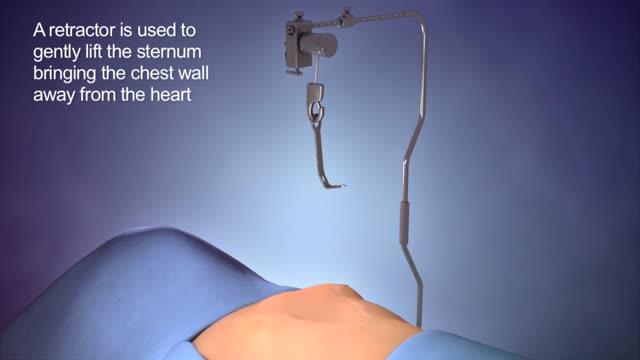
The cause of pectus excavatum is not known however it can run in families, with up to 25 percent of affected patients reporting chest wall abnormalities in other family members. Pectus excavatum occurs in approximately 1 out of 400–1000 children and is three to five times more common in males than females.
Hypertrophic pyloric stenosis (HPS) causes a functional gastric outlet obstruction as a result of hypertrophy and hyperplasia of the muscular layers of the pylorus. In infants, HPS is the most common cause of gastric outlet obstruction and the most common surgical cause of vomiting.

This video describe the clinical managment of a patient with hyperprolactinemia, including the approach to diagnosis, important endocrine testing, and management options.
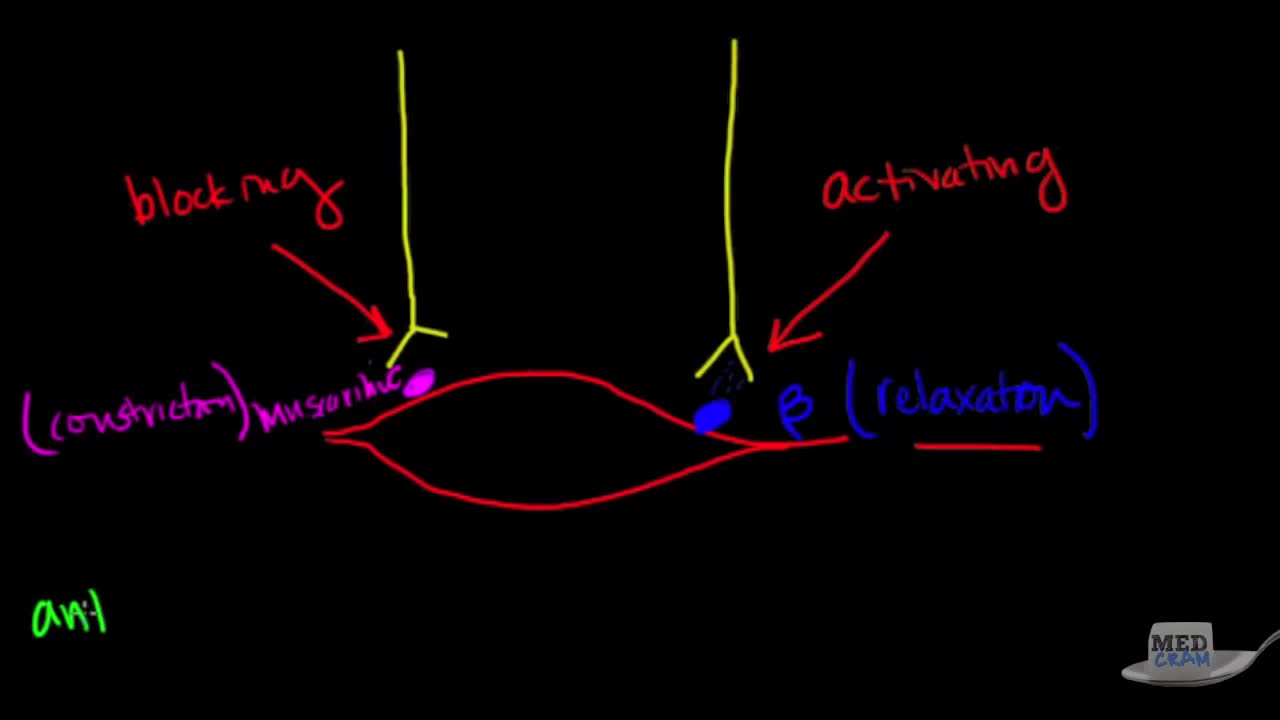
Includes discussion on asthma pathophysiology, signs and symptoms of asthma, diagnosis, triggers (GERD, post nasal drip, down feathers, etc.), flow volume loops, samter's triad, and more. This is video 1 of 2 on asthma and treatment.
Hepatitis A signs and symptoms, which typically don't appear until you've had the virus for a few weeks, may include: Fatigue Nausea and vomiting Abdominal pain or discomfort, especially in the area of your liver on your right side beneath your lower ribs Clay-colored bowel movements Loss of appetite Low-grade fever Dark urine Joint pain Yellowing of the skin and eyes (jaundice) If you have hepatitis A, you may have a mild illness that lasts a few weeks or a severe illness that lasts several months. Not everyone with hepatitis A develops signs or symptoms.
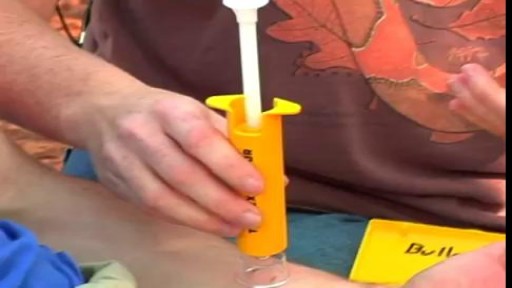
There is any chance that the snake is venomous The person has difficulty breathing There is loss of consciousness If you know the snake is not venomous, treat as a puncture wound. 1. Note the Snake's Appearance Be ready to describe the snake to emergency staff. 2. Protect the Person While waiting for medical help: Move the person beyond striking distance of the snake. Have the person lie down with wound below the heart. Keep the person calm and at rest, remaining as still as possible to keep venom from spreading. Cover the wound with loose, sterile bandage. Remove any jewelry from the area that was bitten. Remove shoes if the leg or foot was bitten. Do not: Cut a bite wound Attempt to suck out venom Apply tourniquet, ice, or water Give the person alcohol or caffeinated drinks or any other medications
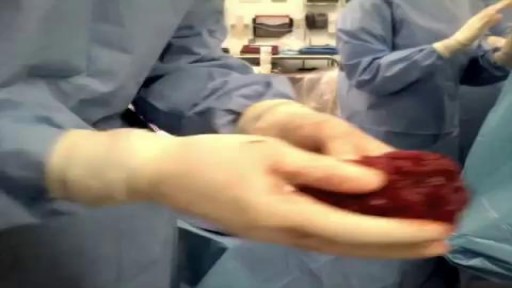
Debulking epithelial ovarian cancer. The other important goal of surgery is to remove as much of the tumor as possible − this is called debulking. Debulking is very important in any patient with ovarian cancer that has already spread widely throughout the abdomen at the time of surgery.

new Anti-Choking Device.
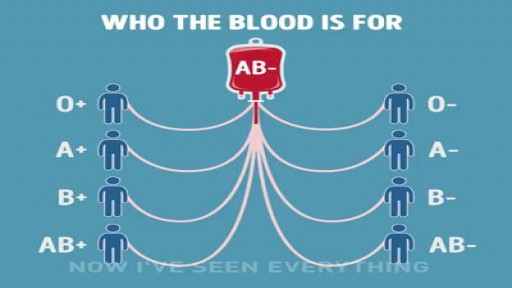
Everybody needs to know this!
Retro-sigmoid craniotomy (often called "keyhole" craniotomy) is a minimally-invasive surgical procedure performed to remove brain tumors. This procedure allows for the removal of skull base tumors through a small incision behind the ear, providing access to the cerebellum and brainstem. Neurosurgeons may use this approach to reach certain tumors, such as meningiomas and acoustic neuromas (vestibular schwannomas).
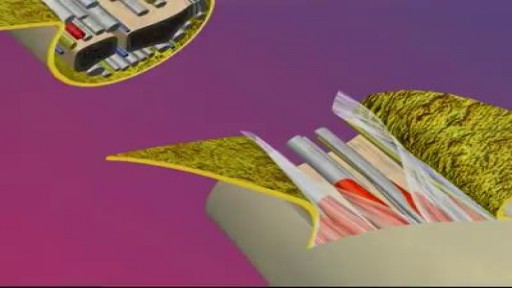
A reconstructive transplant, also called a composite tissue transplant or composite tissue allograft, is an operation that involves transplantation of bone, tissue, muscle and blood vessels. A reconstructive hand transplant is an operation tailored to each patient’s individual needs, type of injury and anatomy. This transplants an upper extremity, usually at the level of the forearm and wrist, but sometimes above the elbow, to help restore function after the loss of a hand or arm.
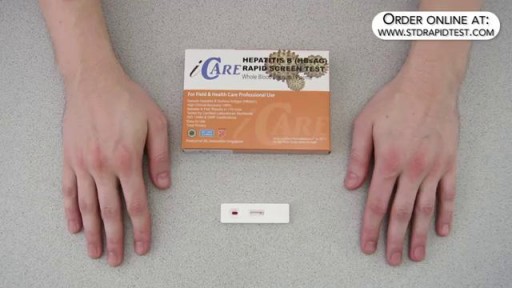
How to use a Hepatitis B rapid test kit for self-diagnosis of Hepatitis B (fingerstick blood). Convenient, Easy to Use, and over 98% Accurate. Certified GMP and ISO13485. Test yourself at home with Complete Privacy. Buy online today at: http://www.stdrapidtest.com

Que Es Bueno Para La Diabetes Medicina Natural. Porque Con Este Método Que Voy a Revelarte que es 10 Veces Más Efectivo Que Cualquier Otro Podrás Vencer A Tu Diabetes RÁPIDAMENTE. Si no hubiera sido por el poderoso método inusual pero PROBADO que usé para obtener RESULTADOS rápidos y controlar la diabetes. La genialidad de este gran descubrimiento es que está diseñado para controlar, frenar y vencer a la diabetes. con la “complicidad” de tu propio cuerpo que se auto regenera si se le instalan los comando correctos en el metabolismo. Sin importar si tienes 7 ó 90 años. Sin importar si tu nivel de azúcar es más incontrolable que un caballo salvaje, o tu tipo de diabetes. Sin importar cuantas veces tu doctor te ha dicho que la diabetes no tiene cura. Sin importar si has fallado una docena de veces con tratamientos, medicamentos o métodos convencionales que NO SIRVEN. Estás a punto de descubrir cómo controlar la diabetes usando la Solución Natural más exitosa jamás revelada que transformará tu cuerpo en una máquina generadora de salud y energía – ¡en tan solo unos pocos días! haciendo click aqui. http://vencer-la-diabetes-rapido.info-pro.co
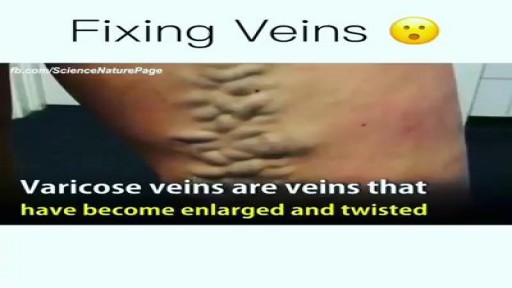
As a curious child, you might remember staring at an older relative's thick stockings at the blue, gnarled veins lying under the skin like bumpy snakes. Known as varicose veins, these blood vessels, which return blood from the legs to the heart, are actually a more superficial system. The real, working venous system for the legs lies deeper, says to Robert A. Weiss, MD, assistant professor of dermatology at the Johns Hopkins School of Medicine in Baltimore. This is good news, because it means that if the surface veins begin to clump up and bulge, they can be removed or destroyed without ruining circulation to the leg. The National Institutes of Health estimates that 60% of all men and women suffer from some form of vein disorder. A quarter of varicose vein sufferers are men, although Weiss notes that it is almost always women who seek help for spider veins.
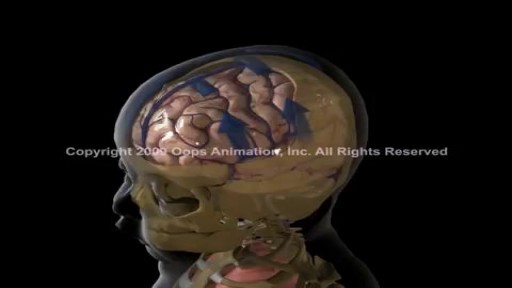
Shaken baby syndrome usually occurs when a parent or caregiver severely shakes a child in frustration or anger, often because the child won't stop crying. Permanent brain damage or death may result. Symptoms include irritability, difficulty staying awake, seizures, abnormal breathing, poor eating, bruises, and vomiting. Treatment will vary depending on complications related to shaken baby syndrome. In rare instances, breathing support or surgery may be needed to stop bleeding in the brain.
How To Increase Brain Power, How To Increase Brain Activity, How To Boost Your Concentration--- http://brain-revitalizer.info-pro.co --- Improve Concentration, Ask anyone today what they have a hard time with and more often than not they are likely to cite trouble focusing or concentrating. With laptops, smart phones, television, GPS systems and social media, it is hard to block out all the distractions when you need to focus on something specific. Attention deficit disorder may be one of the most popular excuses for our lack of concentration, but it's not an entirely accurate diagnosis since many of us simply aren't training our brains the right way to improve our focus. Concentration is necessary just to make it through a typical workday. From driving and working to shopping and cooking, focus is essential in order to get tasks accomplished. Unfortunately many of us have a hard time zoning in on a specific project and seeing it through to completion. Being easily distracted is not necessarily a disorder but it will keep you from managing your time wisely and getting done the important things that need your attention. There are several ways people can improve their concentration, including strategic brain games and exercises, along with guided meditation and brainwave entrainment. Research has shown that the more a person trains their brain in specific skill sets, the better one can get at cognitive thinking, problem solving and memorization. Using computer generated pulses, or isochronic tones, during brain entrainment meditation is another way to synchronize your brain's frequencies so you can operate on a fast or slow frequency that will assist in achieving states of productivity or relaxation. As we all know, when we are relaxed our concentration and decision making are much better than if we are under stress or hurried. Being able to tap in to specific Alpha, Theta and Delta waves allows us to synchronize our brainwaves with sound pulses so we can be more focused on specific projects and tasks. But YOU can be different! You can use Genius Brain Power to empower your brain so that you come alive with more energy, learn quicker, think more creatively, focus on your work like never before and drastically reduce stress with amazingly deep states of relaxation and meditation. click here: http://brain-revitalizer.info-pro.co

Watch that video of The Most Disgusting Parasites in the World

Watch that video to know How to Run Invisible Skin Sutures
