
- Physical Examination
- Surgical Examination
- Ophthalmology
- Clinical Skills
- Orthopedics
- Surgery Videos
- Laparoscopy
- Pediatrics
- Funny Videos
- Cardiothoracic Surgery
- Nursing Videos
- Plastic Surgery
- Otorhinolaryngology
- Histology and Histopathology
- Neurosurgery
- Dermatology
- Pediatric Surgery
- Urology
- Dentistry
- Oncology and Cancers
- Anatomy Videos
- Health and Fitness
- Radiology
- Anaesthesia
- Physical Therapy
- Pharmacology
- Interventional Radiology
- Cardiology
- Endocrinology
- Gynecology
- Emergency Medicine
- Psychiatry and Psychology
- Childbirth Videos
- General Medical Videos
- Nephrology
- Physiology
- Diet and Food Health
- Diabetes Mellitus
- Neurology
- Women Health
- Osteoporosis
- Gastroenterology
- Pulmonology
- Hematology
- Rheumatology
- Toxicology
- Nuclear Medicine
- Infectious Diseases
- Vascular Disease
- Reproductive Health
- Burns and Wound Healing
- Other
Top videos
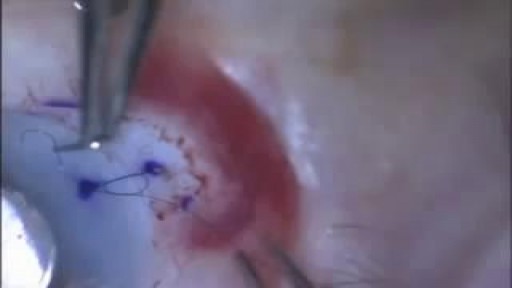

Video demonstrates the fundamental components of placing your first suture.

Gastroschisis is a birth defect that develops in a baby while a woman is pregnant. This condition occurs when an opening forms in the baby's abdominal wall. The baby's bowel pushes through this hole. It then develops outside of the baby's body in the amniotic fluid.
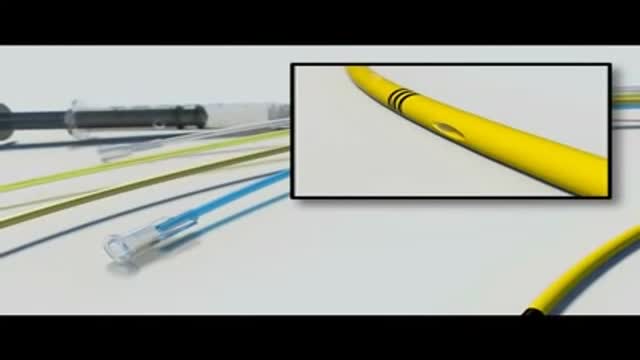
Any independent vertical movement of the transducer or the patient will affect the hydrostatic column of this fluid-filled system and thus alter the pressure measurements. At some time before or after PAC insertion, the system must therefore be zeroed to ambient air pressure. The reference point for this is the midpoint of the left atrium (LA), estimated as the fourth intercostal space in the midaxillary line with the patient in the supine position. With the transducer at this height, the membrane is exposed to atmospheric pressure, and the monitor is then adjusted to zero. Calibration Once zeroed, the monitoring system must be calibrated for accuracy. Currently, most monitors perform an automated electronic calibration. Two methods are used to manually calibrate and check the system. If the catheter has not been inserted, the distal tip of the PAC is raised to a specified height above the LA. For example, raising the tip 20 cm above the LA should produce a reading of approximately 15 mm Hg if the system is working properly (1 mm Hg equals 1.36 cm H 2 O). Alternatively, pressure can be applied externally to the transducer and adjusted to a known level using a mercury or aneroid manometer. The monitor then is adjusted to read this pressure, and the system is calibrated. Dynamic tuning Central pressures are dynamic waveforms (ie, they vary from systole to diastole) and thus have a periodic frequency. To monitor these pressures accurately, the system requires an appropriate frequency response. A poorly responsive system produces inaccurate pressure readings, and differentiating waveforms (eg, PA from pulmonary capillary wedge pressure [PCWP]) can become difficult. When signal energy is lost, the pressure waveform is dampened. Common causes of this are air bubbles (which are compressible), long or compliant tubing, vessel wall impingement, intracatheter debris, transducer malfunction, and loose connections in the tubing. A qualitative test of the frequency response is performed by flicking the catheter and observing a brisk high-frequency response in the waveform. After insertion, the system can be checked by using the rapid flush test. When flushed, an appropriately responsive system shows an initial horizontal straight line with a high-pressure reading. Once the flushing is terminated, the pressure drops immediately, which is represented by a vertical line that plunges below the baseline. A brief and well-defined oscillation occurs, followed by return of the PA waveform. A dampened system will not overshoot or oscillate, and causes a delay in returning to the PA waveform.

Beta-blockers, also known as beta antagonists, beta-adrenergic blocking agents, or beta-adrenergic antagonists, are drugs that are prescribed to treat several different types of conditions, including hypertension (high blood pressure), angina, some abnormal heart rhythms, heart attack (myocardial infarction), anxiety, ...Jul 27, 2015

Reactive arthritis is a painful form of inflammatory arthritis (joint disease due to inflammation). It occurs in reaction to an infection by certain bacteria. Most often, these bacteria are in the genitals (Chlamydia trachomatis) or the bowel (Campylobacter, Salmonella, Shigella and Yersinia). Chlamydia most often transmits by sex. It often has no symptoms, but can cause a pus-like or watery discharge from the genitals. The bowel bacteria can cause diarrhea. If you develop arthritis within one month of diarrhea or a genital infection – especially with a discharge – see a health care provider. You may have reactive arthritis. - See more at: https://www.rheumatology.org/i-am-a/patient-caregiver/diseases-conditions/reactive-arthritis#sthash.PukaaQhj.dpuf

http://without-glasses.good-info.co How To Improve Eyesight Naturally With Food , How To Improve Eyesight Naturally With Exercises Food. Naturally PERFECT your Vision to 20/20 If you are one of the millions of Americans who suffer from visual problems such as Myopia and Hyperopia then this video will SHOCK you! In the following free video you'll discover: How you can 100% naturally and safely cure almost any visual problem. Why your glasses and contacts are in fact WORSENING your eye condition. The real TRUTH about the Eyecare industry This revolutionary program that you'll soon discover has dared to challenge the billion-dollar Eyecare industry. It reveals this amazing secret to getting 20/20 vision and it doesn't matter what your eye problems are, whether short or long sightedness, Presbyopia, Glaucoma.. whatever! It should help with everything. more information in. http://without-glasses.good-info.co
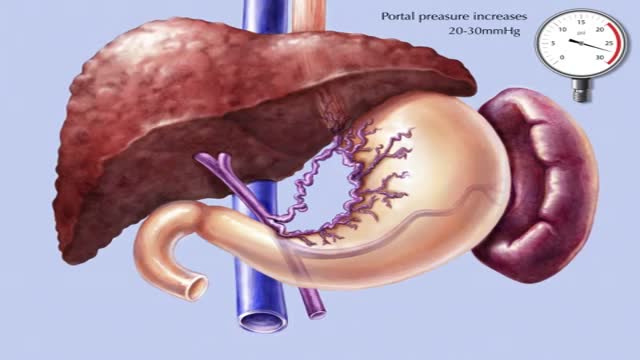
Transjugular intrahepatic portosystemic shunt or transjugular intrahepatic portosystemic stent shunting (commonly abbreviated as TIPS or TIPSS) is an artificial channel within the liver that establishes communication between the inflow portal vein and the outflow hepatic vein.
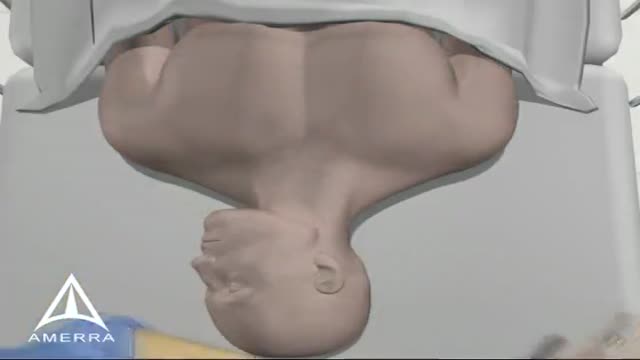
Central Line Placement 3D Animation

Whether you need to boost your energy or curb an afternoon craving, staying hydrated is made easy with these tips.

Postpartum endometritis refers to infection of the decidua (ie, pregnancy endometrium). The infection may also extend into the myometrium (called endomyometritis) or involve the parametrium (called parametritis).

It may be reassuring to know spotting or bleeding after sex is common and can come from the vagina, cervix, or urinary tract. It occurs most commonly in women 20 to 40 years old. Cervical Cancer: A very rare cause of spotting. ... Vaginal Dryness: Often caused by inadequate foreplay or vaginal lubrication.
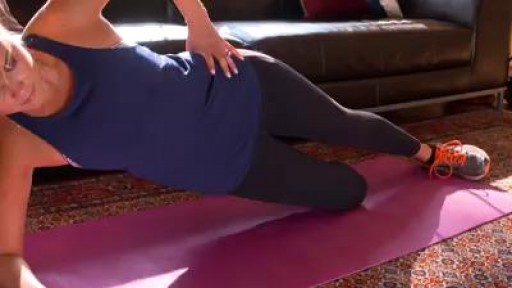
Master perfect plank form and you .ll strengthen your core in no time.


A blood transfusion is a routine medical procedure that can be lifesaving. During a blood transfusion, donated blood is added to your own blood. A blood transfusion may also be done to supplement various components of your blood with donated blood products. In some cases, a blood transfusion is done with blood that you've donated ahead of time before you undergo elective surgery. During a typical blood transfusion, certain parts of blood are delivered through an intravenous (IV) line that's placed in one of the veins in your arm. A blood transfusion usually takes one to four hours, though in an emergency it can be done much faster.
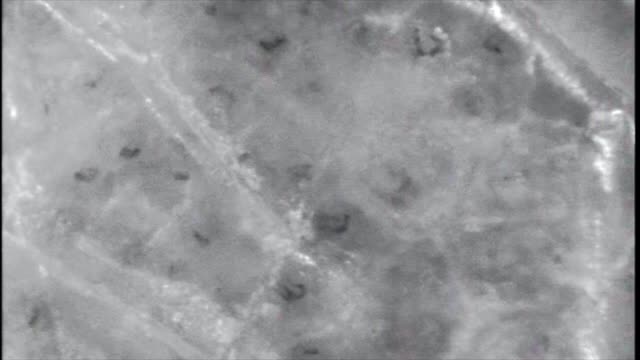
Evaluación de la microcirculación con SDF (Sidestream dark field) Microscan® como método de monitorización no invasiva en microcirugía.
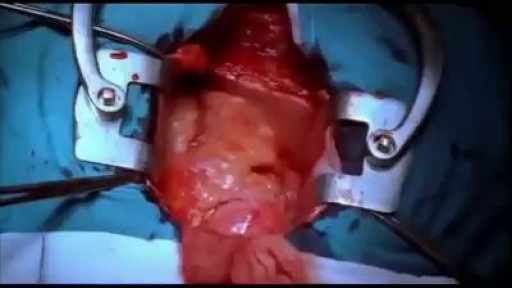
Beating Heart during surgery
Medical providers divide the spinal cord into four distinct regions. Knowing the region in which the injury is located is often the key to understanding diagnosis and treatment. The four spinal cord regions are: The cervical spinal cord: This is the topmost portion of the spinal cord, where the brain connects to the spinal cord, and the neck connects to the back. This region consists of eight vertebrae, commonly referred to as C1-C8. All spinal cord numbers are descending, so C1 is the highest vertebra, while C8 is the lowest in this region. The thoracic spinal cord: This section forms the middle of the spinal cord, containing twelve vertebrae numbered T1-T12. The lumbar spinal cord: This is a lower region of the spinal cord, where your spinal cord begins to bend. If you put your hand in your lower back, where your back bends inward, you're feeling your lumbar region. There are five lumbar vertebrae, numbered L1-L5.

Ringworm On Chin, Best Way To Treat Ringworm, How Do I Get Rid Of Ringworm, How To Stop Ringworm --- http://ringworm-cure.plus101.com ---- I'm going to share with you how to cure Ringworm in less than 3 days by using these proven methods that have worked for thousands of people around the world with Ringworm. Not only that, but these same methods work for children, as well as adults, and even pets. Whether you have athlete's foot or jock it, this will work for you, as those are both types of Ringworm. This fungal infection can be cured without drugs or medications. It's important to understand that. In fact, there are many home remedies for Ringworm that have worked for thousands of years for treating many ailments and skin conditions. Below I will list a few. First, understand there are 3 primary methods to cure Ringworm. You must do all 3 if you want to know how to cure Ringworm as fast as possible. Over the 5 years I've spent studying and learning about Ringworm, I've tried almost every treatment and home remedy available. I've found this to be the most effective and fastest way to cure Ringworm. 1) Treat the rash with home remedies and treatments. There are many home remedies for Ringworm available, as well as natural treatments, that are good for the skin and can promote healing rapidly. Not only do they get rid of the itchiness, pain or discomfort, but they also heal the rash and prevent it from coming back again. 2) Use bathing procedures. Bathing procedures are a powerful way to cure Ringworm, especially when you add home remedies and ingredients to the bath. This again, promotes healing, and helps get rid of all symptoms associated with Ringworm. 3) Consume the right foods and supplements. A proper diet is important to cure Ringworm. Treating Ringworm externally is not enough - you need to provide the body with what it needs to fight off the infection and boost the immune system, so you never have to worry about it again. Nutrition, hydration, rest, and supplementation are all equally important. Follow these 3 methods and you will be cured from Ringworm within days. If you sit and wait, and do nothing, it will only get worse and you will suffer much longer than you need to. To find out more on how to cure Ringworm in 3 days or less, check out the Fast Ringworm Cure e-book program that goes into all the ways to cure Ringworm fast, along with a list of home remedies and treatments that you can apply right away. William Oliver is a nutritionist, medical researcher, and author of the Fast Ringworm Cure e-book. To find out how to cure Ringworm in 3 days or less, click below: http://ringworm-cure.plus101.com

What Is A Body Wrap, Body Wraps Do They Work, Detoxifying Body Wrap, Best Body Wraps For Cellulite -- http://do-body-wraps-work.plus101.com -- Slimming body wraps firm, tighten and detoxify the skin as well as giving instant inch loss whilst removing toxins and from the body. Depending on your body type it is easy to lose up to 15 inches in sixty minutes! All you need to do is start your weight loss program, remain motivated and you will achieve your desired appearance and also reduce stretch marks and cellulite. Slimming body wrap helps achieve an inch loss in every session which can last for approximately 3 months provided you maintain a healthy lifestyle and your current weight. As opposed to other type of treatments body wrap don't need a lot of post treatment. A body wraps helps in detoxification of your body both externally and internally. It cleans blocked body tissues letting your body to firm up as well as aid in holding the newly well cut shape by the firmness body wrap. The slimming body wraps help in getting rid of toxins deposits through detoxification of tissues as well as restraining of lymphatic system. When preparing for a body wrap you should not moisturize, and you should drink plenty of water. During the process women are expected to be only in panties and bra or briefs in the case of men. You are then weighed and measured multiple areas of your body. A solution of citrus and amino nutrient is often applied on your skin to open up your pores. You are the comfortably but firmly wrapped in linen and elastic body wraps for at least half an hour. The main benefits of body wraps include detoxification, skin firming, slimming, body contouring, boosting metabolism, relaxation, redefining your skin texture and stimulating your lymphatic system. Typically spa or salon body wraps costs between 0 and 0 depending on your area, but you can make the same at home for pennies on the dollar! Home body wrap recipes are available at http://do-body-wraps-work.plus101.com
