
热门视频


your DNA Journey
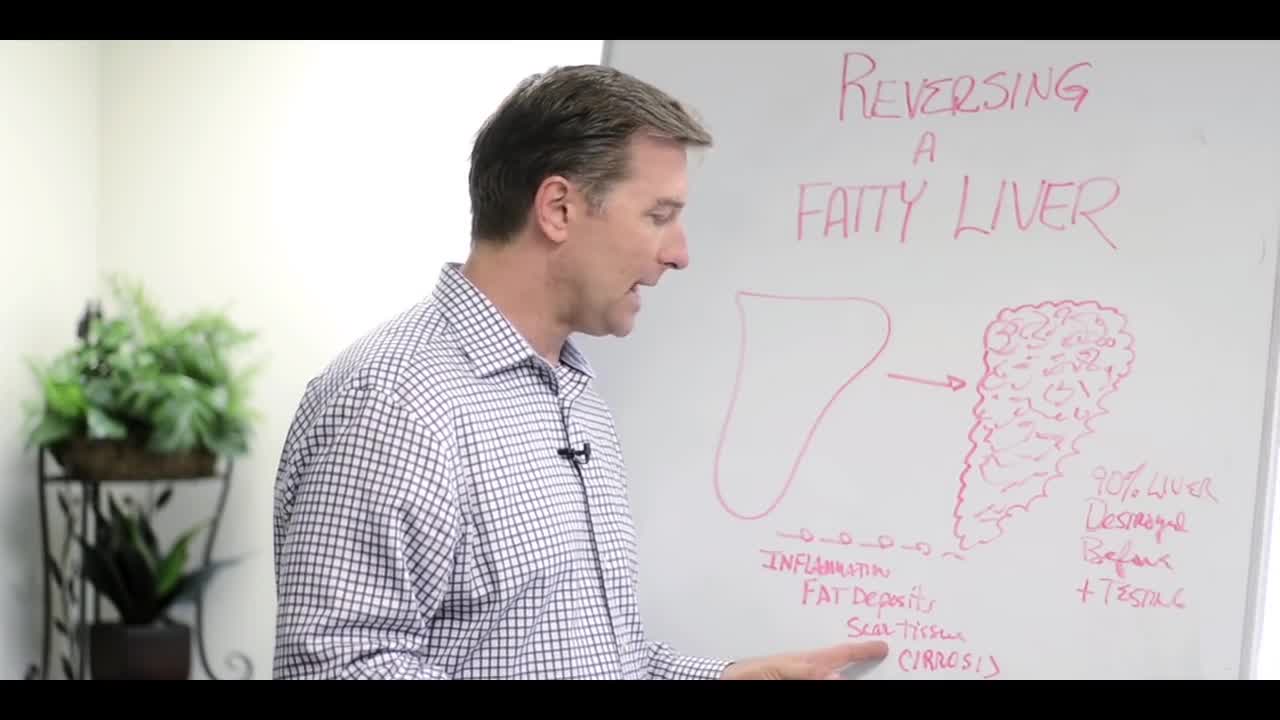
explains about fatty liver symptoms and fatty liver treatment. watch to learn more
Body Restoration Physiotherapy has successfully been serving the area of St. Albert and Edmonton for over 23 years. They offer services such as; vestibular rehabilitation, physiotherapy, registered massage therapy, acupuncture, radial shockwave therapy, and IMS therapy. Many individuals come to Body Restoration when in need of any physical therapy services.
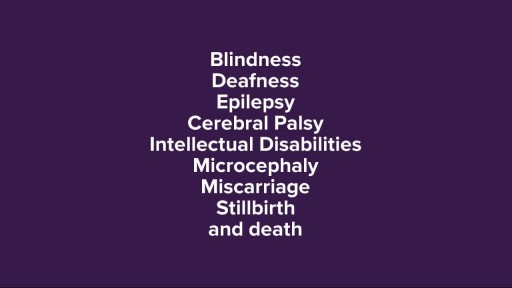
Cytomegalovirus is a genus of viruses in the order Herpesvirales, in the family Herpesviridae, in the subfamily Betaherpesvirinae. Humans and monkeys serve as natural hosts.
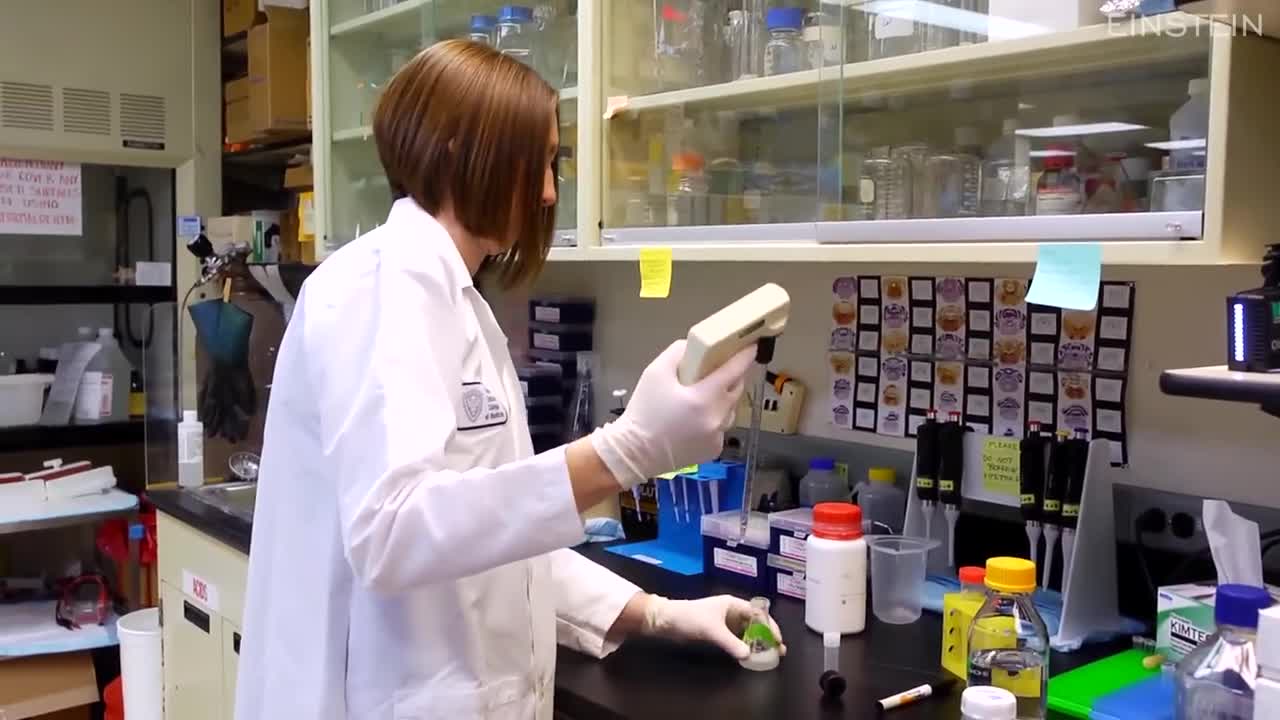
Niemann-Pick disease is a condition that affects many body systems. It has a wide range of symptoms that vary in severity. Niemann-Pick disease is divided into four main types: type A, type B, type C1, and type C2. These types are classified on the basis of genetic cause and the signs and symptoms of the condition. Infants with Niemann-Pick disease type A usually develop an enlarged liver and spleen (hepatosplenomegaly) by age 3 months and fail to gain weight and grow at the expected rate (failure to thrive). The affected children develop normally until around age 1 year when they experience a progressive loss of mental abilities and movement (psychomotor regression). Children with Niemann-Pick disease type A also develop widespread lung damage (interstitial lung disease) that can cause recurrent lung infections and eventually lead to respiratory failure. All affected children have an eye abnormality called a cherry-red spot, which can be identified with an eye examination. Children with Niemann-Pick disease type A generally do not survive past early childhood.
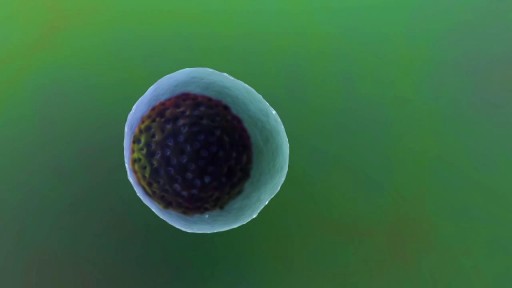
Myeloma is a cancer of the plasma cell, a type of white blood cell that is part of the immune system. This animation explains how a plasma cell can become cancerous and turn into a myeloma cell.

Top 10 Shocking Before And After Drug Use Photos
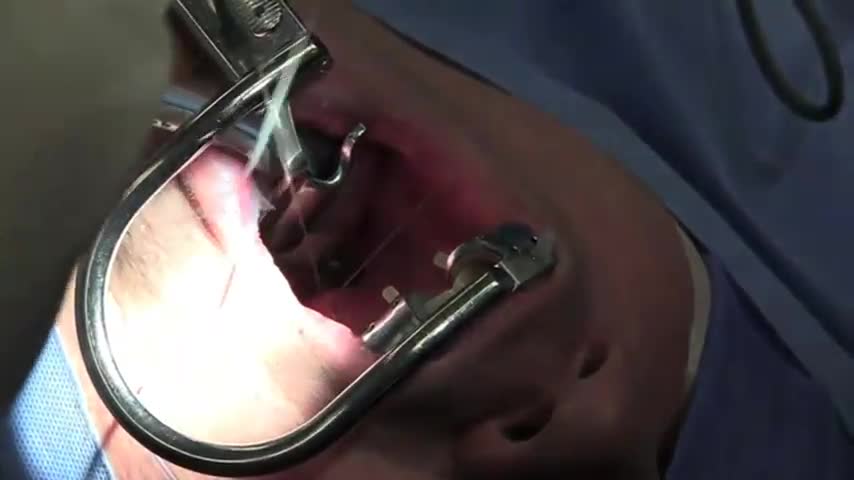
This procedure, and other types of soft palate surgery, targets the back of the roof of your mouth. It involves removing and repositioning excess tissue in the throat to make the airway wider. The surgeon can trim down your soft palate and uvula, remove your tonsils, and reposition some of the muscles of the soft palate. UPPP and other soft palate procedures are the most common type of surgery for sleep apnea. But UPPP alone is unlikely to cure moderate to severe sleep apnea. It may be combined with surgeries that target other sites in the upper airway.
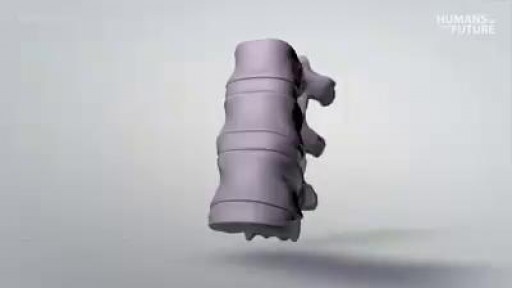
3D printing a titanium vertebrae
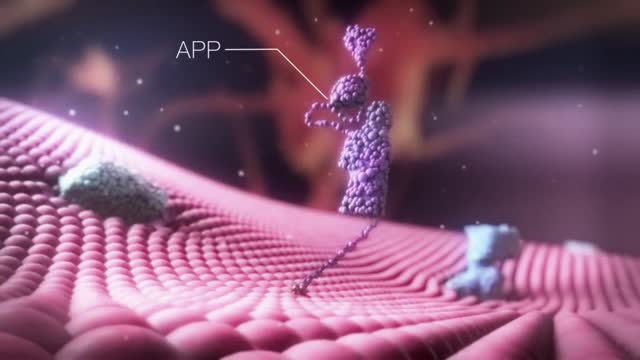
Alzheimer's is the most common form of dementia, a general term for memory loss and other intellectual abilities serious enough to interfere with daily life. Alzheimer's disease accounts for 60 to 80 percent of dementia cases. Alzheimer's is not a normal part of aging, although the greatest known risk factor is increasing age, and the majority of people with Alzheimer's are 65 and older. But Alzheimer's is not just a disease of old age. Up to 5 percent of people with the disease have early onset Alzheimer's (also known as younger-onset), which often appears when someone is in their 40s or 50s.
VID 20180317 WA0001
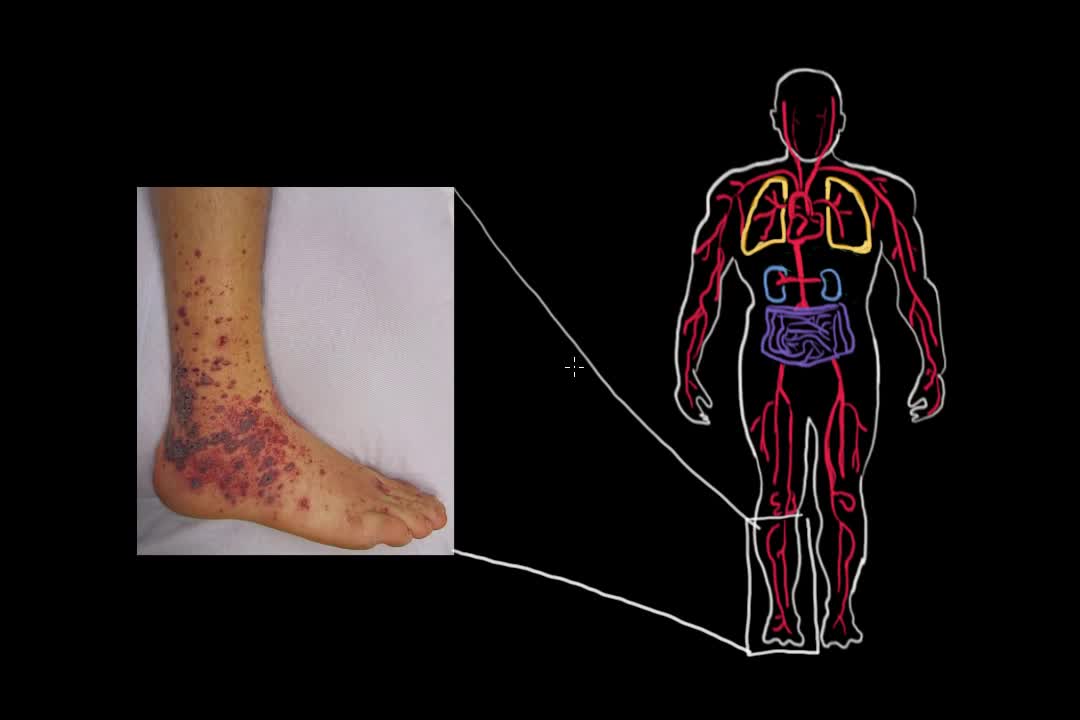
Temporal arteritis is a condition in which the temporal arteries, which supply blood to the head and brain, become inflamed or damaged. It is also known as cranial arteritis or giant cell arteritis. Although this condition usually occurs in the temporal arteries, it can occur in almost any medium to large artery in the body. The journal Arthritis & Rheumatology states that approximately 228,000 people in the United States are affected by temporal arteritis. According to the American College of Rheumatology, people over the age of 50 are more likely than younger people to develop the condition. Women are also more likely than men to have temporal arteritis. It is most prevalent in people of northern European or Scandinavian descent. Although the exact cause of the condition is unknown, it may be linked to the body’s autoimmune response. Also, excessive doses of antibiotics and certain severe infections have been linked to temporal arteritis. There’s no known prevention. However, once diagnosed, temporal arteritis can be treated to minimize complications.
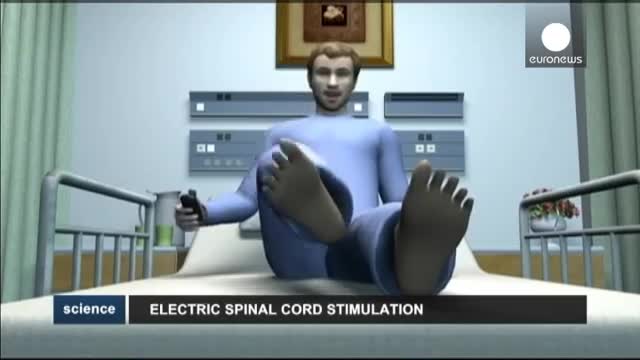
People whose back or neck pain has not been relieved by back surgery or other treatments may have another option to consider: spinal cord stimulation. Around the world, some 14,000 patients undergo spinal cord stimulator implants each year. Spinal cord stimulation (SCS) delivers mild electrical stimulation to nerves along the spinal column, modifying or blocking nerve activity in a non-medicinal way to minimize the sensation of pain reaching the brain.

Furosemide is a prescription drug. It’s available in two forms that you take by mouth: a tablet and a solution. It’s also available as an injectable solution, which is given by a healthcare provider. The furosemide tablet is available as the brand-name drug Lasix. It’s also available as a generic drug. Generic drugs usually cost less. In some cases, they may not be available in every strength or form as the brand-name version.
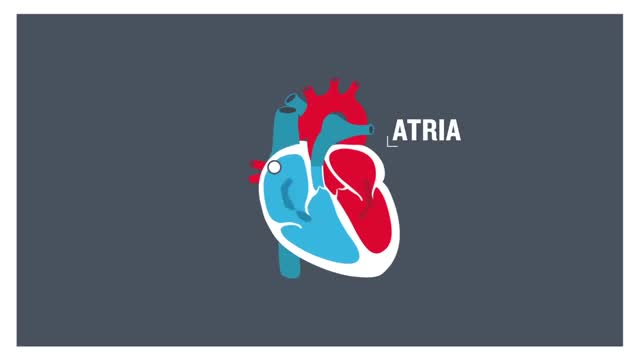
Atrial flutter (AFL) is a type of abnormal heart rate, or arrhythmia. It occurs when the upper chambers of your heart beat too fast. When the chambers in the top of your heart (atria) beat faster than the bottom ones (ventricles), it complicates your heart rhythm

An enlarged spleen may cause: No symptoms in some cases. Pain or fullness in the left upper abdomen that may spread to the left shoulder. Feeling full without eating or after eating only a small amount from the enlarged spleen pressing on your stomach. Anemia. Fatigue. Frequent infections. Easy bleeding.
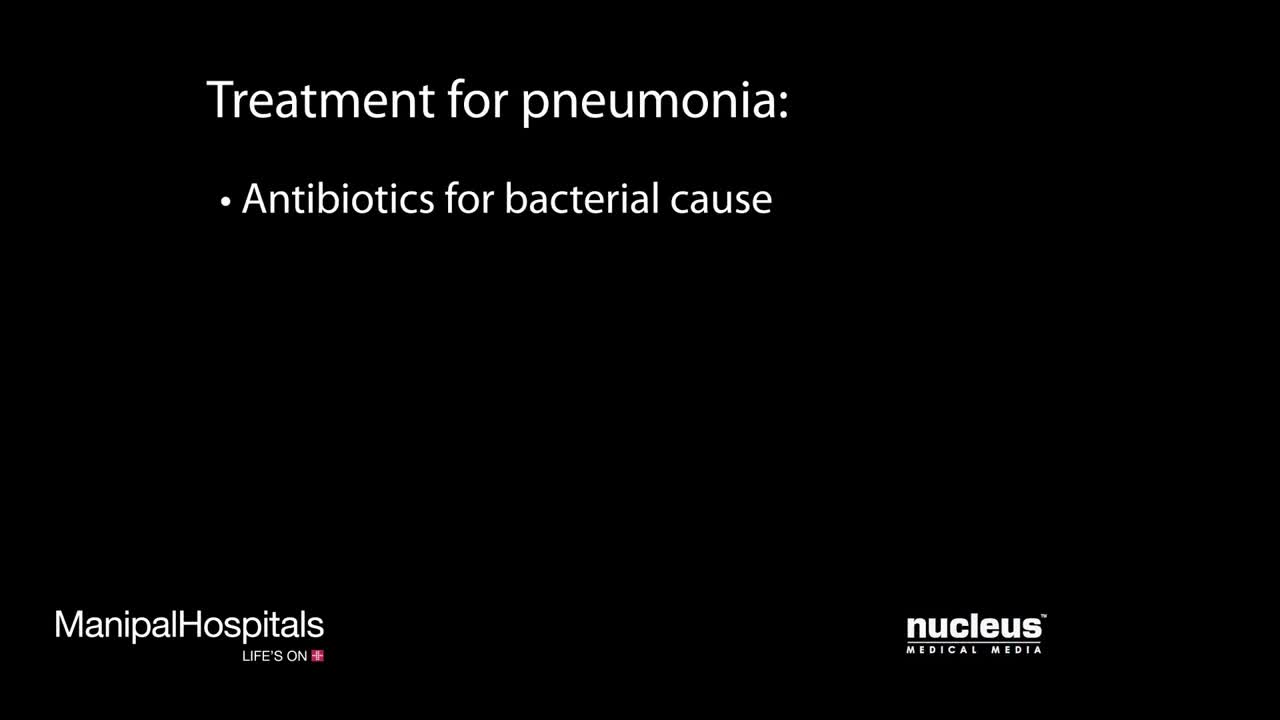
Pneumonia is an infection that inflames the air sacs in one or both lungs. The air sacs may fill with fluid or pus (purulent material), causing cough with phlegm or pus, fever, chills, and difficulty breathing. A variety of organisms, including bacteria, viruses and fungi, can cause pneumonia.

http://combatir-la-ansiedad.good-info.co/ --- Trastorno De Ansiedad Generalizada, Medicamentos Para La Ansiedad, Que Tomar Para La Ansiedad. Obteniendo el estado interior perfecto... ¿Listo para acceder a los métodos, los cuales te van a permitir decirle adios a las preocupaciones y a la ansiedad? Si quieres tener acceso a estos métodos exclusivos los cuales han ayudado a muchos a eliminar la ansiedad facilmente, tan solo entra aqui: http://combatir-la-ansiedad.good-info.co Muchas personas han comenzado a vivir tranquilamente siguiendo lo que aqui venimos a mostrarte. personas que tenian que medicarse para sentirse mejor y que no podian sanarse en absoluto. Lo mejor es que con estos métodos no es necesario que sepas mucho sobre ejercicios de relajación o meditación. ya que cualquiera podra ver una gran mejora en poco tiempo. curar tu ansiedad de forma definitiva y de forma natural. haciendo click aqui. http://combatir-la-ansiedad.good-info.co
