Top videos
laparoscopy for repair of rupture of urinary bladder
Hydatid Cyst Removal from the brain

Better Vein Care and Safer Injection
Surgical Notch
Follicle removal (Bascon's technique)
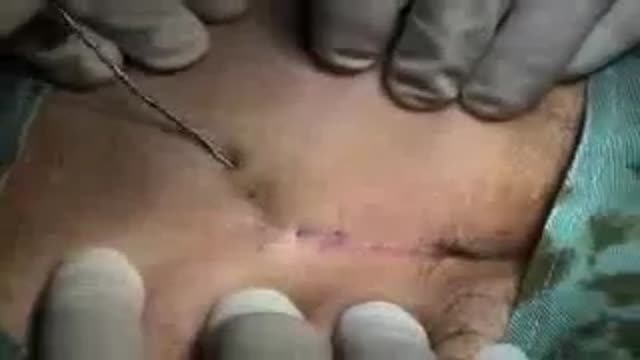
Pilonidal disease with lateral extension - Follicle removal (Bascon's technique)

Intradermal Injection

Tonsillitis 3D

Liposuction for weight loss with Abdominoplasty and Body Lifting
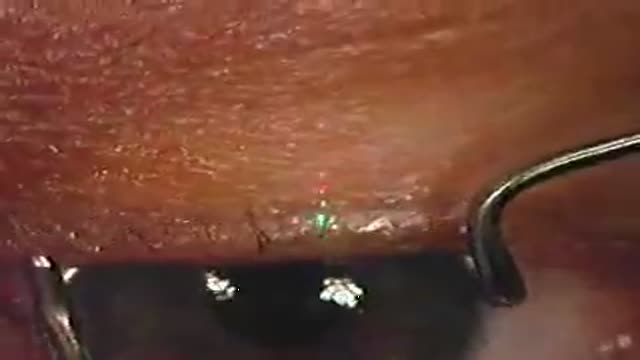
In PRK the epithelium (top layer of the cornea) is scraped off and then the laser treatment is applied. A contact lens is used as a "bandage" to decrease discomfort. The epithelium then grows back over the bare area during the next few days.
In LASEK the epithelium is exposed to 20% alcohol which helps separate epithelium from the cornea. The epithelium is pushed to one side and laser treatment applied. The epithelial layer is replaced back onto the eye and held in place with a contact lens. The contact lens is then removed a few days later. LASEK is hence a "no knife"/flap operation.
Epi-Lasik is a similar procedure that uses a keratome like that used for Lasik, but engineered to only separate the epithelium. The epithelium is left on a hinge, laser treatment applied and flap replaced.
Harper University Hospital has been accredited as a Bariatric Center of Excellence by the American Society of Bariatric Surgeons. By employing laparoscopy, this bariatric procedure is minimally invasive and results in quicker recovery time, as well as less scarring. ~ Detroit Medical Center
About 15 minutes of vibration produces similar results to an hour of conventional resistance therapy, and produces less stress on joints, ligaments and tendons. ~ Detroit Medical Center
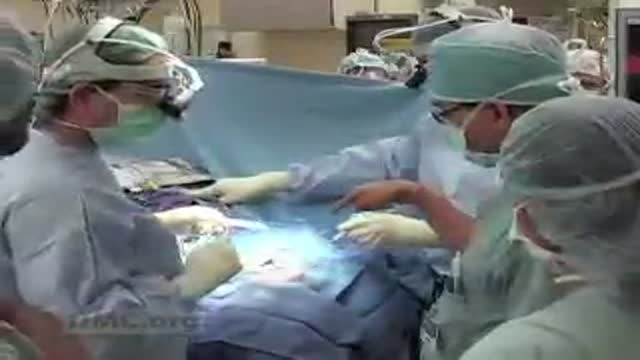
DMC Neurosurgeon Sandeep Mittal maps the brain and performs delicate surgery to remove epileptic tissue, and stop a patient's seizures. ~ Detroit Medical Center
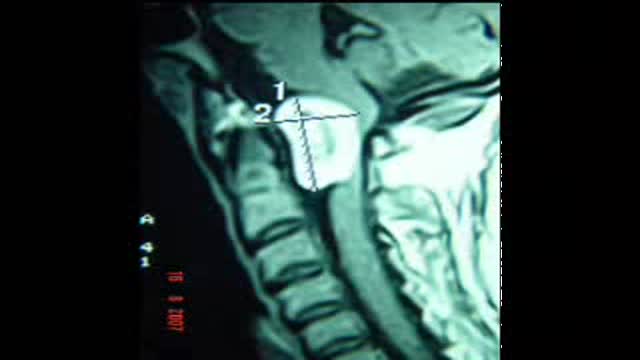
Foramen Magnum Neurofibroma Complete surgical removal.No Deficit
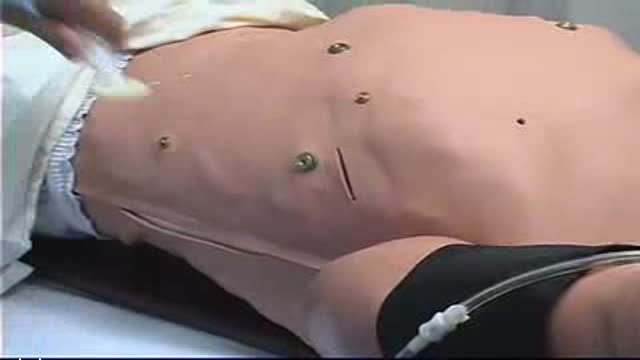
Chest Tube Placement
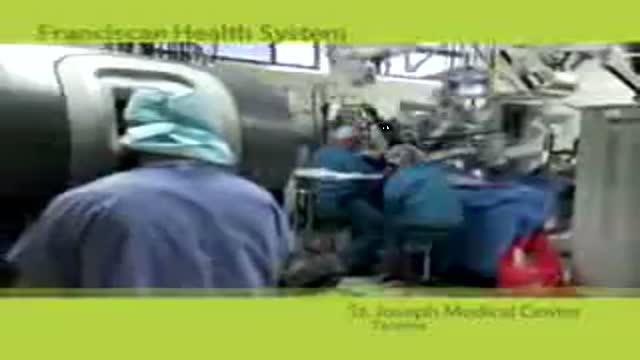
The Da Vinci Surgical System Robot has benefits for the patient undergoing mitral valve repair and the surgeon performing the procedure. Cardiothoracic Surgeon Thomas Molloy, MD, of St. Joseph Medical Center in Tacoma, WA explains.
In this podcast, CDC's Dr. Barbara Reynolds discusses best practices in crisis and emergency risk communication. She characterizes the initial phase of the crisis communication lifecycle and describes the five most common mistakes made in emergency communication to the public and how to counter them.
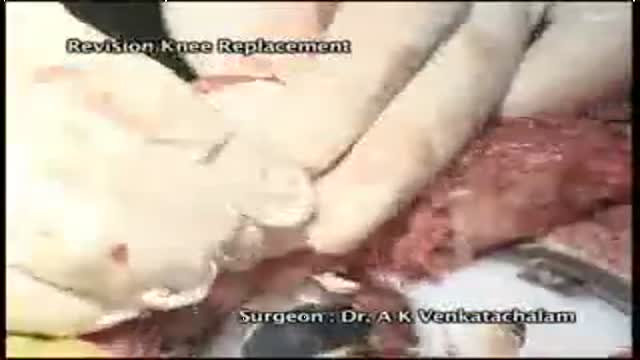
The revision knee operation with real implants is completed and the wound is closed.
Anterior Cruciate Ligament Reconstruction
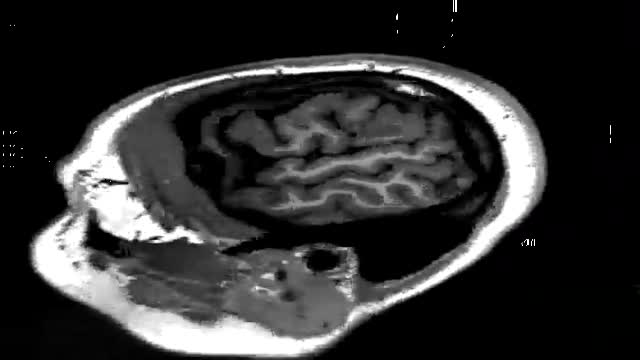
An animated video showing an MRI of the brain