
- Physical Examination
- Surgical Examination
- Ophthalmology
- Clinical Skills
- Orthopedics
- Surgery Videos
- Laparoscopy
- Pediatrics
- Funny Videos
- Cardiothoracic Surgery
- Nursing Videos
- Plastic Surgery
- Otorhinolaryngology
- Histology and Histopathology
- Neurosurgery
- Dermatology
- Pediatric Surgery
- Urology
- Dentistry
- Oncology and Cancers
- Anatomy Videos
- Health and Fitness
- Radiology
- Anaesthesia
- Physical Therapy
- Pharmacology
- Interventional Radiology
- Cardiology
- Endocrinology
- Gynecology
- Emergency Medicine
- Psychiatry and Psychology
- Childbirth Videos
- General Medical Videos
- Nephrology
- Physiology
- Diet and Food Health
- Diabetes Mellitus
- Neurology
- Women Health
- Osteoporosis
- Gastroenterology
- Pulmonology
- Hematology
- Rheumatology
- Toxicology
- Nuclear Medicine
- Infectious Diseases
- Vascular Disease
- Reproductive Health
- Burns and Wound Healing
- Other
Top videos
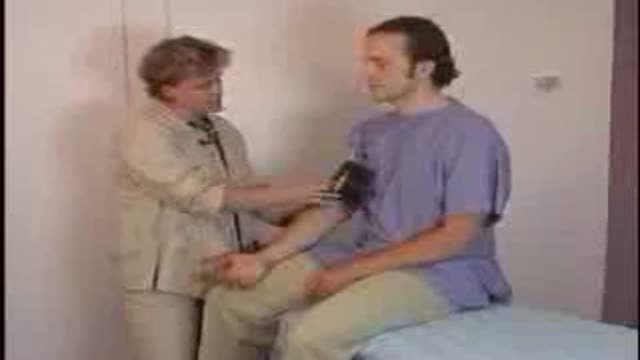

How to measure blood pressure
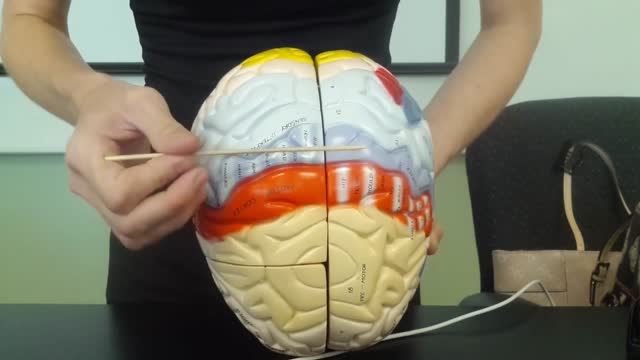
The brain is that part of the CNS contained within the cranial cavity (figure 13.1). It is the control center for many of the body's functions. The brain is much like a complex central computer but with additional functions that no computer can as yet match. Indeed, one goal in computer technology is to make computers that can function more like the human brain. The brain consists of the brainstem, the cerebellum, the diencephalon, and the cerebrum (table 13.1). The brainstem includes the medulla oblongata, pons, midbrain, and reticular formation. The structure of the brain is described in this chapter. Its functions are primarily discussed in chapter 14. Twelve pairs of cranial nerves, which are part of the PNS, arise directly from the brain. Two pairs arise from the cerebrum, nine pairs arise from the brainstem, and one pair arises from the spinal cord.

the technique of insertion of a tube into the pericardial sac to remove fluid or blood, improving cardiac function
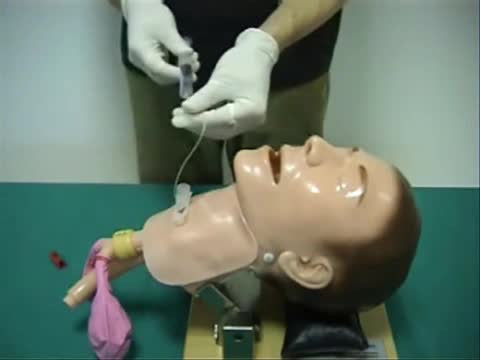
A video demonstrating the proper insertion of the Quicktrach emergency cricothyrotomy device.
Surgical procedure of Tonsillectomy and Adenoidectomy
Masturbating is totally healthy, and totally normal. There are tons of myths out there meant to scare you into thinking masturbation is wrong or bad. But the truth is masturbation is perfectly safe. Masturbating won't make you blind, crazy, or stupid. It won’t damage your genitals, cause pimples, or stunt your growth. It doesn’t use up all your orgasms or ruin other kinds of sex. In fact, masturbation can actually be good for you. Here are some benefits of masturbation: Masturbation is safer than any other type of sex. You can’t get pregnant or get any sexually transmitted infections from masturbating. Masturbation can help you learn what you like and don’t like sexually. And if you decide to have sex with someone, you can know what you do/don’t want to do. BONUS: getting comfortable talking about sex and your body with your partner makes it easier to talk about protecting yourself against STDs and pregnancy, too. Exploring your body and learning how to give yourself sexual pleasure can be empowering and help improve your body image. Masturbation can lower stress and help you relax. It even helps some people fall asleep. Having an orgasm releases endorphins — feel good chemicals in your brain. Orgasms can be a natural painkiller and can even help with period cramps. Mutual masturbation (masturbating with a partner) is a really safe way to have sex and let the other person know what feels good to you. If you share a sex toy, use condoms on the toy and clean it before swapping. And if you touch each other’s genitals, wash your hands before touching your own. Can I get an STD from masturbating? Nope. Masturbating is the safest sexual activity out there. There is virtually NO chance of getting an STD or any other infection from touching your own genitals (and there’s also no chance of pregnancy). STDs have to be passed from one person to another, so you can’t give yourself an STD. The one exception to this is herpes - so if you have any cold sores on your mouth and touch them, make sure to wash your hands before masturbating. But it IS possible to get an STD if you’re masturbating with another person and touching each other’s genitals. Anytime semen (cum) or vaginal fluids are spread to someone else’s body, or your genitals rub against each other, there’s a risk of STDs. So if you touch each other’s genitals, wash your hands before touching your own. STDs can also be spread by sharing sex toys with another person. You can help protect yourself by using condoms on any toys that you share (even if they’re not shaped like a penis). Put a new condom on anytime a different person uses it. If you’re the only one using your sex toys, you don’t have to worry about STDs. But if you use them with other people, protect those sex toys just like you’d protect your own genitals — put a condom on ‘em! It’s possible for masturbation to cause irritation or infections if your body is sensitive to the way you masturbate or the things you masturbate with — but this isn’t the same thing as an STD. Lotions, Vaseline, oils, and scented or flavored stuff may irritate your vulva and vagina. Masturbating roughly and not using lubrication can also lead to irritation because of friction. And germs from the anus can cause vaginal infections — so never put something in your vagina that’s been in your butt without washing it or covering it with a condom. If you’re worried that you have an STD because of pain, itching, or discomfort in your genitals, go to your doctor or your local Planned Parenthood health center.
Duhamel's Operation for Chagasic Megacolon
A video showing the Vasa Previa which is an abnormality of the placenta
Cosmetic facial plastic surgery is surgery performed to enhance visual appearance of the facial structures and features. Common procedures include facelifts, eye lifts, rhinoplasty, chin and cheek implants, liposuction, and procedures to correct facial wrinkles.
Examination of lumbar spines
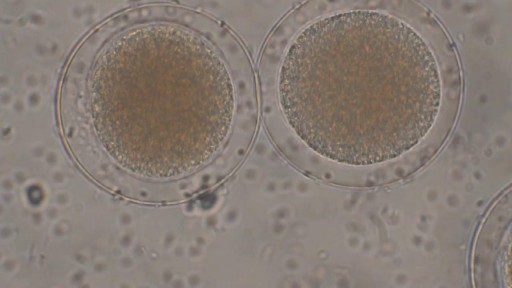
Sperm Meets Egg: Weeks 1 to 3 of Pregnancy. Something magical is about to happen! Watch as the ovulation process occurs, and then millions of sperm swim upstream on a quest to fertilize an egg. Your due date is calculated from the first day of your last menstrual period
FULL Shoulder Exam by University of Winsconsin
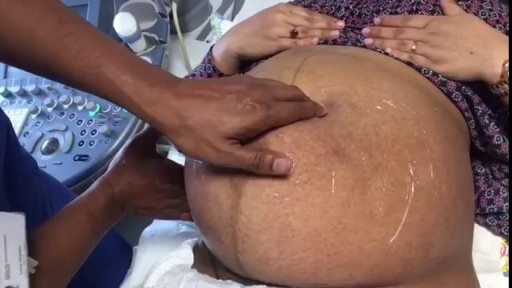
External cephalic version is a process by which a breech baby can sometimes be turned from buttocks or foot first to head first. External cephalic version (ECV) is a manual procedure that is advocated by national guidelines for breech presentation singleton pregnancy, in order to enable vaginal delivery.
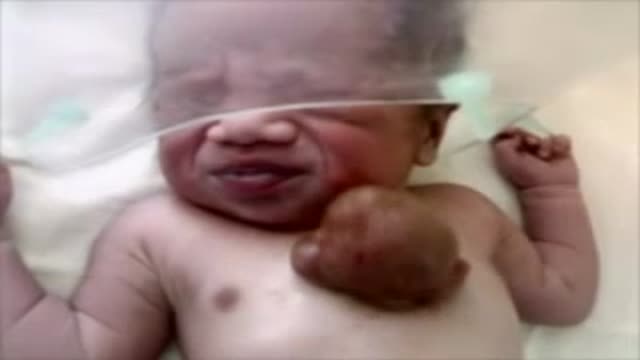
The baby suffered from ectopia cordis, a rare condition where a baby's heart is located either partially or totally outside the chest. Only 8 out of 1 million babies are born with the condition, and 90 percent of those babies are either stillborn or die within the first three days of life.
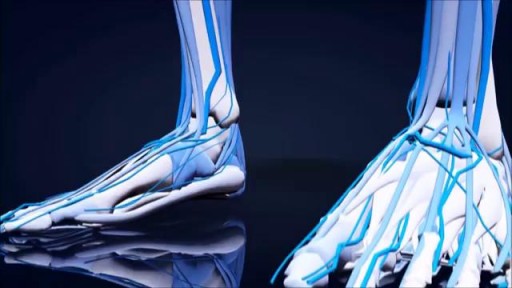
Tongue Lipoma Removal

What is Esophageal Dilation?
Esophageal dilation is a procedure that allows your doctor to dilate, or stretch, a narrowed area of your esophagus [swallowing tube]. Doctors can use various techniques for this procedure. Your doctor might perform the procedure as part of a sedated endoscopy. Alternatively, your doctor might apply a local anesthetic spray to the back of your throat and then pass a weighted dilator through your mouth and into your esophagus.
Why is it Done?
The most common cause of narrowing of the esophagus, or stricture, is scarring of the esophagus from reflux of acid occurring in patients with heartburn. Patients with a narrowed portion of the esophagus often have trouble swallowing; food feels like it is "stuck" in the chest region, causing discomfort or pain. Less common causes of esophageal narrowing are webs or rings (which are thin layers of excess tissue), cancer of the esophagus, scarring after radiation treatment or a disorder of the way the esophagus moves [motility disorder].
How Should I Prepare for the Procedure?
An empty stomach allows for the best and safest examination, so you should have nothing to drink, including water, for at least six hours before the examination. Your doctor will tell you when to start fasting.
Tell your doctor in advance about any medications you take, particularly aspirin products or anticoagulants (blood thinners). Most medications can be continued as usual, but you might need to adjust your usual dose before the examination. Your doctor will give you specific guidance. Tell your doctor if you have any allergies to medications as well as medical conditions such as heart or lung disease. Also, tell your doctor if you require antibiotics prior to dental procedures, because you might need antibiotics prior to esophageal dilation as well.
What Can I Expect during Esophageal Dilation?
Your doctor might perform esophageal dilation with sedation along with an upper endoscopy. Your doctor may spray your throat with a local anesthetic spray, and then give you sedatives to help you relax. Your doctor then will pass the endoscope through your mouth and into the esophagus, stomach and duodenum. The endoscope does not interfere with your breathing. At this point your doctor will determine whether to use a dilating balloon or plastic dilators over a guiding wire to stretch your esophagus. You might experience mild pressure in the back of your throat or in your chest during the procedure. Alternatively, your doctor might start by spraying your throat with a local anesthetic. Your doctor will then pass a tapered dilating instrument through your mouth and guide it into the esophagus.
What Can I Expect after Esophageal Dilation?
After the dilation is done, you will probably be observed for a short period of time and then allowed to return to your normal activities. You may resume drinking when the anesthetic no longer causes numbness to your throat, unless your doctor instructs you otherwise. Most patients experience no symptoms after this procedure and can resume eating the next day, but you might experience a mild sore throat for the remainder of the day.
If you received sedatives, you probably will be monitored in a recovery area until you are ready to leave. You will not be allowed to drive after the procedure even though you might not feel tired. You should arrange for someone to accompany you home, because the sedatives might affect your judgment and reflexes for the rest of the day.
What are the Potential Complications of Esophageal Dilation?
Although complications can occur even when the procedure is performed correctly, they are rare when performed by doctors who are specially trained. A perforation, or hole, of the esophagus lining occurs in a small percentage of cases and may require surgery. A tear of the esophagus lining may occur and bleeding may result. Complications from heart or lung diseases are potential risks
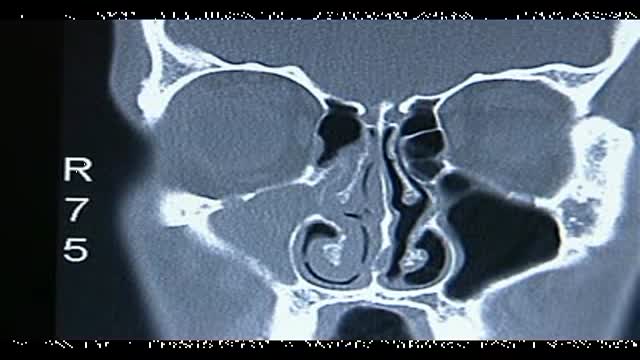
The endoscopic removal of a large intramaxillary sinus cyst which contained serous like fluid and many shiny flat white cholesterol crystals.
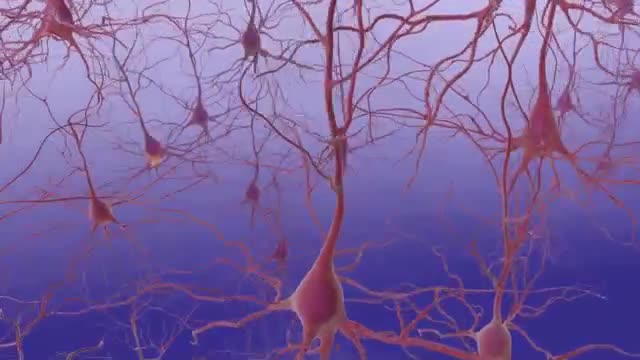
Alzheimer's worsens over time. Alzheimer's is a progressive disease, where dementia symptoms gradually worsen over a number of years. In its early stages, memory loss is mild, but with late-stage Alzheimer's, individuals lose the ability to carry on a conversation and respond to their environment. Alzheimer's is the sixth leading cause of death in the United States. Those with Alzheimer's live an average of eight years after their symptoms become noticeable to others, but survival can range from four to 20 years, depending on age and other health conditions. Alzheimer's has no current cure, but treatments for symptoms are available and research continues. Although current Alzheimer's treatments cannot stop Alzheimer's from progressing, they can temporarily slow the worsening of dementia symptoms and improve quality of life for those with Alzheimer's and their caregivers. Today, there is a worldwide effort under way to find better ways to treat the disease, delay its onset, and prevent it from developing. Alzheimer's has no current cure, but treatments for symptoms are available and research continues. Although current Alzheimer's treatments cannot stop Alzheimer's from progressing, they can temporarily slow the worsening of dementia symptoms and improve quality of life for those with Alzheimer's and their caregivers. Today, there is a worldwide effort under way to find better ways to treat the disease, delay its onset, and prevent it from developing.
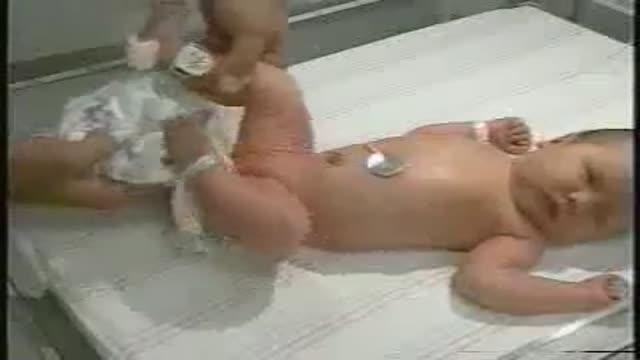
A video from Loyola medical school, Chicago showing full neonatal medical examination
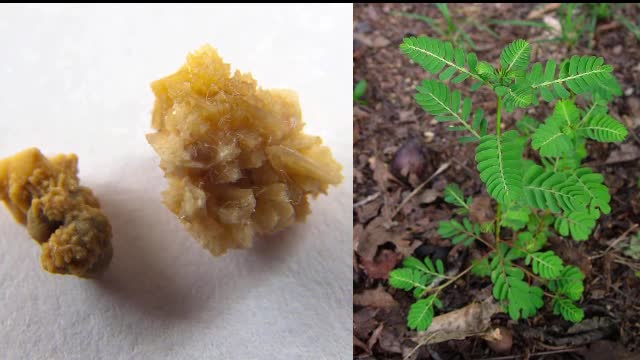
http://dissolve-kidney-stones-fast.good-info.co/ How To Dissolve Kidney Stone Naturally In Home, Herbs For Kidney Stones, Dissolve Kidney Stones. For thousands of years Amazonian Rainforest tribes have been using the Chanca Piedra plants liquid extract herbs to dissolve kidney stones and gallstones. I found out about this incredible plant, phyllanthus niruri, because I use to suffer from kidney stones. Just like you, I have been in the ER for kidney stones suffering incredible kidney pain. I eventually had to have surgery for relief & removal of the stone. It was a horrendous experience and at that point I knew I had to figure out a way to avoid having another kidney stone in my life! I started doing research and found out the Amazon Rainforest had the remedy! The next time I got kidney stone symptoms I quickly started taking Chanca Piedra tincture drops and it dissolved the stone and I passed it easily. My new mission was to help others suffering from stones. Mine were calcium oxalate, perhaps yours are the same type or uric acid, struvite or cystine. You want the most powerful kidney stone treatment available today and our Kidney Stone Crusher is that product. Make no mistake, if you suffer from stones you need this stone breaker and dissolver passing product! It shrinks and dissolves your stones naturally. No more ER visits, no more painful surgeries, expensive medicine, and no more stents! The added benefit of using our Kidney Stone Crusher is that you will cleanse your liver and kidneys at the same time giving you better digestion, regulate your hormones and purify your blood. Increases urination which is a must for passing stones & cleansing. Our product is all organic, natural and sustainably wildcrafted from the Rainforest in Peru. Works on animals as well, dogs, cats, even alpacas! Click the Buy Button now and get started dissolving your stones. http://dissolve-kidney-stones-fast.good-info.co/
