
- Physical Examination
- Surgical Examination
- Ophthalmology
- Clinical Skills
- Orthopedics
- Surgery Videos
- Laparoscopy
- Pediatrics
- Funny Videos
- Cardiothoracic Surgery
- Nursing Videos
- Plastic Surgery
- Otorhinolaryngology
- Histology and Histopathology
- Neurosurgery
- Dermatology
- Pediatric Surgery
- Urology
- Dentistry
- Oncology and Cancers
- Anatomy Videos
- Health and Fitness
- Radiology
- Anaesthesia
- Physical Therapy
- Pharmacology
- Interventional Radiology
- Cardiology
- Endocrinology
- Gynecology
- Emergency Medicine
- Psychiatry and Psychology
- Childbirth Videos
- General Medical Videos
- Nephrology
- Physiology
- Diet and Food Health
- Diabetes Mellitus
- Neurology
- Women Health
- Osteoporosis
- Gastroenterology
- Pulmonology
- Hematology
- Rheumatology
- Toxicology
- Nuclear Medicine
- Infectious Diseases
- Vascular Disease
- Reproductive Health
- Burns and Wound Healing
- Kidney Zone Podcast
- Other
Top videos


Hear what course directors Drs. T. Sloane Guy, Joseph A. Dearani, and Husam H. Balkhy have to say about the STS Workshop on Robotic Cardiac Surgery: Hands-on Team Training in Robotic Mitral Valve Repair, Coronary Bypass & More, including program highlights, who should attend, and what to expect on March 29-30, 2019. Visit http://www.sts.org/roboticcardiac to view the agenda and register.
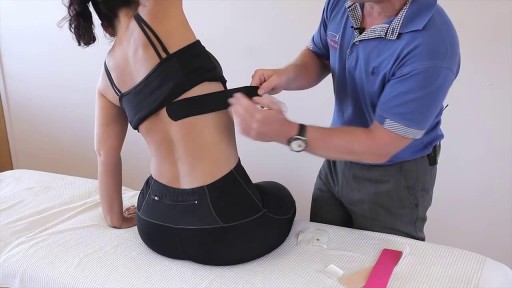
this video he is demonstrating how to apply Kinesiology Tape for a patient that presents with rib or intercostal pain
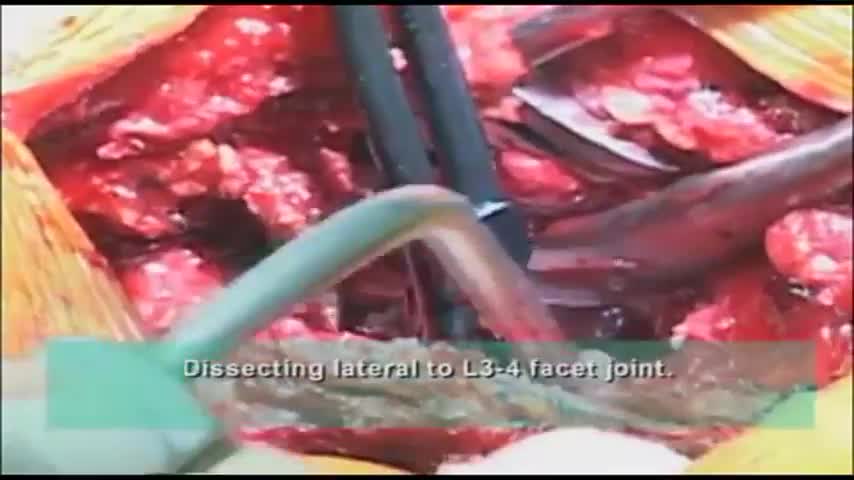
Surgeon performs a dissection of the transverse process during spine surgery, explaining the benefits of including the AQUAMANTYS System from Salient Surgical Technologies during the procedure. The AQUAMANTYS System uses Salient's patented TRANSCOLLATION technology, which has been clinically shown to reduce blood loss and lower blood transfusion rates when used during surgery.
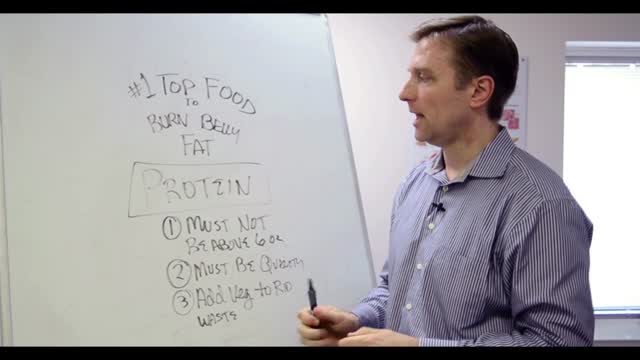
Overweight does not necessarily equal unhealthy. There are actually plenty of overweight people who are in excellent health (1). Conversely, many normal weight people have the metabolic problems associated with obesity (2). That’s because the fat under the skin is actually not that big of a problem (at least not from a health standpoint, it’s more of a cosmetic problem). It’s the fat in the abdominal cavity, the belly fat, that causes the biggest issues (3). If you have a lot of excess fat around your waistline, even if you’re not very heavy, then you should take some steps to get rid of it. Belly fat is usually estimated by measuring the circumference around your waist. This can easily be done at home with a simple tape measure. Anything above 40 inches (102 cm) in men and 35 inches (88 cm) in women, is known as abdominal obesity. There are actually a few proven strategies that have been shown to target the fat in the belly area more than other areas of the body.

Acne is a skin disease that involves the oil glands at the base of hair follicles. Acne is not dangerous, but can leave skin scars. Types of pimples include whiteheads, blackheads, papules, pustules, nobules, cysts. ... Treatment for acne may depend on how severe and persistent .

Warning: This video contains actual surgical footage, which may not be suitable for all viewers.
To learn more about coronary artery bypass surgery, please visit http://cle.clinic/3b7dqpE
Cardiothoracic surgeon Faisal Bakaeen, MD, discusses how he does single and bilateral internal mammary arteries, and the benefits of doing this type of coronary artery bypass.
If you liked the video hit like and subscribe for more!
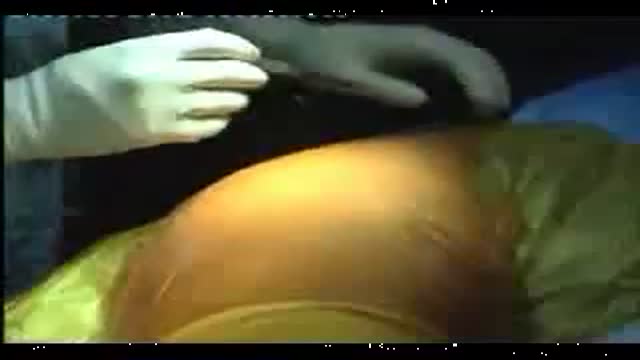
Dr.Vijay C. Bose from Apollo Speciality Hospital chennai perform Birmingham Hip Resurfacing Surgery procedure for a case of Avascular necrosis.The NCP ( Neck Capsule Preserving) approach is being used. Total hip replacement, hip resurfacing simply shaves and caps a few centimeters of bone within the joint. The bone-conserving approach of the Birmingham Hip Resurfacing System.

MRI of Fetal Brain Development
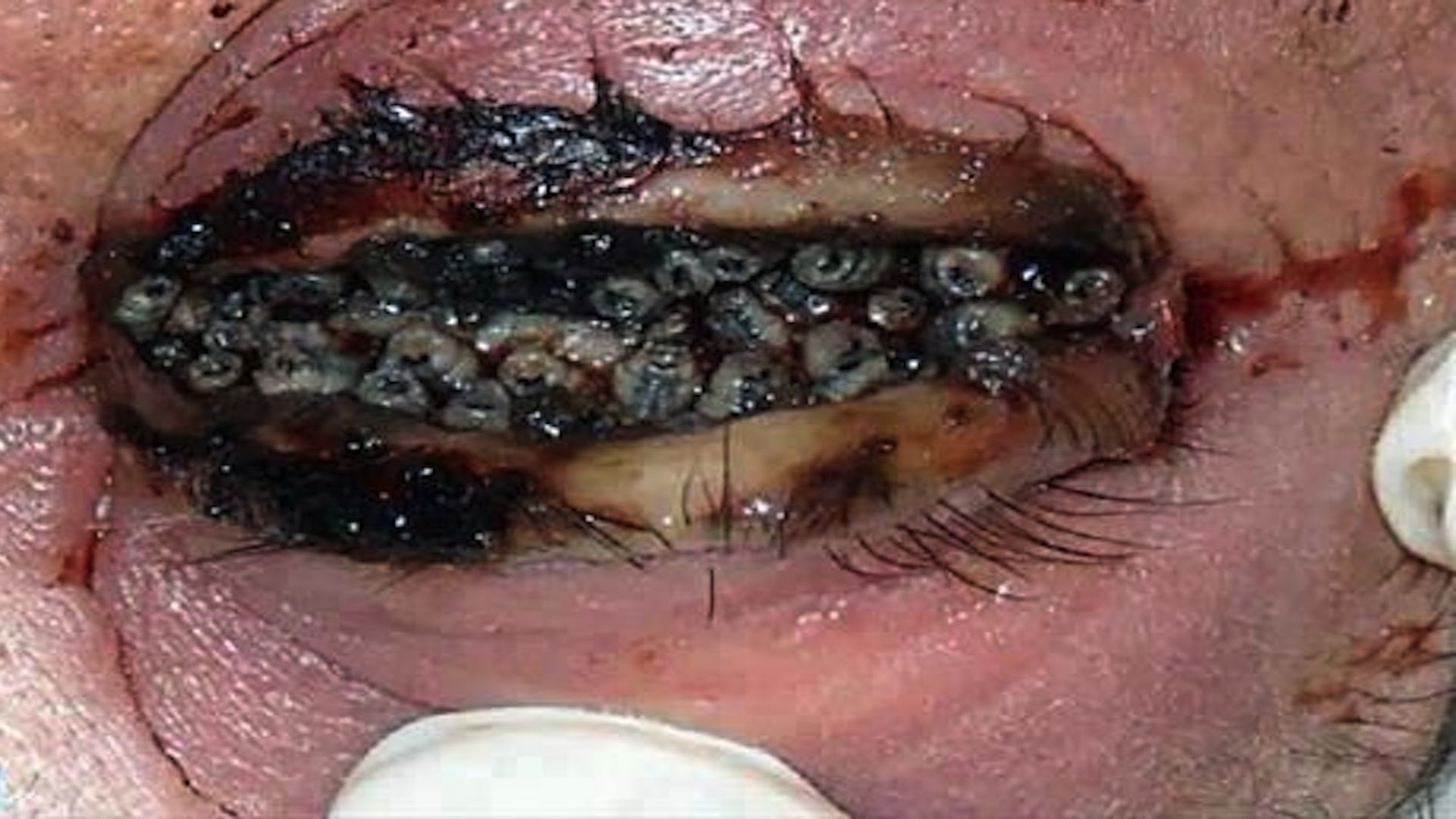
Watch that video of The World's Most Invasive Parasites
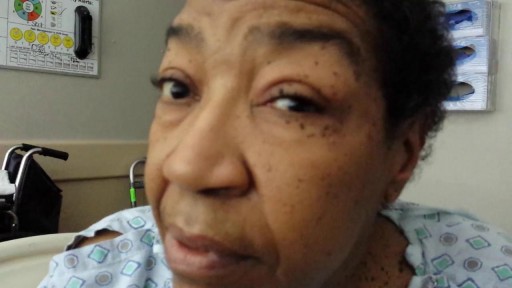
Central vestibular nystagmus results from stimulation, injury, disease of the central vestibular pathways of the brainstem or the cerebellum, or lesion of the vestibular nuclei. It is typically a jerk nystagmus, which can be purely horizontal, vertical or torsional.
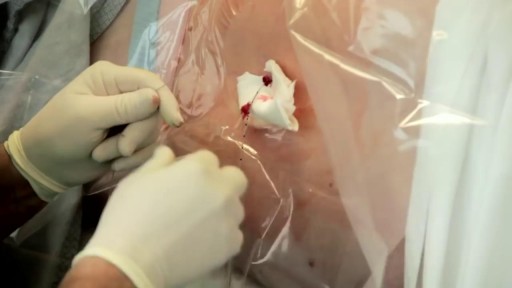
If you’re considering an epidural to help manage the pain of childbirth, you’re not alone. More than 60 percent of women delivering at hospitals elect for an epidural during labor. And with good reason: An epidural is considered one of the safest methods of pain control, with just one in 3,000 pregnancies experiencing serious complications. It’s also good for you, since you’ll remain awake and alert during the birth, as well as for your baby, since the drugs will barely reach your bloodstream (so they can’t get into hers).

Breast abscesses are often linked to mastitis – a condition that causes breast pain and swelling (inflammation), and usually affects women who are breastfeeding. Infections can occur during breastfeeding if bacteria enter your breast tissue, or if the milk ducts (tiny tubes) become blocked. This can cause mastitis which, if not treated, can result in an abscess forming. Women who aren't breastfeeding can also develop mastitis if bacteria enter the milk ducts through a sore or cracked nipple, or a nipple piercing. White blood cells are sent to attack the infection, which causes tissue at the site of the infection to die. This creates a small, hollow area that fills with pus (an abscess).
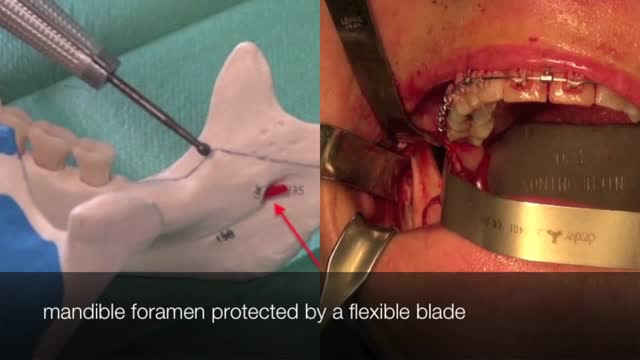
The bilateral sagittal split osteotomy is an indispensable tool in the correction of dentofacial abnormalities. The technique has been in practice since the late 1800s, but did not reach widespread acceptance and use until several modifications were described in the 1960s and 1970s. Those modifications came from a desire to make the procedure safer, more reliable, and more predictable with less relapse. Those goals continue to stimulate innovation in the field today and have helped the procedure evolve to be a very dependable, consistent method of correction of many types of malocclusion. The operative surgeon should be well versed in the history, anatomy, technical aspects, and complications of the bilateral sagittal split osteotomy to fully understand the procedure and to counsel the patient.
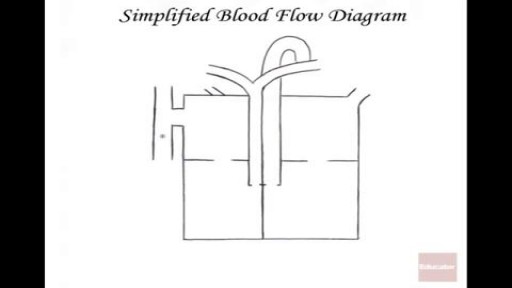
The heart itself is made up of 4 chambers, 2 atria and 2 ventricles. De-oxygenated blood returns to the right side of the heart via the venous circulation. It is pumped into the right ventricle and then to the lungs where carbon dioxide is released and oxygen is absorbed. The oxygenated blood then travels back to the left side of the heart into the left atria, then into the left ventricle from where it is pumped into the aorta and arterial circulation.
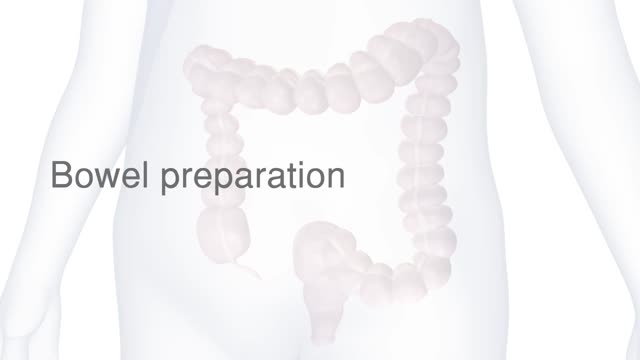
The camera sends images to an external monitor so the doctor can study the inside of your colon. The doctor can also insert instruments through the channel to take tissue samples (biopsies) or remove polyps or other areas of abnormal tissue. A colonoscopy typically takes about 20 minutes to an hour.

No condom prevents pregnancy or sexually transmitted diseases (STDs) 100% of the time. But if you and your partner are having sex, nothing protects against STDs better than a properly used condom. For those having sex, condoms must always be used to protect against STDs even when using another method of birth control.
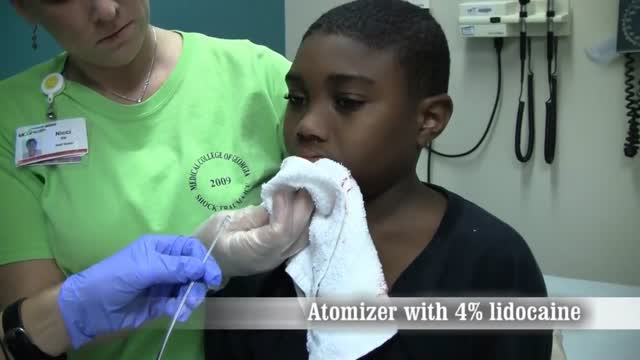
Nosebleeds common. Most often they are a nuisance and not a true medical problem. But they can be both. Nosebleed care Sit upright and lean forward. By remaining upright, you reduce blood pressure in the veins of your nose. This discourages further bleeding. Sitting forward will help you avoid swallowing blood, which can irritate your stomach. Pinch your nose. Use your thumb and index finger to pinch your nostrils shut. Breathe through your mouth. Continue to pinch for five to 10 minutes. Pinching sends pressure to the bleeding point on the nasal septum and often stops the flow of blood. To prevent re-bleeding, don't pick or blow your nose and don't bend down for several hours after the bleeding episode. During this time remember to keep your head higher than the level of your heart. If re-bleeding occurs, blow out forcefully to clear your nose of blood clots and spray both sides of your nose with a decongestant nasal spray containing oxymetazoline (Afrin, Mucinex Moisture Smart, others). Pinch your nose again as described above and call your doctor. When to seek emergency care The bleeding lasts for more than 20 minutes The nosebleed follows an accident, a fall or an injury to your head, including a punch in the face that may have broken your nose
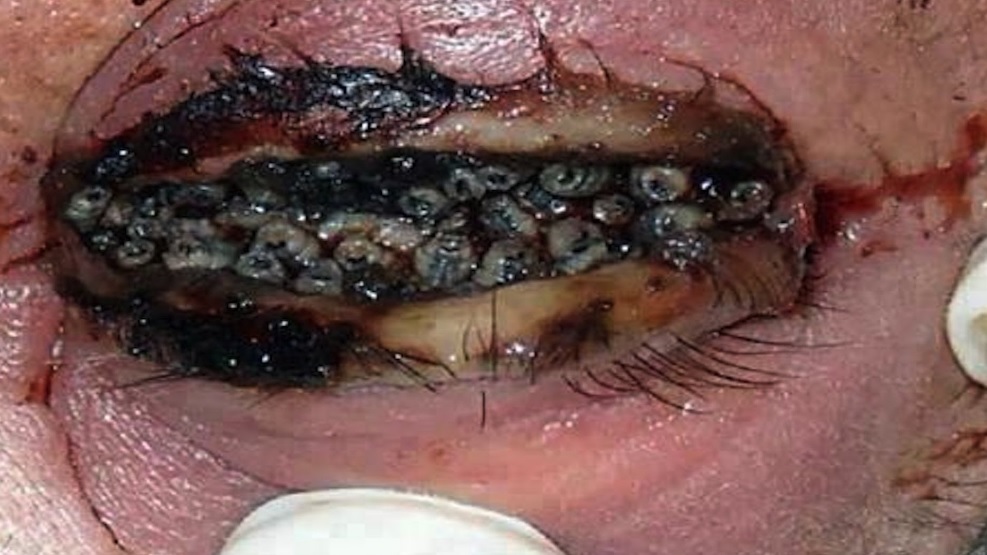
Watch that video of the 10 Most Invasive Parasites in the World
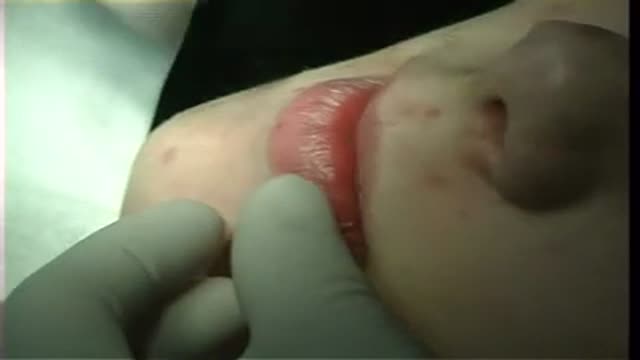
Surgical removal of mucocele from lower lip
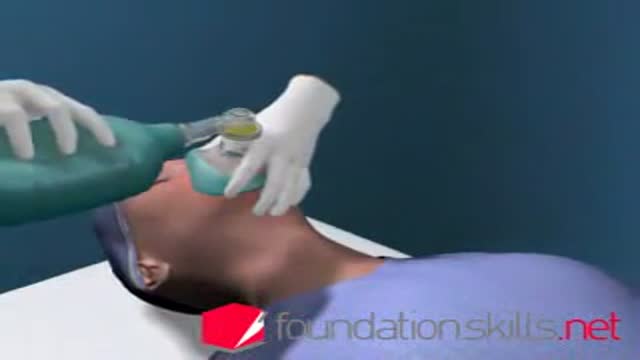
Endotracheal Intubation During General Anaesthesia