














Hear Attack Video

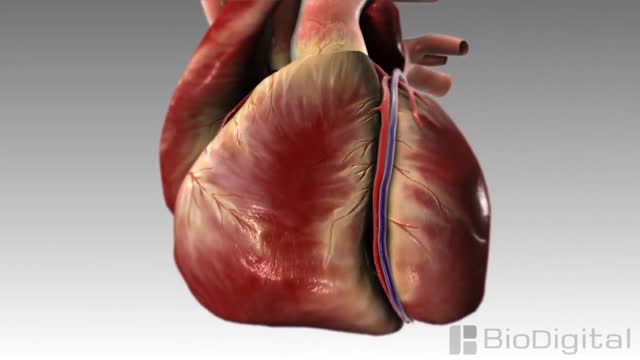
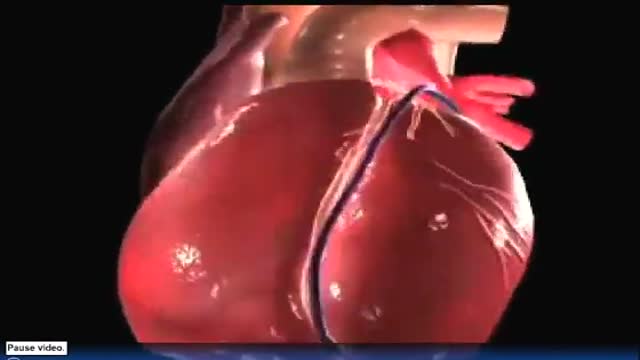
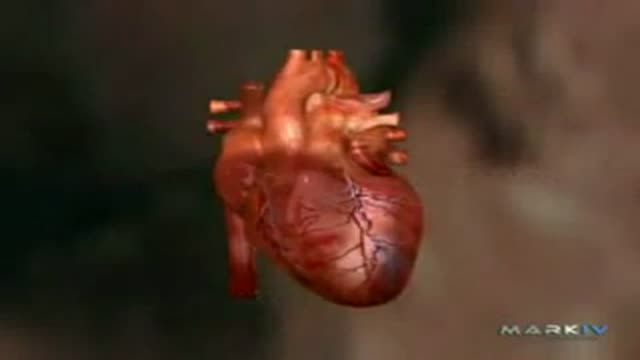
A heart attack occurs when blood flow to a part of your heart is blocked for a long enough time that part of the heart muscle is damaged or dies. The medical term for this is myocardial infarction.
Video Transcript
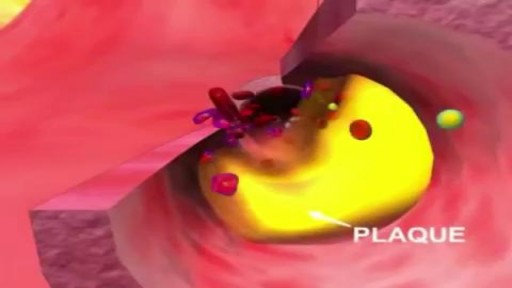
Despite the misspelled title, this short animated explainer walks through how a heart attack happens: plaque builds up in the coronary arteries from childhood onward, and if a deposit breaks open, a clot can block the flow of blood and oxygen until part of the heart muscle dies. It also introduces angina, the chest pain that appears when the heart muscle is not getting enough blood.
Read the full transcript
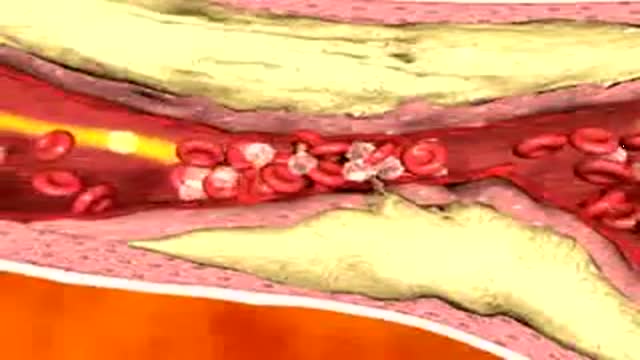
Heart attacks occur when blood flow to the heart muscle is blocked. The most common cause is fatty deposits called plaque in the coronary arteries, which supply blood and oxygen to the heart. Plac buildup begins as early as childhood, when fat is deposited in the arteries. As you get older, other substances such as protein, cholesterol, white blood cells, and calcium are also deposited, contributing to the buildup. This buildup of plaque is called coronary artery disease. If the heart muscle does not get enough blood and oxygen to meet its needs,
a person may experience angina, a type of chest pain. If the plaque buildup breaks open, the body tries to fix it by forming a clot. This clot can block the coronary artery and prevent the flow of blood and oxygen to the point that the heart muscle dies, causing a heart attack.
Transcript auto-generated from the video’s audio for accessibility and study. Educational content only — not medical advice.
Video Overview
From our Cardiology collection: ECG interpretation, echocardiograms, angioplasty, stents and heart conditions explained by cardiologists. Browse all Cardiology videos →
SORT BY-
सबसे ऊपर की टिप्पणी
-
नवीनतम टिप्पणियां