







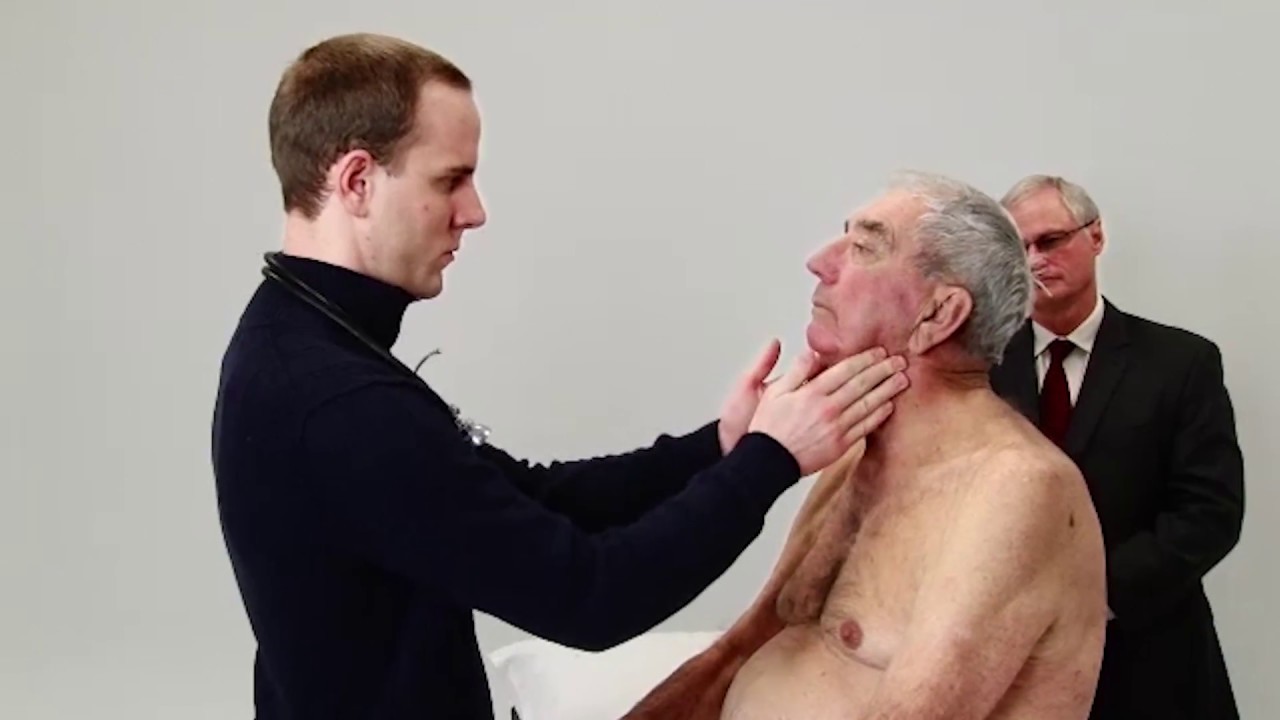
Physical Examination of the abdomen

Physical Examination of the abdomen
Video Transcript
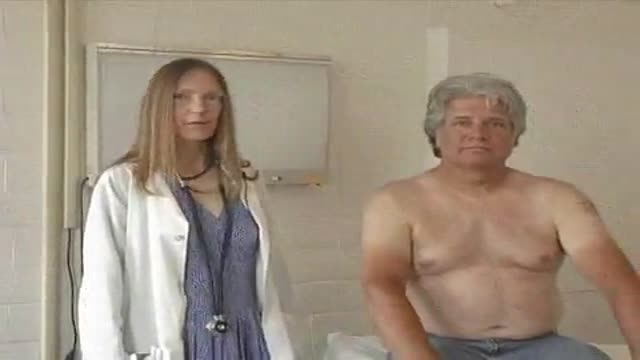
A narrated demonstration of the adult abdominal physical examination in the standard order: inspection, then auscultation — deliberately done before palpation so the bowel sounds are not distorted — then percussion, light and deep palpation, the liver, spleen, and kidneys, and finally the pulses of the peripheral arteries in the legs.
Read the full transcript
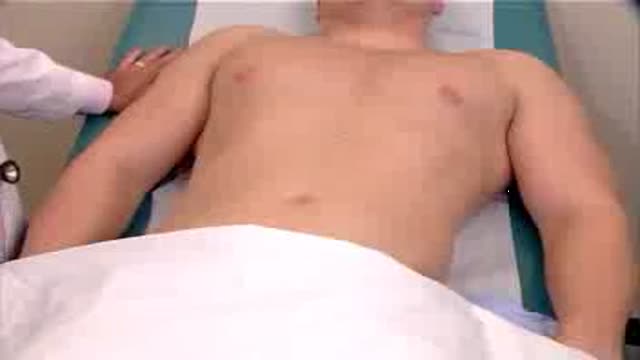
Lower the table flat. Expose the supine patient's abdomen, draping the lower abdomen at the suprapubic level. Inspect the skin for scars, stride, dilated veins, or rashes. Inspect the symmetry and contour of the abdomen, and note in a peristalsis, pulsations, or masses. Also, observe the contour of the umbilicus to look for signs of inflammation or hernia. Note that for the abdomen, after inspection comes auscultation rather than palpation as in other regional examinations. Palpating prior to auscultation might distort the quality of bowel sounds. Listen to the pitch, quality, and frequency of bowel sounds by placing the diaphragm of the stethoscope gently over each quadrant.
Listen for abdominal or femoral bruis. Going to check your arteries as it goes into your leg, and listen for bruis.
Next, lightly percuss the abdomen to assess the distribution of timpani and dullness. Now, palpate all quadrants of the abdomen using light, then deep palpation and saving painful areas for last. Observe the patients face closely for indications of tenderness or discomfort. Now, percuss the span of the liver. Palpate the liver's edge, then the spleen to assess its size. This leg's straight and eventually, this may be a little uncomfortable. Take a breath in and out.
Next, palpate the kidneys. Normally, kidneys are not tender, nor are they often palpable. Now, complete your examination of the peripheral vascular system by palpating the palpateal, dorsalis pedis, and posterior tibial arteries. Just flex your knee. Good.
Transcript auto-generated from the video’s audio for accessibility and study. Educational content only — not medical advice.
Video Overview
From our Physical Examination collection: Watch physical examination videos step by step — cardiovascular, respiratory, abdominal and neurological exams demonstrated for medical students and clinicians. Browse all Physical Examination videos →
SORT BY-
Meilleures Commentaires
-
Derniers Commentaires