
Top Videos

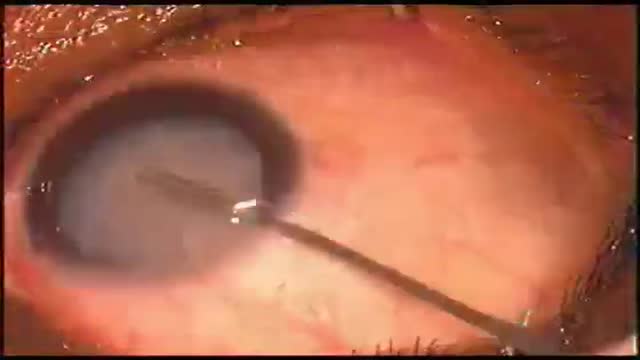
Eye Phacoemulsification
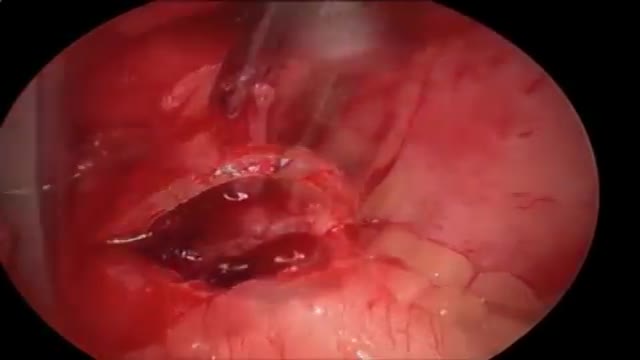
Saddle pulmonary embolism (PE) is a form of large pulmonary thrombo-embolism that straddles the main pulmonary arterial trunk at its bifurcation. Its incidence among patients diagnosed with PE was found to be approximately 2.6%.

Check out our new website http://www.evanshealthlab.com/
Follow Dr. Mike for new videos! http://twitter.com/docmikeevans
Dr. Mike Evans is founder of the Health Design Lab at the Li Ka Shing Knowledge Institute, an Associate Professor of Family Medicine and Public Health at the University of Toronto, and a staff physician at St. Michael's Hospital.
Written and Narrated by Dr. Mike Evans
Executive Producer, Dr. Mike Evans
Illustrations by Liisa Sorsa
Produced, Directed, and Photographed by Nick De Pencier
Editor, David Schmidt
Story/Graphic Facilitator, Disa Kauk
Production Assistant, Chris Niesing
Director of Operations, Mike Heinrich
©2014 Michael Evans and Reframe Health Films Inc.
Watch that video to see How Snake Poison Coagulates Human Blood

MRI of Fetal Brain Development
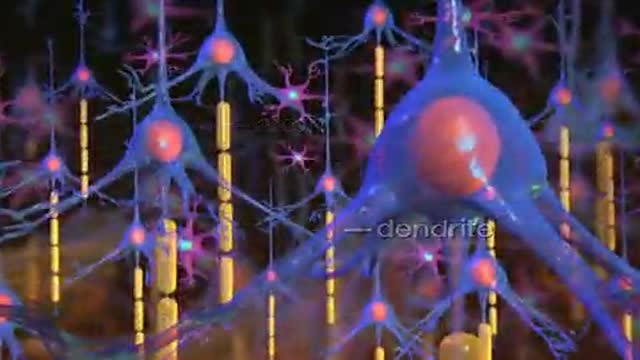
Alzheimer Disease Effects
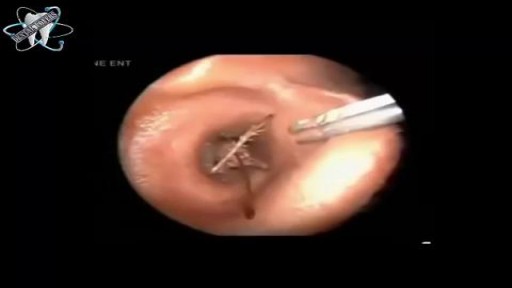
Bugs Removal from Ear Canal
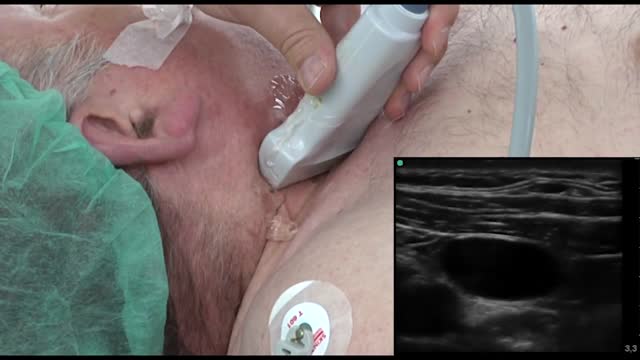
Ultrasound-guided internal jugular cannulation
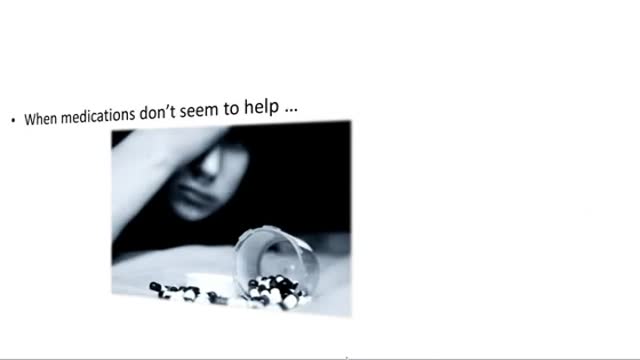
http://endyourdepression.plus101.com ---Depression Alternative Medicine Remedies. Learn more about your own, unique depression symptoms and pin-point exactly which type of depression you are suffering from. Accurately discover what is causing your depression... and why it keeps coming back no matter which drugs you take or which treatments you try. Uncover the simple methods that allow you to switch your mind away from depression and towards real happiness. Gain real insight into why most depression treatments only make your symptoms worse. Depression Alternative Medicine Remedies depressive major disorder symptoms signs medication treatment clinical causes anxiety teen help hurts self test medicine antidepression types anxiety severe
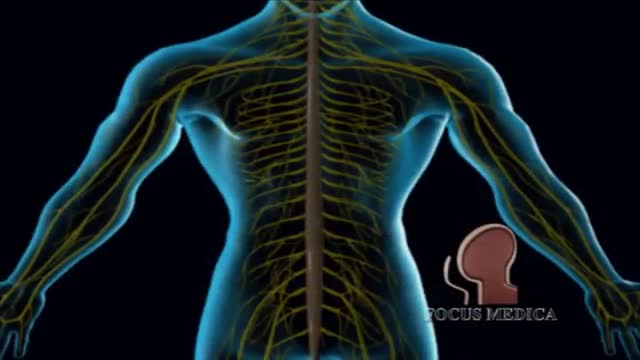
Type 2 Diabetes Animation 3D

How to Know If You Have Diabetes
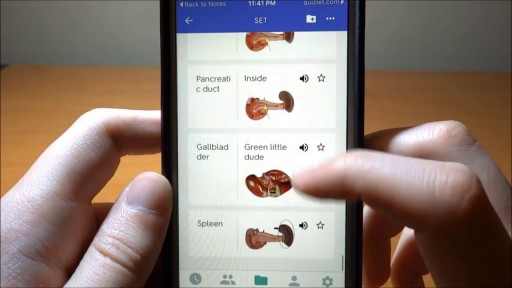
Watch that video to know How to Learn Human Anatomy Quickly and Efficiently?
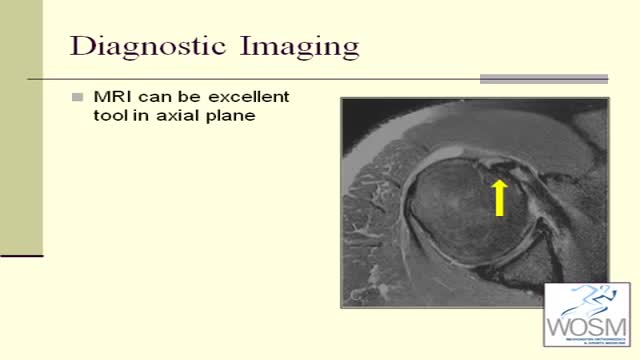
Biceps tendonitis, also called bicipital tendonitis, is inflammation in the main tendon that attaches the top of the biceps muscle to the shoulder. The most common cause is overuse from certain types of work or sports activities.
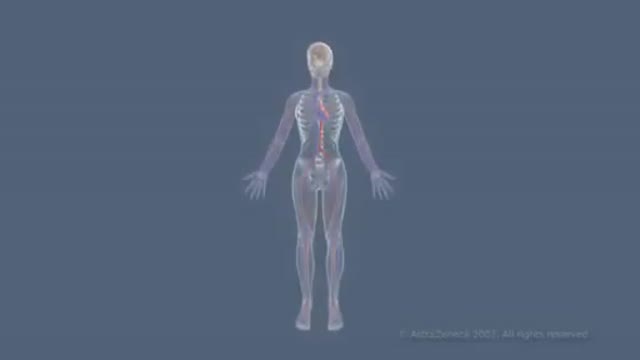
Providing information on the Atherosclerosis and its complex biological process: it is the idea of this medical video dedicated to the prevention of the cardiovascular risks of diseases.
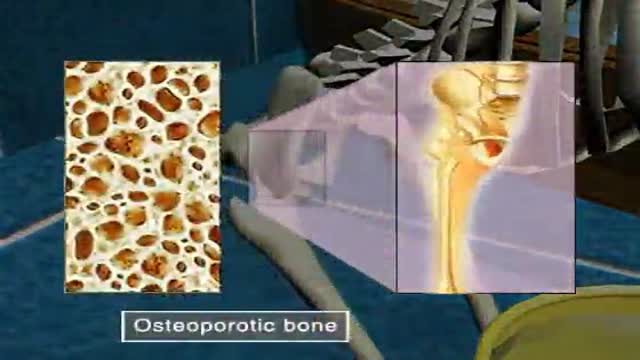
Osteoporosis

How to Know If You Have a Serious Knee Injury or Problem
Youtube Channel: https://www.youtube.com/user/physicaltherapyvideo
Website: https://bobandbrad.com/
Bob & Brad discuss how to know if you have a serious knee injury. They show you what to look for and what you should do.
This Week's Giveaway:
This month we are giving away a grand prize of a Sleepovation mattress and two pillows!
BONUS: 2 runners-up will receive a Sleepovation pillow!
December Giveaway link: https://shrsl.com/2ob0e
Purchase Mattress: http://shrsl.com/1n2e2
Purchase Pillow: http://shrsl.com/1xch4
Discount: Make sure to use the discount code FAMOUSPT to receive 15% off of your purchase of a mattress or use FAMOUSPTPIL for 25% off of their pillows! This is the biggest discount of the year!
Sleepovation will reimburse winners of the giveaway if they have already purchased, so no need to wait to buy Bob & Brad's favorite mattress and pillow!
Our videos offer the best "get fit , stay healthy, and pain-free" information directed toward people 0 to 101 years old. Physical Therapists Bob Schrupp and Brad Heineck have over 50 years of combined. We try to add a twist of our humor into each video in our quest to be the "Most Famous Physical Therapists on the Internet" In our opinion of course!!! Subscribe to us now and join the fun. Not only will these videos provide outstanding health information on treating yourself at home, we also do product reviews.
For our favorite products on Amazon click on this link: https://www.amazon.com/shop/physicaltherapyvideo
Visit us on our other social media platforms:
Website: https://bobandbrad.com/
Facebook: https://www.facebook.com/BobandBrad/
Instagram: https://www.instagram.com/officialbobandbrad/
Twitter: https://twitter.com/ptfamous
Bob and Brad’s Products:
Grip and Forearm Strengthener: https://store.bobandbrad.com
Wall Anchor: https://store.bobandbrad.com
Booyah Stik: https://store.bobandbrad.com
Knee Glide: https://store.bobandbrad.com
Fit Glide: https://store.bobandbrad.com
Massage Gun: https://amzn.to/36pMekg
Hanging Handles: https://amzn.to/2RXLVFF
Resistance Bands: https://amzn.to/36uqnbr
Pull Up Bands: https://amzn.to/3qmI4Rv
If you order from the Bob and Brad Store Links, you will receive 15% off your purchase.
Check out our shirts, mugs, bags and more in our Bob and Brad merchandise shop here: https://shop.spreadshirt.com/bob-brad
Bob & Brad Amazon Store: https://amzn.to/2RTSLLh
Other Products We Love: https://www.amazon.com/shop/physicaltherapyvideo?listId=3581Z1XUVFAFY
Check out The Bob & Brad Crew on YouTube by clicking here: https://www.youtube.com/c/thebobbradcrew
Want to help translate our videos? We would so love the help! http://www.youtube.com/timedtext_cs_panel?c=UCmTe0LsfEbpkDpgrxKAWbRA&tab=2
Medical Disclaimer All information, content, and material of this website is for informational purposes only and are not intended to serve as a substitute for the consultation, diagnosis, and/or medical treatment of a qualified physician or healthcare provider.
Affiliate disclaimer: Keep in mind that we may receive commissions when you click our links and make purchases. However, this does not impact our reviews and comparisons. We are highly selective in our products and try our best to keep things fair and balanced in order to help you make the best choice for you.
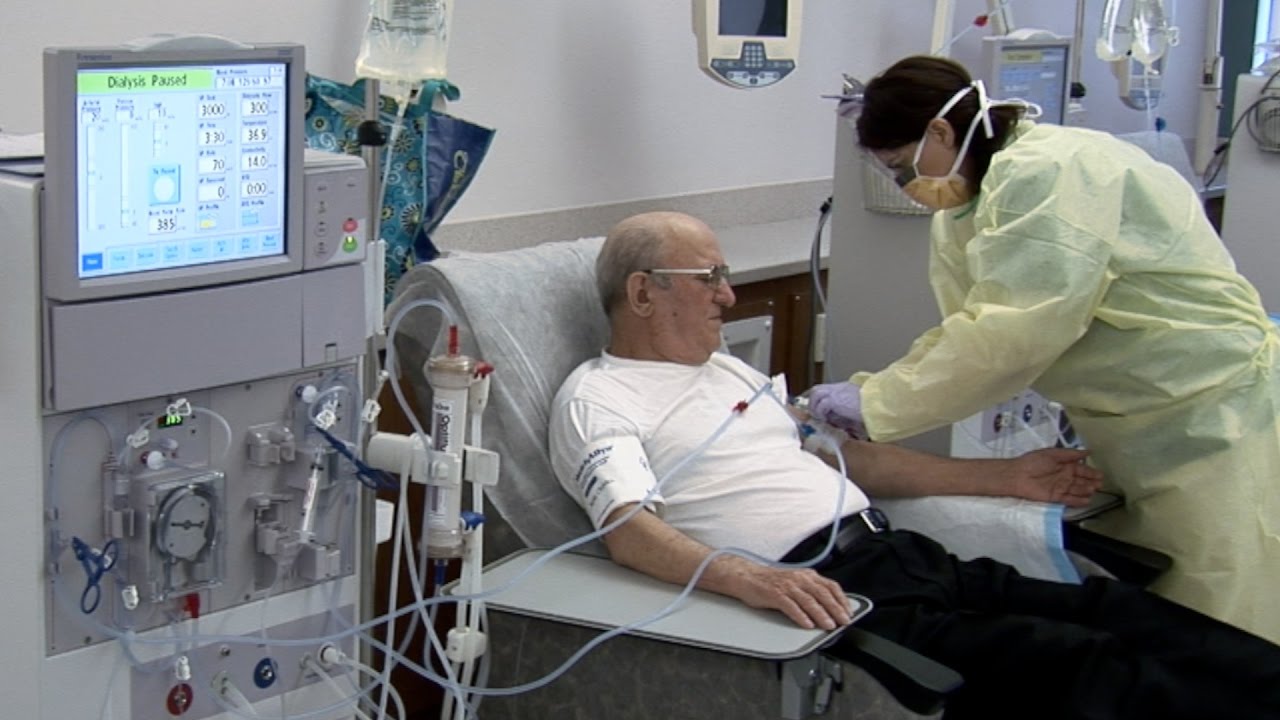
Rhode Island Hospital's outpatient dialysis program cares for patients with chronic kidney disease. Learn more about the program, which includes a new, state of the art dialysis center in East Providence. http://www.rhodeislandhospital.....org/outpatient-dial

Subscribe to the Nucleus Biology channel to see new animations on biology and other science topics, plus short quizzes to ace your next exam: https://bit.ly/3lH1CzV
For Employees of Hospitals, Schools, Universities and Libraries: Download 8 FREE medical animations from Nucleus by signing up for a free trial: http://nmal.nucleusmedicalmedi....a.com/free-trial-mem
This animation by Nucleus shows you the function of plant and animal cells for middle school and high school biology, including organelles like the nucleus, nucleolus, DNA (chromosomes), ribosomes, mitochondria, etc. Also included are ATP molecules, cytoskeleton, cytoplasm, microtubules, proteins, chloroplasts, chlorophyll, cell walls, cell membrane, cilia, flagellae, etc.
0:07 What is a cell?
0:35 What are the 2 categories of cells?
1:22 What is an Organelle? DNA, Chromatin, Chromosomes
2:06 Organelles: Ribosomes, Endoplasmic Reticulum
2:59 Organelles: ER function, Vesicles, Golgi Body (Apparatus)
3:50 Organelles: Vacuole, Lysosome, Mitochondrion
4:45 Organelles: Cytoskeleton
5:04 Plant Cell Chloroplast, Cell Wall
5:43 Unique Cell Structures: Cilia
Watch another version of this video, narrated by biology teacher Joanne Jezequel here: https://youtu.be/cbiyKH9uPUw
#cell #nucleus #biology
----
Watch other Nucleus Biology videos:
- Controlled Experiments: https://youtu.be/D3ZB2RTylR4
- Independent vs. Dependent Variables: https://youtu.be/nqj0rJEf3Ew
- Active Transport: https://youtu.be/ufCiGz75DAk
----
Learn more about the company that created this video: http://www.nucleusmedicalmedia.com/
https://www.instagram.com/nucleusmedicalmedia
This animation won a Platinum Best of Show Aurora Award in 2016.
