
- Physical Examination
- Surgical Examination
- Ophthalmology
- Clinical Skills
- Orthopedics
- Surgery Videos
- Laparoscopy
- Pediatrics
- Funny Videos
- Cardiothoracic Surgery
- Nursing Videos
- Plastic Surgery
- Otorhinolaryngology
- Histology and Histopathology
- Neurosurgery
- Dermatology
- Pediatric Surgery
- Urology
- Dentistry
- Oncology and Cancers
- Anatomy Videos
- Health and Fitness
- Radiology
- Anaesthesia
- Physical Therapy
- Pharmacology
- Interventional Radiology
- Cardiology
- Endocrinology
- Gynecology
- Emergency Medicine
- Psychiatry and Psychology
- Childbirth Videos
- General Medical Videos
- Nephrology
- Physiology
- Diet and Food Health
- Diabetes Mellitus
- Neurology
- Women Health
- Osteoporosis
- Gastroenterology
- Pulmonology
- Hematology
- Rheumatology
- Toxicology
- Nuclear Medicine
- Infectious Diseases
- Vascular Disease
- Reproductive Health
- Burns and Wound Healing
- Other
Top videos

the video will describe oxyhemoglobin dissociation curve. please see my website for disclaimer.
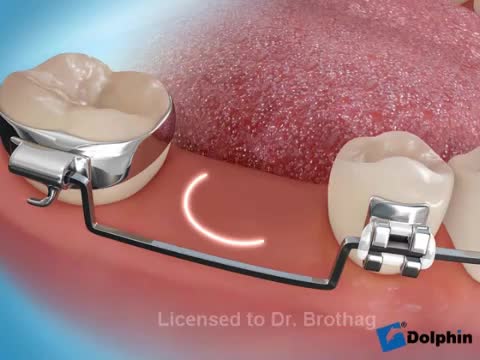
Aim: To detail two different clinical protocols and case studies using mini-implant anchorage developed to respond to certain clinical conditions. Methods: Two clinical protocols are described to upright mesially tilted mandibular molars. In the first protocol, a single mini-implant is inserted distally to the molar to be uprighted, and an elastic traction chain is applied to the tooth. In the second clinical approach, two mini-implants are inserted mesially. A screw-suspended TMA sectional archwire is applied (Derton-Perini technique). Two cases, descriptive of the two different treatment protocols, are described. In the first case, the mandibular right second premolar was missing and the adjacent first molar needed to be uprighted. A single screw was inserted distally to the first molar, and an elastic chain was applied. In the second case, the mandibular left second molar was missing and the third molar needed to be uprighted. Two mini-implants were inserted mesially and a fully screw-supported sectional archwire was used to upright and bodily mesialize the third molar. Results: Both uprighting approaches uprighted the molar axis without loss of anchorage. Conclusion: The two approaches to mandibular molar uprighting, developed as rational responses to different clinical cases, were both found to be effective. Research paper: Mandibular molar uprighting using mini-implants: Different approaches for different clinical cases-Two case reports.. Available from: https://www.researchgate.net/publication/224920305_Mandibular_molar_uprighting_using_mini-implants_Different_approaches_for_different_clinical_cases-Two_case_reports [accessed
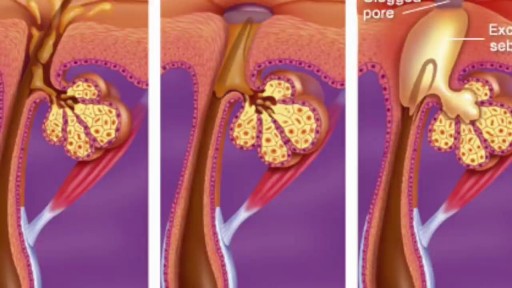
Acne can form several types of skin blemish, each with a distinct appearance and symptoms. Most minor acne blemishes respond to at-home care and over-the-counter medications. However, people with severe or long-term acne should speak with a doctor or dermatologist. Acne affects around 80 percent of adolescents and young adults. About 40–50 million Americans have acne at any given time. The following are common types of blemish associated with acne: whiteheads blackheads pustules, which are commonly called pimples papules cysts nodules Each type of acne lesion requires a different treatment. Receiving prompt, correct treatment can reduce the risk of long-term skin complications, such as dark spots and scarring. Acne blemishes fall into two categories, depending on whether or not they cause inflammation of the surrounding skin. Whiteheads Whiteheads Blackheads blackheads are pockets of oxidized melanin on the surface of the skin Papules Papules Pustules (pimples) Pustules (pimples) Nodules Nodules Cysts pus in a cyst 1of6 Noninflammatory acne types Whiteheads and blackheads are types of noninflammatory acne lesion. They are the least severe forms of acne. Noninflammatory blemishes usually do not cause swelling and are not very painful. Whiteheads The medical term for whiteheads is closed comedones. These are small, whitish or flesh-colored spots or bumps. They usually have a white, circular center surrounded by a red halo. A hair will sometimes emerge from the center of a whitehead, or it may appear to be trapped within the blemish. The skin around a whitehead may appear to be tight or wrinkled, especially when the whitehead is large or especially raised. ADVERTISEMENT Approved NSCLC Treatment - HCP Info & Resources Request A Rep & Discover A Therapy For Stage III NSCLC. www.stage-iii-nsclc-therapy.com Whiteheads typically do not cause scarring. Blackheads Blackheads are also called open comedones. They are small, black or dark-colored spots that may appear as slightly raised bumps. The skin around a blackhead usually appears normal, while the center of the blackhead is darker than the surrounding area. The coloration is not a result of trapped dirt. Blackheads are simply whiteheads that have opened and widened. When the contents of a whitehead are exposed to air, they darken. Treatment options Many over-the-counter rinses, moisturizers, gels, toners, and creams can treat noninflammatory acne blemishes. They often contain a mix of active ingredients. The following ingredients in over-the-counter treatments can help to break down whiteheads and blackheads: benzoyl peroxide salicylic acid sulfur resorcinol Also, several home remedies and lifestyle changes can help to reduce most minor-to-mild forms of noninflammatory acne. It may help to try: washing the face with lukewarm water and soap twice daily washing the whole body every 2 days reducing stress eating a healthful, balanced diet staying hydrated avoiding over-washing or irritating the skin limiting exposure to the sun always wearing sunscreen when outdoors People should never pop acne blemishes. Doing so can lead to complications, such as: nodules cysts scarring dark spots pitting Inflammatory acne types Inflammatory acne blemishes include: papules pustules nodules cysts Inflammatory acne is more severe than noninflammatory acne, and this type is more likely to cause complications, such as scarring or pitting. Blemishes or lesions that are inflamed, or red, swollen, and warm to the touch can result from inflammatory acne. Minor-to-mild forms Papules Papules are bumps under the skin's surface. They are solid, tender, pink, and raised, and the skin around a papule is usually slightly swollen and red. Unlike whiteheads, papules have no visible center. Unlike blackheads, the pores of a papule do not appear to be widened. Papules develop when whiteheads or blackheads cause so much irritation that they damage some of the surrounding skin. The damage leads to inflammation. Pustules (pimples) Pustules are larger, tender bumps with a defined circular center. The center is filled with whitish or yellowish pus, and the bump has a pink or red base. Immune cells and bacterial cells collect to form this pus. Pustules typically look like much larger and more inflamed whiteheads. Treatment options Several home remedies and over-the-counter medications can treat minor-to-mild papules and pustules. The following tips can help: washing the affected area with cool water and soap using clean hands or a clean, gentle facecloth twice a day applying a warm compress or cloth to the affected area for 10–15 minutes to encourage trapped debris to rise to the surface using products with benzoyl peroxide to combat bacteria using products with salicylic acid to remove dead skin cells and other debris How do you prevent pimples? How do you prevent pimples? How can you prevent pimples from forming? Learn 15 methods of prevention here, including home remedies, lifestyle changes, and diet tips. READ NOW Moderate-to-severe forms Nodules Nodules are hard, painful, inflamed lumps located deep within the skin. They look like larger, deeper papules and have no visible center or head. This type of acne lesion develops when clogged pores damage tissues and cells deep beneath the skin's surface. Nodules are a severe form of acne blemish, and they can cause skin complications such as dark spots or scarring. Cysts Cysts are very large, soft, painful, red or white lumps situated deep in the skin. They are filled with pus. Cysts form deeper within the skin than nodules, and they are the most severe type of acne blemish. Cysts can also cause skin complications, such as scarring. Treatment options People cannot treat moderate-to-severe inflammatory blemishes at home. These lesions require care from a doctor or dermatologist. The doctor can use many products and procedures to treat nodules and cysts. These include: antibiotics, such as tetracycline, doxycycline, and amoxicillin topical corticosteroids oral contraceptives for hormonal-related acne systematic retinoids, such as isotretinoin steroid injections chemical peels photodynamic therapy to combat bacteria drainage and extraction to remove large cysts What causes acne? young woman with forehead acne When a pore becomes clogged, acne can develop. Normally, dead cells collect in the skin's pores, then slowly rise to the surface of the openings and eventually fall away from the skin. A natural body oil called sebum helps to prevent skin cells from drying out. The glands that produce this oil are attached to the pores. When excess sebum builds up, it can cause dead cells to stick together, forming a mixture that becomes trapped in the pores. Acne occurs when a pore becomes clogged with dead skin cells, natural body oils, and a type of bacteria. These bacteria live on the skin and are called Propionibacterium acnes. If they enter and infect clogged pores, this causes acne blemishes to form. When to see a doctor In cases of minor-to-moderate acne, a person will generally have to use home and over-the-counter remedies consistently for 4–8 weeks before they see results. More severe inflammatory types of acne tend to take much longer to clear up. Speak to a doctor or dermatologist if whiteheads, blackheads, papules, or pustules: are severe do not respond to over-the-counter medications are very painful are very large bleed a lot release a lot of pus cover a significant portion of the face or body cause emotional distress develop very close to sensitive areas, such as the eyes or lips Most active ingredients in over-the-counter products are available in prescription-strength treatments. Dermatologists can also remove lesions that are very large or persistent. They can also remove those that do not respond to other forms of treatment. Always see a doctor or dermatologist about nodules and cysts, because these require medical care. Untreated nodules and cysts and those that have been picked or popped can cause scarring.

Just because you have asthma doesn’t mean you have to give up your daily work-out! Keep watching to amp up your exercise routine.
Lower Face Lift Awake Plastic Surgery
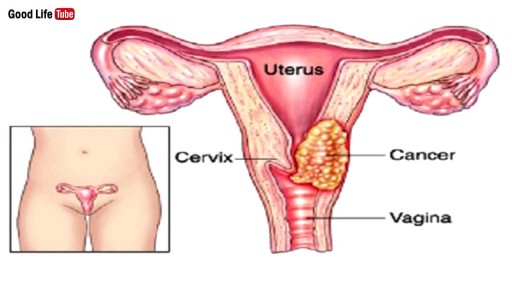
Watch that video to know the Signs of Genital Cervical Cancer You Should Know
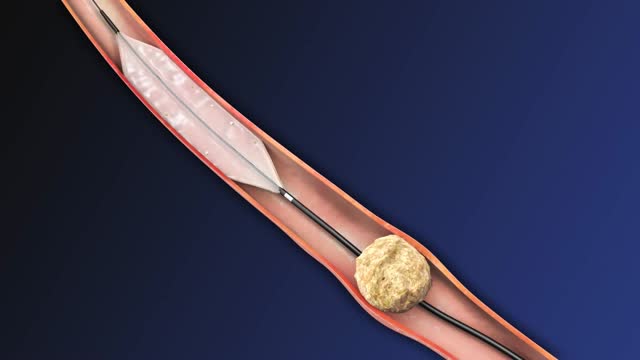
Stone Control Catheter
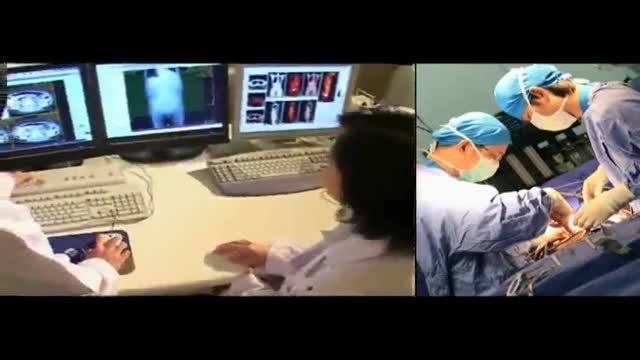
Heart surgery in Thailand is world class and affordable.

Michael La Corte MD
Ped Card
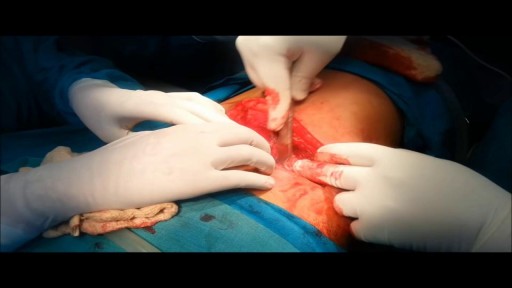
Majority of patients these days prefer PCNL ( Minimal Invasive Telescopic removal of kidney stones broken with lithoclast, removed through a button hole incision ). This patient with a big stone in the pelvis of the kidney wanted it open only so I did an open pyelolithotomy for this patient after a long time as I use to do it in routine in the past. Except for the long incision and scar as compared to PCNL the recovery time was the same and patient went home third day happily walking and eating.
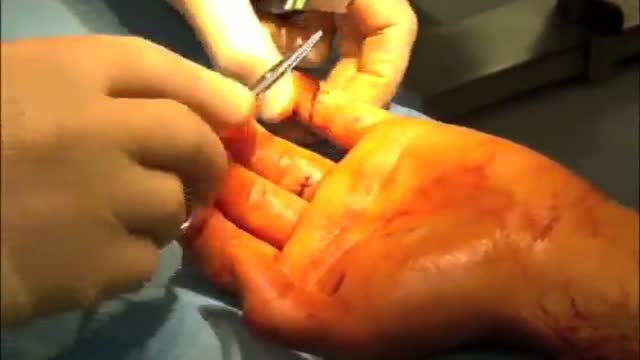
A deep cut on the palm side of your fingers, hand, wrist, or forearm can damage your flexor tendons, which are the tissues that help control movement in your hand. A flexor tendon injury can make it impossible to bend your fingers or thumb.
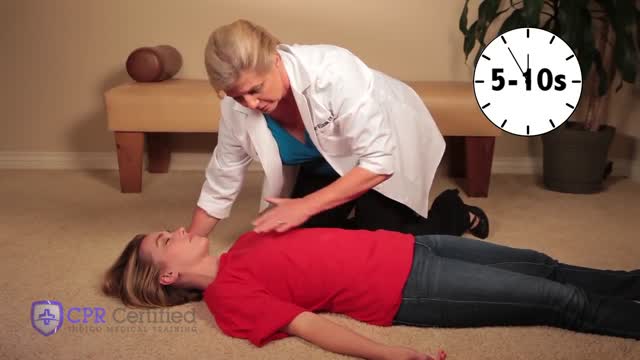
Anybody can and anybody should learn how to perform CPR (Cardiopulmonary resuscitation): According to the American Heart Association, a stunning 70% of Americans don’t know how what to do if somebody is experiencing a cardiac emergency because they don’t know how to administer CPR or they forgot the exact technique. This is especially alarming since almost 90% of cardiac arrests occur at home — where patients depend on the immediate respiratory care response of their family members. In brief, knowing how to perform CPR can save the life of a loved one someday.
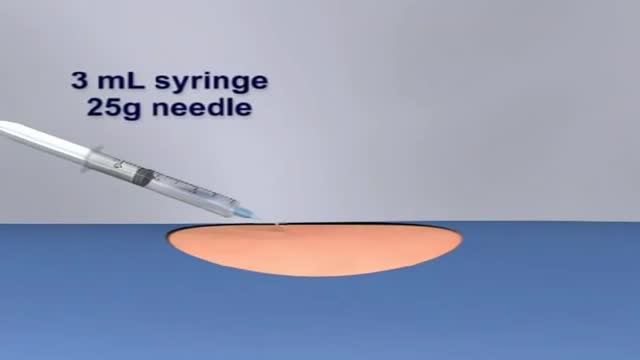
A central venous catheter, also called a central line, is a long, thin, flexible tube used to give medicines, fluids, nutrients, or blood products over a long period of time, usually several weeks or more. A catheter is often inserted in the arm or chest through the skin into a large vein.
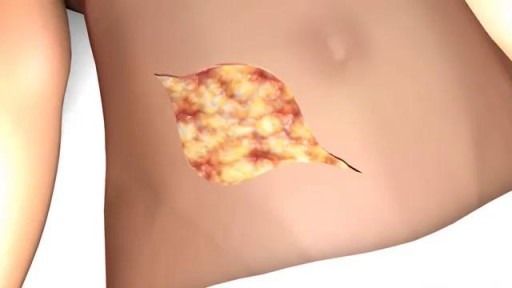
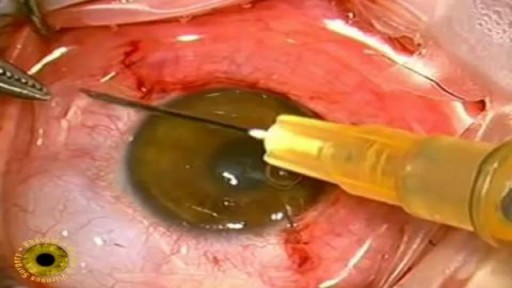
Eye cancers can be primary (starts within the eye) and metastatic cancer (spread to the eye from another organ). The two most common cancers that spread to the eye from another organ are breast cancer and lung cancer. Other less common sites of origin include the prostate, kidney, thyroid, skin, colon and blood or bone marrow. Melanomas (choroidal, ciliary body and uveal) -Early stages has no symptoms (the person does not know there is a tumor until an ophthalmology examination). As the tumor grows, symptoms can be blurred vision, decreased vision, double vision, eventual vision loss and if they continue to grow the tumor can break past the retina causing retinal detachment.

While an anal abscess is an infection within one or more of the anal spaces, an anal fistula (Choice B) is a tunneling between the anus or rectum and another epithelial lined space (eg, the skin overlying the drainage site). Fifty percent of patients with anal abscesses will go on to develop a chronic fistula from the involved anal gland to the overlying skin. Patients with fistulas typically present with an anal abscess that persists after incision and drainage, or with a pustule-like lesion in the perianal or ischiorectal area that continually drains. Surgical repair is usually necessary to eliminate the fistula while preserving fecal continence.
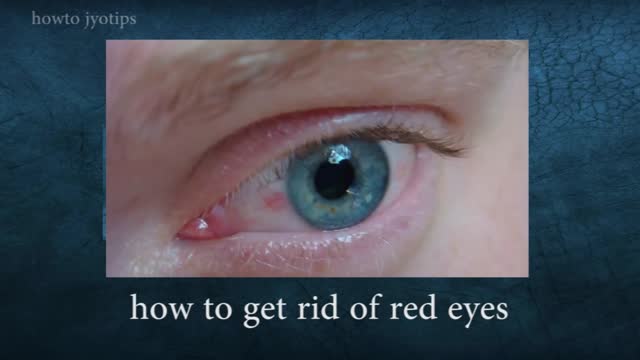
Red eyes usually are caused by allergy, eye fatigue, over-wearing contact lenses or common eye infections such as pink eye (conjunctivitis). However, redness of the eye sometimes can signal a more serious eye condition or disease, such as uveitis or glaucoma.
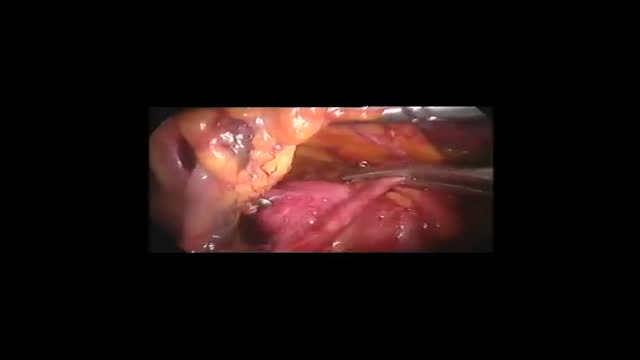
A video showing Laparoscopic Resection of Splenic Artery Aneurysm

Respiratory System Structure and Functions
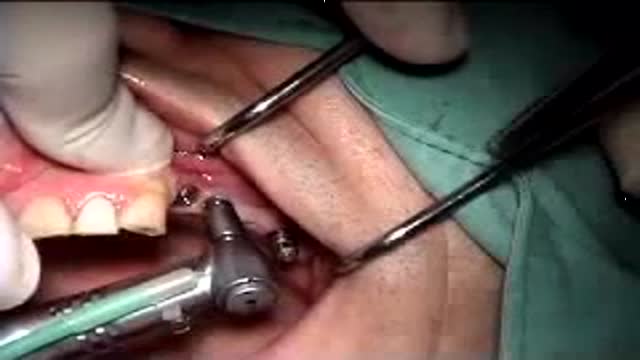
The back part of the upper jaw has the highest failure rate abotu 20% overall due to the presence of the sinus and the soft quality of bone.
