
- Physical Examination
- Surgical Examination
- Ophthalmology
- Clinical Skills
- Orthopedics
- Surgery Videos
- Laparoscopy
- Pediatrics
- Funny Videos
- Cardiothoracic Surgery
- Nursing Videos
- Plastic Surgery
- Otorhinolaryngology
- Histology and Histopathology
- Neurosurgery
- Dermatology
- Pediatric Surgery
- Urology
- Dentistry
- Oncology and Cancers
- Anatomy Videos
- Health and Fitness
- Radiology
- Anaesthesia
- Physical Therapy
- Pharmacology
- Interventional Radiology
- Cardiology
- Endocrinology
- Gynecology
- Emergency Medicine
- Psychiatry and Psychology
- Childbirth Videos
- General Medical Videos
- Nephrology
- Physiology
- Diet and Food Health
- Diabetes Mellitus
- Neurology
- Women Health
- Osteoporosis
- Gastroenterology
- Pulmonology
- Hematology
- Rheumatology
- Toxicology
- Nuclear Medicine
- Infectious Diseases
- Vascular Disease
- Reproductive Health
- Burns and Wound Healing
- Other
Top videos


We will present technique of lifting a corneal flap, 10 months post IntraLASIK surgery, after epithelial nest. The nest changed in size and started to grow. The technique is minimal invasive and included partial flap lifting.
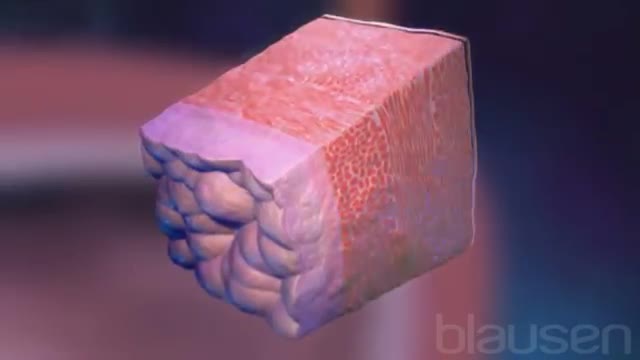
The bladder is a hollow organ in the lower abdomen (pelvis). It collects and stores urine produced by the kidneys. The bladder is connected to the kidneys by a tube from each kidney called a ureter. When the bladder reaches its capacity of urine, the bladder wall contracts, although adults have voluntary control over the timing of this contraction. At the same time, a urinary control muscle (sphincter) in the urethra relaxes. The urine is then expelled from the bladder. The urine flows through a narrow tube called the urethra and leaves the body. This process is called urination, or micturition.
دكتور مصطفى ياقوت فى حوار على القناة الفضائية المصرية عن الطب البديل و الطب الفرعونى فى علاج الأرق
TV interview with Dr. Mostafa Yakoot about Alternative medicine
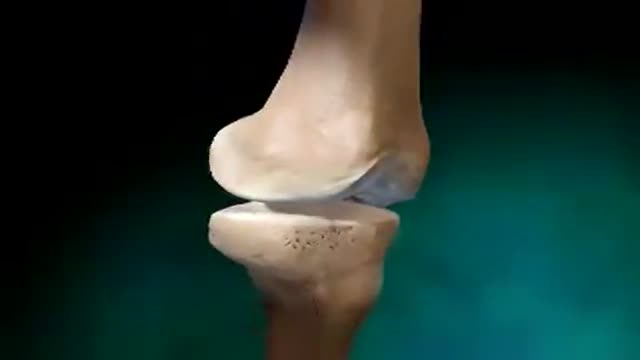
Rheumatoid Arthritis,physiology,pathology,clinincal features,manifestations and treatment
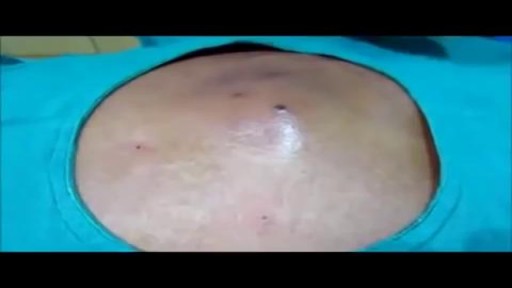
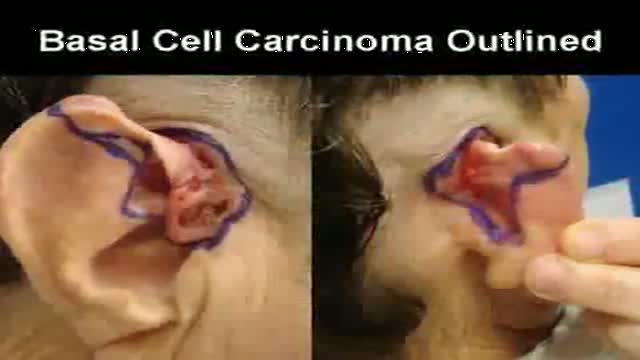
Graphic images focusing on the reconstruction of an ear after the removal of a long-standing skin cancer that this patient allowed to slowly grow over many years because he was afraid of what the surgery to remove might entail. Go to www.skincancercentre.com to learn more about the importance of the early diagnosis of skin cancer. BTW, when you put on your sunscreen, don't forget your ears, and wear a broad brimmed hat to cover this very vulnerable area of your anatomy. www.skincancercentre.com

Examination of the arms
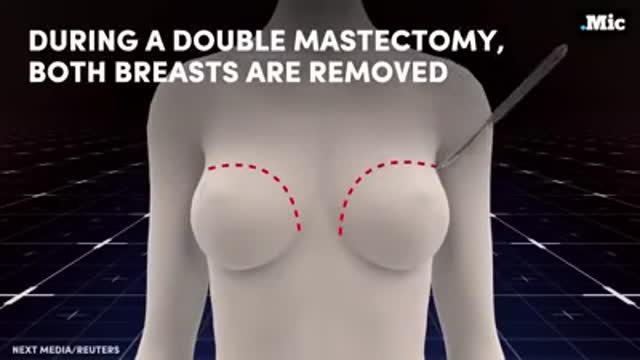
Fremale to male gender reassignment surgery
Antisocial personality disorder (ASPD) is defined by the American Psychiatric Association's Axis II (personality disorders) of the Diagnostic and Statistical Manual (DSM-IV-TR) as "a pervasive pattern of disregard for, and violation of, the rights of others that begins in childhood or early adolescence and continues into adulthood." Antisocial personality disorder is sometimes wrongly referred to as psychopathy or sociopathy. Currently, neither psychopathy nor sociopathy are valid diagnoses described in the Diagnostic and Statistical Manual of Mental Disorders, and the ICD-10 of the World Health Organization also lacks psychopathy as a diagnostic disorder. Psychopathy is normally seen as a subset of the antisocial personality disorder, but Blair believes that the antisocial personality disorder and psychopathy may be separate conditions altogether.
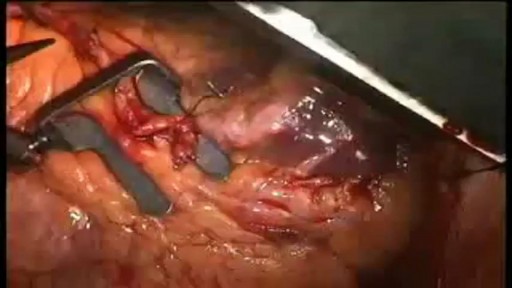
When your arteries cannot supply enough blood to your heart, your doctor may recommend coronary artery bypass graft (CABG) surgery. One of the most common heart surgeries in the United States, CABG surgery restores blood flow to your heart. Approximately every 10 minutes, someone has beating heart or "off-pump" bypass surgery1. Beating heart bypass surgery is — in simple terms — bypass surgery that is performed on your heart while it is beating. Your heart will not be stopped during surgery. You will not need a heart-lung machine. Your heart and lungs will continue to perform during your surgery. Surgeons use a tissue stabilization system to immobilize the area of the heart where they need to work. Beating heart bypass surgery is also called Off Pump Coronary Artery Bypass Surgery (OPCAB). Both OPCAB and conventional on-pump surgery restore blood flow to the heart. However, off-pump bypass surgery has proven to reduce side effects in certain types of patients.

The Pulsed Electron Avalanche Knife, a new electrosurgical knife for “cold” and traction-less cutting, was successfully used for a variety of surgical maneuvers commonly encountered in patients undergoing ocular surgery.
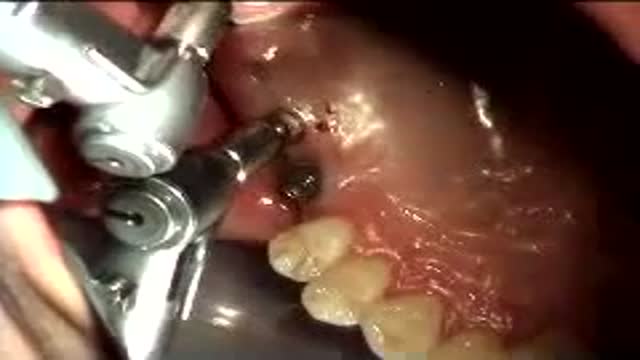
The sinus is a hollow area in the back part of the mouth, when people lost thier teeth in this area, the bone will quickly resorbed, One way we can place implant into this area is by put graft materials in the sinus and hoped that the bone will take and allow us to place implant into the grafted bone. The grafting increases the time and the risk of successful implantation.
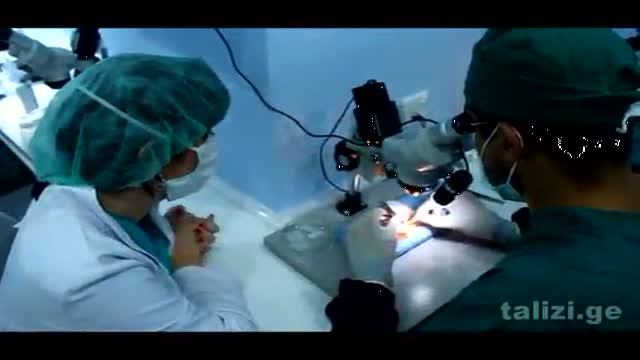
The Talizi Hair Transplantation Clinic offers hair restoration through a painless hair transplantation procedure and guarantees a natural result for an affordable price. 6000 grafts at one session. Hair transplantation surgery combining seamless Follicular Unit Extraction FUE method and Strip Version.

The Ortolani method is an examination method that identifies a dislocated hip that can be reduced into the socket (acetabulum). Ortolani described the feeling of reduction as a “Hip Click” but the translation from Italian was interpreted a sound instead of a sensation of the hip moving over the edge of the socket when it re-located. After the age of six weeks, this sensation is rarely detectable and should not be confused with snapping that is common and can occur in stable hips when ligaments in and around the hip create clicking noises. When the Ortolani test is positive because the hip is dislocated, treatment is recommended to keep the hip in the socket until stability has been established
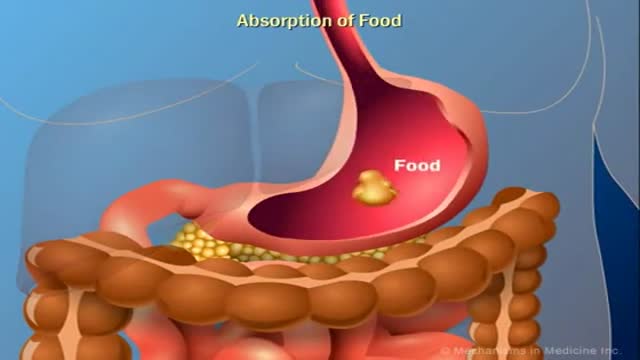
The Role of Insulin in the Human Body
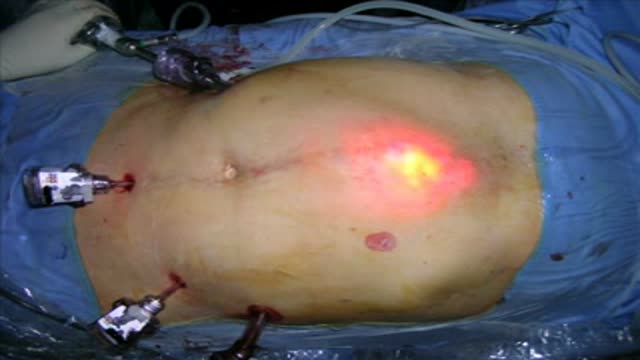
Laparoscopic repair of incisional hernia
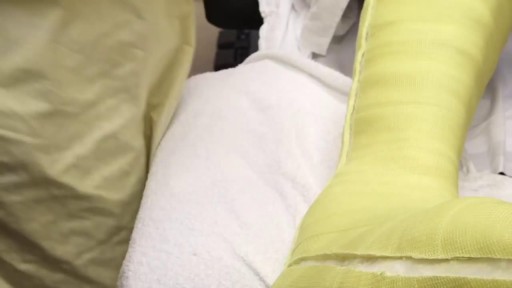
Total Contact Casting is the gold standard for treating diabetic foot ulcers; it's the most evidence-based treatment available. The Wound Care team at IU Health Methodist Hospital provides custom Total Contact Casting that completely offloads the wound, allowing it to heal in a matter of weeks.
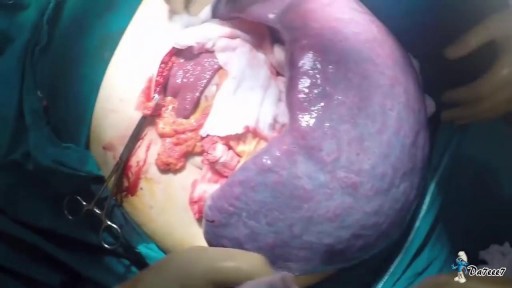
The spleen is one of the most frequently injured intraperitoneal organs, and management of splenic injuries may require splenectomy .. The spleen is an wedge-shaped organ that lies in relation to the ninth and 11th ribs, located in the left hypochondrium and partly in the epigastrium; thus, it is situated between the fundus of the stomach and the diaphragm. The spleen is highly vascular and reddish purple; its size and weight are variable. A normal spleen is not palpable. The spleen's key function is the removal of old red blood cells "RBCs", defective circulating cells, and circulating bacteria. In addition, the spleen helps maintain normal erythrocyte morphology by processing immature erythrocytes, removing their nuclei, and changing the shape of the cellular membrane. Other functions of the spleen include the removal of nuclear remnants of RBCs, denatured hemoglobin, and iron granules ..
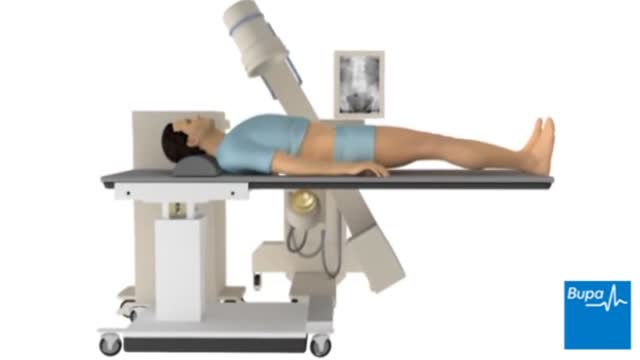
Extracorporeal shock wave lithotripsy (ESWL) uses shock waves to break a kidney stone into small pieces that can more easily travel through the urinary tract camera.gif and pass from the body. See a picture of ESWL camera.gif. You lie on a water-filled cushion, and the surgeon uses X-rays or ultrasound tests to precisely locate the stone. High-energy sound waves pass through your body without injuring it and break the stone into small pieces. These small pieces move through the urinary tract and out of the body more easily than a large stone. The process takes about an hour. You may receive sedatives or local anesthesia. Your surgeon may use a stent if you have a large stone. A stent is a small, short tube of flexible plastic mesh that holds the ureter open. This helps the small stone pieces to pass without blocking the ureter.
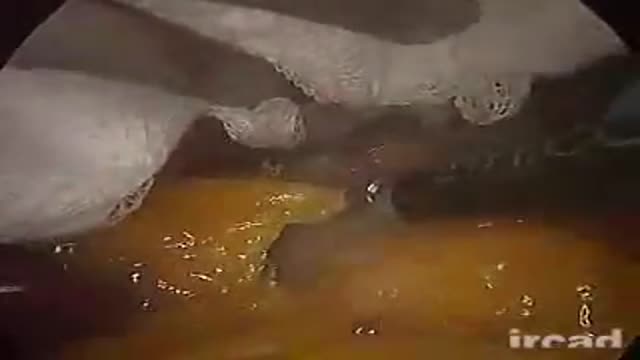
Technique was suggested by Nissen as a surgical treatment for the Gastro-Esophageal Reflux GERD and a 360 degrees wrap of fundus of the stomach is fashioned by means of 3 sutures around the lower end of esophagus.
Collis was the first to perform it laparoscopic.
