
Video teratas

Osteoporosis is a disease that weakens bones over time. Because of this, it puts you at risk for breaking a bone. Postmenopausal osteoporosis is the most common form of osteoporosis. It affects many women after menopause, leaving some women at high risk for fracture. - See more at: https://www.prolia.com/postmenopausal-osteoporosis/deeper-look/?WT.z_co=A&WT.z_in=PMO&WT.z_ch=PDS&WT.z_st=Site1&WT.z_mt=Broad&WT.z_pdskw=www%20osteoporosis&WT.z_ag=Osteoporosis%20Information%20-%20Broad&WT.z_se=G&WT.srch=1&WT.z_prm=DSE__&WT.mc_id=A_PMO_PDS_G_DSE___Broad_www%20osteoporosis_Osteoporosis%20Information%20-%20Broad#sthash.x5Ys3Now.dpuf
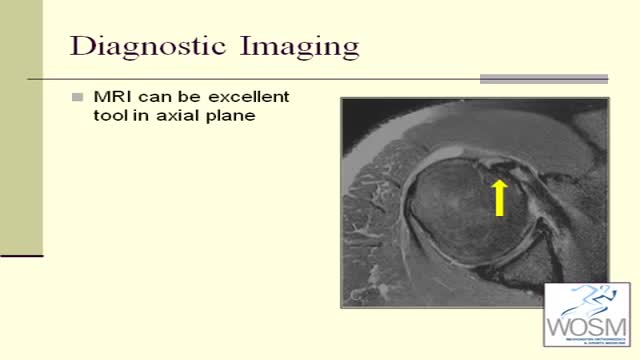
Biceps tendonitis, also called bicipital tendonitis, is inflammation in the main tendon that attaches the top of the biceps muscle to the shoulder. The most common cause is overuse from certain types of work or sports activities.

Have you ever wondered if your toothbrush bristles are too hard or soft or whether or not it even mattered? Contrary to popular belief, the extra soft or soft bristle option is the best choice you can make when it comes to selecting your bristle. The soft bristles are gentler on the gums and because of their delicate nature, it’s easier for them to glide in between teeth. Using hard or medium bristles increases your risk of receding gums and also heightens tooth sensitivity, since you are wearing down the enamel on your teeth with the rough nature. Schedule a dental appointment now to learn more! visit : https://www.urbndental.com/
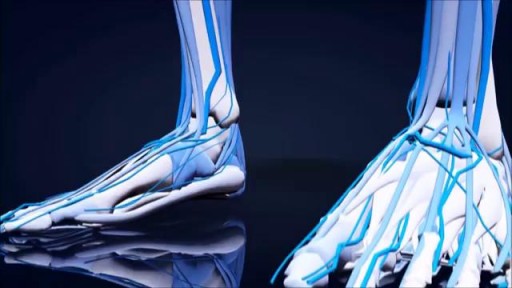
Honeymoon palsy from another individual sleeping on and compressing one's arm overnight. Saturday night palsy from falling asleep with one's arm hanging over the arm rest of a chair, compressing the radial nerve
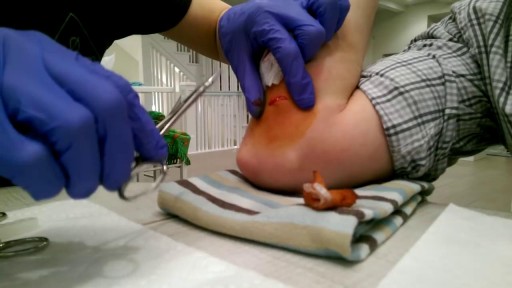
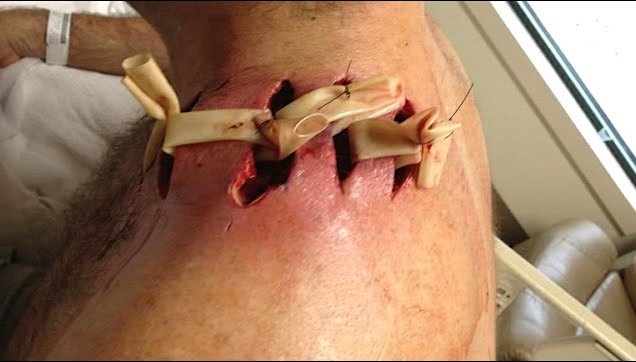
Watch that video of The World's Worst Spider Bites
Instead, try these natural solutions and lifestyle changes, which may help you stop snoring. Change Your Sleep Position. ... Lose Weight. ... Avoid Alcohol. ... Practice Good Sleep Hygiene. ... Open Nasal Passages. ... Change Your Pillows. ... Stay Well Hydrated.
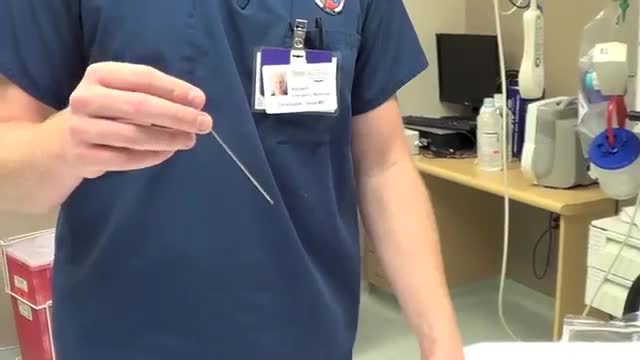
Transvenous cardiac pace maker, also called endocardial pacing, is a potentially life saving intervention used primarily to correct profound bradycardia. It can be used to treat symptomatic bradycardias that do not respond to transcutaneous pacing or to drug therapy.
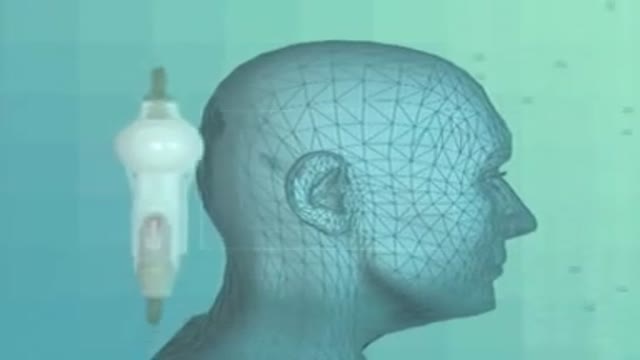
Good abdominal wall closure is one of the basic surgical skills and is a common feature of almost all modern-day CSF shunt operations. The fact that some patients require multiple abdominal operations highlights the need for a simple and effective technique for peritoneal catheter insertion through the abdominal wall and abdominal wall closure. Although technically simple, abdominal wall closure becomes more complex when combined with the requirement to maintain CSF shunt function in cases in which the shunt catheter passes through the abdominal wall into the peritoneal cavity. In this report, the authors describe a simple technique for passing the peritoneal catheter of a ventriculoperitoneal shunt through the abdominal wall on a pathway separate from the fascial opening. This technique minimizes the risk of abdominal wall-related complications and is especially important in high-risk patients such as those with obesity and/or diabetes and in children.
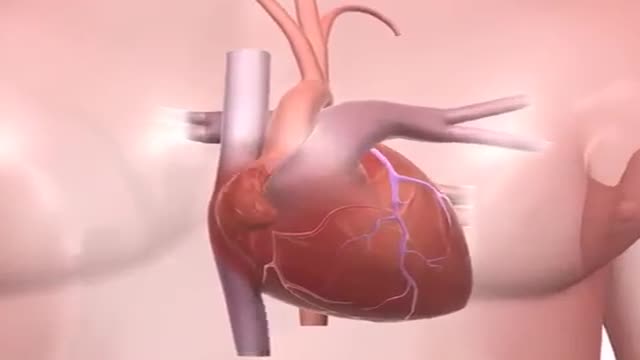
Uncontrolled high blood pressure can lead to stroke by damaging and weakening your brain's blood vessels, causing them to narrow, rupture or leak. High blood pressure can also cause blood clots to form in the arteries leading to your brain, blocking blood flow and potentially causing a stroke. Dementia.
Scleroderma (skleer-oh-DUR-muh) is a group of rare diseases that involve the hardening and tightening of the skin and connective tissues — the fibers that provide the framework and support for your body. In some people, scleroderma affects only the skin. But in many people, scleroderma also harms structures beyond the skin — such as blood vessels, internal organs and the digestive tract. Signs and symptoms vary, depending on which structures are affected. Scleroderma affects women more often than men and most commonly occurs between the ages of 30 and 50. While there is no cure for scleroderma, a variety of treatments can ease symptoms and improve quality of life.
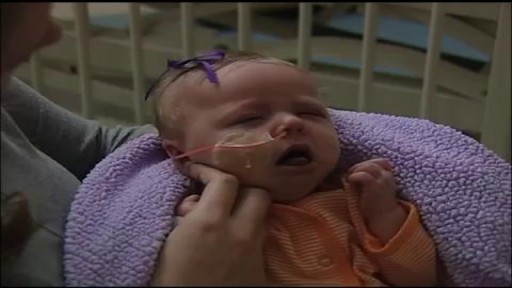
Whooping cough (pertussis) is a highly contagious respiratory tract infection. In many people, it's marked by a severe hacking cough followed by a high-pitched intake of breath that sounds like "whoop." Before the vaccine was developed, whooping cough was considered a childhood disease. Now whooping cough primarily affects children too young to have completed the full course of vaccinations and teenagers and adults whose immunity has faded. Deaths associated with whooping cough are rare but most commonly occur in infants. That's why it's so important for pregnant women — and other people who will have close contact with an infant — to be vaccinated against whooping cough.
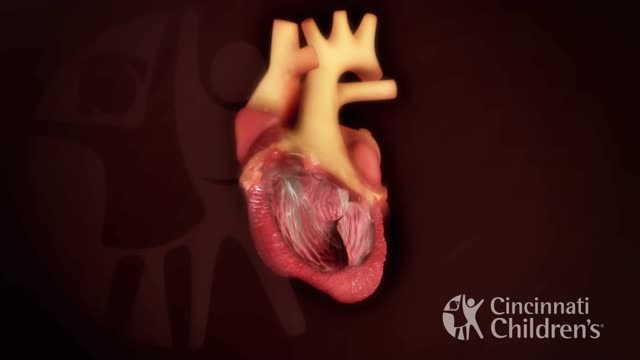
Truncus arteriosus is a rare type of heart disease that in which a single blood vessel (truncus arteriosus) comes out of the right and left ventricles, instead of the normal 2 vessels (pulmonary artery and aorta). It is present at birth (congenital heart disease)
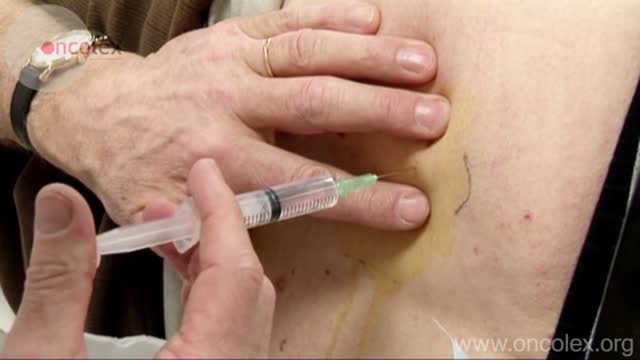
Bone marrow biopsy and bone marrow aspiration are procedures to collect and examine bone marrow — the spongy tissue inside some of your larger bones. Bone marrow biopsy and aspiration can show whether your bone marrow is healthy and making normal amounts of blood cells. Doctors use these procedures to diagnose and monitor blood and marrow diseases, including some cancers, as well as fevers of unknown origin. Bone marrow has a fluid portion and a more solid portion. In bone marrow biopsy, your doctor uses a needle to withdraw a sample of the solid portion. In bone marrow aspiration, a needle is used to withdraw a sample of the fluid portion.
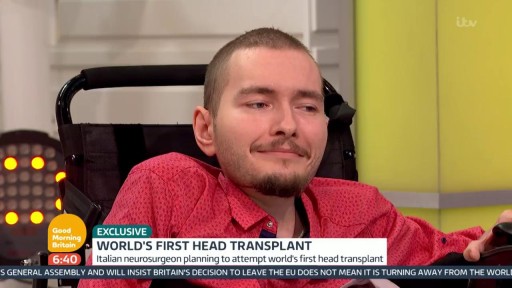
Watch that video to know more about the World's First Head Transplant Surgery
Tongue Lipoma Removal
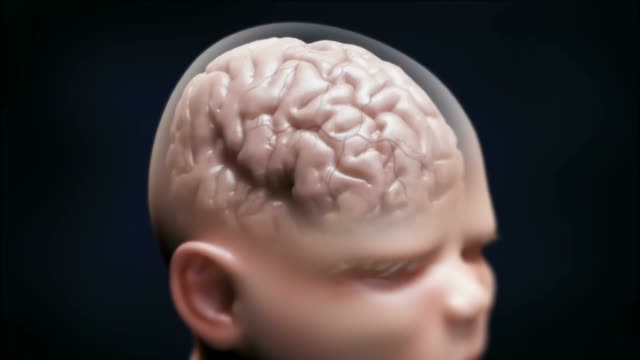
Shaken baby syndrome symptoms and signs include: Extreme irritability Difficulty staying awake Breathing problems Poor eating Tremors Vomiting Pale or bluish skin Seizures Paralysis Coma Other injuries that may not be initially noticeable include bleeding in the brain and eye, damage to the spinal cord and neck and fractures of the ribs, skull and bones. Evidence of prior child abuse also is common.
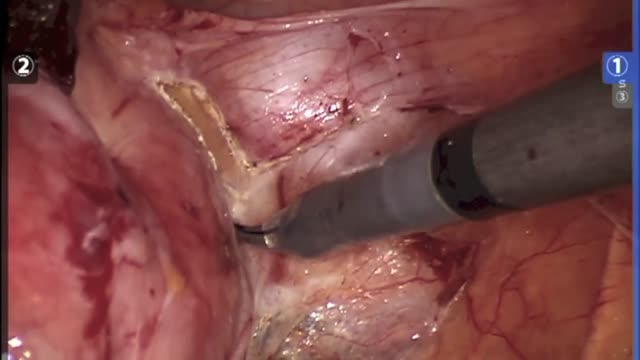
HYSTERECTOMY RECOVERY: ALL PROCEDURES ARE NOT CREATED EQUAL Too often, women are only given the option of an open hysterectomy for conditions like large fibroids or an enlarged uterus. Surgical techniques have evolved in the last decade, but across the United States, the number of women still having open hysterectomy procedures is unnecessarily staggering. Robotic procedures are becoming more common as hospitals invest nearly $2 million in the machine. While the robot does allow surgeons who are not necessarily trained in laparoscopic procedures to perform a more minimally invasive surgery, tools cannot replace skill. There is no added benefit to the patient and the surgery can cost on average up to $2,000 more than other laparoscopic options, and in some cases much higher.
