
- Physical Examination
- Surgical Examination
- Ophthalmology
- Clinical Skills
- Orthopedics
- Surgery Videos
- Laparoscopy
- Pediatrics
- Funny Videos
- Cardiothoracic Surgery
- Nursing Videos
- Plastic Surgery
- Otorhinolaryngology
- Histology and Histopathology
- Neurosurgery
- Dermatology
- Pediatric Surgery
- Urology
- Dentistry
- Oncology and Cancers
- Anatomy Videos
- Health and Fitness
- Radiology
- Anaesthesia
- Physical Therapy
- Pharmacology
- Interventional Radiology
- Cardiology
- Endocrinology
- Gynecology
- Emergency Medicine
- Psychiatry and Psychology
- Childbirth Videos
- General Medical Videos
- Nephrology
- Physiology
- Diet and Food Health
- Diabetes Mellitus
- Neurology
- Women Health
- Osteoporosis
- Gastroenterology
- Pulmonology
- Hematology
- Rheumatology
- Toxicology
- Nuclear Medicine
- Infectious Diseases
- Vascular Disease
- Reproductive Health
- Burns and Wound Healing
- Other
Top videos
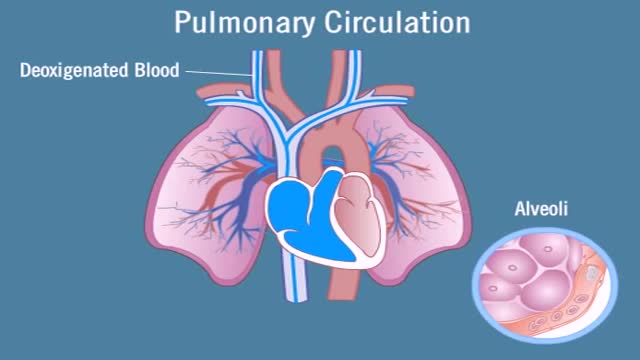

Pulmonary circulation is the portion of the cardiovascular system which carries deoxygenated blood away from the heart, to the lungs, and returns oxygenated (oxygen-rich) blood back to the heart. The function of pulmonary circulation is to exchange carbon dioxide for oxygen in the blood. It is the passage of blood from the heart to the capillaries of the lungs, where the gases are exchanged, and back to the heart to be pumped around the body.
How to Know If You Have Diabetes
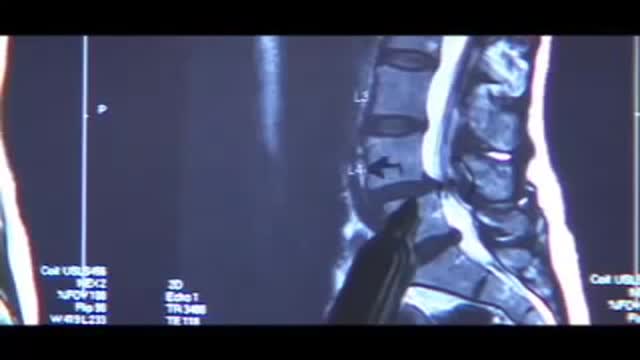
Instead of permanently joining (fusing) vertebrae with metal rods and screws, and therefore restricting movement, the new procedure uses the Anatomic Facet Replacement System (AFRS) device that attaches to each of two adjacent vertebrae with a movable joint that mimics the spine's natural joint.

Indian Boy has 232 teeth removed from his mouth !
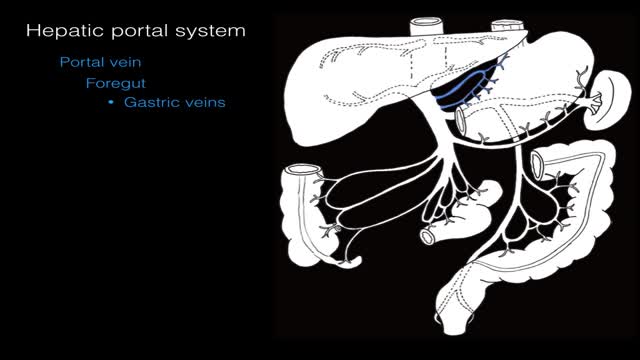
The hepatic portal system is the system of veins comprising the hepatic portal vein and its tributaries. It is responsible for directing blood from the region of the gastrointestinal tract between the esophagus and rectum and also includes venous drainage from the supplementary organs such as the spleen and pancreas.
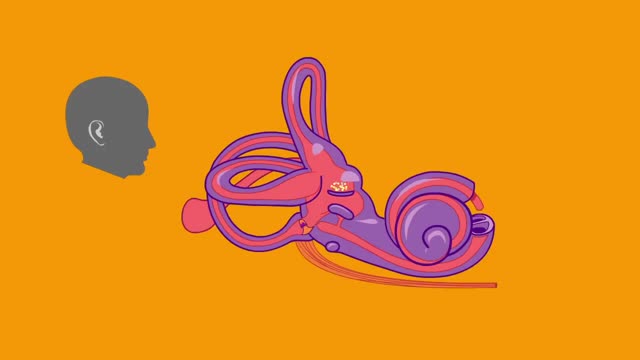
Benign paroxysmal positional vertigo is an abnormal feeling of motion triggered by certain provocative positions. The condition is most often attributed to the presence of calcium debris within the posterior semicircular canal. Nystagmus is commonly seen
Tie
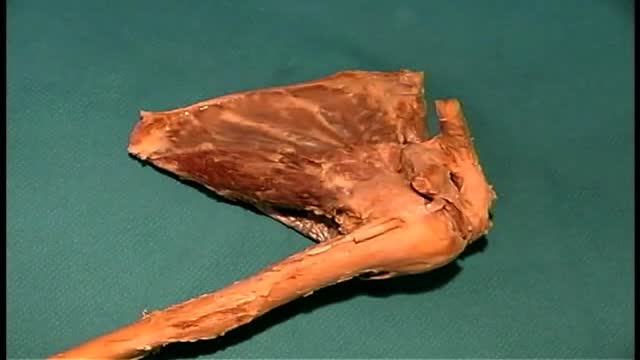
Anatomy of The Upper Limb Joints
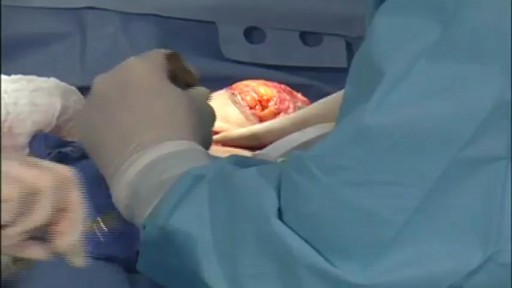
This is a breast life surgery. Over the years, factors such as pregnancy, nursing and the force of gravity take their toll on a woman's breasts. As the skin loses its elasticity, the breasts often lose their shape and firmness and begin to sag. Breast lift is a surgical procedure to raise and reshape the breasts (at least for a time). If your breasts are small or have lost volume (for example from pregnancy) breast implants inserted in conjunction with mastopexy can increase both their firmness and their size.
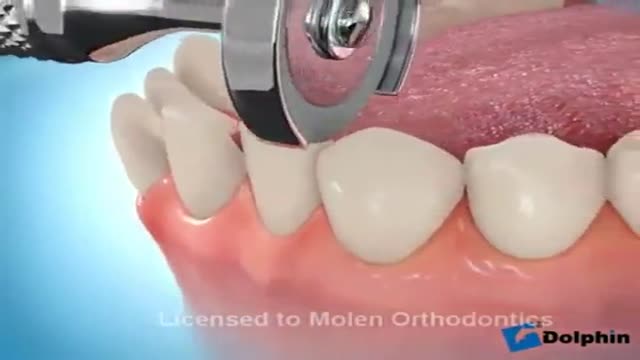
Dental Braces Animation
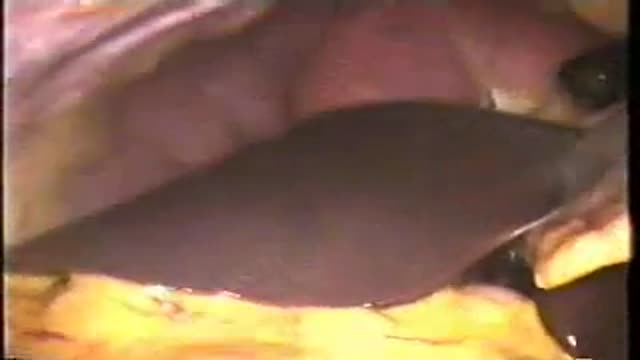
Cholecystectomy
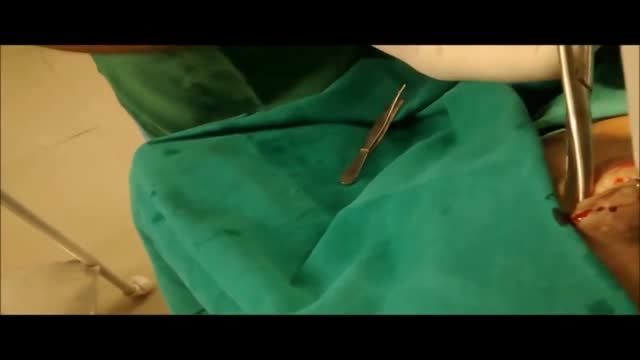
Skin Cysts Cysts are noncancerous, closed pockets of tissue that can be filled with fluid, pus, or other material. Cysts are common on the skin and can appear anywhere. They feel like large peas under the surface of the skin. Cysts can develop as a result of infection, clogging of sebaceous glands (oil glands), or around foreign bodies, such as earrings.
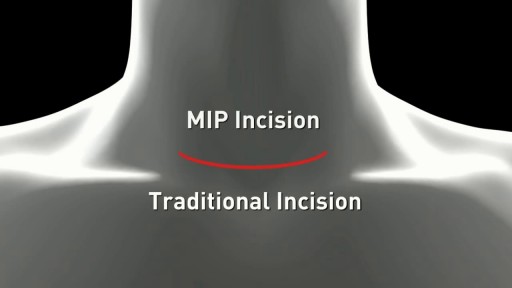
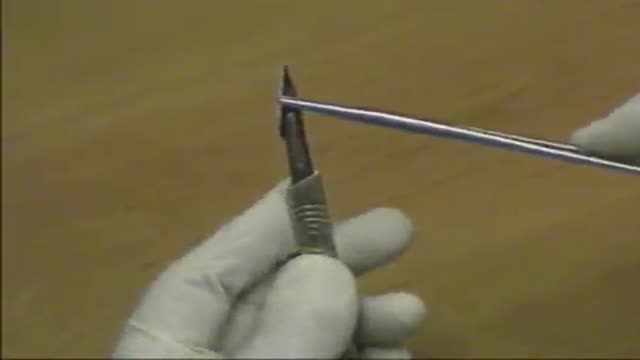
Scalpel Blade Handling
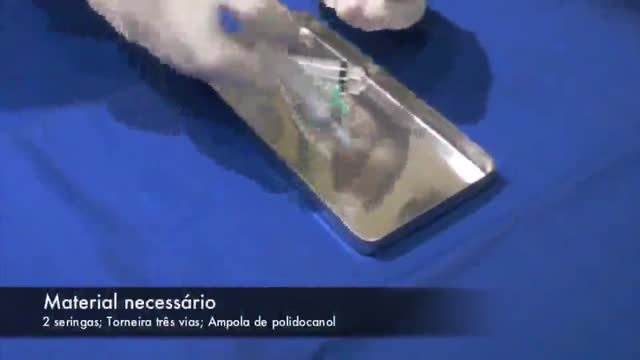
Creating polidocanol foam
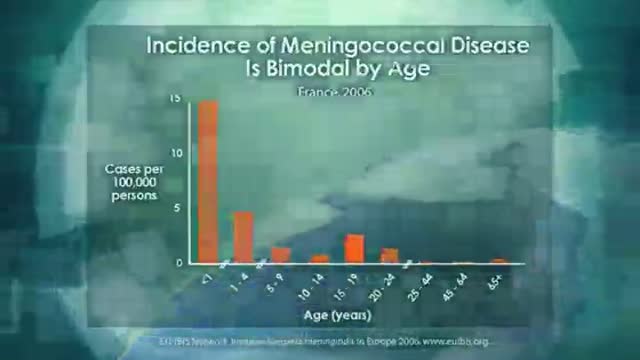
Meningeococcal Bacterial Maningitis Introduction
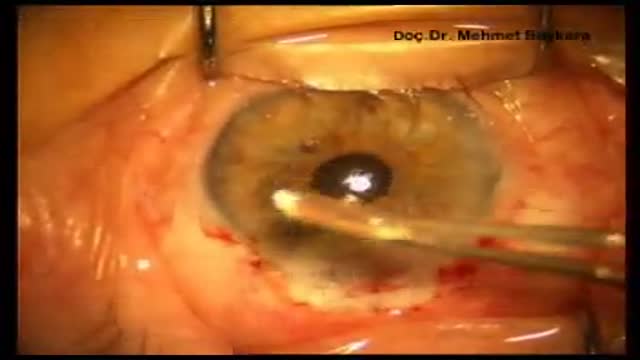
Posterior Iris Claw Lens Implantataion
Left pleura rupture during laparoscopy
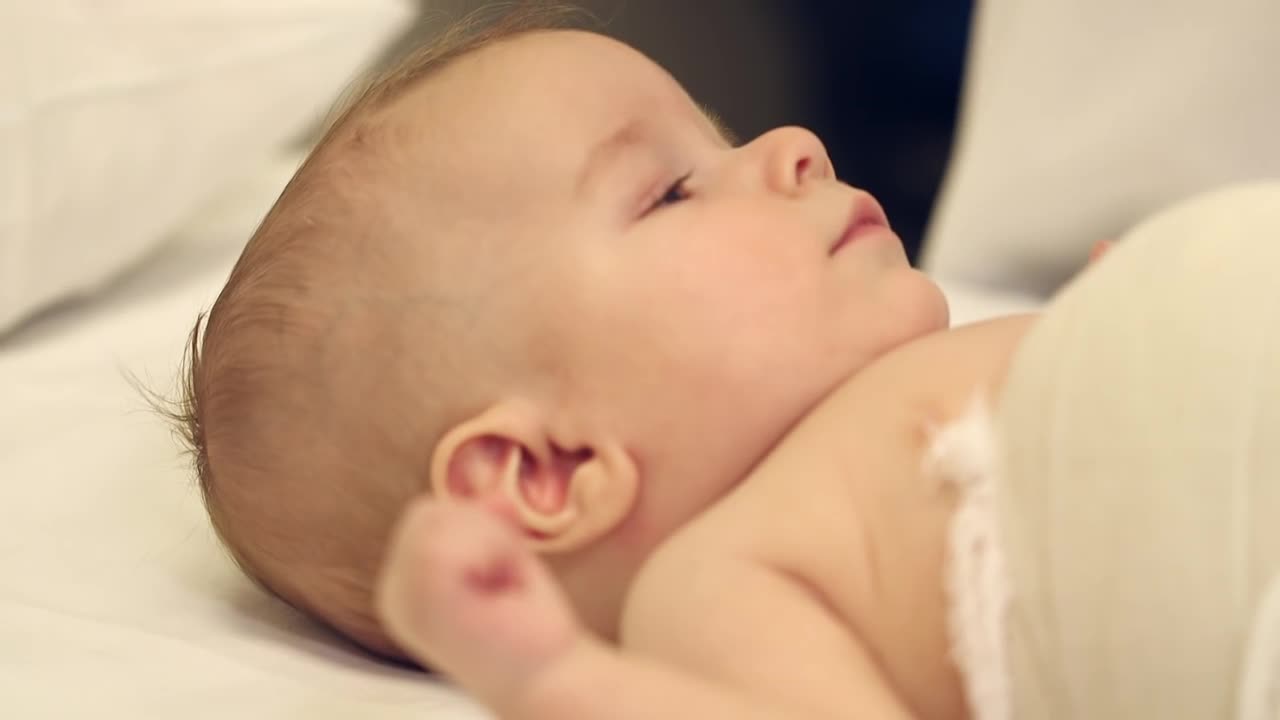
An omphalocele is a birth defect in which an infant's intestine or other abdominal organs are outside of the body because of a hole in the belly button (navel) area. The intestines are covered only by a thin layer of tissue and can be easily seen.
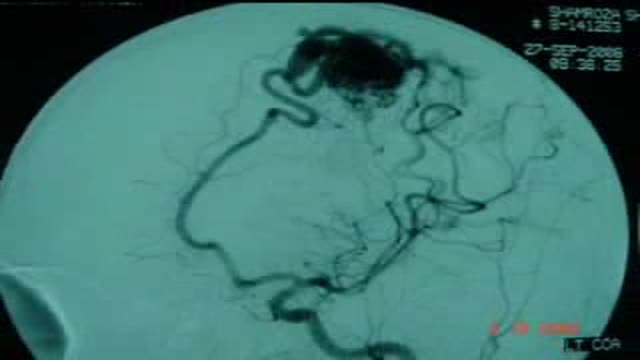
Removing ArterioVenous Malformation in Brain
