
शीर्ष वीडियो

If you use condoms perfectly every single time you have sex, they’re 98% effective at preventing pregnancy. But people aren’t perfect, so in real life condoms are about 85% effective — that means about 15 out of 100 people who use condoms as their only birth control method will get pregnant each year.
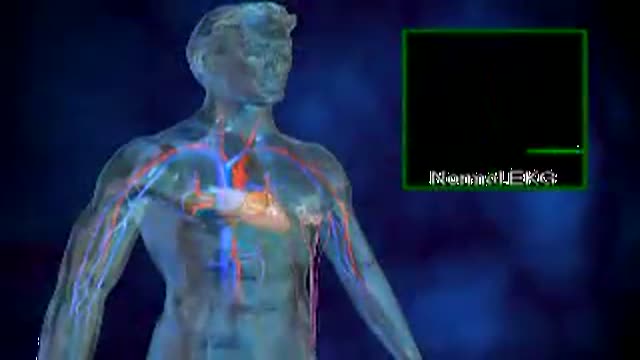
Atrial Fibrillation is the most common heart rythmn abnormatlity and is very common as you age. Atrial fibrillation is a condition in which the top chambers of the heart, the Atrium are fibrillating, rather than having a regular synchronized contraction. One of the worst complications of Atrial Fibrillation can be Stroke. There are very good treatments of Atrial Fibrillation. This animated video is an overview of Atrial Fibrillation.
Shannon, who recently underwent gastric bypass surgery, discusses her hopes and aspirations for life after her upcoming abdominoplasty surgery in Austin. Abdominoplasty, more commonly known as tummy tuck surgery, is a procedure which removes excess skin from the midsection and tightens the abdominal muscles for a more sculpted, leaner appearance. Please visit http://www.personique.com/tummy-tuckabdominoplasty.php to learn more about abdominoplasty in Austin.
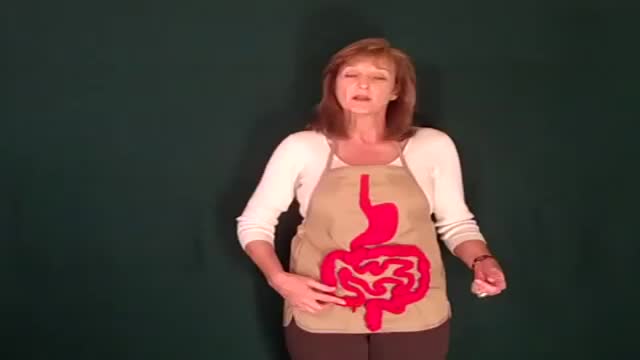
A colostomy is an operation that creates an opening for the colon, or large intestine, through the abdomen. A colostomy may be temporary or permanent. It is usually done after bowel surgery or injury.
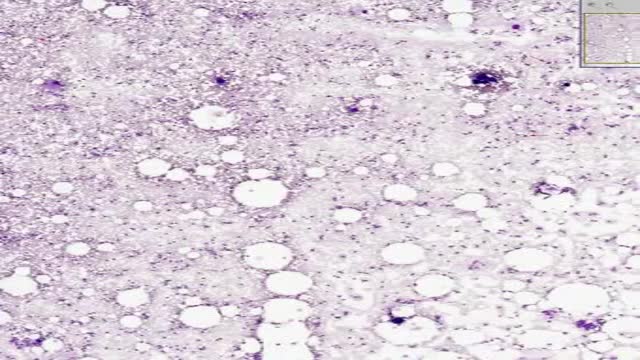
Histology of Bone Marrow Smear
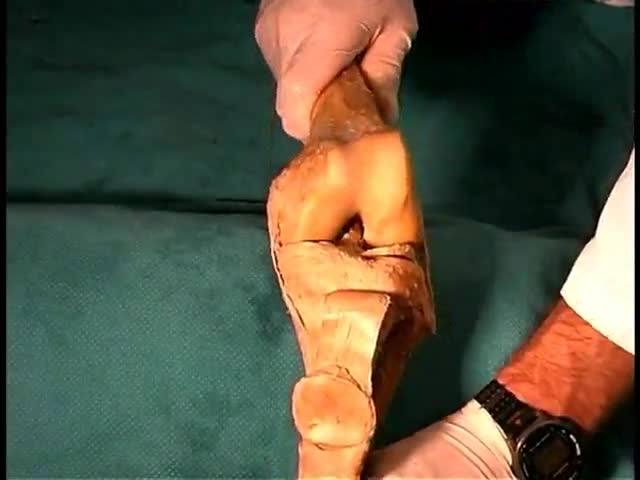
Anatomy of The Lower Limb Joints
http://www.HypothyroidismCure.blog300.com - Hypothyroidism Diet Plan - Hypothyroidism Treatment - Hypothyroidism Revolution
10 Hypothyroidism Diet Tips to Help Heal Your Thyroid
1. Avoid Anti-Thyroid Foods
2. Increase Your Saturated Fats
3. Eat Your Fruit
4. Increase Your Salt Intake
5. Get Plenty of Bone Broth
6. Eat Some Shellfish
7. Cut the Processed Foods
8. Cook Your Veggies
9. Don’t Overdo the Water
10. Drink Your Coffee
Hypothyroidism Diet Plan - Hypothyroidism Treatment - Hypothyroidism Revolution
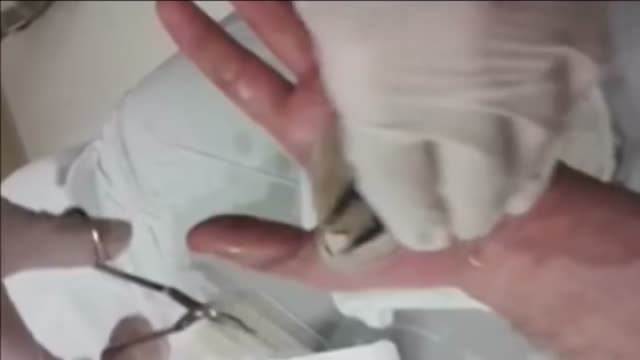
This video: Blisters caused by friction or minor burns do not require a doctor's care. New skin will form underneath the affected area and the fluid is simply absorbed. Do not puncture a blister unless it is large, painful, or likely to be further irritated. The fluid-filled blister keeps the underlying skin clean, which prevents infection and promotes healing.
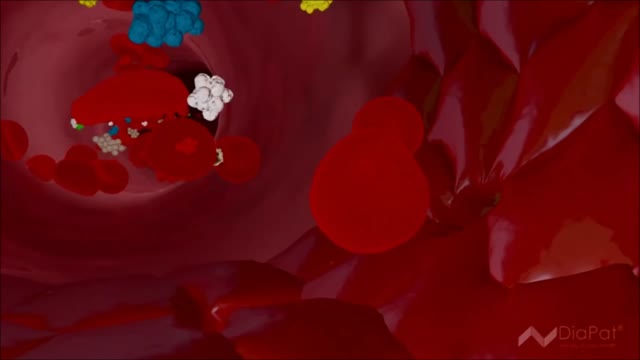
Depending on the underlying cause, some types of kidney disease can be treated. Often, though, chronic kidney disease has no cure. Treatment usually consists of measures to help control signs and symptoms, reduce complications, and slow progression of the disease. If your kidneys become severely damaged, you may need treatment for end-stage kidney disease. Treating the cause Your doctor will work to slow or control the cause of your kidney disease. Treatment options vary, depending on the cause. But kidney damage can continue to worsen even when an underlying condition, such as high blood pressure, has been controlled. Treating complications Kidney disease complications can be controlled to make you more comfortable. Treatments may include: High blood pressure medications. People with kidney disease may experience worsening high blood pressure. Your doctor may recommend medications to lower your blood pressure — commonly angiotensin-converting enzyme (ACE) inhibitors or angiotensin II receptor blockers — and to preserve kidney function. High blood pressure medications can initially decrease kidney function and change electrolyte levels, so you may need frequent blood tests to monitor your condition. Your doctor will likely also recommend a water pill (diuretic) and a low-salt diet. Medications to lower cholesterol levels. Your doctor may recommend medications called statins to lower your cholesterol. People with chronic kidney disease often experience high levels of bad cholesterol, which can increase the risk of heart disease. Medications to treat anemia. In certain situations, your doctor may recommend supplements of the hormone erythropoietin (uh-rith-roe-POI-uh-tin), sometimes with added iron. Erythropoietin supplements aid in production of more red blood cells, which may relieve fatigue and weakness associated with anemia. Medications to relieve swelling. People with chronic kidney disease may retain fluids. This can lead to swelling in the legs, as well as high blood pressure. Medications called diuretics can help maintain the balance of fluids in your body. Medications to protect your bones. Your doctor may prescribe calcium and vitamin D supplements to prevent weak bones and lower your risk of fracture. You may also take medication known as a phosphate binder to lower the amount of phosphate in your blood, and protect your blood vessels from damage by calcium deposits (calcification). A lower protein diet to minimize waste products in your blood. As your body processes protein from foods, it creates waste products that your kidneys must filter from your blood. To reduce the amount of work your kidneys must do, your doctor may recommend eating less protein. Your doctor may also ask you to meet with a dietitian who can suggest ways to lower your protein intake while still eating a healthy diet.

Dr. Vijay Bose is awarded by Sri. P. Chidambaram Honorable Minister of Finance for Young Achiver Winning Award Progarm.
USMLE Step 2 CS - Hypertension This is just preview video. To get full access please visit our website : www.usmletutoring.com
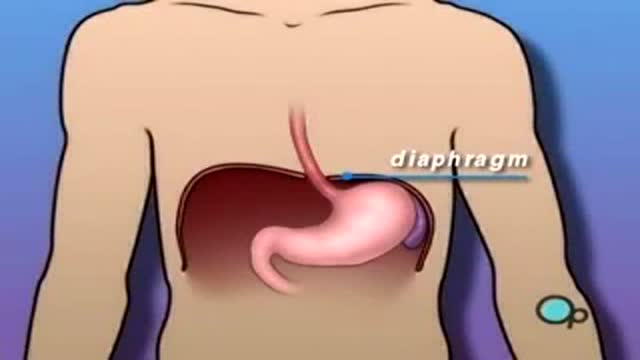
Hiatal Hernia 3D Medical Animation
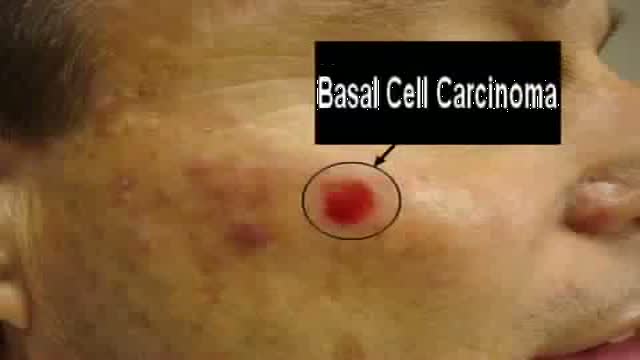
Graphic video demonstrating the reconstruction of a facial cheek defect following the removal of a common skin cancer in a challenging location near the lower eyelid. Visit us @ www.skincancercentre.com.
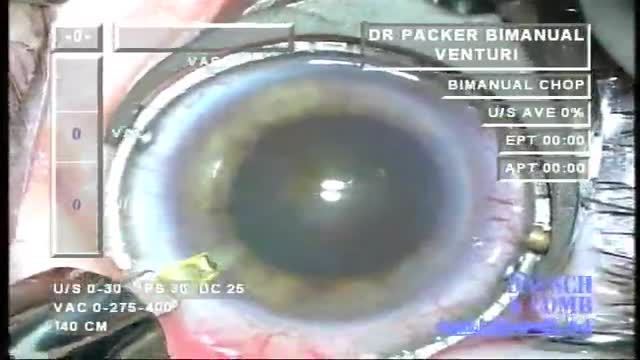
Challenges of cataract surgery in the eye with a history of radial keratotomy include IOL power calculation, protection of the cornea and aviodance of capsular complications.
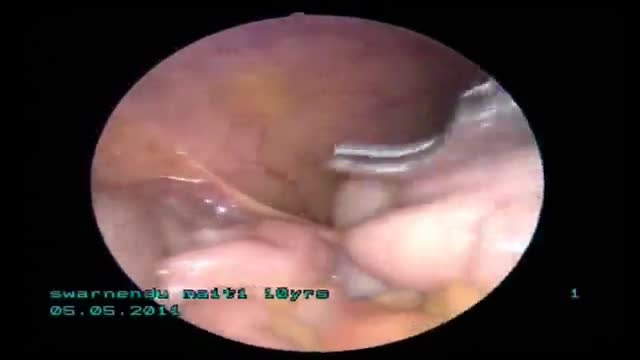
Intestinal malrotation is a developmental anomaly that occasionally causes an unusual array of symptoms in adults. The delay in diagnosis that is common in patients with malrotation frequently results in a ruptured appendix. Appendicitis should be considered when characteristic signs and symptoms are present, even if the location of abdominal pain is atypical.
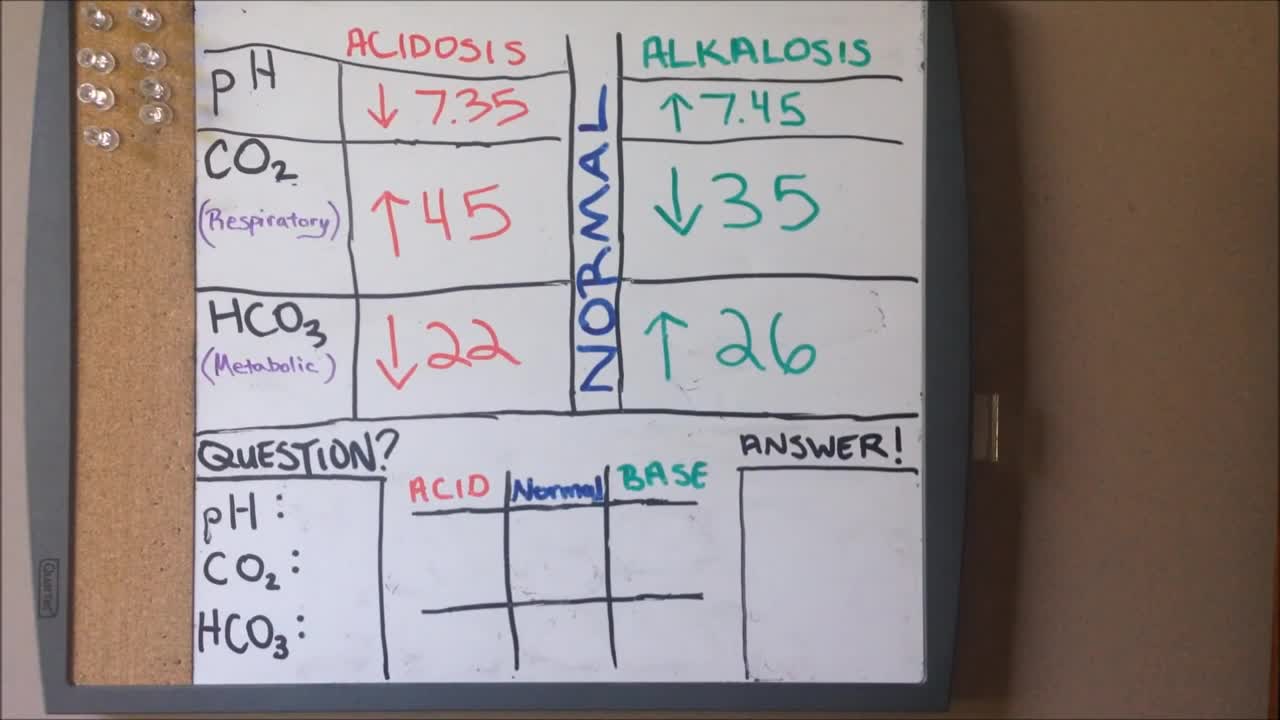
ABGs Made Easy | Arterial Blood Gas | Acid Base Balance: Everything You Need To Know!
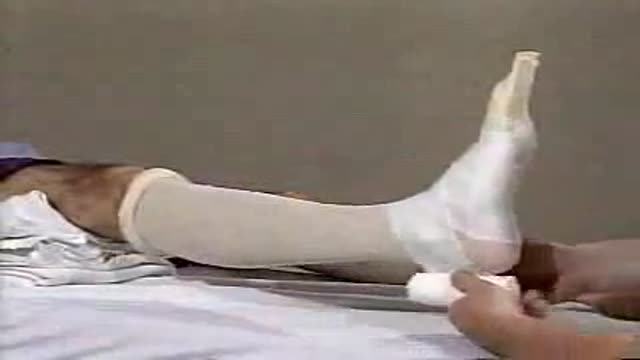
Short Leg Cast
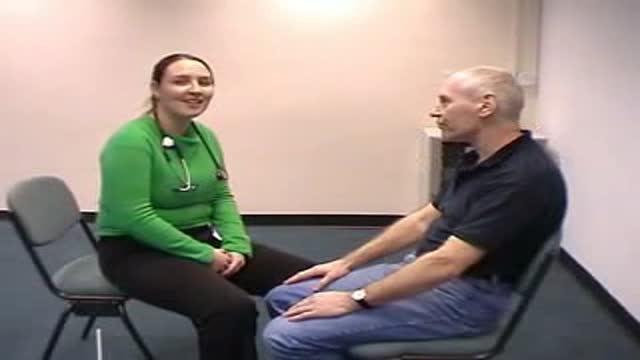
Thyroid Gland Clinical Exam Video
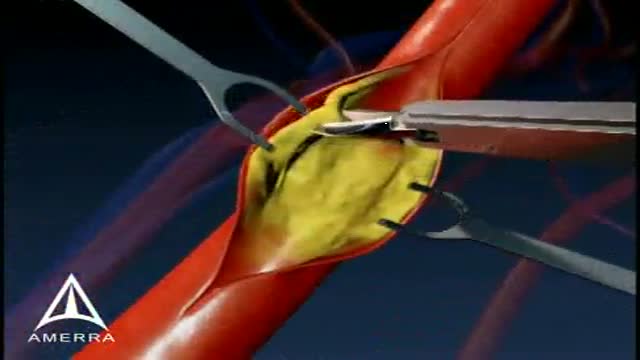
This medical animation is aimed at educating patients about the basics of a Carotid Endarectomy.
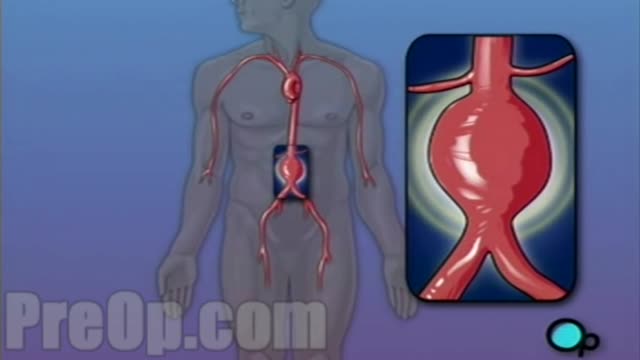
For this surgery, your doctor makes a large incision in the abdomen to expose the aorta. Once he or she has opened the abdomen, a graft can be used to repair the aneurysm. Open repair remains the standard procedure for an abdominal aortic aneurysm repair. Endovascular aneurysm repair (EVAR).
