
- Physical Examination
- Surgical Examination
- Ophthalmology
- Clinical Skills
- Orthopedics
- Surgery Videos
- Laparoscopy
- Pediatrics
- Funny Videos
- Cardiothoracic Surgery
- Nursing Videos
- Plastic Surgery
- Otorhinolaryngology
- Histology and Histopathology
- Neurosurgery
- Dermatology
- Pediatric Surgery
- Urology
- Dentistry
- Oncology and Cancers
- Anatomy Videos
- Health and Fitness
- Radiology
- Anaesthesia
- Physical Therapy
- Pharmacology
- Interventional Radiology
- Cardiology
- Endocrinology
- Gynecology
- Emergency Medicine
- Psychiatry and Psychology
- Childbirth Videos
- General Medical Videos
- Nephrology
- Physiology
- Diet and Food Health
- Diabetes Mellitus
- Neurology
- Women Health
- Osteoporosis
- Gastroenterology
- Pulmonology
- Hematology
- Rheumatology
- Toxicology
- Nuclear Medicine
- Infectious Diseases
- Vascular Disease
- Reproductive Health
- Burns and Wound Healing
- Other
Top videos
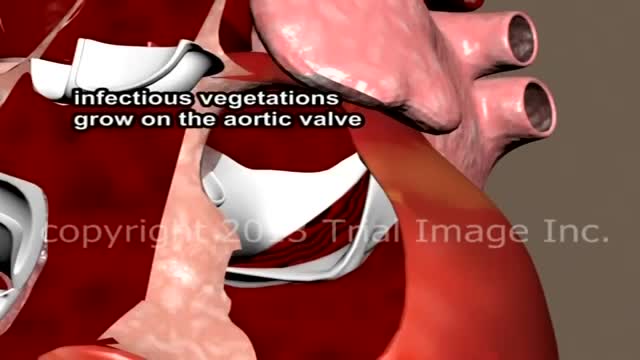

Endocarditis is an infection of the inner lining of your heart (endocardium). Endocarditis generally occurs when bacteria or other germs from another part of your body, such as your mouth, spread through your bloodstream and attach to damaged areas in your heart. Left untreated, endocarditis can damage or destroy your heart valves and can lead to life-threatening complications. Treatments for endocarditis include antibiotics and, in certain cases, surgery. Endocarditis is uncommon in people with healthy hearts. People at greatest risk of endocarditis have damaged heart valves, artificial heart valves or other heart defects.
Antiphospholipid (AN-te-fos-fo-LIP-id) syndrome occurs when your immune system attacks some of the normal proteins in your blood. It can cause blood clots in your arteries or veins. And it can cause pregnancy complications, such as miscarriage and stillbirth. Blood clots in your leg veins cause a condition known as deep vein thrombosis (DVT). Damage from blood clots in your organs, such as your kidneys, lungs or brain, depends on the extent and location of the clot. For instance, a clot in your brain can cause a stroke. There's no cure for antiphospholipid syndrome, but medications can reduce your risk of blood clots.
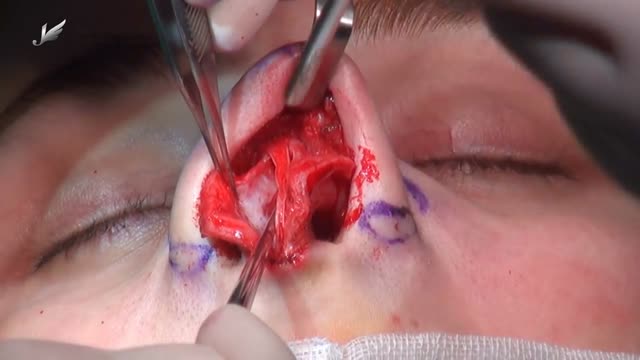
Rhinoplasty enhances facial harmony and the proportions of your nose. It can also correct impaired breathing caused by structural defects in the nose. Rhinoplasty surgery can change: Nose size in relation to facial balance Nose width at the bridge or in the size and position of the nostrils Nose profile with visible humps or depressions on the bridge Nasal tip that is enlarged or bulbous, drooping, upturned or hooked Nostrils that are large, wide, or upturned Nasal asymmetry
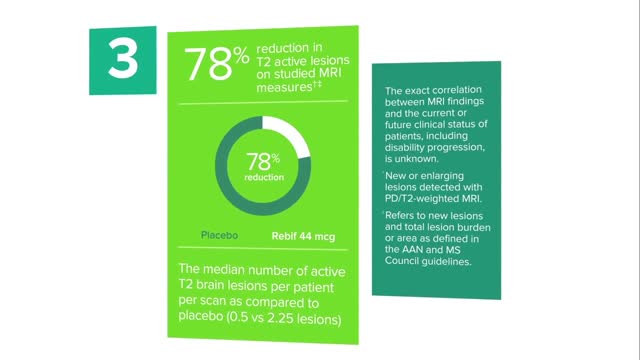
Doctors have many options to choose from, including interferon (Avonex, Betaseron, Extavia, and Rebif ), glatiramer acetate (Copaxone), mitoxantrone (Novantrone), teriflunomide (Aubagio), fingolimod (Gilenya), dimethyl fumarate (Tecfidera), and natalizumab (Tysabri).
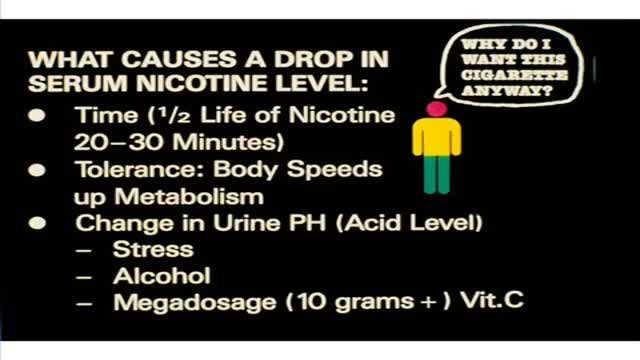
Most people start smoking when they are in their teens and are addicted by the time they reach adulthood. Some have tried to quit but have returned to cigarettes because smoking is such a strong addiction. It is a habit that is very difficult to break. There are many different reasons why people smoke.
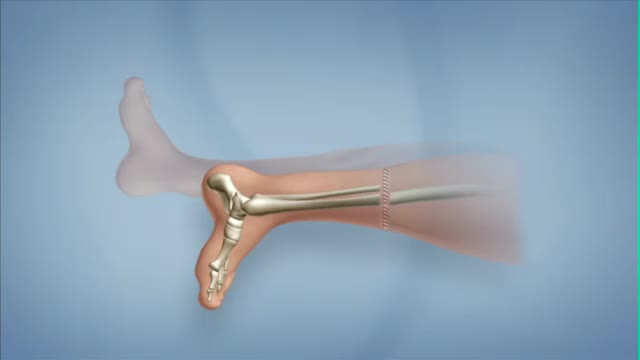
Rotationplasty is a type of autograft wherein a portion of a limb is removed, while the remaining limb below the involved portion is rotated and reattached. This procedure is used when a portion of an extremity is injured or involved with a disease, such as cancer. Typically, the ankle joint becomes the knee joint.
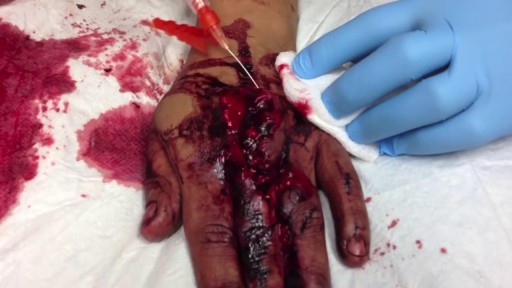
Skin laceration repair is an important skill in family medicine. Sutures, tissue adhesives, staples, and skin-closure tapes are options in the outpatient setting. Physicians should be familiar with various suturing techniques, including simple, running, and half-buried mattress (corner) sutures. Although suturing is the preferred method for laceration repair, tissue adhesives are similar in patient satisfaction, infection rates, and scarring risk in low skin-tension areas and may be more cost-effective. The tissue adhesive hair apposition technique also is effective in repairing scalp lacerations. The sting of local anesthesia injections can be lessened by using smaller gauge needles, administering the injection slowly, and warming or buffering the solution. Studies have shown that tap water is safe to use for irrigation, that white petrolatum ointment is as effective as antibiotic ointment in postprocedure care, and that wetting the wound as early as 12 hours after repair does not increase the risk of infection. Patient education and appropriate procedural coding are important after the repair.
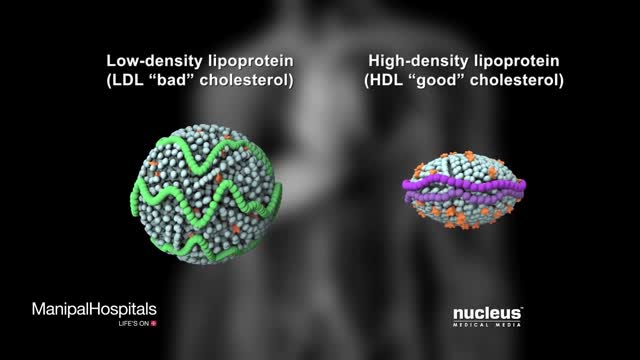
High cholesterol, or dyslipidemia, means that there is an imbalance of fats (lipids), circulating in your blood stream. Cholesterol is a fatty substance your body uses to make hormones and metabolize food.
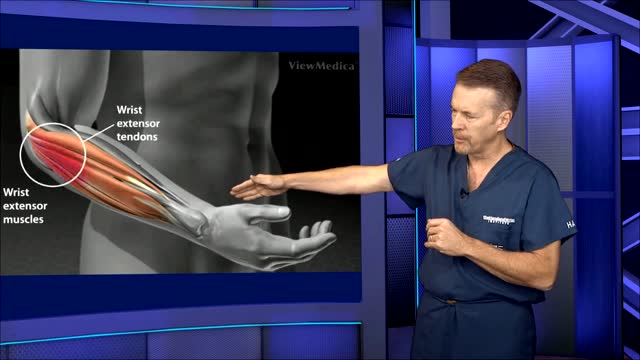
This video: Tennis elbow or lateral epicondylitis is a condition in which the outer part of the elbow becomes sore and tender. The forearm muscles and tendons become damaged from overuse — repeating the same strenuous motions again and again.
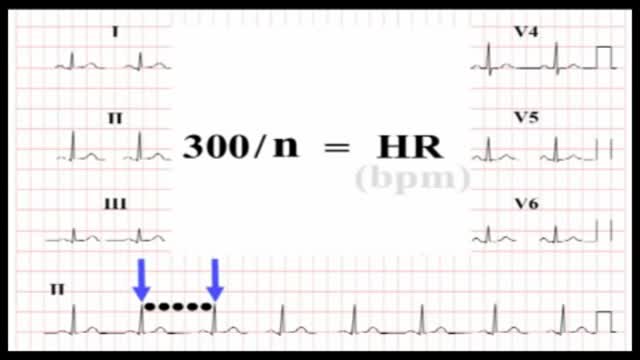
Basic ECG Interpretation Our ECG Interpretation Training and Reference Guides provide basic lessons for ECG analysis as well as a quick reference guide for over 40 types of ECG tracings. The arrhythmia drills and quizzes allow you to practice ECG interpretation. What is ECG Interpretation? An electrocardiogram or ECG, records electrical activity in the heart. An ECG machine records these electrical signals across multiple heart beats and produces an ECG strip that is interpreted by a healthcare professional. How Electrocardiograms Work - ECG Strips To briefly summarize the components of a normal ECG tracings, it consist of waveform components which indicate electrical events during one heart beat. These waveforms are labeled P, Q, R, S, T and U. P wave is the first short upward movement of the ECG tracing. It indicates that the atria are contracting, pumping blood into the ventricles. The QRS complex, normally beginning with a downward deflection, Q; a larger upwards deflection, a peak (R); and then a downwards S wave. The QRS complex represents ventricular depolarization and contraction. The PR interval indicates the transit time for the electrical signal to travel from the sinus node to the ventricles. T wave is normally a modest upwards waveform representing ventricular repolarization. ECG Interpretation illustration spacer image ECG Training - Introduction The focus of this introductory ECG course is to provide a tutorial about the main features of ECGs along with a method for analyzing ECGs. This method includes assessment of rhythm, calculating heart rate, observing P-wave forms, measurement of intervals and segments and the evaluation of other relevant waves. ECG practice exercises serve to reinforce the lesson content.
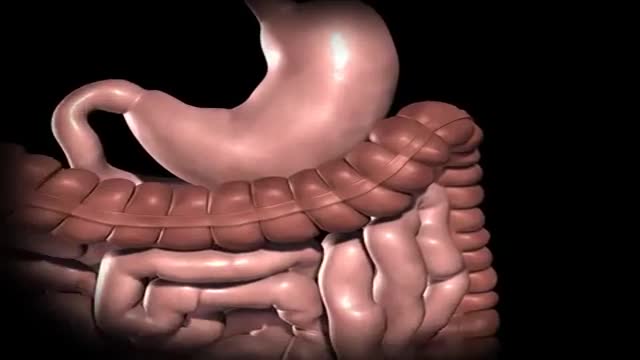
Gastric bypass is surgery that helps you lose weight by changing how your stomach and small intestine handle the food you eat. After the surgery, your stomach will be smaller. You will feel full with less food. The food you eat will no longer go into some parts of your stomach and small intestine that absorb food. Because of this, your body will not get all of the calories from the food you eat.
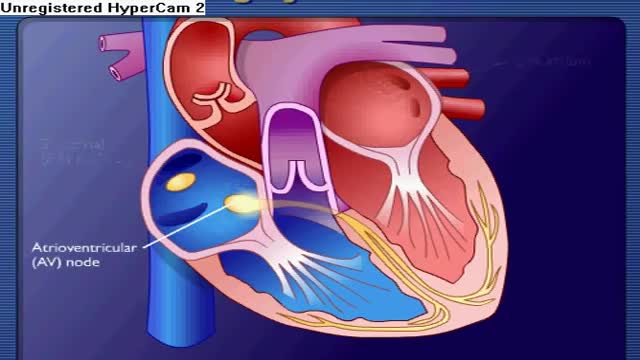
Premature ventricular contractions (PVCs) are extra, abnormal heartbeats that begin in one of your heart's two lower pumping chambers (ventricles). These extra beats disrupt your regular heart rhythm, sometimes causing you to feel a flip-flop or skipped beat in your chest.

A ventricular septal defect (VSD) is an opening or hole in the wall that separates the two lower chambers of the heart. This wall is called the ventricular septum. The hole causes oxygen-rich blood to leak from the left side of the heart to the right side. This causes extra work for the right side of the heart, since more blood than necessary is flowing through the right ventricle to the lungs. The hole is usually closed with surgery. However, in certain situations, your child's cardiologist and surgeon may think it is best to close the hole with a special device. This procedure is done in the heart catheterization lab.
It's a symptom of heart disease but typically does not cause permanent damage to the heart. It is, though, a sign that you are a candidate for a heart attack at some point in the future. The chest pain may spread to your arm, shoulder, jaw, or back. It may feel like a pressure or squeezing sensation.
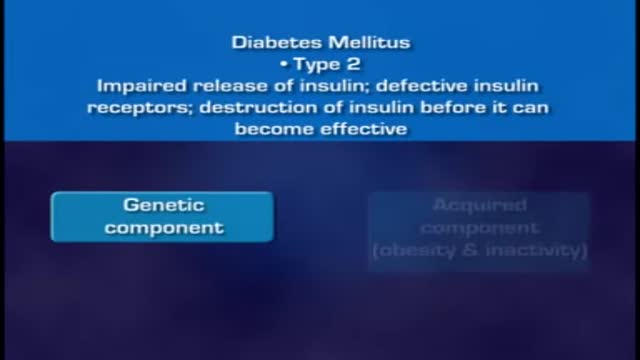
When food is taken, it is broken down into smaller components. Sugars and carbohydrates are thus broken down into glucose for the body to utilize them as an energy source. The liver is also able to manufacture glucose. In normal persons the hormone insulin, which is made by the beta cells of the pancreas, regulates how much glucose is in the blood. When there is excess of glucose in blood, insulin stimulates cells to absorb enough glucose from the blood for the energy that they need. Insulin also stimulates the liver to absorb and store any excess glucose that is in the blood. Insulin release is triggered after a meal when there is a rise in blood glucose. When blood glucose levels fall, during exercise for example, insulin levels fall too. High insulin will promote glucose uptake, glycolysis (break down of glucose), and glycogenesis (formation of storage form of glucose called glycogen), as well as uptake and synthesis of amino acids, proteins, and fat. Low insulin will promote gluconeogenesis (breakdown of various substrates to release glucose), glycogenolysis (breakdown of glycogen to release gluose), lipolysis (breakdown of lipids to release glucose), and proteolysis (breakdown of proteins to release glucose). Insulin acts via insulin receptors.
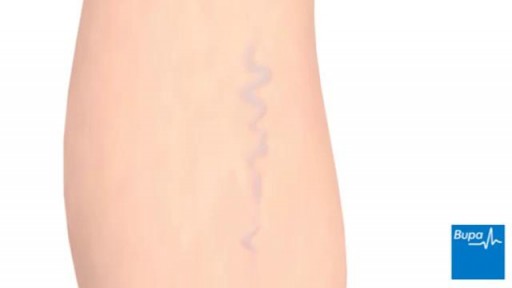
Varicose veins are generally benign. The cause of this condition is not known. For many people, there are no symptoms and varicose veins are simply a cosmetic concern. In some cases, they cause aching pain and discomfort or signal an underlying circulatory problem. Treatment involves compression stockings, exercise, or procedures to close or remove the veins.

Happy New Year 2017
Diabetic retinopathy involves changes to retinal blood vessels that can cause them to bleed or leak fluid, distorting vision. Diabetic retinopathy is the most common cause of vision loss among people with diabetes and a leading cause of blindness among working-age adults.
The usual reason given for people getting fat is that they eat too much and/or exercise too little. That reflects one of the basic laws of thermodynamics—I forget which one. The amount of energy you put into a system minus the energy you take out has to be stored somewhere i.e. FAT! This formulation—true though it is—does not entirely explain obesity since some people seem to eat more than fat people and exercise no more than these same fat people, and yet they are not fat! Chalking this fact up to the general perversity of the universe is not sufficient explanation. Other factors must come into play. I mention below some of the ideas thoughtful people have proposed to explain why fat people become fat:
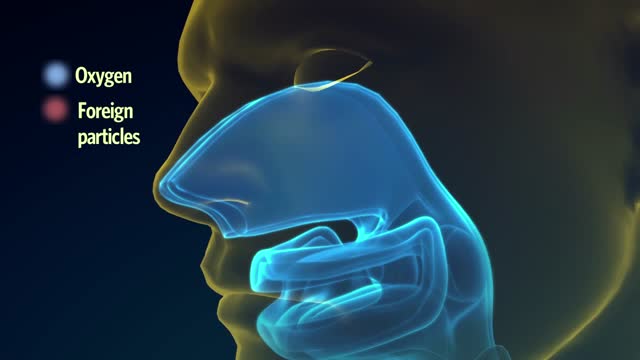
The lungs and respiratory system allow oxygen in the air to be taken into the body, while also enabling the body to get rid of carbon dioxide in the air breathed out. Respiration is the term for the exchange of oxygen from the environment for carbon dioxide from the body's cells.
