
Top video's
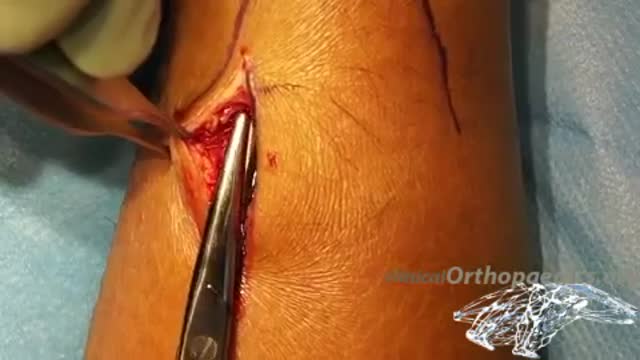

Mini-invasive surgical repair of a ruptured Achilles tendon
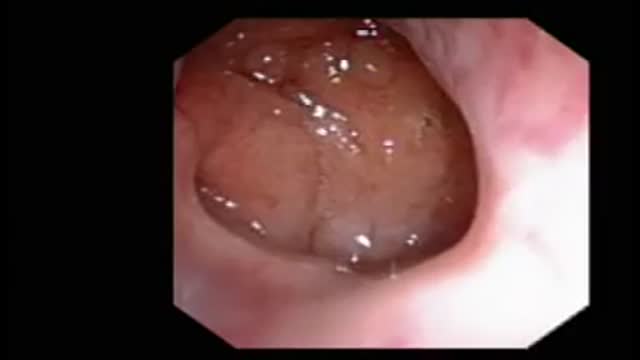
You're sneezing, coughing, and all stuffed up. It sounds and feels like a cold, alright. But as time goes on, you start to wonder. Is it turning into a sinus infection? They've got some things in common, but there are ways to tell them apart. The right ID lets your doctor get you the best treatment. What Is a Common Cold? It's an infection caused by a virus, a tiny living thing. You can't miss the symptoms: Nasal congestion Runny nose Post-nasal drip (drop-by-drop release of fluid from your nose into the back of the throat) Headache Fatigue You may also get a cough and a mild fever. The symptoms usually build, peak, and slowly disappear. Some medications can ease symptoms. For example, decongestants may decrease drainage and open the nasal passages. Pain relievers may help with fever and headache. Cough medicine may help, as well. Colds typically last from a few days to about a week or longer. Sometimes, a cold may cause swelling in the sinuses, hollow spaces in your skull that are connected to each other. The swelling can prevent the flow of mucus.

There are 3 major parts of the respiratory system: the airway, the lungs, and the muscles of respiration. The airway, which includes the nose, mouth, pharynx, larynx, trachea, bronchi, and bronchioles, carries air between the lungs and the body's exterior.
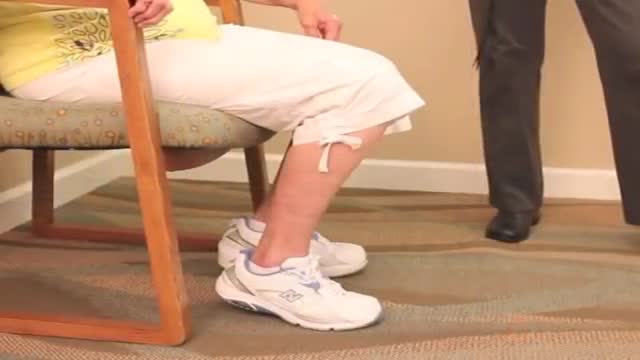
The "Get up and go" test is most commonly used to assess postural stability. In this test, the physician instructs the patient to stand up from a chair without assistance, walk a short distance, turn around, return, and sit down again. If the patient is unsteady or has difficulties during the test, further evaluation is necessary.
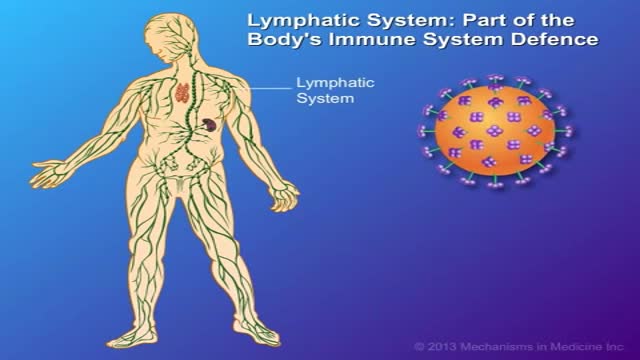
CD4 T-cells (a type of white blood cell) are important to your body's defence against infections. This animation describes how your immune system is weakened by the HIV virus, which targets CD4 T-cells and leads to their gradual decline in number. Low to very low levels of CD4 cells put you at risk for 'opportunistic infections' that take advantage of the body's weakened immune system.
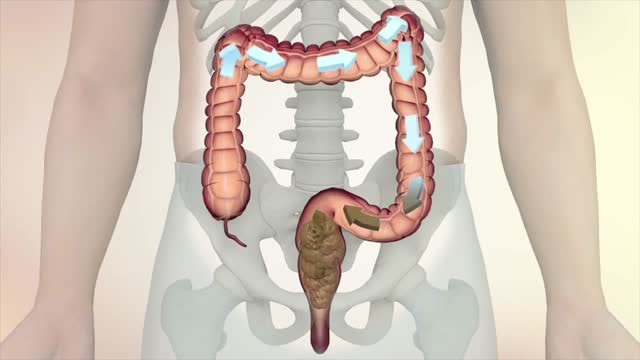
This information is collected from Oncolex. For more on colon and rectum (
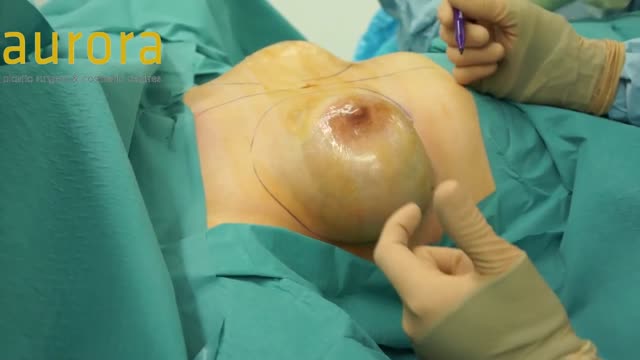
Removal and Replacement with Breast Capsulectomy

Sporotrichosis (also known as "rose gardener's disease") is a disease caused by the infection of the fungus Sporothrix schenckii. This fungal disease usually affects the skin, although other rare forms can affect the lungs, joints, bones, and even the brain.

Surgery is an elective procedure done in people who have had extensive testing to decide if they are potential candidates. The following criteria are considered when determining if a person may be a good candidate for surgery. Person has failed adequate trials of two first-line seizure medicines (ones that are commonly effective in controlling the type of seizures the person is experiencing) and one combination of at least two drugs. A trial of a medication is considered adequate when it has been increased gradually to the maximum dosage that does not cause serious side effects. If the person has frequent seizures, any improvement will be obvious after a short time. If the seizures generally occur far apart, however, it may take months to determine whether a medication is helping. At some epilepsy centers, patients are offered additional conventional or experimental medications before surgery is considered. But research suggests that each time a trial of medication fails to control a person's seizures, it becomes less likely that a different medicine or combination will be successful. Since uncontrolled seizures present serious physical risks and social and psychological consequences, the trend these days is to proceed with surgery much sooner than in the past if it seems appropriate for that person.
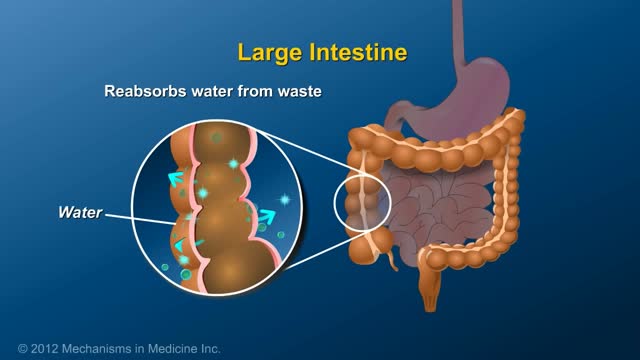
An ileostomy is an opening in the belly (abdominal wall) that’s made during surgery. The end of the ileum (the lowest part of the small intestine) is brought through this opening to form a stoma, usually on the lower right side of the abdomen. A Wound Ostomy Continence nurse (WOCN or WOC nurse) or the surgeon will figure out the best location for your stoma. (A WOC nurse is a specially trained registered nurse who takes care of and teaches ostomy patients. This nurse may also be called an ostomy nurse.)
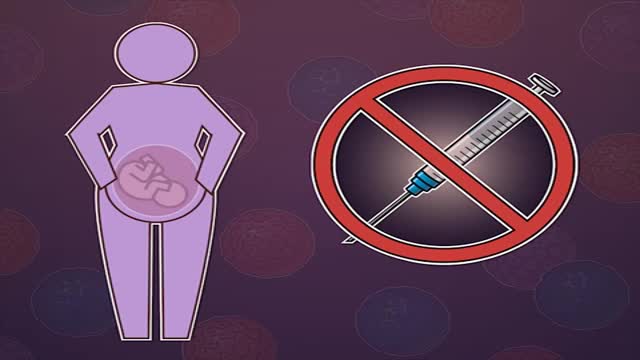
HPV causes genital warts and cervical and other anogenital cancers. The HPV vaccine is recommended for girls and women 9 to 26 years of age to reduce infections, but information on safety in pregnant women is limited.
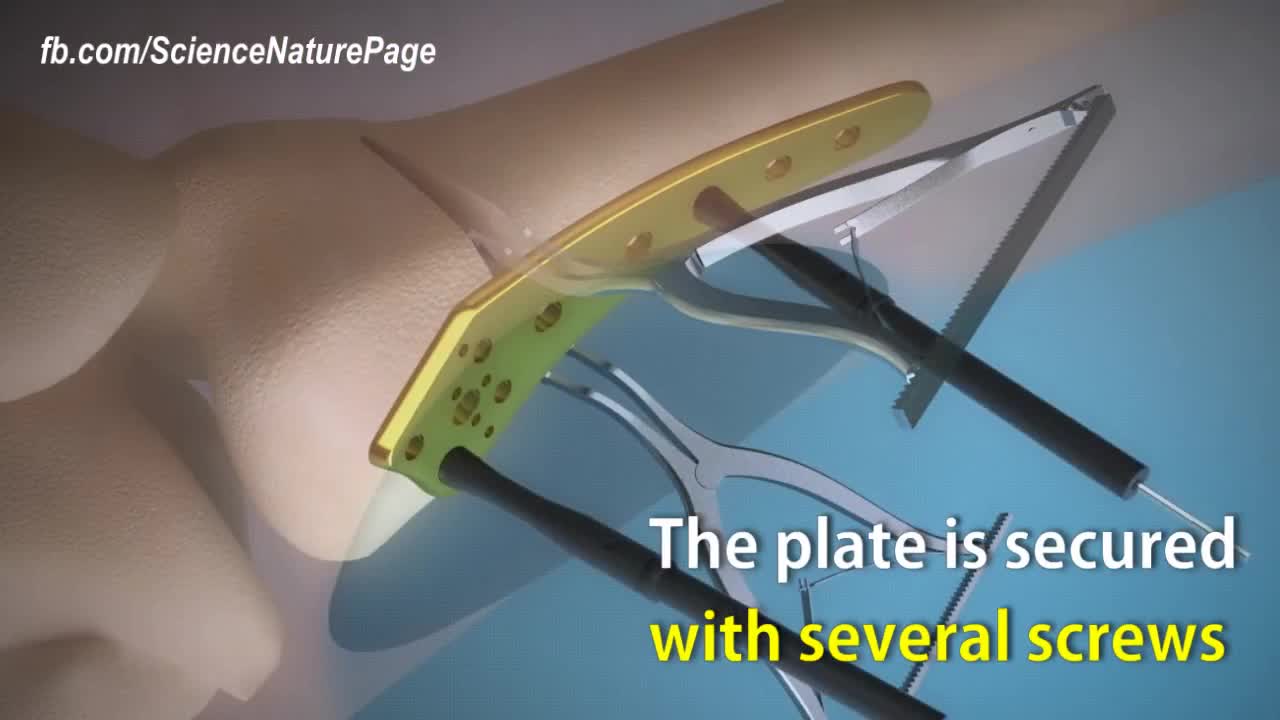
Here is how surgeons perform knock knee correction surgery. Titanium plate is used to stabilize the affected area. The femur is cut nearly through to help with the stability. Spreaders angle the cut align the leg. The plate is secured with several screws. Synthetic bone graft material is packed in the joint. The patient will be in crutches for 4 to 6 weeks.

Developmental Milestones: Baby Talk from First Sounds to First Words

What is jaundice? Well, jaundice is a condition where the skin and eyes take on a yellowish color due to increased levels of bilirubin in the bloodstream
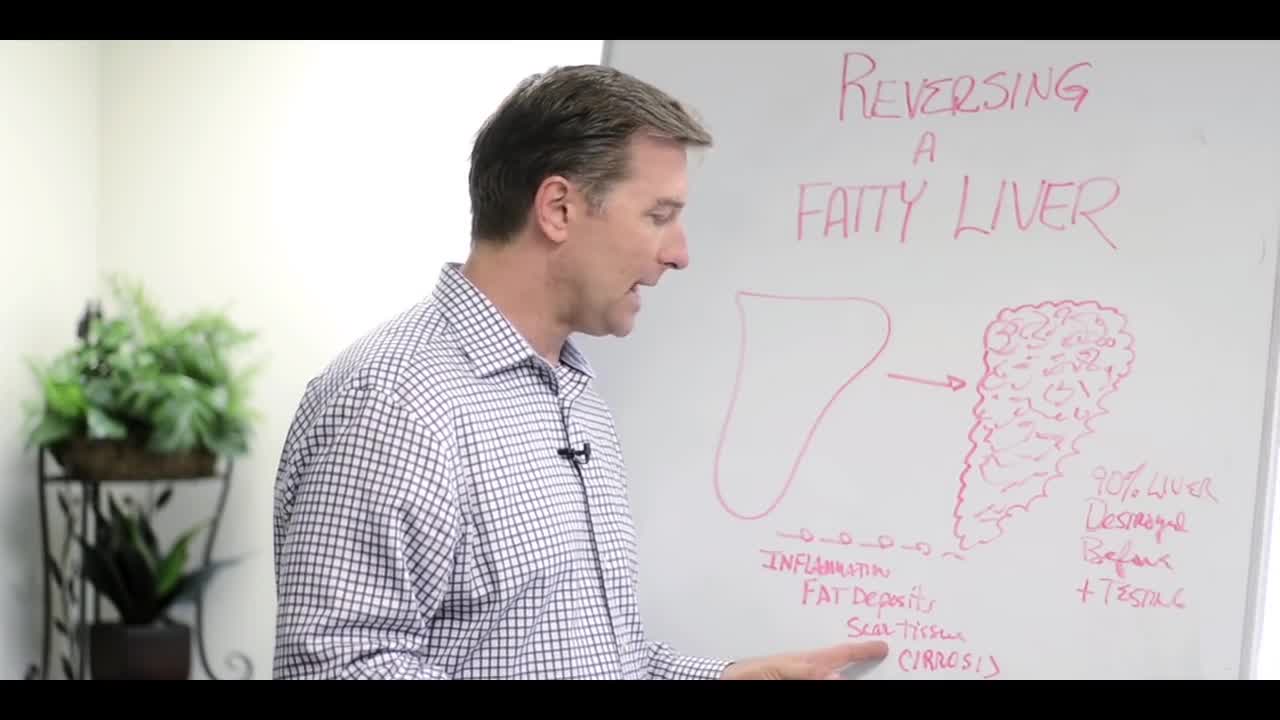
explains about fatty liver symptoms and fatty liver treatment. watch to learn more
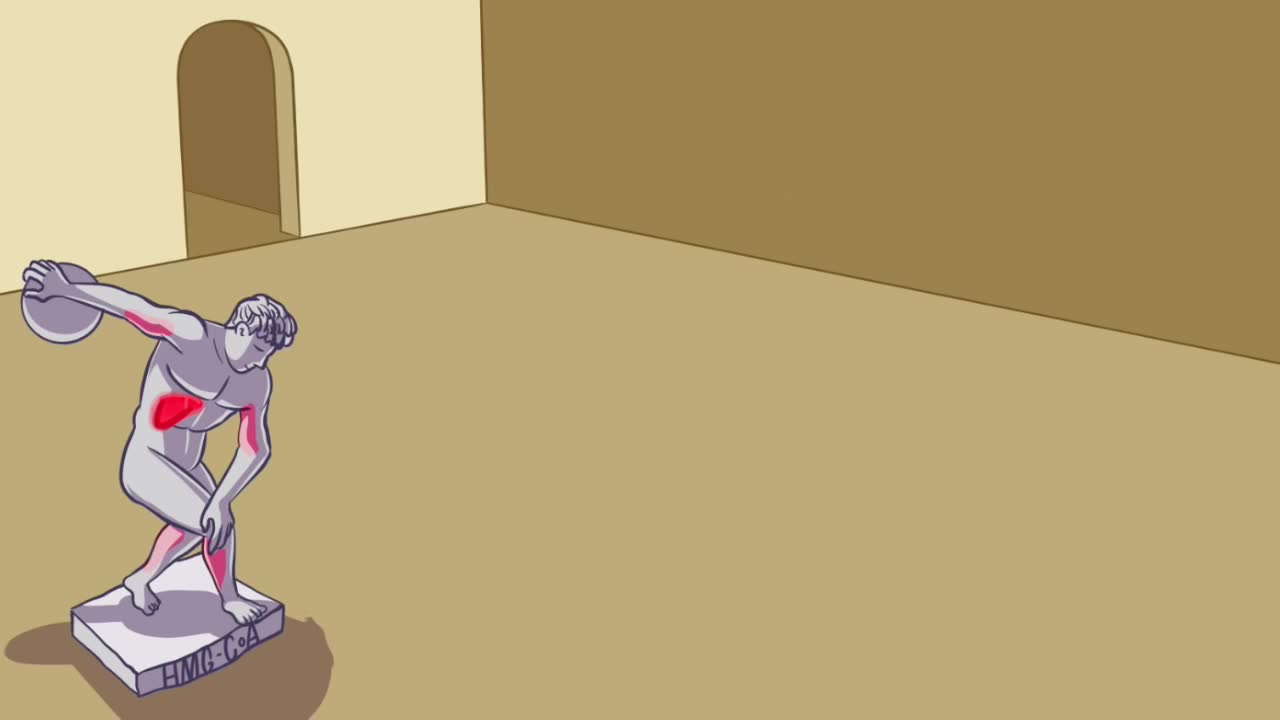
This animated video covers statins, fibrates, niacin, bile resins, and ezetimibe. We will discuss mechanisms of action, which part of the lipid profile is affected by each drug, and common side effects.
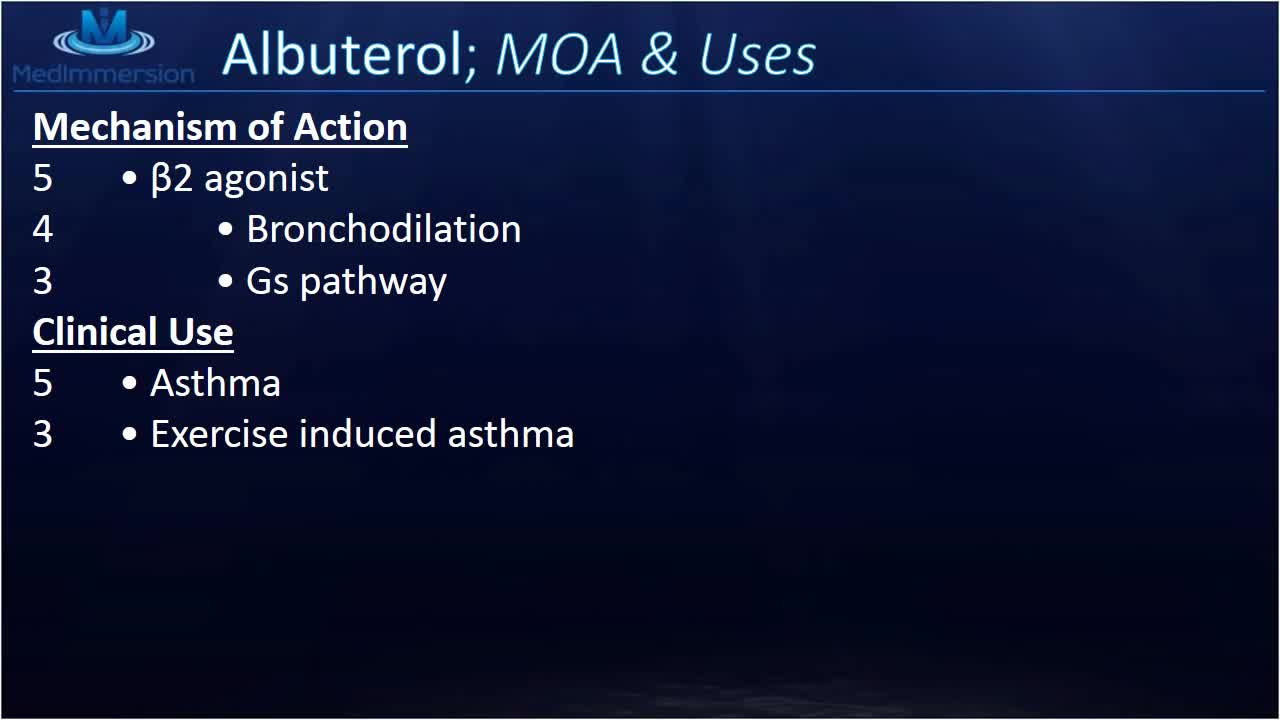
A short lecture on albuterol for self-study or review.
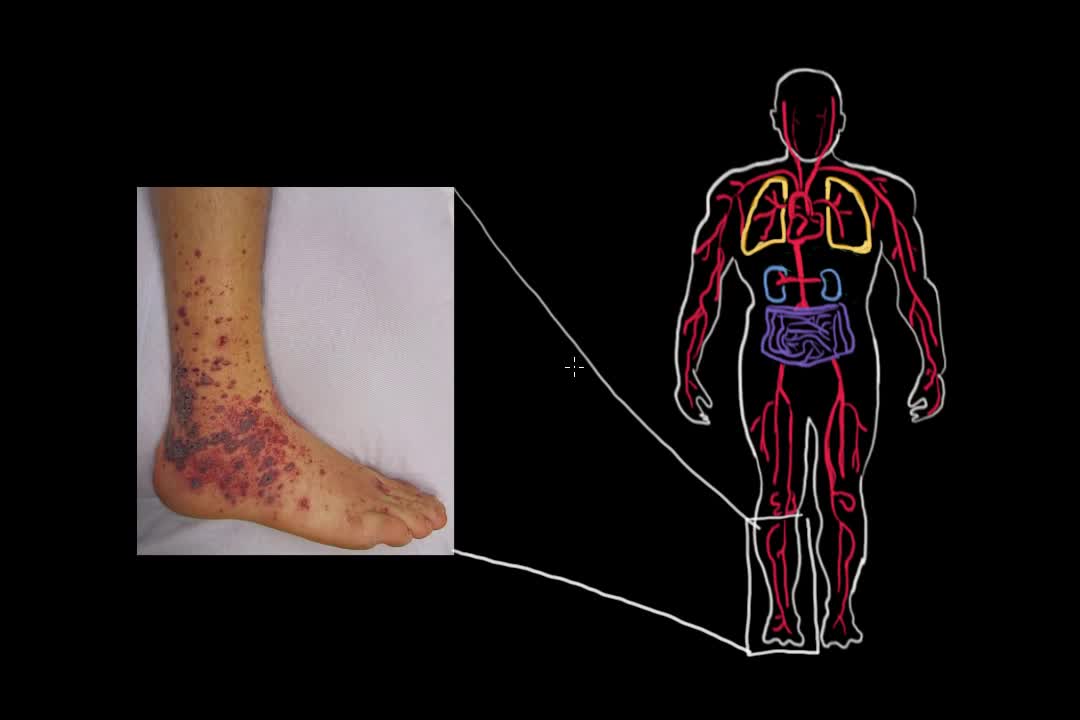
Temporal arteritis is a condition in which the temporal arteries, which supply blood to the head and brain, become inflamed or damaged. It is also known as cranial arteritis or giant cell arteritis. Although this condition usually occurs in the temporal arteries, it can occur in almost any medium to large artery in the body. The journal Arthritis & Rheumatology states that approximately 228,000 people in the United States are affected by temporal arteritis. According to the American College of Rheumatology, people over the age of 50 are more likely than younger people to develop the condition. Women are also more likely than men to have temporal arteritis. It is most prevalent in people of northern European or Scandinavian descent. Although the exact cause of the condition is unknown, it may be linked to the body’s autoimmune response. Also, excessive doses of antibiotics and certain severe infections have been linked to temporal arteritis. There’s no known prevention. However, once diagnosed, temporal arteritis can be treated to minimize complications.
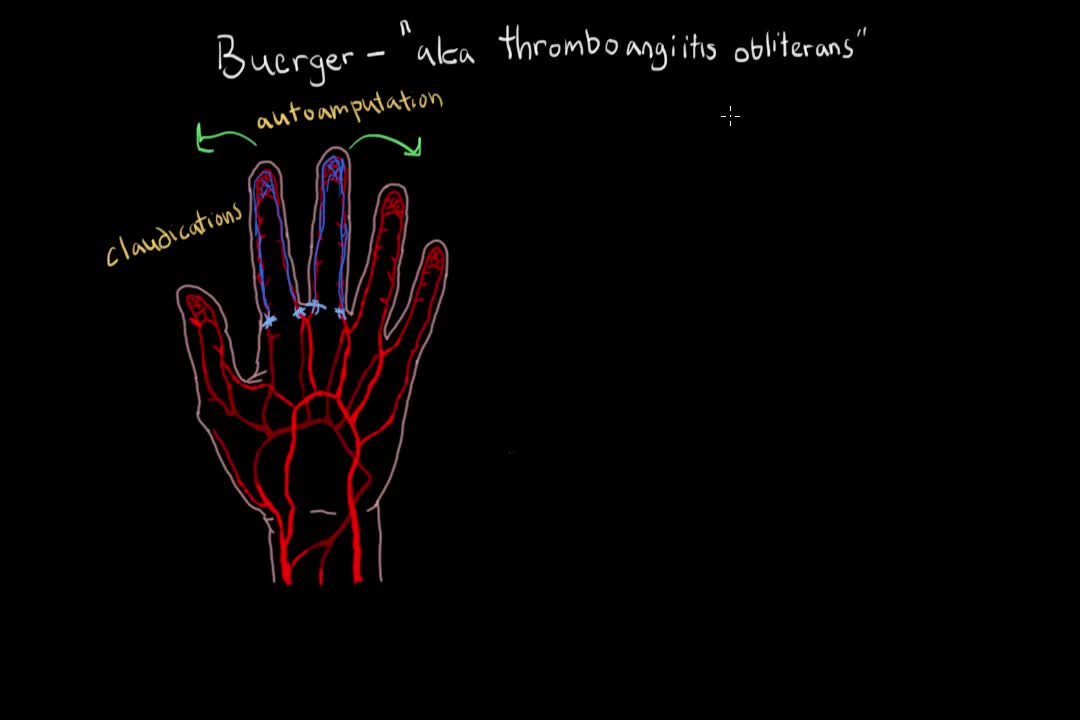
Buerger's disease (thromboangiitis obliterans) is a rare disease of the arteries and veins in the arms and legs. In Buerger's disease, your blood vessels become inflamed, swell and can become blocked with blood clots (thrombi). This eventually damages or destroys skin tissues and may lead to infection and gangrene. Buerger's disease usually first shows in your hands and feet and may eventually affect larger areas of your arms and legs. Virtually everyone diagnosed with Buerger's disease smokes cigarettes or uses other forms of tobacco, such as chewing tobacco. Quitting all forms of tobacco is the only way to stop Buerger's disease. For those who don't quit, amputation of all or part of a limb is sometimes necessary.

What combines research opportunities, intellectual challenge, and international collaboration in the study of a disease which affects many organs of the body and all sectors of society? And demands that specialists from many different backgrounds work together to crack sometimes intractable problems? It is, of course, oncology. As a career choice, it's demanding; it takes passion coupled with a willingness to put in the hours and to learn how to discuss death honestly and sensitively. But for the right person, it can be immensely rewarding.
