
- Physical Examination
- Surgical Examination
- Ophthalmology
- Clinical Skills
- Orthopedics
- Surgery Videos
- Laparoscopy
- Pediatrics
- Funny Videos
- Cardiothoracic Surgery
- Nursing Videos
- Plastic Surgery
- Otorhinolaryngology
- Histology and Histopathology
- Neurosurgery
- Dermatology
- Pediatric Surgery
- Urology
- Dentistry
- Oncology and Cancers
- Anatomy Videos
- Health and Fitness
- Radiology
- Anaesthesia
- Physical Therapy
- Pharmacology
- Interventional Radiology
- Cardiology
- Endocrinology
- Gynecology
- Emergency Medicine
- Psychiatry and Psychology
- Childbirth Videos
- General Medical Videos
- Nephrology
- Physiology
- Diet and Food Health
- Diabetes Mellitus
- Neurology
- Women Health
- Osteoporosis
- Gastroenterology
- Pulmonology
- Hematology
- Rheumatology
- Toxicology
- Nuclear Medicine
- Infectious Diseases
- Vascular Disease
- Reproductive Health
- Burns and Wound Healing
- Other
Top videos

Is My Chest Pain a Sign Of a Heart Attack?
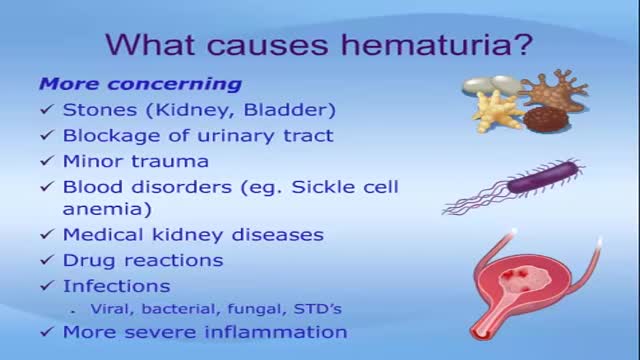
Seeing blood in your urine can cause anxiety. While in many instances there are benign causes, blood in urine (hematuria) can also indicate a serious disorder. Blood that you can see is called gross hematuria. Urinary blood that's visible only under a microscope is known as microscopic hematuria and is found when your doctor tests your urine. Either way, it's important to determine the reason for the bleeding. Treatment depends on the underlying cause.
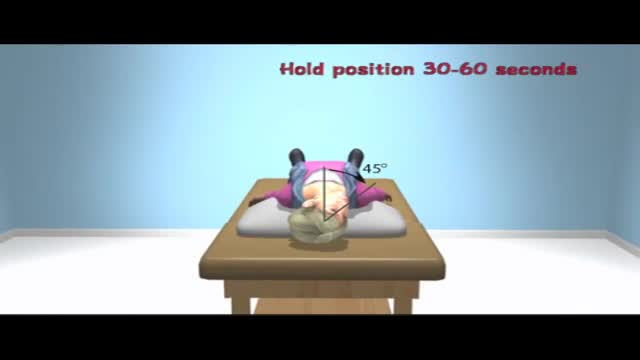
Benign paroxysmal positional vertigo (BPPV) is one of the most common causes of vertigo — the sudden sensation that you're spinning or that the inside of your head is spinning. Benign paroxysmal positional vertigo causes brief episodes of mild to intense dizziness. Benign paroxysmal positional vertigo is usually triggered by specific changes in the position of your head. This might occur when you tip your head up or down, when you lie down, or when you turn over or sit up in bed. Although benign paroxysmal positional vertigo can be a bothersome problem, it's rarely serious except when it increases the chance of falls. You can receive effective treatment for benign paroxysmal positional vertigo during a doctor's office visit

10 YOUNGEST Moms Of All Time

The most common symptoms noticed by people with haemochromatosis (inherited iron overload disorder) are • Fatigue, weakness and lethargy • Joint pains leading to osteoarthritis * Other symptoms include: • Abdominal pain • Diabetes • Liver disorders; enlarged liver, cirrhosis • Sexual disorders; loss of sex drive in both male and female, impotence in men, absent or scanty menstrual periods and early menopause in women • Decrease in body hair • Discolouration or bronzing of the skin • Cardiomyopathy; disease of the heart muscle • Neurological/psychiatric disorders; impaired memory, mood swings, severe irritability, depression. These symptoms, if present, take time to develop. No two people are alike and symptoms will vary from person to person. Some people never develop any symptoms at all. All of the symptoms of haemochromatosis can also be caused by other medical conditions or even just the stresses of modern life. They develop slowly and people often do not notice what is happening for a long time. This can make haemochromatosis difficult to diagnose. Symptoms are caused by high levels of iron stored in the body. One indicator of the level of iron stored is serum ferritin. If iron stores are high the serum ferritin level will be high, but serum ferritin levels can also be raised by other factors. The normal range is 20 – 300 micrograms per litre (µg/L) for men and 10 – 200 µg/L for women. There is strong medical evidence of a potential for significant organ damage when iron stores cause serum ferritin levels above 1,000 µg/L. However some people seem to experience symptoms with levels between 300 and 1,000 µg/L. Higher levels are more likely to be associated with more severe symptoms. If haemochromatosis is diagnosed and treated before serious iron overload and significant damage occurs, most symptoms will decrease or disappear. However there is evidence that treatment may not alleviate arthritis symptoms.
Back pain during pregnancy is a common complaint — and it's no wonder. You're gaining weight, your center of gravity changes, and your hormones are relaxing the ligaments in the joints of your pelvis. Often, however, you can prevent or ease back pain during pregnancy. Consider seven ways to give pregnancy back pain the boot. 1. Practice good posture As your baby grows, your center of gravity shifts forward. To avoid falling forward, you might compensate by leaning back — which can strain the muscles in your lower back and contribute to back pain during pregnancy. Keep these principles of good posture in mind: Stand up straight and tall. Hold your chest high. Keep your shoulders back and relaxed. Don't lock your knees. When you stand, use a comfortably wide stance for the best support. If you must stand for long periods of time, rest one foot on a low step stool — and take time for frequent breaks. Good posture also means sitting with care. Choose a chair that supports your back, or place a small pillow behind your lower back. 2. Get the right gear Wear low-heeled — not flat — shoes with good arch support. Avoid high heels, which can further shift your balance forward and cause you to fall. You might also consider wearing a maternity support belt. Although research on the effectiveness of maternity support belts is limited, some women find the additional support helpful. 3. Lift properly When lifting a small object, squat down and lift with your legs. Don't bend at the waist or lift with your back. It's also important to know your limits. Ask for help if you need it. 4. Sleep on your side Sleep on your side, not your back. Keep one or both knees bent. Consider using pregnancy or support pillows between your bent knees, under your abdomen and behind your back.

Avoid Osteoporosis, Build Bone Density With Upper Body Exercises
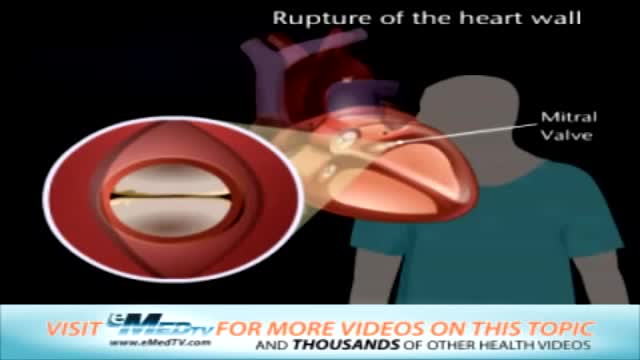
Rupture of the Heart Wall and Mitral Valve Replacement
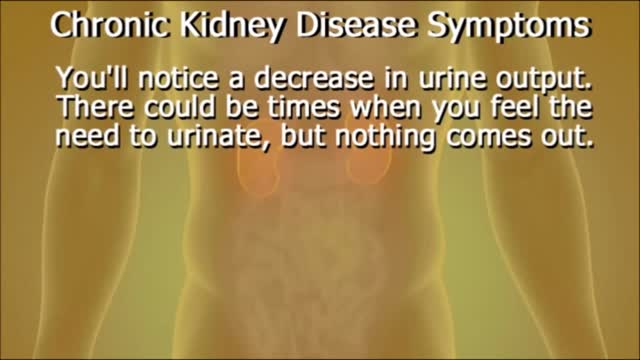
Chronic kidney disease includes conditions that damage your kidneys and decrease their ability to keep you healthy by doing the jobs listed. If kidney disease gets worse, wastes can build to high levels in your blood and make you feel sick. You may develop complications like high blood pressure, anemia (low blood count), weak bones, poor nutritional health and nerve damage. Also, kidney disease increases your risk of having heart and blood vessel disease. These problems may happen slowly over a long period of time. Chronic kidney disease may be caused by diabetes, high blood pressure and other disorders. Early detection and treatment can often keep chronic kidney disease from getting worse. When kidney disease progresses, it may eventually lead to kidney failure, which requires dialysis or a kidney transplant to maintain life.
If a patient comes to you with a painful, throbbing, swollen, red face (a ''fat face'), perhaps with fever, trismus and lymphadenitis, he is probably suffering from an acute dental or oral infection, most probably an alveolar abscess. He may have: (1) An alveolar abscess begins as an infection in the bone around a non-vital infected tooth. He has severe pain, which becomes less as pus is released into more superficial tissues and his face starts to swell. After 36 hours of cellulitis he usually has a fluctuant abscess which needs draining. If drainage is delayed, the pus in his abscess discharges spontaneously through a sinus (26-8) in his gum or face, which may become chronic. First, control infection with antibiotics, and then drain the abscess, either by incising it where it is pointing, or by removing the infected tooth, which acts as a cork to prevent the pus escaping, or by doing both these things. If you remove a tooth before you have controlled the infection with antibiotics, and while his face is still severely swollen, you may spread the infection; your task will also be more difficult. (2) A periodontal abscess at the side of a tooth, caused by spread from an infected gum. (3) A pericoronal abscess caused by infection of the gum over the crown of an unerupted and impacted tooth, usually a lower third molar (''an infected wisdom tooth'). Often, an abscess does not form, and the gum round the tooth is merely inflamed.

http://dissolve-kidney-stones-fast.info-pro.co/ No-one knows better than me the physical pain and heartache that’s caused by kidney stones. and for many years I was a fellow sufferer of this nasty affliction. I know that many of you are experiencing an attack right now. Let me tell you -I’ve been there lots of times myself. I know what it’s like: the shooting abdominal pain that can last for hours, the nausea, the burning sensation and the constant water infections. Even when you get some temporary relief, you can never really relax. You’re always looking over your shoulder, waiting for those tell tale signs which signify another kidney stone attack on the horizon. You want to just get on with your life. But you can’t. If you’re anything like I was, you’d do anything for a cure. I decided to utilise my research skills to get to the bottom of the problem. This led me on a mission to find a safe, natural and effective method of defeating kidney stones. The good news: I found it. You too can share in this discovery and rid yourself of kidney stones – the natural way. natural remedy brings instant relief finally a permanent cure for kidney stones. click here. http://dissolve-kidney-stones-fast.info-pro.co/
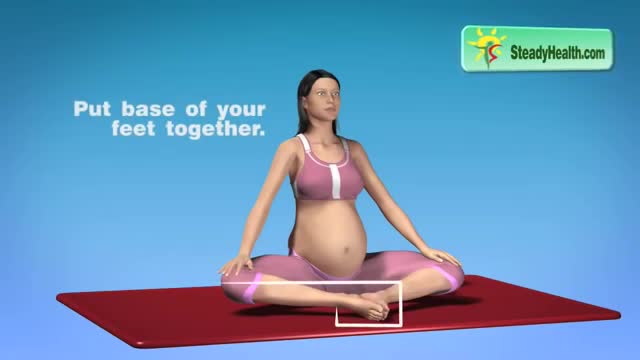
Easy Exercises for Normal Delivery
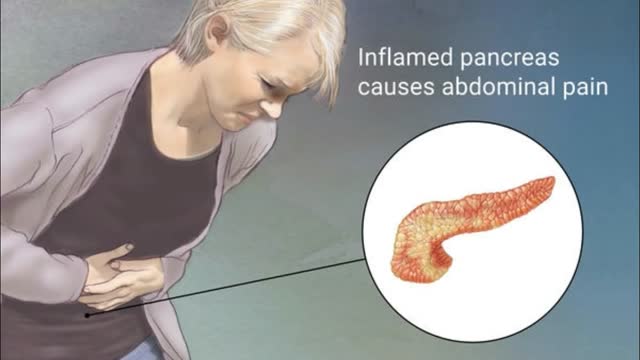
Pancreatitis is inflammation of the pancreas. The pancreas is a large gland behind the stomach and close to the duodenum—the first part of the small intestine. The pancreas secretes digestive juices, or enzymes, into the duodenum through a tube called the pancreatic duct. Pancreatic enzymes join with bile—a liquid produced in the liver and stored in the gallbladder—to digest food. The pancreas also releases the hormones insulin and glucagon into the bloodstream. These hormones help the body regulate the glucose it takes from food for energy. Normally, digestive enzymes secreted by the pancreas do not become active until they reach the small intestine. But when the pancreas is inflamed, the enzymes inside it attack and damage the tissues that produce them. Pancreatitis can be acute or chronic. Either form is serious and can lead to complications. In severe cases, bleeding, infection, and permanent tissue damage may occur.
Encourage your child to drink lots of fluids to prevent dehydration. Milk and water are both fine. However, if your child refuses solids, give your child just milk, rather than water. ... Keep giving your child table foods while he has diarrhea. Diarrhea is most often spread through fecally contaminated food, hands or surfaces touched by objects or hands put into the mouth (fecal-oral route).Water contaminated by human or animal feces (e.g., swimming pools) or trips to sites with animals (e.g., farms, pet stores, petting zoos) are also possible routes of ... The best foods for your child are easily digestible foods, such as rice cereal, pasta, breads, cooked beans, mashed potatoes, cooked carrots, applesauce, and bananas. Pretzels or salty crackers can help your child replace the salt lost from diarrhea. Foods containing large amounts of sugar or fat should be avoided.

Things Every New Mother Needs to Know

Top 10 Foods that Can Kill You
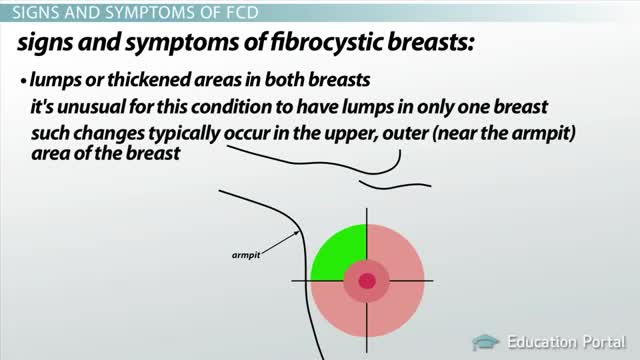
Fibrocystic breasts are composed of tissue that feels lumpy or rope-like in texture. Doctors call this nodular or glandular breast tissue. It's not at all uncommon to have fibrocystic breasts. More than half of women experience fibrocystic breast changes at some point in their lives. In fact, medical professionals have stopped using the term "fibrocystic breast disease" and now simply refer to "fibrocystic breasts" or "fibrocystic breast changes" because having fibrocystic breasts isn't really a disease. Breast changes categorized as fibrocystic are considered normal. Although many women with fibrocystic breasts don't have symptoms, some women experience breast pain, tenderness and lumpiness — especially in the upper, outer area of the breasts. Breast symptoms tend to be most bothersome just before menstruation. Simple self-care measures can usually relieve discomfort associated with fibrocystic breasts.
Human
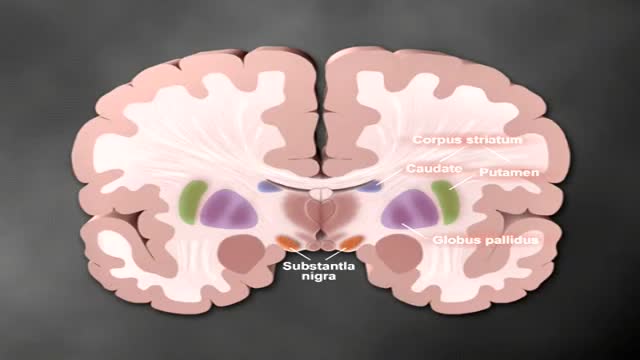
Parkinson's disease is a progressive disorder of the nervous system that affects movement. It develops gradually, sometimes starting with a barely noticeable tremor in just one hand. But while a tremor may be the most well-known sign of Parkinson's disease, the disorder also commonly causes stiffness or slowing of movement. In the early stages of Parkinson's disease, your face may show little or no expression, or your arms may not swing when you walk. Your speech may become soft or slurred. Parkinson's disease symptoms worsen as your condition progresses over time. Although Parkinson's disease can't be cured, medications may markedly improve your symptoms. In occasional cases, your doctor may suggest surgery to regulate certain regions of your brain and improve your symptoms.
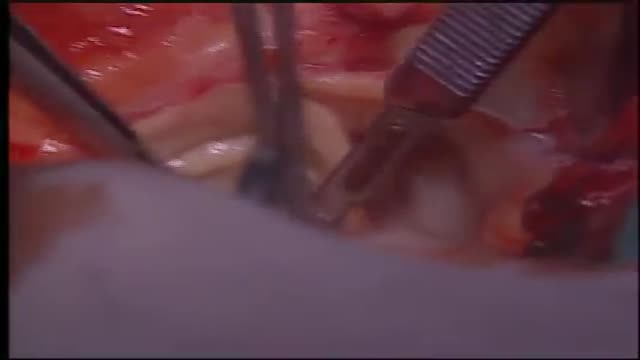
Surgery to replace an aortic valve is done for aortic valve stenosis and aortic valve regurgitation. During this surgery, the damaged valve is removed and replaced with an artificial valve. The valve replacement is typically an open-heart surgery.
