
- Physical Examination
- Surgical Examination
- Ophthalmology
- Clinical Skills
- Orthopedics
- Surgery Videos
- Laparoscopy
- Pediatrics
- Funny Videos
- Cardiothoracic Surgery
- Nursing Videos
- Plastic Surgery
- Otorhinolaryngology
- Histology and Histopathology
- Neurosurgery
- Dermatology
- Pediatric Surgery
- Urology
- Dentistry
- Oncology and Cancers
- Anatomy Videos
- Health and Fitness
- Radiology
- Anaesthesia
- Physical Therapy
- Pharmacology
- Interventional Radiology
- Cardiology
- Endocrinology
- Gynecology
- Emergency Medicine
- Psychiatry and Psychology
- Childbirth Videos
- General Medical Videos
- Nephrology
- Physiology
- Diet and Food Health
- Diabetes Mellitus
- Neurology
- Women Health
- Osteoporosis
- Gastroenterology
- Pulmonology
- Hematology
- Rheumatology
- Toxicology
- Nuclear Medicine
- Infectious Diseases
- Vascular Disease
- Reproductive Health
- Burns and Wound Healing
- Other
Top videos


Chronic myelogenous leukemia (CML), also known as chronic myeloid leukemia, is a myeloproliferative disorder characterized by increased proliferation of the granulocytic cell line without the loss of their capacity to differentiate. Consequently, the peripheral blood cell profile shows an increased number of granulocytes and their immature precursors, including occasional blast cells.
CML is one of the few cancers known to be caused by a single, specific genetic mutation. More than 90% of cases result from a cytogenetic aberration known as the Philadelphia chromosome (see Pathophysiology).
CML progresses through 3 phases: chronic, accelerated, and blast. In the chronic phase of disease, mature cells proliferate; in the accelerated phase, additional cytogenetic abnormalities occur; in the blast phase, immature cells rapidly proliferate.[1] Approximately 85% of patients are diagnosed in the chronic phase and then progress to the accelerated and blast phases after 3-5 years. The diagnosis of CML is based on the histopathologic findings in the peripheral blood and the Philadelphia chromosome in bone marrow cells (see Workup).
CML accounts for 20% of all leukemias affecting adults. It typically affects middle-aged individuals. Uncommonly, the disease occurs in younger individuals. Younger patients may present with a more aggressive form of CML, such as in accelerated phase or blast crisis. Uncommonly, CML may appear as a disease of new onset in elderly individuals.
The goals of treatment are to achieve hematologic, cytogenetic, and molecular remission. Although a variety of medications have been used in CML, including myelosuppressive agents and interferon alfa, the tyrosine kinase inhibitor imatinib mesylate is currently the agent of choice, and other drugs in this category are playing increasingly important roles. However, allogeneic bone marrow transplantation is currently the only proven cure for CML.

Removal of rupture appendix

Que Es Fibromas, Curar Fibromas, Tratamientos De Miomas Uterinos, Utero Con Miomas, Tumor Mioma
http://no-mas-fibromas-uterinos.plus101.com
¿Usted está luchando para deshacerse de sus Fibromas Uterinos?
¿Sufre, o siente ansiedad por no ser capaz de curar sus Fibromas Uterinos correctamente a pesar de todos sus esfuerzos?
¿Está experimentando períodos irregulares, dolor en la parte baja del abdomen o hinchazón?
Usted está a punto de descubrir lo que podría ser el potente sistema de cura de los Fibromas Uterinos jamás desarrollado. Es el mismo sistema que miles de mujeres, como usted, han usado para revertir de manera permanente sus Fibromas Uterinos y mejorar su fertilidad y la calidad de sus vidas.
Sentirse más ligera, más saludable, más joven y con más energía.
¡Más Rápido de lo Que Usted Pensó Sería Posible!. Haga Click Aqui:
http://no-mas-fibromas-uterinos.plus101.com
Subscribete A Nuestro Canal
https://www.youtube.com/user/VivirConSalud1
https://www.youtube.com/watch?v=4IfA7NZ1CeA
Que Es Fibromas, Curar Fibromas, Tratamientos De Miomas Uterinos, Utero Con Miomas, Tumor Mioma, homeopatia para miomas uterinos, mioma síntomas, fibromas utero, que es un tumor benigno, tumores en el útero, que es un miomas uterinos, que es un fibromas, Curar Fibromas, Fibromas Uterinos Submucosos, Fibromas Uterinos Intramurales, Fibromas Uterinos Subserosos, Sintomas De Fibromas Uterinos, Operacion De Fibromas Uterinos, Fibroma Uterino, Tipos De Fibromas Uterinos

AirXpanders Inc. designs, manufactures and distributes the revolutionary AeroFormTM Patient Controlled Tissue Expander. A first for women who choose reconstructive surgery following a mastectomy, the AeroForm tissue expander does not use intrusive and painful saline injections via syringe needles. The AeroForm patient controlled tissue expander utilizes a needle-free inflation system via a patient-controlled handheld device, which releases specified amounts of air in the form of carbon dioxide
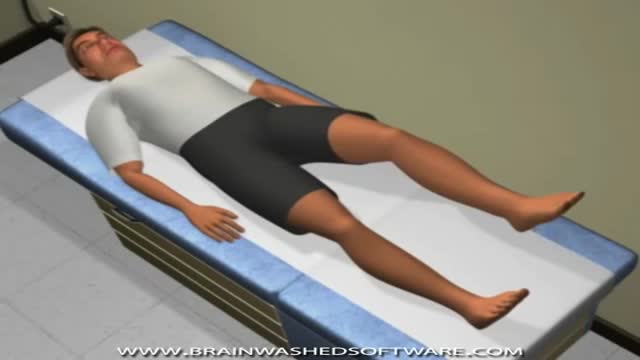
Middle cerebral artery syndrome is a condition whereby the blood supply from the middle cerebral artery (MCA) is restricted, leading to a reduction of the function of the portions of the brain supplied by that vessel: the lateral aspects of frontal, temporal and parietal lobes, the corona radiata, globus pallidus, caudate and putamen. The MCA is the most common site for the occurrence of ischemic stroke.[1] Depending upon the location and severity of the occlusion, signs and symptoms may vary within the population affected with MCA syndrome. More distal blockages tend to produce milder deficits due to more extensive branching of the artery and less ischemic response. In contrast, the most proximal occlusions result in widespread effects that can lead to significant cerebral edema, increased intracranial pressure, loss of consciousness and could even be fatal.[1] In such occasions, mannitol (osmotic diuretic) or hypertonic saline are given to draw fluid out of the oedematus cerebrum to minimise secondary injury. Hypertonic saline is better than mannitol, as mannitol being a diuretic will decrease the mean arterial pressure and since cerebral perfusion is mean arterial pressure minus intracranial pressure, mannitol will also cause a decrease in cerebral perfusion. Contralateral hemiparesis and hemisensory loss of the face, upper and lower extremities is the most common presentation of MCA syndrome.[1] Lower extremity function is more spared than that of the faciobrachial region.[2] The majority of the primary motor and somatosensory cortices are supplied by the MCA and the cortical homunculus can, therefore, be used to localize the defects more precisely.it is important to note that middle cerebral artery lesions mostly affect the dominant hemisphere i.e. the left cerebral hemisphere.
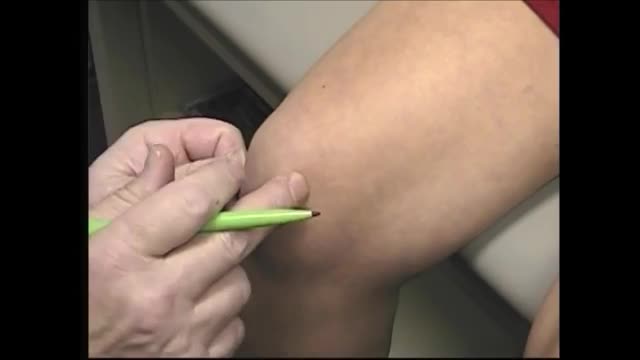
When oral medications do not relieve knee pain, but you're not to the point of pursuing knee surgery, one of the following injections or procedures may help. Hyaluronic acid supplements – Although not technically medications, these substances are injected into knee joints to supplement naturally occurring hyaluronic acid. In healthy joints hyaluronic acid acts as a shock absorber and lubricant, allowing joints to move smoothly over each other. However, the acid appears to break down in people with osteoarthritis. Injecting it into a joint may lessen pain and inflammation. The injections are given weekly for three or five weeks, depending on the product (examples are Synvisc and Hyalgan). A small amount of joint fluid is removed first to make room for the hyaluronic acid. Corticosteroid Injections – Doctors sometimes inject corticosteroids directly into the knee joint for quick relief of pain and inflammation. Their benefits may last anywhere from a few days to more than six months. While the injections bring targeted relief to the joint and lack many of the side effects of oral corticosteroid medications, they are not without risks. Repeated knee injections may actually contribute to cartilage breakdown. For that reason your doctor will likely put a limit on the number of injections you can receive. Read a report from the British Medical Journal on corticosteroid injections for knee osteoarthritis. Arthrocentesis – Also called joint fluid aspiration, arthrocentesis is removal of joint fluid through a hollow needle inserted into the joint space of the knee. Although the purpose of removing joint fluid from the knee is usually so that it can be tested in the lab, removing excess fluid can also quickly ease pain and swelling. Often after withdrawing fluid, doctors use the same puncture site where the fluid was removed to inject a corticosteroid preparation and/or anesthetic into the knee joint to further relieve pain and inflammation.
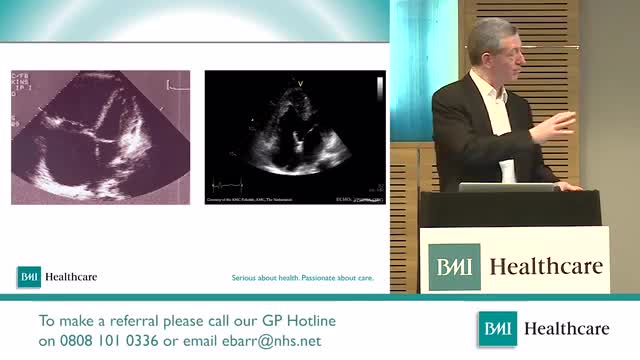
An increased prevalence of cardiovascular disease (CVD) has been found in women of childbearing age,[1] with the presence of CVD in pregnant women posing a difficult clinical scenario in which the responsibility of the treating physician extends to the unborn fetus. Profound changes occur in the maternal circulation that have the potential to adversely affect maternal and fetal health, especially in the presence of underlying heart conditions. Up to 4% of pregnancies may have cardiovascular complications despite no known prior disease. The European Society of Cardiology has published guidelines on the management of cardiovascular disease during pregnancy.[

If you and your partner are struggling to have a baby, you're not alone. Ten to 15 percent of couples in the United States are infertile. Infertility is defined as not being able to get pregnant despite having frequent, unprotected sex for at least a year for most couples. Infertility may result from an issue with either you or your partner, or a combination of factors that interfere with pregnancy. Fortunately, there are many safe and effective therapies that significantly improve your chances of getting pregnant

How to Get Rid of Acne Overnight
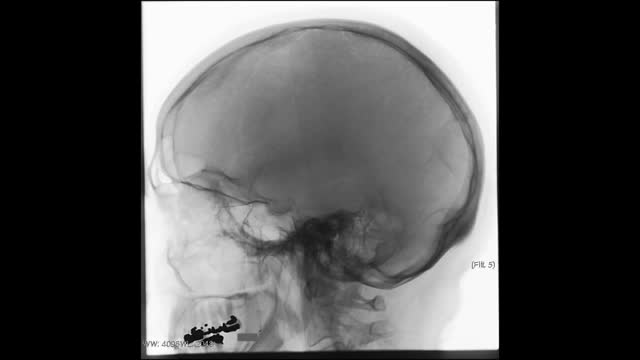
The management of acute ischemic stroke has advanced greatly over the past 2 decades. New interventions, including intravenous and endovascular treatment strategies, have evolved to recanalize arteries and salvage the ischemic brain. The evolution of interventional approaches to the treatment of acute stroke has been prompted by the limitations of intravenous therapy and intended to extend the treatment window, improve recanalization rates, and subsequently long-term clinical outcomes. The major techniques that have defined the current field of interventional acute stroke management and the relevant past and current data, and ongoing clinical trials on interventional stroke therapy will be reviewed. New issues, such as futile recanalization, and time to microcatheter, will also be discussed.

The best way to prevent hepatitis A is through vaccination with the hepatitis A vaccine. Vaccination is recommended for all children age 12 months or older, for travelers to certain countries, and for people at high risk for infection with the virus. The hepatitis A vaccine is given as two shots, six months apart.

High blood pressure and high cholesterol are the most common causes of these spasms. Approximately 2 percent of people with angina, or chest pain and pressure, experience coronary artery spasms. Coronary artery spasms can also occur in people who have atherosclerosis.

Sed rate, or erythrocyte sedimentation rate ( ESR ), is a blood test that can reveal inflammatory activity in your body. A sed rate test isn't a stand-alone diagnostic tool, but it can help your doctor diagnose or monitor the progress of an inflammatory disease. ... Inflammation can cause the cells to clump.

Depending on the underlying cause, some types of kidney disease can be treated. Often, though, chronic kidney disease has no cure. Treatment usually consists of measures to help control signs and symptoms, reduce complications, and slow progression of the disease. If your kidneys become severely damaged, you may need treatment for end-stage kidney disease. Treating the cause Your doctor will work to slow or control the cause of your kidney disease. Treatment options vary, depending on the cause. But kidney damage can continue to worsen even when an underlying condition, such as high blood pressure, has been controlled. Treating complications Kidney disease complications can be controlled to make you more comfortable. Treatments may include: High blood pressure medications. People with kidney disease may experience worsening high blood pressure. Your doctor may recommend medications to lower your blood pressure — commonly angiotensin-converting enzyme (ACE) inhibitors or angiotensin II receptor blockers — and to preserve kidney function. High blood pressure medications can initially decrease kidney function and change electrolyte levels, so you may need frequent blood tests to monitor your condition. Your doctor will likely also recommend a water pill (diuretic) and a low-salt diet. Medications to lower cholesterol levels. Your doctor may recommend medications called statins to lower your cholesterol. People with chronic kidney disease often experience high levels of bad cholesterol, which can increase the risk of heart disease. Medications to treat anemia. In certain situations, your doctor may recommend supplements of the hormone erythropoietin (uh-rith-roe-POI-uh-tin), sometimes with added iron. Erythropoietin supplements aid in production of more red blood cells, which may relieve fatigue and weakness associated with anemia. Medications to relieve swelling. People with chronic kidney disease may retain fluids. This can lead to swelling in the legs, as well as high blood pressure. Medications called diuretics can help maintain the balance of fluids in your body. Medications to protect your bones. Your doctor may prescribe calcium and vitamin D supplements to prevent weak bones and lower your risk of fracture. You may also take medication known as a phosphate binder to lower the amount of phosphate in your blood, and protect your blood vessels from damage by calcium deposits (calcification). A lower protein diet to minimize waste products in your blood. As your body processes protein from foods, it creates waste products that your kidneys must filter from your blood. To reduce the amount of work your kidneys must do, your doctor may recommend eating less protein. Your doctor may also ask you to meet with a dietitian who can suggest ways to lower your protein intake while still eating a healthy diet.
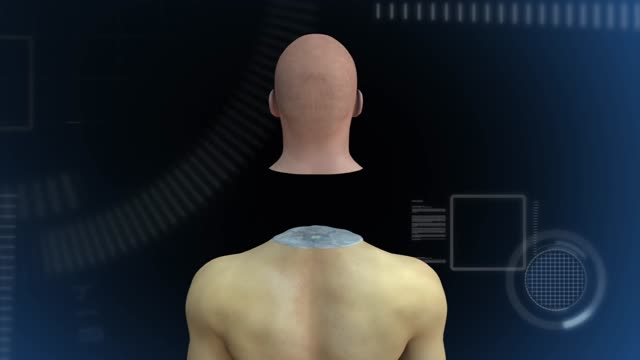
Head transplant successfully performed on monkey,
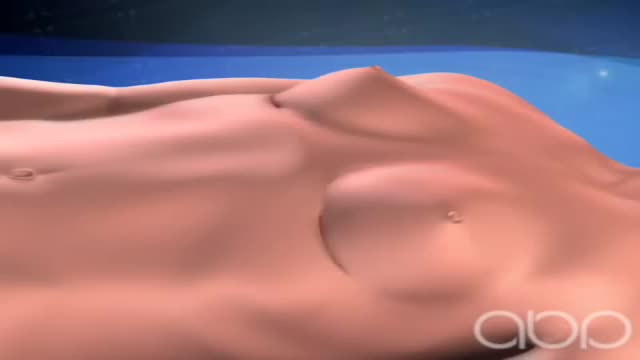
Breast augmentation surgery involves using breast implants or fat, referred to as fat transfer breast augmentation, to increase the size of your breasts or restore breast volume that has been lost after weight reduction or pregnancy. Breast augmentation is clinically referred to as augmentation mammaplasty. Breast augmentation can: Increase fullness and projection of your breasts Improve the balance of your figure Enhance your self-image and self-confidence Breast implants may also be used for breast reconstruction after mastectomy or injury.
The accumulation of ascitic fluid represents a state of total-body sodium and water excess, but the event that initiates the unbalance is unclear. Although many pathogenic processes have been implicated in the development of abdominal ascites, about 75% likely occur as a result of portal hypertension in the setting of liver cirrhosis, with the remainder due to infective, inflammatory, and infiltrative conditions. Three theories of ascites formation have been proposed: underfilling, overflow, and peripheral arterial vasodilation. The underfilling theory suggests that the primary abnormality is inappropriate sequestration of fluid within the splanchnic vascular bed due to portal hypertension and a consequent decrease in effective circulating blood volume. This activates the plasma renin, aldosterone, and sympathetic nervous system, resulting in renal sodium and water retention. The overflow theory suggests that the primary abnormality is inappropriate renal retention of sodium and water in the absence of volume depletion. This theory was developed in accordance with the observation that patients with cirrhosis have intravascular hypervolemia rather than hypovolemia. The most recent theory, the peripheral arterial vasodilation hypothesis, includes components of both of the other theories. It suggests that portal hypertension leads to vasodilation, which causes decreased effective arterial blood volume. As the natural history of the disease progresses, neurohumoral excitation increases, more renal sodium is retained, and plasma volume expands. This leads to overflow of fluid into the peritoneal cavity. The vasodilation theory proposes that underfilling is operative early and overflow is operative late in the natural history of cirrhosis. Although the sequence of events that occurs between the development of portal hypertension and renal sodium retention is not entirely clear, portal hypertension apparently leads to an increase in nitric oxide levels. Nitric oxide mediates splanchnic and peripheral vasodilation. Hepatic artery nitric oxide synthase activity is greater in patients with ascites than in those without ascites. Regardless of the initiating event, a number of factors contribute to the accumulation of fluid in the abdominal cavity. Elevated levels of epinephrine and norepinephrine are well-documented factors. Hypoalbuminemia and reduced plasma oncotic pressure favor the extravasation of fluid from the plasma to the peritoneal fluid, and, thus, ascites is infrequent in patients with cirrhosis unless both portal hypertension and hypoalbuminemia are present.
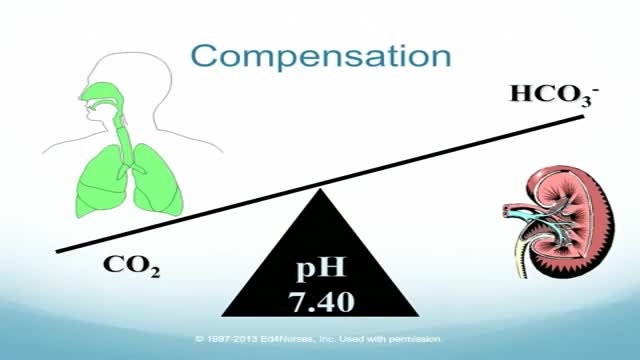
Four-Step Guide to ABG Analysis Is the pH normal, acidotic or alkalotic? Are the pCO2 or HCO3 abnormal? Which one appears to influence the pH? If both the pCO2 and HCO3 are abnormal, the one which deviates most from the norm is most likely causing an abnormal pH. Check the pO2. Is the patient hypoxic?
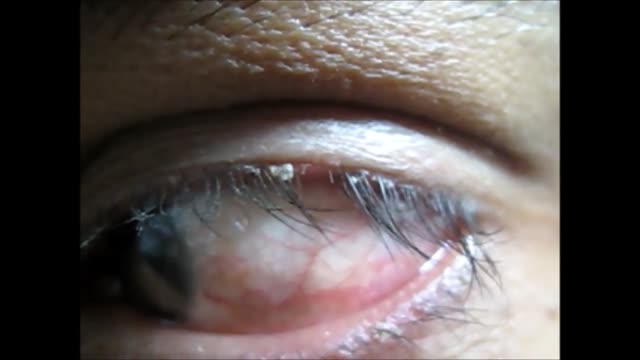
Blepharitis is an inflammation of the eyelids in which they become red, irritated and itchy and dandruff-like scales form on the eyelashes. It is a common eye disorder caused by either bacteria or a skin condition, such as dandruff of the scalp or acne rosacea. It affects people of all ages. Although uncomfortable, blepharitis is not contagious and generally does not cause any permanent damage to eyesight.

Sex easily falls to the wayside during pregnancy. Research shows that good sex has a significant impact upon not just the relationship, but also a woman’s ability to have an easeful and even joyful birth. Unfortunately, sex during pregnancy can be quite complicated for a variety of physical and emotional reasons. This week’s video will outline how to overcome these hurdles and make sure you continue to enjoy the wonders of sex as you embark on the first steps of parenthood.
