
- Physical Examination
- Surgical Examination
- Ophthalmology
- Clinical Skills
- Orthopedics
- Surgery Videos
- Laparoscopy
- Pediatrics
- Funny Videos
- Cardiothoracic Surgery
- Nursing Videos
- Plastic Surgery
- Otorhinolaryngology
- Histology and Histopathology
- Neurosurgery
- Dermatology
- Pediatric Surgery
- Urology
- Dentistry
- Oncology and Cancers
- Anatomy Videos
- Health and Fitness
- Radiology
- Anaesthesia
- Physical Therapy
- Pharmacology
- Interventional Radiology
- Cardiology
- Endocrinology
- Gynecology
- Emergency Medicine
- Psychiatry and Psychology
- Childbirth Videos
- General Medical Videos
- Nephrology
- Physiology
- Diet and Food Health
- Diabetes Mellitus
- Neurology
- Women Health
- Osteoporosis
- Gastroenterology
- Pulmonology
- Hematology
- Rheumatology
- Toxicology
- Nuclear Medicine
- Infectious Diseases
- Vascular Disease
- Reproductive Health
- Burns and Wound Healing
- Kidney Zone Podcast
- Other
Top videos
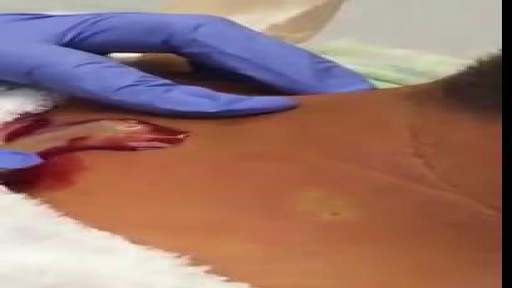

Popping Neck Cyst Abscess
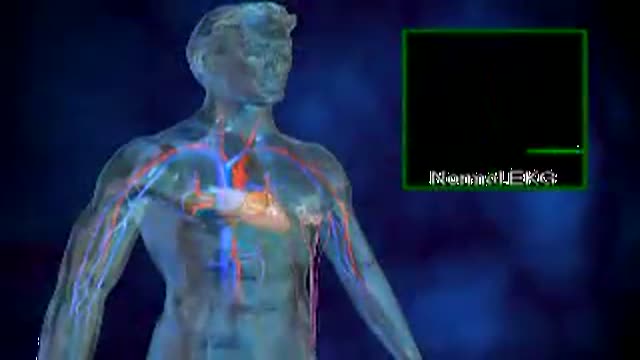
Atrial Fibrillation is the most common heart rythmn abnormatlity and is very common as you age. Atrial fibrillation is a condition in which the top chambers of the heart, the Atrium are fibrillating, rather than having a regular synchronized contraction. One of the worst complications of Atrial Fibrillation can be Stroke. There are very good treatments of Atrial Fibrillation. This animated video is an overview of Atrial Fibrillation.
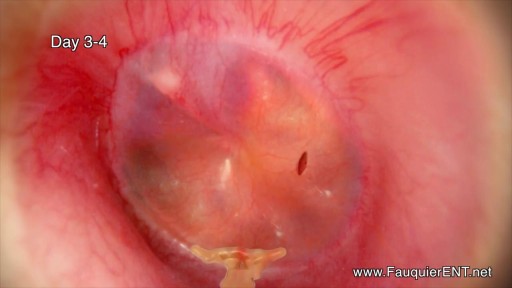
Ear Infection Drainage Time Lapse Video
Vertebrobasilar insufficiency is typically secondary to emboli, thrombi, or arterial dissection. The labyrinth and brainstem are commonly affected, and symptoms may include vertigo, dizziness, dysarthria, diplopia, and numbness.
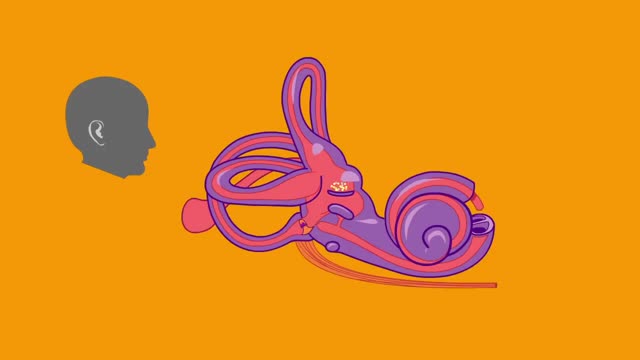
Benign paroxysmal positional vertigo is an abnormal feeling of motion triggered by certain provocative positions. The condition is most often attributed to the presence of calcium debris within the posterior semicircular canal. Nystagmus is commonly seen
FREE Nursing School Cheat Sheets at: http://www.NURSING.com
Get the full lesson on IM Injections here:
https://nursing.com/lesson/ski....lls-06-01-pill-crush
Check out our new Nurse Care Plan Lessons here:
https://bit.ly/3BPRfPL
Get Access to Thousands of Lessons here:
https://nursing.com/courses/
Welcome to the NURSING Family, we call it the most supportive nursing cohort on the planet.
At NURSING.com, we want to help you remove the stress and overwhelm of nursing school so that you can focus on becoming an amazing nurse.
Check out our freebies and learn more at: (http://www.nursing.com)
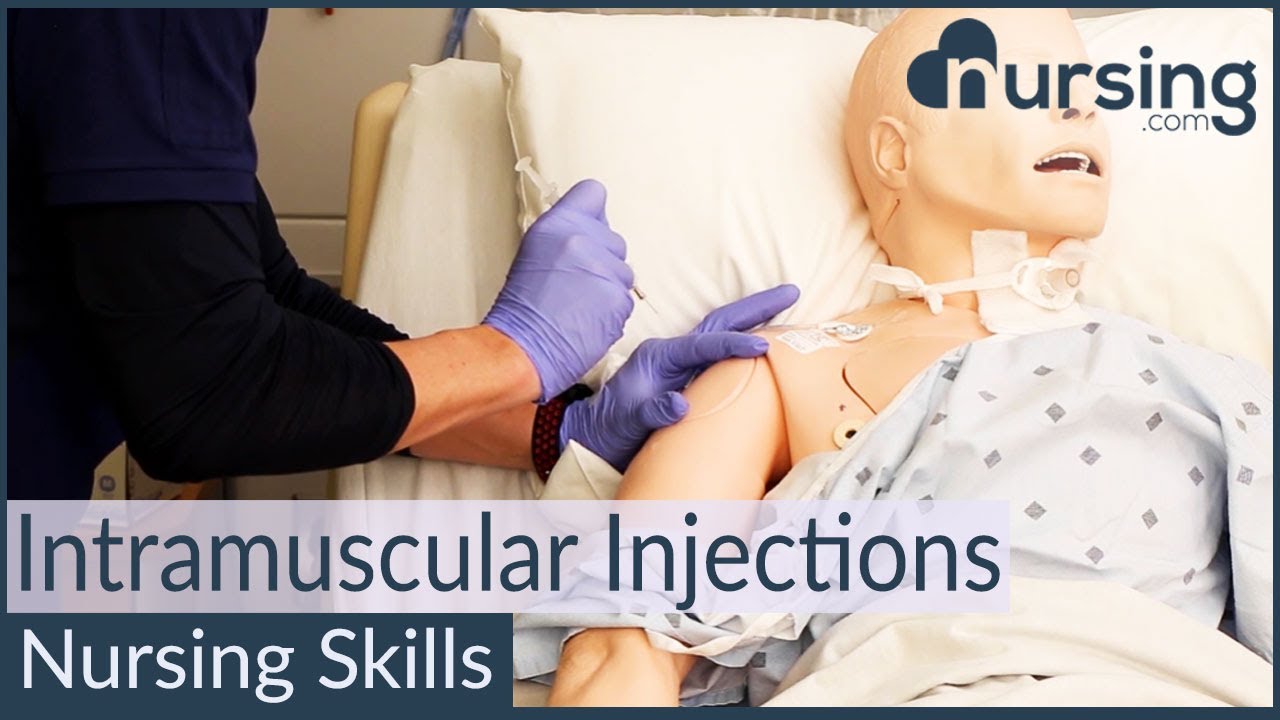
Intramuscular Injection Techniques (Nursing Skills)
In this video, we’re going to look at proper administration techniques for intramuscular medication administration. Of course, always follow your 5 rights and calculate the correct volume for administration. We love you guys! Go out and be your best selves today! And, as always, happy nursing!
Bookmarks:
0.05 Introduction to Intramuscular injections
0.16 site and needle selection
0.35 site sterilization
0.43 Z track method
0.58 needle insertion
1.10 medication injection
1.14 needle removal
1.25 bandaging and needle disposal
1.30 documentation and patient monitoring
1.35 Outro
Visit us at https://nursing.com/medical-disclaimer/ for disclaimer information.
NCLEX®, NCLEX-RN® are registered trademarks of the National Council of State Boards of Nursing, INC. and hold no affiliation with NURSING.com.
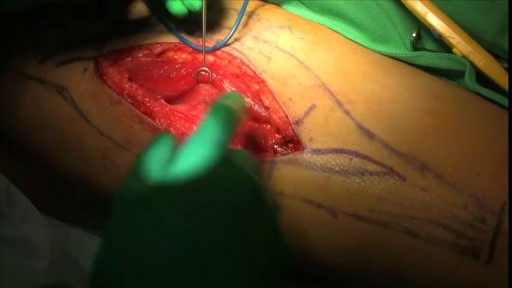
Infected Hernia Mesh Repair Surgery Video
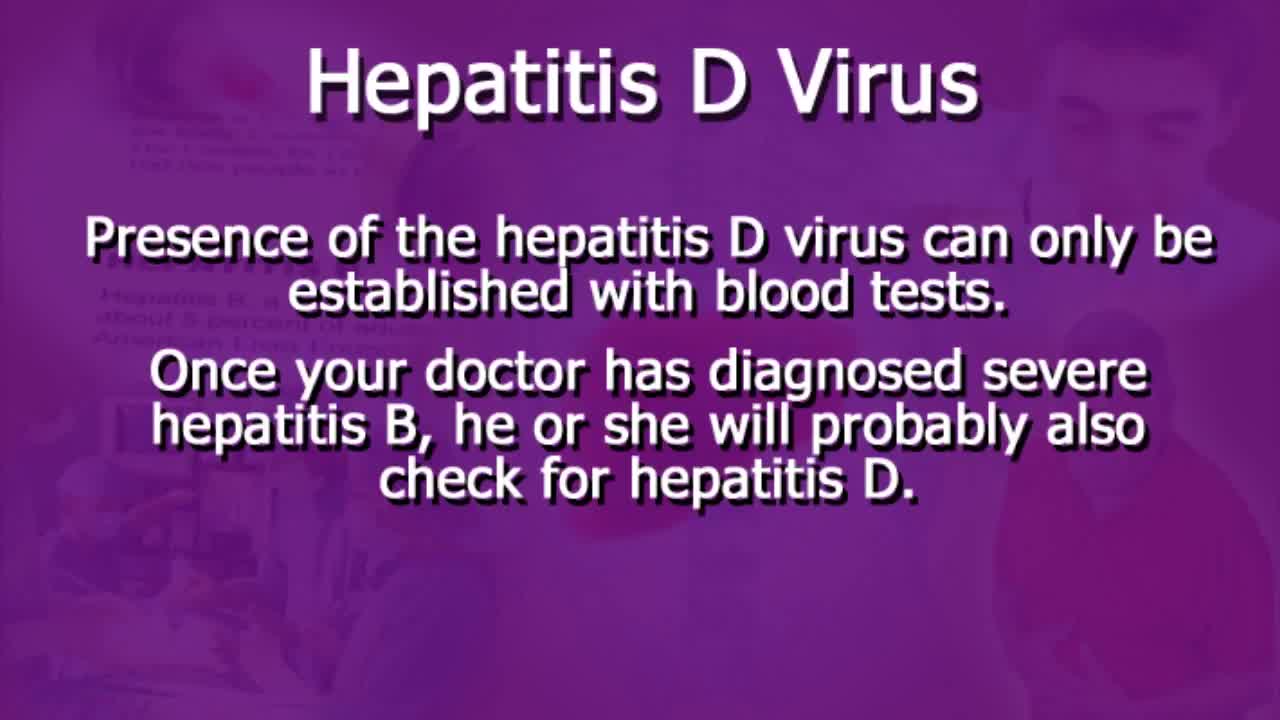
Hepatitis D, also known as the delta virus, is an infection that causes the liver to become inflamed. This swelling can impair liver function and cause long-term liver problems, including liver scarring and cancer. The condition is caused by the hepatitis D virus (HDV). This virus is rare in the United States, but it’s fairly common in the following regions: South America West Africa Russia Pacific islands Central Asia the Mediterranean
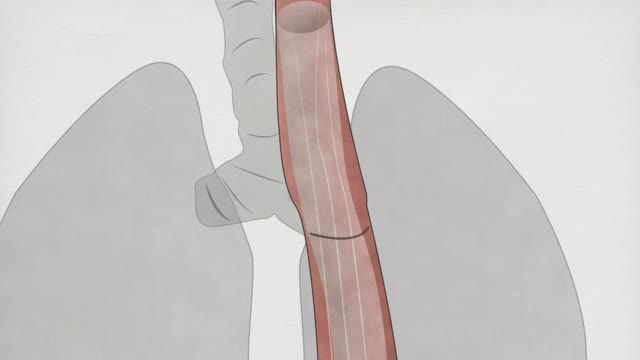
Esophageal atresia is an abnormality, or birth defect, of the esophagus that occurs early in pregnancy, as the baby is developing. The esophagus forms in the first few months of fetal life as a long, hollow, continuous tube joining the mouth to the stomach. In newborns with this birth defect, formation of this continuous esophageal tube is interrupted. esophageal-artresia-2In most cases, two separate tubes are formed, an upper (proximal) tube connected to the mouth and a lower (distal) tube connected to the stomach. This seperated tubes are sealed off creating a pouch on either side; the gap between these pounches can be short or very long. Saliva can accumulate in the upper pouch as it cannot drain into the stomach.
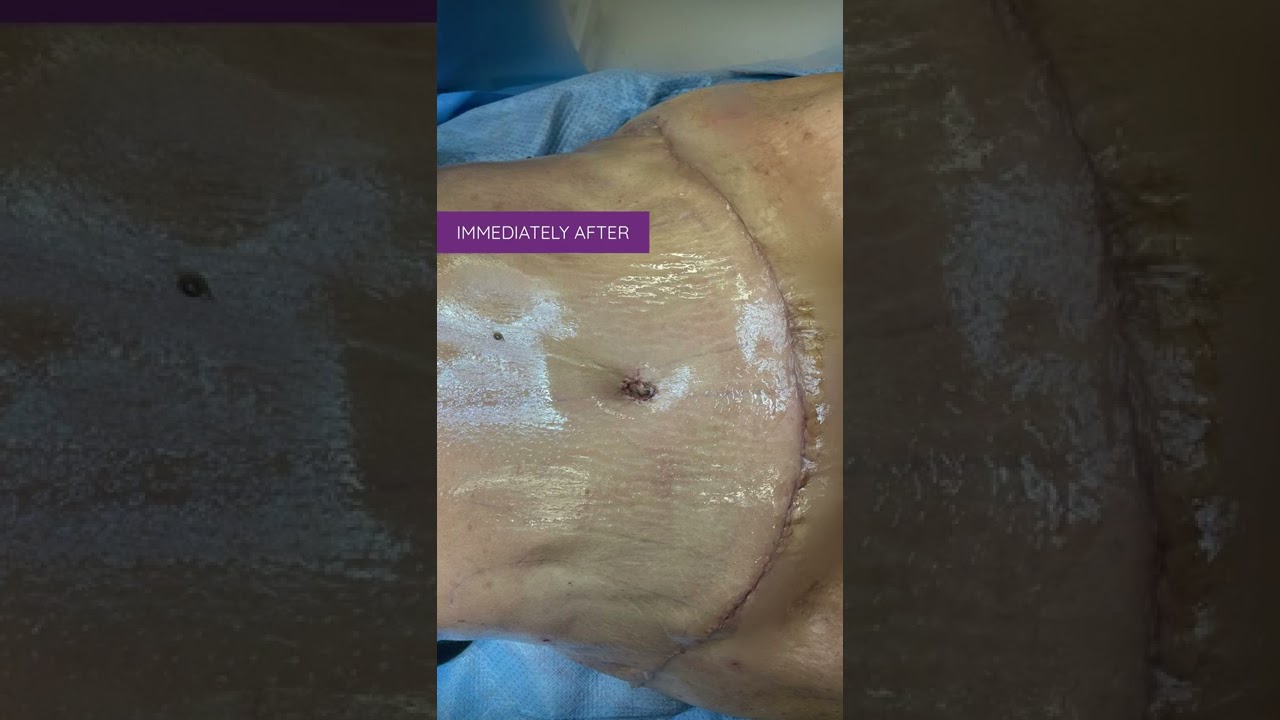
Liposuction in tummy tuck requires special planning and technique. I need to ensure that the blood circulation is well maintained for good healing. Yet proper liposuction is important to have a nice flat and contoured tummy.
#hdliposuction #tummytuck #lipoabdominoplasty #surgicalplanning #skinremovalsurgery #imeediatelyafter #plasticsurgeondubai #cocoonaclinic #drsanjayparashar #dubai
For more information visit www.drsanjayparashar.com
For more content, follow me on my social media
Instagram : https://www.instagram.com/drsanjayparashar/
Facebook : https://www.facebook.com/drsanjayparashar

Bronchiolitis is a common lung infection in young children and infants. It causes inflammation and congestion in the small airways (bronchioles) of the lung. Bronchiolitis is almost always caused by a virus. Typically, the peak time for bronchiolitis is during the winter months. Bronchiolitis starts out with symptoms similar to those of a common cold but then progresses to coughing, wheezing and sometimes difficulty breathing. Symptoms of bronchiolitis can last for several days to weeks, even a month.

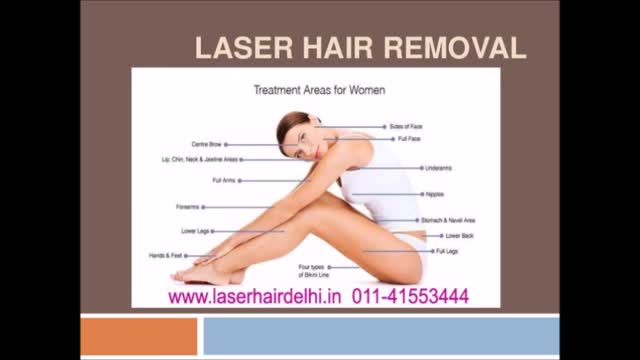
Laser Hair Removal In Delhi at SCULPT Aesthetic & Cosmetic Clinic.

An orgasm is a feeling of intense sexual pleasure that happens during sexual activity. It's sometimes called "coming" or "climaxing". Both men and women have orgasms.



A Texas baby, born with part of her heart outside her body ( Ectopia Cordis) , defies the odds and leaves hospital following a successful surgery.
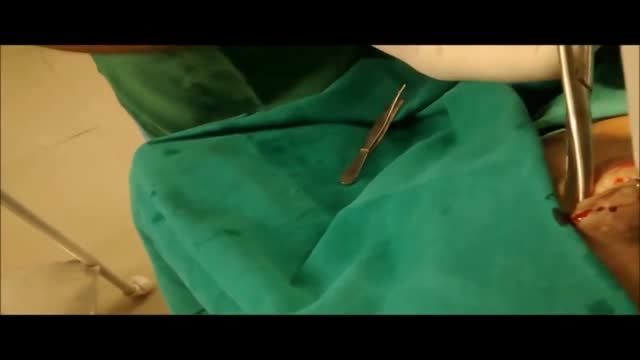
Skin Cysts Cysts are noncancerous, closed pockets of tissue that can be filled with fluid, pus, or other material. Cysts are common on the skin and can appear anywhere. They feel like large peas under the surface of the skin. Cysts can develop as a result of infection, clogging of sebaceous glands (oil glands), or around foreign bodies, such as earrings.
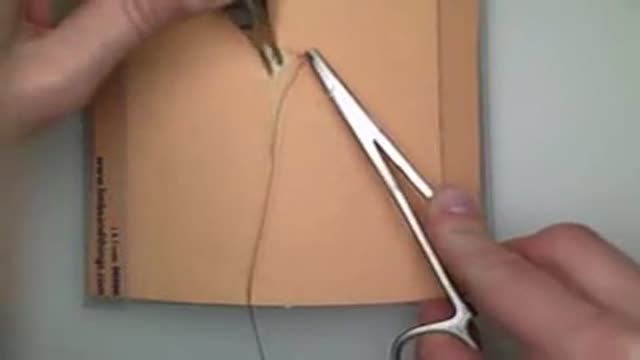
Demonstration of deep dermal suturing technique for laceration repair or wound closure in the operating room.

An inguinal hernia occurs when tissue, such as part of the intestine, protrudes through a weak spot in the abdominal muscles. The resulting bulge can be painful, especially when you cough, bend over or lift a heavy object. However, many hernias do not cause pain.
An inguinal hernia isn't necessarily dangerous. It doesn't improve on its own, however, and can lead to life-threatening complications. Your doctor is likely to recommend surgery to fix an inguinal hernia that's painful or enlarging. Inguinal hernia repair is a common surgical procedure.