
Najbolji videi
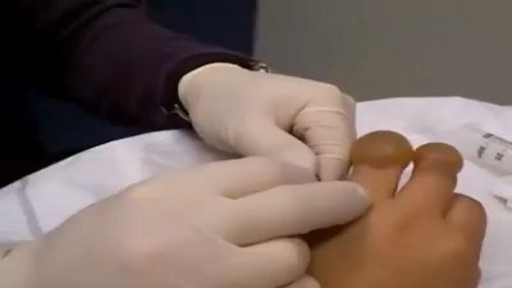

Frostbite is an injury caused by freezing of the skin and underlying tissues. First your skin becomes very cold and red, then numb, hard and pale. Frostbite is most common on the fingers, toes, nose, ears, cheeks and chin. Exposed skin in cold, windy weather is most vulnerable to frostbite. But frostbite can occur on skin covered by gloves or other clothing. Frostnip, the first stage of frostbite, doesn't cause permanent skin damage. You can treat very mild frostbite with first-aid measures, including rewarming your skin. All other frostbite requires medical attention because it can damage skin, tissues, muscle and bones. Possible complications of severe frostbite include infection and nerve damage.
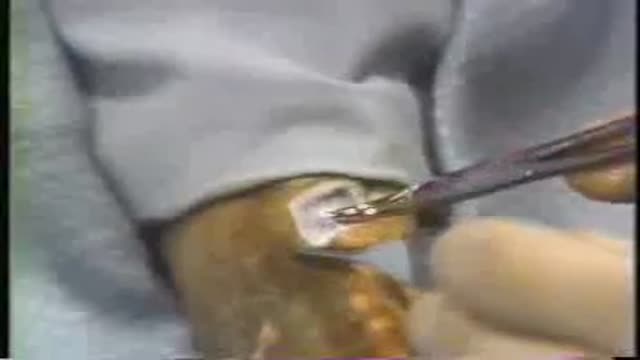
how to obtain intravenous access through cutting down over a large peripheral vein
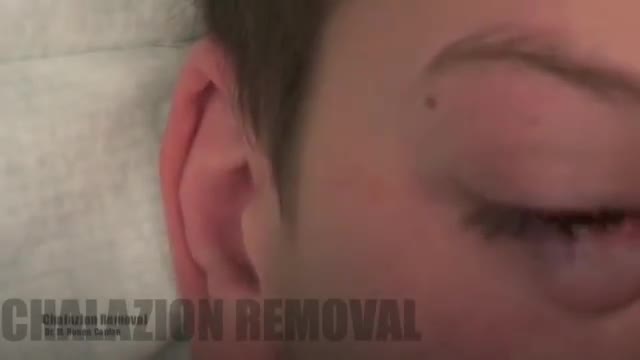
Chalazions are extremely common, and having a sound surgical technique to drain a chalazion is a fundamental in general ophthalmology and oculoplastic surgery. I believe one of the biggest downfalls in treating chalazions is inadequate local anesthetic. Please that both the outer and inner surface to the eyelid need to receive local anesthesia to make the patient totally comfortable. It is important to be careful in delivering the local anesthetic and making sure you have control of the head position, and the position of your needle is bent to minimize any possibility of contact with the globe.
Fistulotomy - Removal of Seton
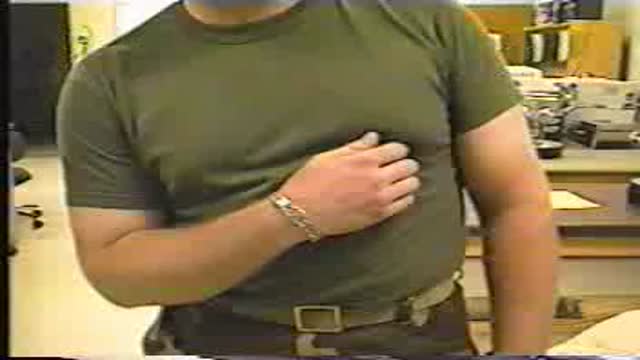
Two methods to reduce the shoulder are demonstrated and the need for analgesia or anesthesia discussed

Intended to detect congenital anomalies of the musculoskeletal system and reassure parents their baby is healthy. This is a demonstration of a real-time physical examination in the nursery setting.

After watching our video on nasal irrigation for natural sinus relief, visit http://www.nasalcleanse.com/index.html. Learn how & why this natural sinus remedy really works! Unlike messy, old-fashioned neti pots or competitors with badly designed, backflow-prone squeeze bottles that can cause sinus infection, NasalCare has a patented nasal rinse system that delivers a comfortable, soothing formula throughout the nasal passages, preventing sinus infection, allergy and post nasal drip. A mix of sea salt and Aloe Vera extract washes away nasal irritants and the common causes of colds and flu while providing nasal congestion relief. NasalCare also acts as a sinus rinse for allergy treatment. Used for centuries in the Orient as a natural remedy and preventative measure for all sinus conditions, nasal irrigation is just catching on here.
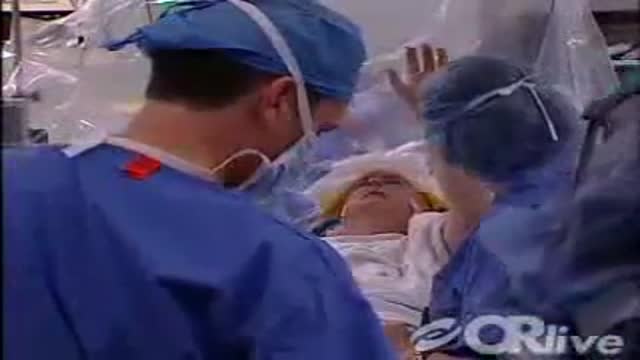
Vanderbilt Medical Center neurosurgeons and neurologists will be online demonstrating their 4-stage innovative technique used for Deep Brain Stimulation (DBS). Deep brain stimulation therapy utilizes an implantable neuro-stimulator to treat movement disorders such as Parkinson's disease, essential tremor, and dystonia.

Watch that Complete Chopped Hand Microvascular Re-implantation Surgery
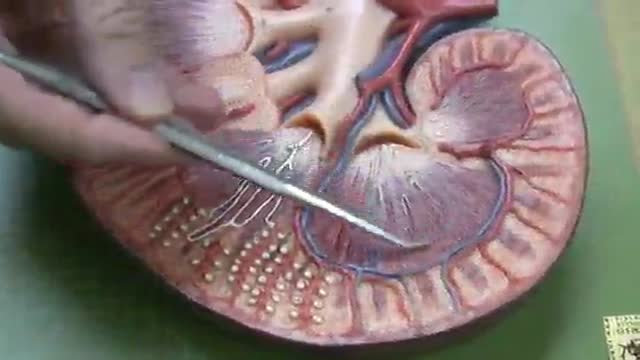
A great video showing dunctions and physiology of the Nephron

Ventricular Assist Device How It Works

Watch that Disgusting Skin Jiggers Removing
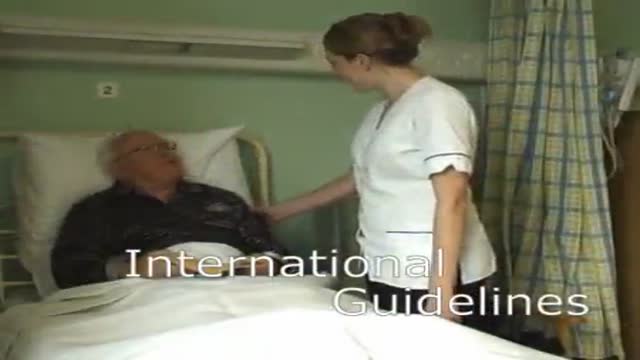
The infection prevention and control training DVD is based on international guidelines from The World Health Organisation and the Centres for Disease Control and Prevention. It sets out best practice in international standard precautions for infection prevention and control. Email hmi@shrc.ie for details.

Learn how to do a self exam for skin cancer
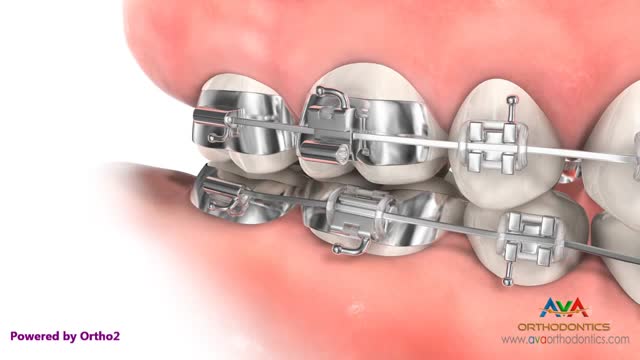
Forsus is an orthodontic appliance which is used to correct overjet or Class II dental malocclusion.
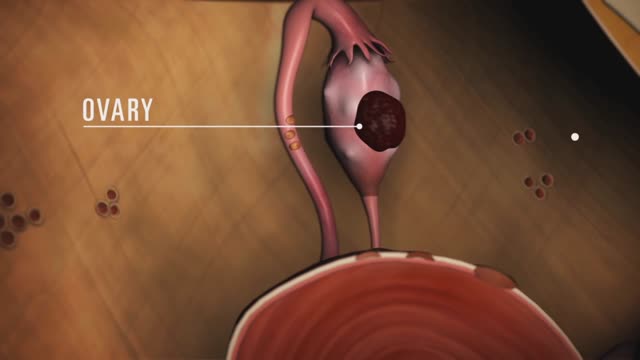
Endometriosis (en-doe-me-tree-O-sis) is an often painful disorder in which tissue that normally lines the inside of your uterus — the endometrium — grows outside your uterus. Endometriosis most commonly involves your ovaries, fallopian tubes and the tissue lining your pelvis. Rarely, endometrial tissue may spread beyond pelvic organs.
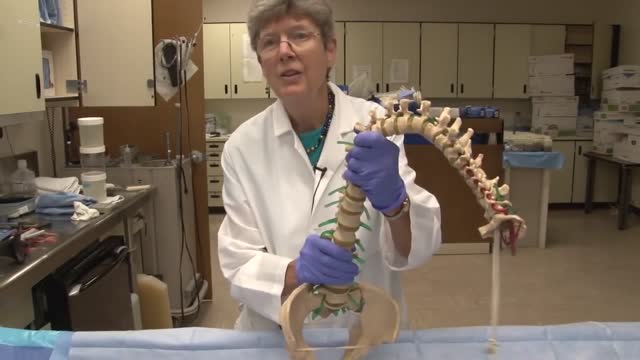
The spinal cord is a long, thin, tubular bundle of nervous tissue and support cells that extends from the medulla oblongata in the brainstem to the lumbar region of the vertebral column. The brain and spinal cord together make up the central nervous system (CNS).
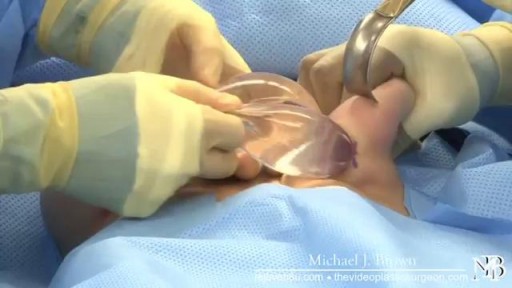
This cosmetic plastic surgery graphically shows breast implants being removed in an operating room in an actual surgery.

full examination of the foot and ankle
