
- Physical Examination
- Surgical Examination
- Ophthalmology
- Clinical Skills
- Orthopedics
- Surgery Videos
- Laparoscopy
- Pediatrics
- Funny Videos
- Cardiothoracic Surgery
- Nursing Videos
- Plastic Surgery
- Otorhinolaryngology
- Histology and Histopathology
- Neurosurgery
- Dermatology
- Pediatric Surgery
- Urology
- Dentistry
- Oncology and Cancers
- Anatomy Videos
- Health and Fitness
- Radiology
- Anaesthesia
- Physical Therapy
- Pharmacology
- Interventional Radiology
- Cardiology
- Endocrinology
- Gynecology
- Emergency Medicine
- Psychiatry and Psychology
- Childbirth Videos
- General Medical Videos
- Nephrology
- Physiology
- Diet and Food Health
- Diabetes Mellitus
- Neurology
- Women Health
- Osteoporosis
- Gastroenterology
- Pulmonology
- Hematology
- Rheumatology
- Toxicology
- Nuclear Medicine
- Infectious Diseases
- Vascular Disease
- Reproductive Health
- Burns and Wound Healing
- Other
Top videos
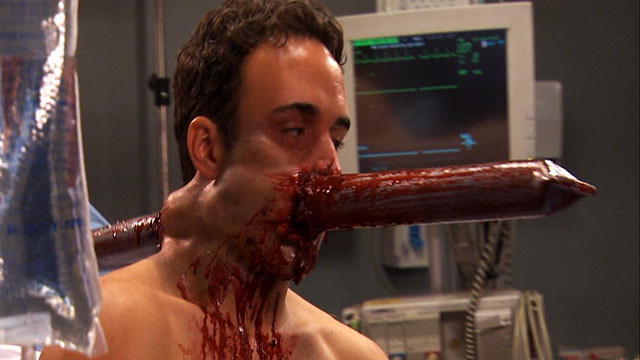

Watch that video of a Man With Pipe Penetrated His Head Inside Emergency Room
Learn what's working for other Nursing Students! Check out our Top 10 Most Popular Lessons Here: https://bit.ly/3nda5u3
Get the full lesson here: https://nursing.com/lesson/ski....lls-03-04-trach-care
Welcome to the NURSING Family, we call it the most supportive nursing cohort on the planet.
At NURSING.com, we want to help you remove the stress and overwhelm of nursing school so that you can focus on becoming an amazing nurse.
Check out our freebies and learn more at: (http://www.nursing.com)
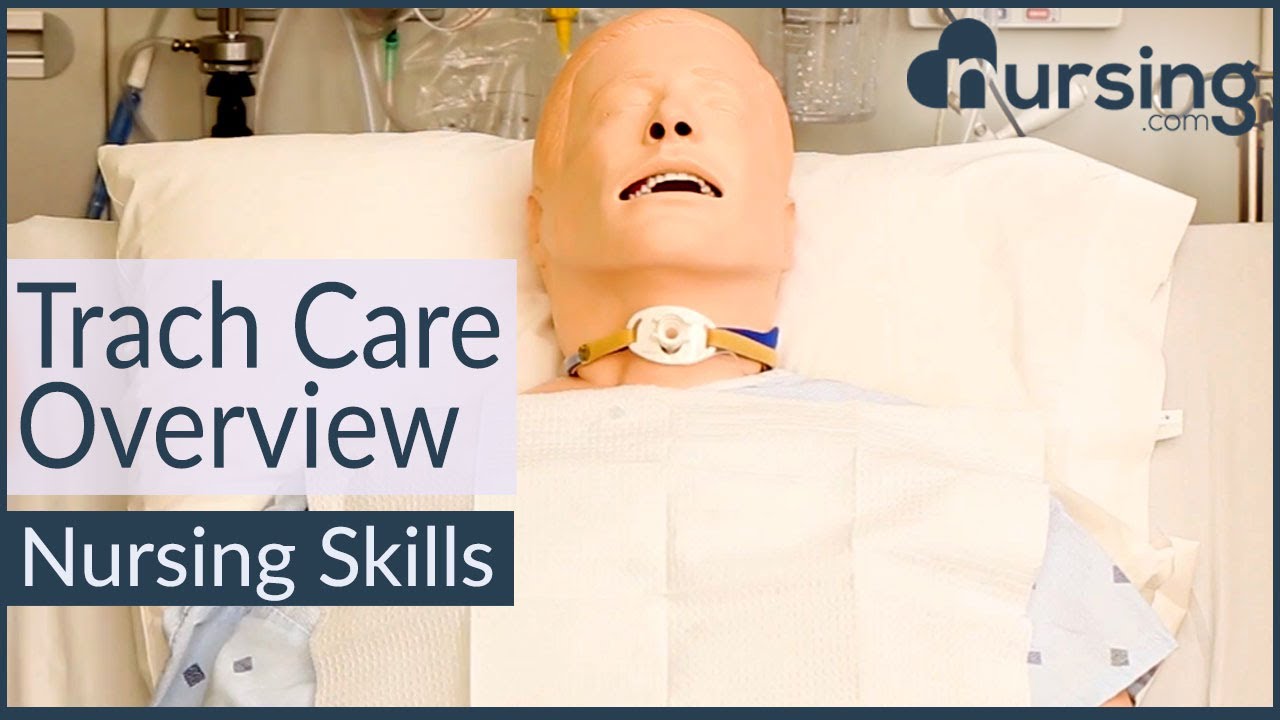
Trach Care Overview (Nursing Skills):
In this video we’re going to look at trach care. Remember you should always suction the patient before trach care, so if you haven’t watched that skill video yet, make sure you watch it!
Click here: https://nursing.com/lesson/ski....lls-03-03-trach-suct
And remember as you’re doing this, you want to be assessing the stoma for signs of infection or skin breakdown.
Bookmarks:
0:00 Introduction
0:30 Set up sterile field
1:00 Apply gloves
1:12 Remove inner canula and dressing
1:30 Apply sterile gloves
2:05 Clean secretions
2:56 Clean stoma
3:48 Replace inner canula
4:14 Change trach ties
5:50 Apply dressing
Visit us at https://nursing.com/medical-disclaimer/ for disclaimer information.
NCLEX®, NCLEX-RN® are registered trademarks of the National Council of State Boards of Nursing, INC. and hold no affiliation with NURSING.com.
You've come to the perfect YouTube Video if you want to learn hospital and medical English while watching shows of "The Good Doctor." Watch medical English talks from the TV show "the good doctor" to acquire new terminology about ailments that people experience but don't know the names of.
Medical English Lesson 2 with the good doctor - https://youtu.be/gU107Q9Jerw
Hospital English Vocabulary Lesson 3 with Dr. House - https://youtu.be/lE4i1pY53Us
Illness English used in Hospitals Lesson 4 with Chicago Med - https://youtu.be/u3VPRdierKA
So keep learning and watching our video lessons to learn and improve your English to a great level.
Other English lessons through The Big Bang Theory
Learn English through Big Bang Theory Lesson 1 - https://youtu.be/iM-o5EKK5pg
Funny English Lesson through Big Bang Theory Lesson 2 - https://youtu.be/O6CRNi6OJ1k
Enjoy Learning English through Big Bang Theory Lesson 3 - https://youtu.be/-iSDlbReAxk
Want to Learn English through Big Bang Theory Lesson 4 - https://youtu.be/AZSkyjk-Ioo
Learn Romantic English with The Big Bang Theory - Lesson 5 - https://youtu.be/k5EqRArT41w
Visit our Instagram page: https://www.instagram.com/englishfluencymission/
Our Facebook Page: https://www.facebook.com/englishfluencymission/
To be fluent in English, we should have a vocabulary of between 3000 and 4000 important English words. Once we attain this objective, we can be guaranteed to sound like a native speaker.
The links to a few books I've collected for you are listed below; if you truly enjoy, these could be excellent starting points for your quest for greater English fluency.
Oxford Learner's Pocket Word Skills: Pocket-sized, topic-based English vocabulary - https://amzn.to/34LKv7a
Word power made easy - https://amzn.to/38Ht8Fy
Cambridge Grammar for IELTS - https://amzn.to/34OUdWa
Unbroken - The incredible true story of Louis Zamperini, now a major motion picture directed by Angelina Jolie. - https://amzn.to/3rqtyZH
THE INTERNATIONAL NUMBER ONE BESTSELLER -
Other Video Lessons:
Learn English with Wonder Woman - https://youtu.be/6F8oqQWErU0
Learn English with Stuart Little - https://youtu.be/EIeOooR8vas
Learn English with Avengers 2012 - https://youtu.be/u97FZWkd4A8
Learn English with Forrest Gump - https://youtu.be/uH_kTF8QAZc
Learn English with Spider-Man 2 (2004) - https://youtu.be/DHy-2g-N7SQ
Your Queries
learn English with movies
learning English from movies
English vocabulary through Hollywood movies
hospital English conversation
hospital English words
hospital English movie
hospital English video
hospital English vocabulary
hospital English speaking
hospital English sentences
medical English speaking practice
medical English conversation
medical English words
medical English listening practice with the good doctor
learn hospital English with the good doctor
#thegooddoctor #learnenglishwithtvseries
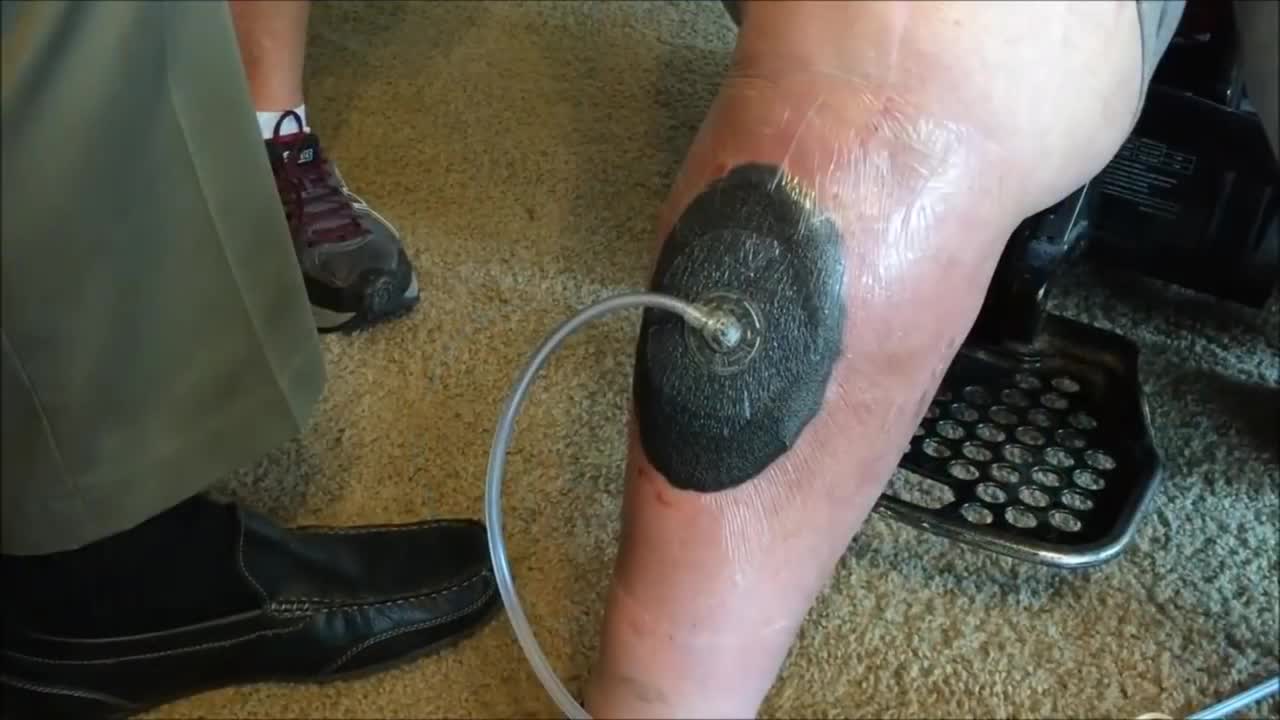
Hematoma Removal! Surgery, Blood, Popping
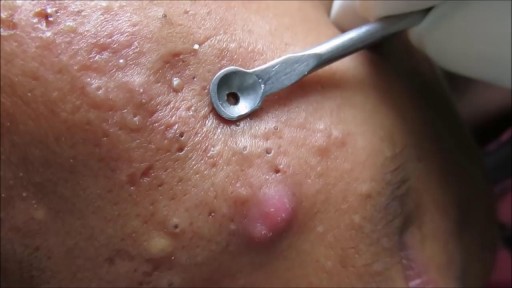
Comedone Extraction Video
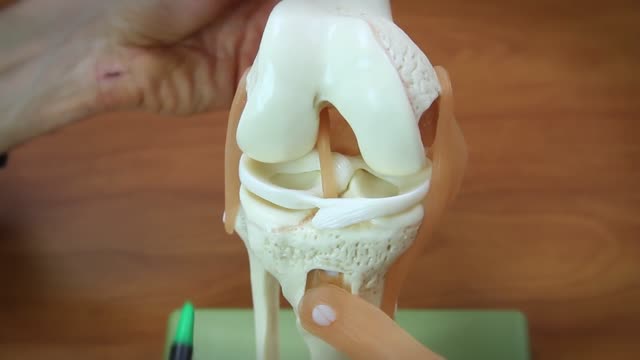
A torn meniscus is one of the most common knee injuries. Any activity that causes you to forcefully twist or rotate your knee, especially when putting your full weight on it, can lead to a torn meniscus. Each of your knees has two menisci — C-shaped pieces of cartilage that act like a cushion between your shinbone and your thighbone. A torn meniscus causes pain, swelling and stiffness. You also might feel a block to knee motion and have trouble extending your knee fully. Conservative treatment — such as rest, ice and medication — is sometimes enough to relieve the pain of a torn meniscus and give the injury time to heal on its own. In other cases, however, a torn meniscus requires surgical repair.
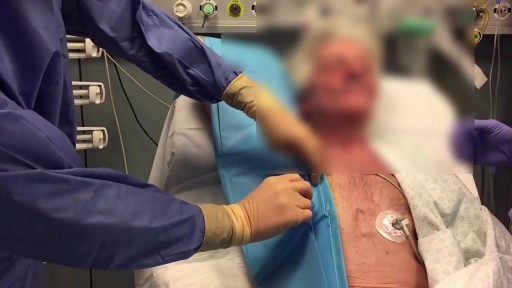
For blunt trauma patients lying supine, drains should be placed anteriorly in the chest. This pevents a tension pneumothorax developing if the chest tube is blocked by dependent lung tissue. Normal movement of the lungs will allow drainage of a basal haemothorax through an anterior chest tube
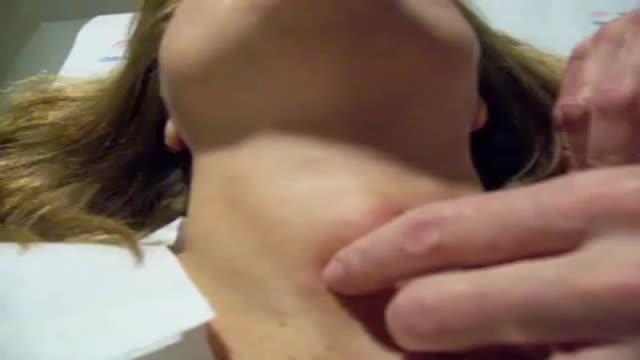
A thyroid biopsy is a procedure in which a small sample of tissue is removed from the thyroid gland and looked at under a microscope for cancer, infection, or other thyroid problems. The thyroid gland is found in front of the windpipe (trachea), just below the voice box (larynx). A sample of thyroid tissue can be taken by: Fine-needle biopsy. Your doctor puts a thin needle through the skin and into the thyroid gland. Many thyroid specialists like to use a needle biopsy method rather than surgery. Open biopsy. Your doctor makes a cut (incision) through the skin to see the thyroid gland. This method is done when other tests have not found the cause of your symptoms. Core needle biopsy. Your doctor inserts a needle with a special tip and removes a sample of tissue about the size of a grain of rice.
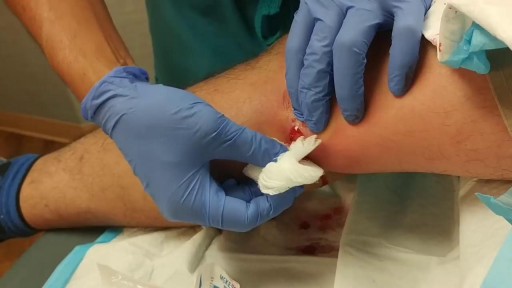
Popping and draining a leg abscess

Egg Freezing Oocyte Cryopreservation
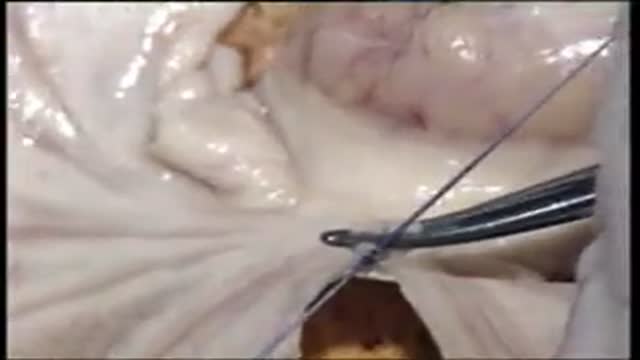
Mesenteric Vessel Ligation

Tracheostomy
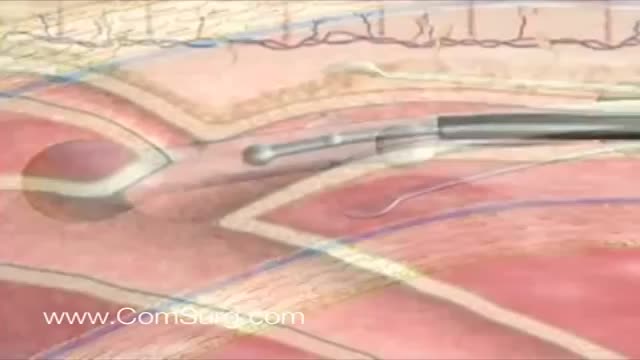
Like the VenaCure EVLT® procedure, which uses a laser to ablate the varicose vein, VNUS RF treatment is an alternative to more invasive leg stripping surgery. It is used primarily to treat the great saphenous veins (GSV), small saphenous vein (SSV), and other superficial veins in the legs.
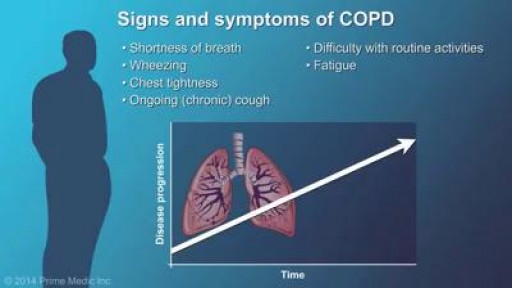
COPD stands for chronic obstructive pulmonary (lung) disease. COPD is a term applied to a family of diseases that includes emphysema, chronic bronchitis, and emphysema due to alpha-1 antitrypsin deficiency. COPD usually progresses gradually, causing limited airflow in and out of the lungs. COPD adds to the work of the heart. Diseased lungs might reduce the amount of oxygen that goes to the blood. High blood pressure in blood vessels from the heart to the lungs makes it difficult for the heart to pump. Lung disease can also cause the body to produce too many red blood cells, which might make the blood thicker and harder to pump.
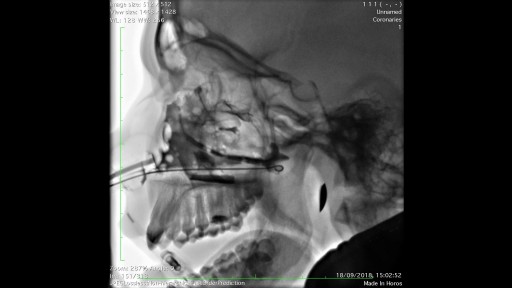
A unique video confirming the reality of the introduction of a large amount of irrigant or drug solution into unoperated paranasal sinuses. How is the process of filling the paranasal sinuses in real time during the YAMIK procedure! The use of the YAMIK Nasal Catheter opens up incredible possibilities for the treatment of sinusitis in both children and adults.

James Dunn, MD, PhD is a pediatric surgeon at Stanford Children's Health. He is board certified in General Surgery and Pediatric Surgery.
Learn more at https://www.stanfordchildrens.....org/en/service/gener
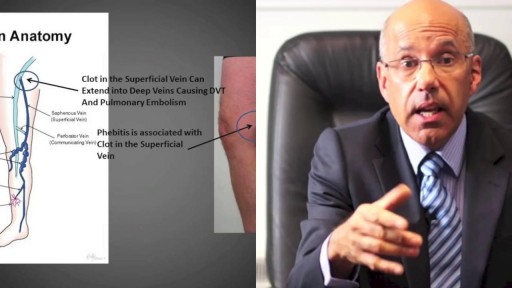
Phlebitis may occur with or without a blood clot. It can affect surface or deep veins. When caused by a blood clot, it's called thrombophlebitis. Trauma to the vein, for instance from an IV catheter, is a possible cause. Symptoms include redness, warmth, and pain in the affected area. Treatments may include a warm compress, anti-inflammatory medication, compression stockings, and blood thinners.
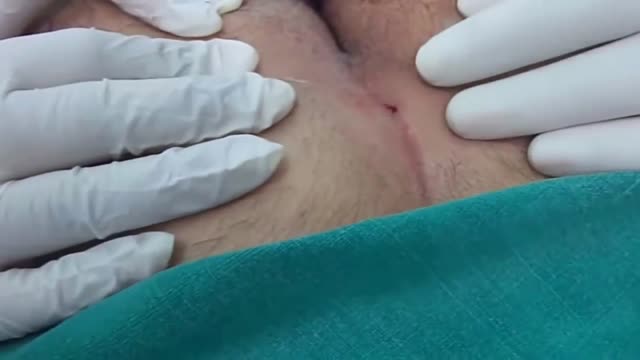
A pilonidal sinus (PNS) is a small cyst or abscess that occurs in the cleft at the top of the buttocks. A PNS usually contains hair, dirt, and debris. It can cause severe pain and can often become infected. If it becomes infected, it may ooze pus and blood and have a foul odor. A PNS is a condition that mostly affects men and is also common in young adults. It’s also more common in people who sit a lot, like cab drivers.
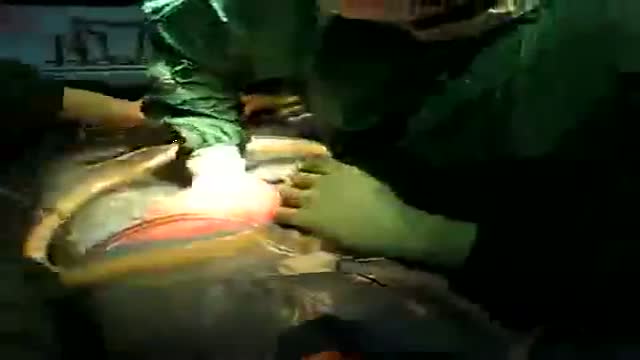
Caesarean section is the most common way to deliver a breech baby in the USA, Australia, and Great Britain. Like any major surgery, it involves risks. Maternal mortality is increased by a Caesarean section, but still remains a rare complication in the First World. Third World statistics are dramatically different, and mortality is increased significantly. There is remote risk of injury to the mother’s internal organs, injury to the baby, and severe hemorrhage requiring hysterectomy with resultant infertility. More commonly seen are problems with noncatastrophic bleeding, postoperative infection and wound healing problems. It should be added that the increase in maternal mortality rates could be slightly skewed due to the fact that Caesarean sections are often used during high-risk pregnancies and/or when mortality is already a strong possibility.
One large study has confirmed that elective cesarean section has lower risk to the fetus and a slightly increased risk to the mother, than planned vaginal delivery of the breech however elements of the methodology used have undergone some criticism.
The same birth injuries that can occur in vaginal breech birth may rarely occur in Caesarean breech delivery. A Caesarean breech delivery is still a breech delivery. However the soft tissues of the uterus and abdominal wall are more forgiving of breech delivery than the hard bony ring of the pelvis. If a Caesarean is scheduled in advance (rather than waiting for the onset of labor) there is a risk of accidentally delivering the baby too early, so that the baby might have complications of prematurity. The mother’s subsequent pregnancies will be riskier than they would be after a vaginal birth (uterine rupture). The presence of a uterine scar will be a risk factor for any subsequent pregnancies.
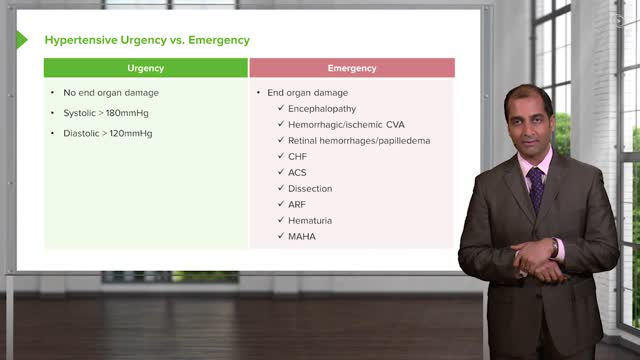
The Hypertensive urgency must be distinguished from hypertensive emergency. Urgency is defined as severely elevated blood pressure (ie, systolic >220 mm Hg or diastolic >120 mm Hg) with no evidence of target organ damage.
