
- Physical Examination
- Surgical Examination
- Ophthalmology
- Clinical Skills
- Orthopedics
- Surgery Videos
- Laparoscopy
- Pediatrics
- Funny Videos
- Cardiothoracic Surgery
- Nursing Videos
- Plastic Surgery
- Otorhinolaryngology
- Histology and Histopathology
- Neurosurgery
- Dermatology
- Pediatric Surgery
- Urology
- Dentistry
- Oncology and Cancers
- Anatomy Videos
- Health and Fitness
- Radiology
- Anaesthesia
- Physical Therapy
- Pharmacology
- Interventional Radiology
- Cardiology
- Endocrinology
- Gynecology
- Emergency Medicine
- Psychiatry and Psychology
- Childbirth Videos
- General Medical Videos
- Nephrology
- Physiology
- Diet and Food Health
- Diabetes Mellitus
- Neurology
- Women Health
- Osteoporosis
- Gastroenterology
- Pulmonology
- Hematology
- Rheumatology
- Toxicology
- Nuclear Medicine
- Infectious Diseases
- Vascular Disease
- Reproductive Health
- Burns and Wound Healing
- Other
Top videos
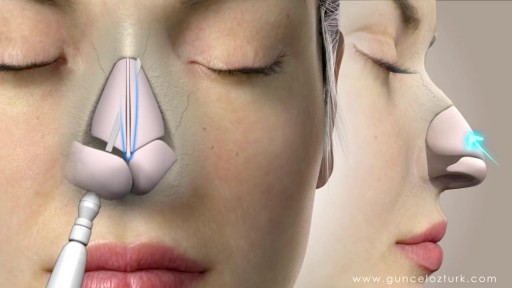

Rhinoplasty, sometimes referred to as a "nose job" or "nose reshaping" by patients, enhances facial harmony and the proportions of your nose. It can also correct impaired breathing caused by structural defects in the nose. What surgical rhinoplasty can treat Nose size in relation to facial balance Nose width at the bridge or in the size and position of the nostrils Nose profile with visible humps or depressions on the bridge Nasal tip that is enlarged or bulbous, drooping, upturned or hooked Nostrils that are large, wide or upturned Nasal asymmetry If you desire a more symmetrical nose, keep in mind that everyone's face is asymmetric to some degree. Results may not be completely symmetric, although the goal is to create facial balance and correct proportion. Rhinoplasty to correct a deviated septum Nose surgery that's done to improve an obstructed airway requires careful evaluation of the nasal structure as it relates to airflow and breathing. Correction of a deviated septum, one of the most common causes of breathing impairment, is achieved by adjusting the nasal structure to produce better alignment.
The condition is caused by a blockage in the lymphatic system, part of the immune and circulatory systems. Lymphedema is most commonly caused by lymph node removal or damage due to cancer treatment. The main symptom is swelling in an arm or leg that may be accompanied by pain or discomfort. Exercise, wrapping, massage, and compression can help.
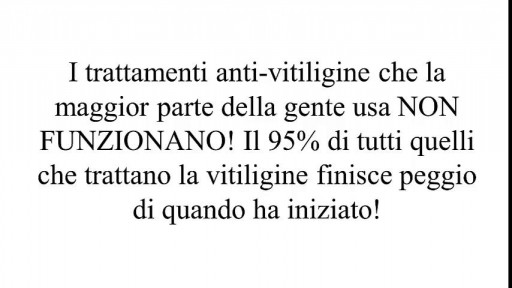
Vitiligine News, Vitiligine Foto, Vitiligine Come Si Manifesta, La Vitiligine, Rimedi Vitiligine --- http://vitiligine-cura.good-info.co --- Non Importa Quanto Sia Grave La Tua Vitiligine, Puoi Iniziare A Utilizzare Questo Sistema Potente PROPRIO ORA Per Ottenere La Libertà Dalla Vitiligine Che Hai Sempre Sognato! Funziona In Tutti I Casi Seguenti: Vitiligine Leggera, Moderata O Grave Vitiligine Focale Vitiligine Segmentale Vitiligine Mucoidale Vitiligine acrofacciale Vitiligine vulgaris Vitiligine universale I trattamenti anti-vitiligine che la maggior parte della gente usa NON FUNZIONANO! Il 95% di tutti quelli che trattano la vitiligine finisce peggio di quando ha iniziato! Una Presentazione Video Gratuita Spiega Un Singolare Consiglio Per Eliminare La Vitiligine Per Sempre http://vitiligine-cura.good-info.co
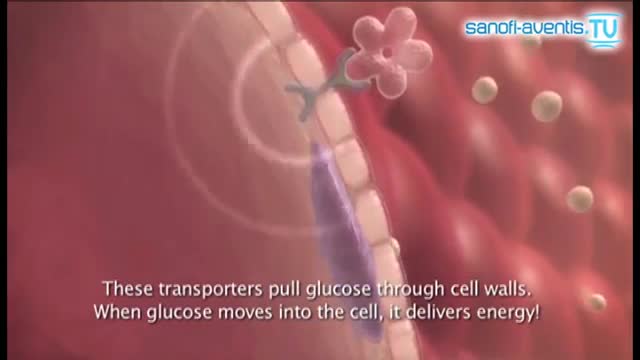
Insulin is a hormone made naturally in the pancreas that helps move sugar into the cells of your body. Your cells use the sugar as fuel to make energy. Without enough insulin, sugar stays in your bloodstream, raising your blood sugar. High blood sugar, or hyperglycemia, can lead to the signs and symptoms of diabetes:
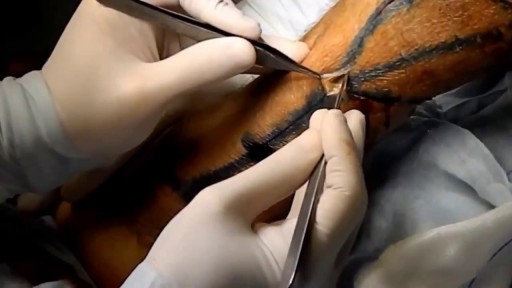
Reverse sural flap for ankle and heel soft tissues reconstruction
Sexually Transmitted Diseases (STDs) affect millions of people each year. The most common STDs are gonorrhea, chlamydia and trichomoniasis. While even thinking about STDs and whether you may have one is scary, knowing the facts can make a big difference in your long-term health. Here is what you need to know:
People who are sexually active with multiple partners and are not using barrier protection are at most risk. Teenagers are a large part of this group, because they dont always practice safe sex and they are more likely to have multiple partners. It is recommended that women who are sexually active with multiple partners get screened yearly or immediately after they have engaged in unprotected sex. If you discover that you have an STD, both you and your partner would most likely be treated with antibiotics.
Gonorrhea
Approximately 350,000 cases of gonorrhea were reported to the CDC in 2006, but because not everyone is getting tested for STDs, experts believe the actual numbers are twice that.
The symptoms for gonorrhea are burning with urination, abnormal discharge or pelvic pain. Pelvic pain indicates a very severe infection. Untreated gonorrhea can lead to a serious infection as the disease may spread to a womans fallopian tubes and cause infertility.
Chlamydia
There were 1,000,000 cases of chlamydia reported to the CDC in 2006; experts think the actual rate of infection is as high as 2,000,000 cases.
Chlamydia is often called the silent disease because many people with chlamydia have no symptoms. Chlamydia can affect the urethra, the vagina, the cervix and the fallopian tubes. Symptoms include burring with urination, abnormal discharge and pelvic pain. If you are experiencing any of these systems you should see your doctor to determine if you have chlamydia. Women with chlamydia who arent treated are likely to develop pelvic inflammatory disease. Pelvic inflammatory disease occurs when the infection spreads and causes scarring to the uterus and fallopian tubes. Untreated chlamydia can result in infertility.
Trichomoniasis
Trichomoniasis is the most common STD. About 7 million women and men have trichomoniasis. Women who have trichomoniasis will often experience a frothy yellow or green discharge coming from their vagina. But some people wont have any symptoms.
Understanding STDs, what causes them, and how to treat them will help you stay in control of your health.

This follow-along routine features stretching and strengthening exercises for before and after knee replacement surgery. Daljit, who is awaiting knee surgery, joins physiotherapist Milly Abdullah to demonstrate the exercises.
This video is part of the Surgery Toolkit, a series designed for people living with arthritis who are awaiting or recovering from joint replacement surgery. Staying active is important if you’re waiting for or recovering from surgery. Being fitter and stronger can improve the success of the operation and lead to a faster recovery time.
In the Surgery Toolkit you’ll also find tailor-made, follow-along exercise routines for hip and shoulder replacement, as well as full body workouts to help you maintain overall fitness. The series also includes advice films, personal stories and top tips on staying active before and after surgery from those living with arthritis who have been through joint replacement surgery.
This series is part of Let’s Move, a programme for people with arthritis who want more movement in their lives. Sign up today to the free newsletter to receive all the latest content to help you to get active in a way that works for you: https://action.versusarthritis.....org/page/120448/dat
the motor milestones expected in typically developing babies, from head control to walking and what pediatricians look for during a well-baby visit. She also explains the specific types of motor control a baby must master before the next milestone can be achieved
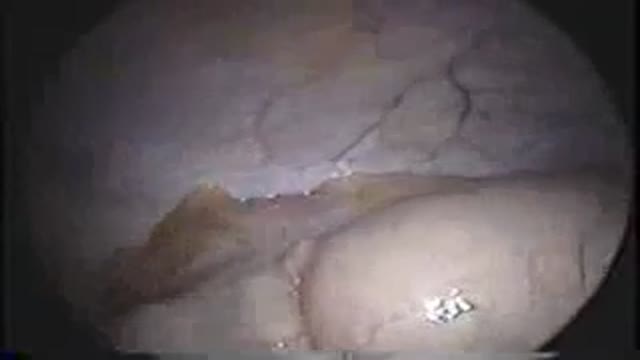
Laparoscopic Appendectomy Video
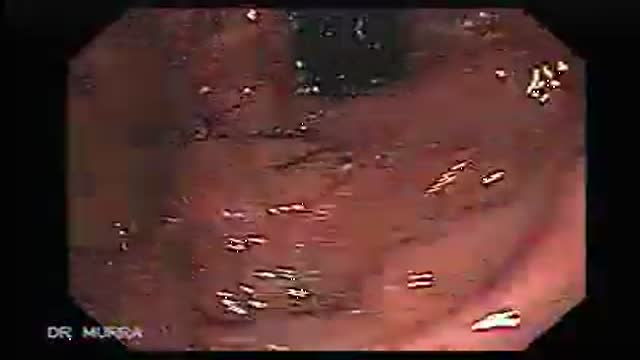
A 76 year-old, female, presented with a three day history of melena without any abdominal pain. She had one episode of hematemesis (about 100 ml blood) in the emergency room, patient has a strong alcoholic drink abuse.
An upper endoscopy with magnification was performed.
multiple ulcers were detected across of the gastric camera,
esophageal varices was also detected
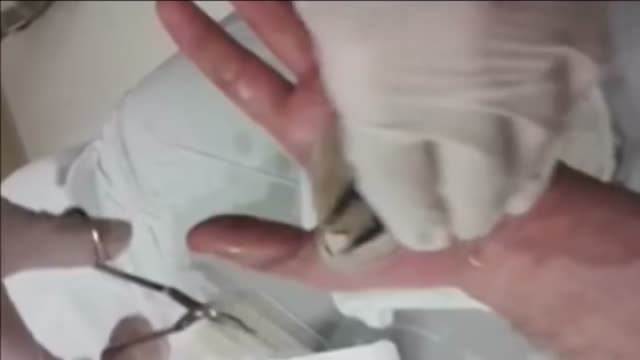
This video: Blisters caused by friction or minor burns do not require a doctor's care. New skin will form underneath the affected area and the fluid is simply absorbed. Do not puncture a blister unless it is large, painful, or likely to be further irritated. The fluid-filled blister keeps the underlying skin clean, which prevents infection and promotes healing.
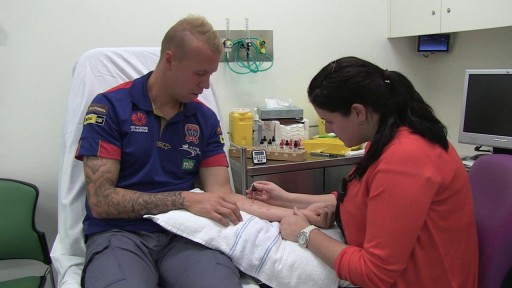
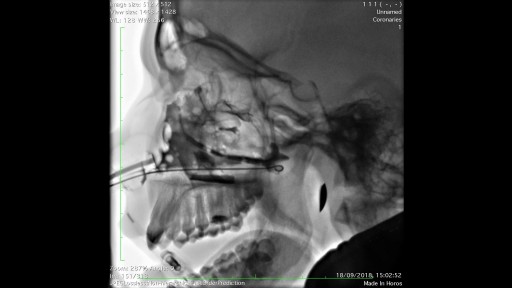
A unique video confirming the reality of the introduction of a large amount of irrigant or drug solution into unoperated paranasal sinuses. How is the process of filling the paranasal sinuses in real time during the YAMIK procedure! The use of the YAMIK Nasal Catheter opens up incredible possibilities for the treatment of sinusitis in both children and adults.
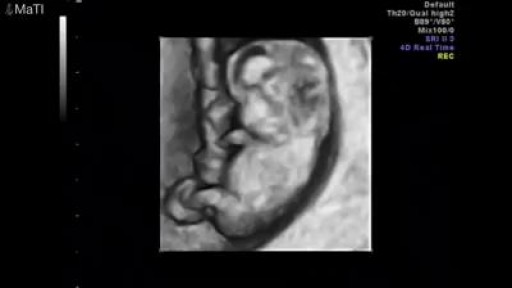
Pregnancy ultrasounds are performed mainly using transabdominal ultrasound. For many women, especially after 8 weeks gestation, sufficient information about the baby may be obtained with transabdominal ultrasound only. However, in the early pregnancy, the developing embryo is very small (at 6 weeks gestation, the baby is only 5-9mm long) and a transvaginal ultrasound may be required to get a better image of the baby. Transvaginal ultrasound is safe and commonly performed during all stages of pregnancy, including the first trimester. It will not harm you or your baby.
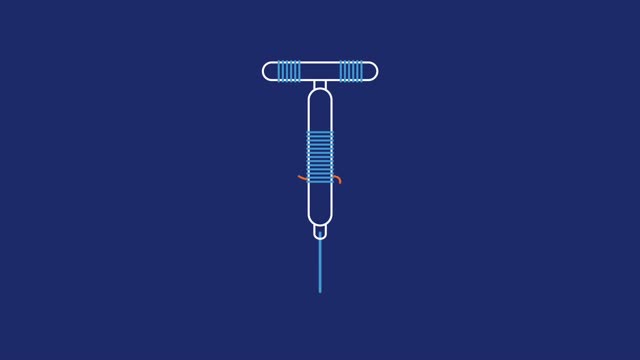
Emergency Contraception is a way to prevent pregnancy AFTER unprotected sex. Lots of people have questions about it: What does the morning after pill do? How does emergency contraception work to prevent pregnancy? What are the different types of emergency contraception? This video answers these questions and more.

Follow along on a typical day with UCSF Medical Center's chief of cardiothoracic surgery Dr. Tom Nguyen. Take a walk on rounds with his team as they check on patients who are recovering or preparing for heart valve surgeries to treat conditions such as mitral valve prolapse and mitral regurgitation. Get a glimpse into the operating room as Dr. Nguyen and his team use the latest non-invasive techniques to help patients achieve the best outcomes.
0:00 Surgeon begins day with morning report
0:53 Meet with fellows and visit patients
1:28 Surgeon thoughts on his practice
Minimally Invasive Surgeries
2:09 Mitral valve replacement for mitral stenosis
3:11 Mitral valve repair for AFib and mitral regurgitation
3:36 Stopping the heart
4:15 Culture 1 - Everyone's voice matters
4:45 Mitral valve repair for heart murmur
5:12 Culture 2 - Patient first
To view more UCSF videos relating to Mitral Regurgitation Treatment and Aortic Stenosis Treatment view:
Mitral Regurgitation Treatment Options https://youtu.be/7nUUOMx4tJ0
Aortic Stenosis Treatment Options https://youtu.be/A2rZK0oFWcc
If you want to learn more about the Cardiac Surgery clinic and to request an appointment visit: https://www.ucsfhealth.org/cli....nics/cardiac-surgery
#dayinthelife #heartsurgeon #heartsurgery #CardiacSurgery #Cardiology #ucsf #drnguyen#ucsfhealth #Cardiothoracic
Multiple strains put your children and teens at risk of meningococcal meningitis. How-to ensure they are fully protected.
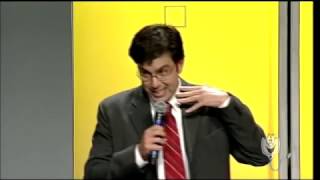
Ever heard medical terms like MRI or EKG? Funny speaker for nurses and doctors and all-around healthcare speaker Dr. Brad Nieder discusses the funny medical jargon he's encountered during his medical career.
He jokes about medical acronyms and big healthcare terms. His funny medical humor makes the conference attendees burst with laughter and he reads the medical definition for "laugh."
As an experienced physician and keynote speaker, he's perfect for any in-person or virtual conference or event. He's also a great healthcare speaker to bring in for continuing medical education (cme) units!
Learn more about Brad's keynote and virtual speaking, and book him for your next conference or virtual event: https://www.HealthyHumorist.com
Find Dr. Brad on social media:
https://www.facebook.com/HealthyHumor...
https://www.linkedin.com/in/BradNieder
https://twitter.com/HealthyHumorist
https://www.youtube.com/c/BradNiederMD
https://vimeo.com/BradNieder
Brad Nieder, MD, CSP*
The Healthy Humorist
Doctor, Keynote Speaker, Clean Comedian
*CSP=Certified Speaking Professional
"Medical Lingo"
From the DVD "The Healthy Humorist in Orlando: Laughter is the Best Medicine"
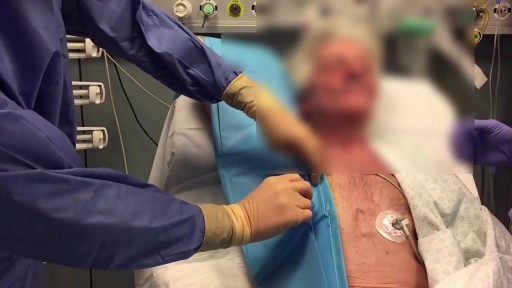
For blunt trauma patients lying supine, drains should be placed anteriorly in the chest. This pevents a tension pneumothorax developing if the chest tube is blocked by dependent lung tissue. Normal movement of the lungs will allow drainage of a basal haemothorax through an anterior chest tube

A successful cardiovascular exam includes visual examination, palpation of the apical impulse, auscultation of Erb's point, auscultation of the carotids, and auscultation over the four different heart valve locations (aortic, pulmonic, tricuspid, and mitral). Additionally, the radial pulse is palpated while auscultating to distinguish whether a murmur is diastolic or systolic.
Video Index:
0:13 - Inspection of the thorax
0:29 - Palpation of the apex heart beat
0:59 - Auscultation of the heart
1:16 - Auscultation of the Erb’s point
1:33 - Using Erb’s point to check the heart rate
1:45 - Systolic and diastolic heart sound identification
2:01 - Ascultating individual valves: aortic, pulmonary, tricuspid, mitral
2:41 - Ascultation of the carotids
2:54 - Ascultating the pulmonary and aortic valves
3:04 - Ascultation of the mitral valve
3:16 - Mitral valve murmurs
Subscribe to AMBOSS YouTube for the latest clinical examination videos, medical student interviews, study tips and tricks, and live webinars!
Free 5 Day Trial: https://go.amboss.com/amboss-YT
Instagram: https://www.instagram.com/amboss_med/
Facebook: https://www.facebook.com/AMBOSS.Med/
Twitter: https://twitter.com/ambossmed
Blog: https://blog.amboss.com/us
#CardiovascularExamination #AuscultationOfTheHeart #USMLE #AMBOSSMed
