Depression or Anxiety? How to Tell the Difference
Depression is a condition of persistently low mood and lost interest or pleasure, with changes in energy, sleep, appetite, and concentration that last for weeks and interfere with daily life. Anxiety disorders are conditions of excessive, hard-to-control worry and fear, with physical tension and arousal — a racing heart, restlessness, and a sense of threat. They are confused because they overlap heavily: many people have features of both, each can cause the other, and both disturb sleep and concentration. The clearest differences: depression is dominated by emptiness, loss of pleasure, and slowing down, while anxiety is dominated by worry about the future, tension, and being on edge — though in practice the two often arrive together and both deserve treatment.
✓ Medically reviewed by Mohamed Magdy Ibrahim, MD, PhD — Assistant Professor of Medicine, Transplant Nephrology, University of Maryland School of Medicine · Board certified in Internal Medicine (ABIM) · Last reviewed: November 2026
In short: Feeling empty, flat, and unable to enjoy anything, with low energy and a wish to withdraw, points to depression. Feeling keyed-up, worried, and unable to switch off, with a racing heart and tense muscles, points to anxiety. Very often both are present together — and either way, effective treatments exist and help is a strength, not a failure.
At a glance: depression vs anxiety
| Depression | Anxiety disorders | |
|---|---|---|
| What it is | A mood disorder: persistently low mood and loss of interest or pleasure, with physical and thinking changes | A group of disorders of excessive fear and worry, with the body's threat system switched on too easily |
| Core feeling | Emptiness, sadness, hopelessness, or emotional numbness | Dread, worry, and a sense that something bad is about to happen |
| Interest & pleasure | Markedly reduced — things that used to matter feel pointless or flat | Usually preserved, though worry can crowd out enjoyment |
| Energy & body | Exhaustion, heaviness, and slowing down; even small tasks feel enormous | Restlessness, muscle tension, trembling, and being unable to relax |
| Thinking pattern | Negative thoughts about oneself — guilt, worthlessness, self-criticism — and a bleak view of the future | Worst-case thinking about the future — 'what if' chains, scanning for danger, difficulty controlling worry |
| Sleep | Broken sleep with early waking, or sleeping far more than usual without feeling rested | Difficulty falling asleep because the mind will not switch off; light, restless sleep |
| Appetite & body symptoms | Appetite and weight may fall or rise; aches and pains without a clear cause are common | Nausea, butterflies, a churning stomach, headaches, palpitations, and shortness of breath during surges of anxiety |
| Behaviour | Withdrawal from people and activities; neglecting self-care and responsibilities | Avoidance of feared situations, reassurance-seeking, checking, and difficulty making decisions |
| Panic attacks | Can occur, but are not the defining feature | A hallmark of panic disorder: sudden surges of intense fear with palpitations, breathlessness, and a feeling of losing control |
| How it is confirmed | A clinician's assessment of symptoms, duration, and impact; questionnaires help track severity; physical causes such as thyroid problems are checked | A clinician's assessment of the worry pattern and its triggers and impact; physical causes of palpitations and breathlessness are excluded where needed |
| Usual treatment | Talking therapies, antidepressant medicines when indicated, activity and sleep routines, and support; severe illness may need specialist care | Talking therapies (especially CBT and exposure work), medicines when indicated, and skills for calming the body's alarm system |
| How urgent | Thoughts of harming yourself, or feeling unable to stay safe, mean getting help immediately — see below | Panic with chest pain should be medically checked at least once to exclude physical causes; feeling unable to cope safely also means immediate help |
The two conditions in brief
Depression in brief
Depression is more than sadness: it is a sustained change in mood, body, and thinking. Pleasure drains out of things, energy and concentration fall, sleep and appetite change, and self-critical thoughts — guilt, worthlessness, hopelessness — take hold for weeks at a time.
It is an illness, not a weakness or a choice, and it responds to treatment: structured talking therapies, antidepressant medicines where appropriate, and rebuilding routine, activity, and connection. Read the full depression guide →
Anxiety disorders in brief
Anxiety disorders — including generalised anxiety, panic disorder, social anxiety, and phobias — are the threat system stuck in the 'on' position. Worry becomes excessive and hard to control, the body stays tense and aroused, and avoidance gradually shrinks life around the feared things.
Treatment retrains the alarm: CBT and gradual exposure change the pattern of fear, medicines can lower the background level of anxiety, and practical skills help settle the body's surges. Read the full anxiety guide →
When to worry — get care the same day
- Thoughts of harming yourself or ending your life, or feeling unable to keep yourself safe — get help now (see below)
- Being unable to eat, drink, wash, or get out of bed because of how you feel
- Hearing or seeing things others do not, or beliefs that feel frightening and fixed
- Panic symptoms with chest pain, severe breathlessness, or fainting that have never been medically checked
- A sudden, extreme high — no need for sleep, racing thoughts, reckless behaviour — which may signal mania rather than depression or anxiety
If you are having thoughts of suicide or self-harm, please reach out now: in the US, call or text 988 (the Suicide and Crisis Lifeline); in the UK and Ireland, Samaritans is 116 123; elsewhere, contact your local crisis line or emergency services. You deserve support, and these feelings can change with help.
Watch: depression and anxiety videos
Watch: depression
 Depression and its treatment
9,411 views
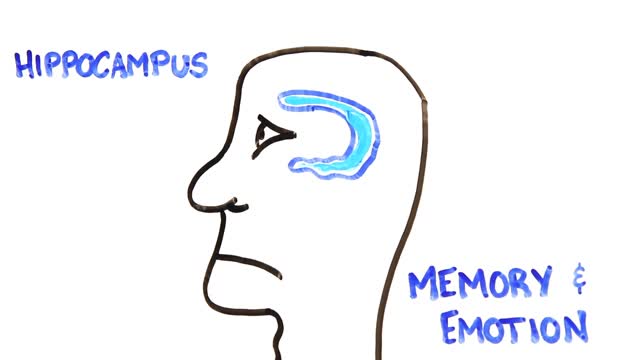 Depression
2,423 views
 What is Major Depressive Disorder?
2,144 views
Watch: anxiety


Read the full guides
Depression: the full guide Symptoms and types, how depression is assessed, talking therapies, medicines, and supporting recovery. Read the guide → Anxiety Disorders: the full guide Generalised anxiety, panic, and phobias — how the alarm system misfires, CBT and exposure, and medicines. Read the guide →Frequently asked questions
Can you have depression and anxiety at the same time?
Yes — it is very common, arguably more common than either alone. Persistent anxiety can wear a person down into depression, and depression often comes with anxious tension and worry. Clinicians assess for both, and treatment plans usually address the two together rather than forcing a choice between labels.
Is it normal sadness or grief, rather than depression?
Sadness and grief are natural responses to loss and difficulty: they come in waves tied to reminders, self-esteem is usually intact, and pleasure can still break through. Depression is more constant and pervasive — a flat, empty mood most of the day, most days, with loss of interest in nearly everything and often strong self-criticism. If low mood persists beyond a few weeks or is interfering with life, it deserves assessment whatever its trigger.
Are panic attacks dangerous?
A panic attack feels dangerous — the racing heart, breathlessness, and sense of doom can mimic a heart attack — but the attack itself is the body's alarm firing, and it peaks and passes. Even so, a first episode with chest pain or breathlessness should be medically checked to exclude physical causes, and recurrent panic deserves treatment because it responds well to it.
Do I need medication, or will therapy be enough?
It depends on severity and preference. Talking therapies are effective for mild to moderate depression and are the mainstay for anxiety disorders; medicines are added when symptoms are more severe, persistent, or not responding, and the combination often works best. This is a decision to make with a clinician who knows your history — not a test of willpower either way.
What physical problems can look like depression or anxiety?
Several: an underactive or overactive thyroid can imitate both, anaemia can mimic depression's exhaustion, and heart rhythm problems, asthma medicines, steroids, and excess caffeine can mimic anxiety. That is why a first assessment usually includes questions about physical health and sometimes blood tests — treating the physical cause treats the 'mental' symptoms.
More comparisons
Related topics on MedicalVideos.com
Sources & further reading
Authoritative references for readers who want to go deeper:
Ibrahim MM. Depression vs Anxiety: How to Tell the Difference. MedicalVideos.com; 2026 Nov 26 [cited 2026 Nov 26]. Available from: https://www.medicalvideos.com/conditions/vs/depression-vs-anxiety.html
This page is for general education only and is not medical advice. It cannot tell you which condition you have — only an examination and tests can do that. If you are having thoughts of harming yourself, contact a crisis line or emergency services now — in the US, call or text 988 — and tell someone you trust today.