Type 1 or Type 2 Diabetes? How to Tell the Difference
Type 1 diabetes is an autoimmune condition in which the immune system destroys the insulin-making cells of the pancreas, so the body produces little or no insulin. Type 2 diabetes is a condition in which the body still makes insulin but no longer responds to it properly, and over time cannot make enough. Both raise blood sugar and can cause thirst, frequent urination, and tiredness — which is why they are confused. The clearest differences: type 1 usually starts suddenly, often in childhood or young adult life, and always needs insulin; type 2 develops slowly over years, usually in adults, and is managed first with lifestyle changes and tablets. If you are asking the question the other way round — type 2 or type 1 — the same distinctions apply.
✓ Medically reviewed by Mohamed Magdy Ibrahim, MD, PhD — Assistant Professor of Medicine, Transplant Nephrology, University of Maryland School of Medicine · Board certified in Internal Medicine (ABIM) · Last reviewed: November 2026
In short: Type 1 is the immune system switching off insulin production — it comes on over weeks, often in younger people, and insulin is essential from day one. Type 2 is the body gradually resisting insulin — it creeps up over years, usually in adults, and is treated first with lifestyle measures and tablets. A blood test, not symptoms alone, confirms which one it is.
At a glance: type 1 vs type 2 diabetes
| Type 1 diabetes | Type 2 diabetes | |
|---|---|---|
| What it is | An autoimmune condition: the immune system destroys the insulin-making cells in the pancreas | A metabolic condition: the body resists insulin and gradually cannot make enough of it |
| Why it happens | Autoimmune attack; the exact trigger is not fully understood and it is not caused by diet or lifestyle | A mix of genetics, weight, inactivity, and ageing; insulin resistance builds up over years |
| Who it affects most | Children, teenagers, and young adults most often, though it can start at any age | Adults, most often over the age of forty, though it is increasingly seen in younger adults |
| How fast it starts | Quickly — symptoms develop over days to weeks | Slowly — often over years, and it may cause no symptoms at first |
| Main symptoms | Marked thirst, passing lots of urine, weight loss, tiredness, and sometimes vomiting and tummy pain | Often none at first; later thirst, frequent urination, tiredness, slow-healing wounds, and repeated infections |
| Weight pattern | Weight loss is common before diagnosis, even while eating normally | Often linked with carrying extra weight, especially around the waist |
| Ketones & emergencies | Prone to diabetic ketoacidosis (DKA), a dangerous build-up of ketones, especially when unwell | DKA is uncommon; very high blood sugar can instead cause severe dehydration and confusion |
| How it is confirmed | Blood sugar and HbA1c tests; antibody and C-peptide tests can confirm the autoimmune type | Blood sugar and HbA1c tests; the pattern of onset and response to treatment support the diagnosis |
| Usual treatment | Insulin for life, given by injections or a pump, with blood sugar monitoring | Lifestyle measures and tablets first; injectable medicines or insulin may be added over time |
| Can it be reversed? | No — insulin treatment is lifelong, though research continues | It cannot usually be cured, but substantial weight loss can put it into remission for some people |
| How urgent | New symptoms with vomiting, tummy pain, or rapid breathing need same-day emergency care | Usually found and managed routinely, but very high blood sugar with illness or confusion needs prompt care |
The two conditions in brief
Type 1 diabetes in brief
In type 1 diabetes the immune system attacks the beta cells of the pancreas, and insulin production falls away. Without insulin, sugar stays in the blood instead of entering the cells, and the body starts breaking down fat for fuel, which produces ketones.
Because the onset is fast and the insulin lack is total, people with type 1 diabetes need insulin from the day they are diagnosed, together with regular blood sugar monitoring and sick-day rules for illness. Read the full type 1 diabetes guide →
Type 2 diabetes in brief
In type 2 diabetes the body's cells respond less and less to insulin, and the pancreas cannot keep up with the extra demand. Blood sugar rises slowly, which is why many people are found by a routine blood test before they notice symptoms.
Treatment starts with food, activity, and weight management, plus tablets that help the body use insulin or make more of it. Many people eventually need injectable treatment as the condition progresses. Read the full type 2 diabetes guide →
When to worry — get care the same day
- Vomiting, tummy pain, rapid or deep breathing, or breath that smells fruity — possible ketoacidosis
- Confusion, drowsiness, or difficulty staying awake with very high blood sugar
- Shaking, sweating, confusion, or collapse from low blood sugar that does not respond to fast-acting sugar
- A foot cut or ulcer that is not healing, or any spreading redness on the foot
- Sudden change in vision
Ketoacidosis is most often a type 1 emergency, but it can happen in type 2 during severe illness. Either pattern needs emergency care, not a wait-and-see approach.
Watch: type 1 and type 2 diabetes videos
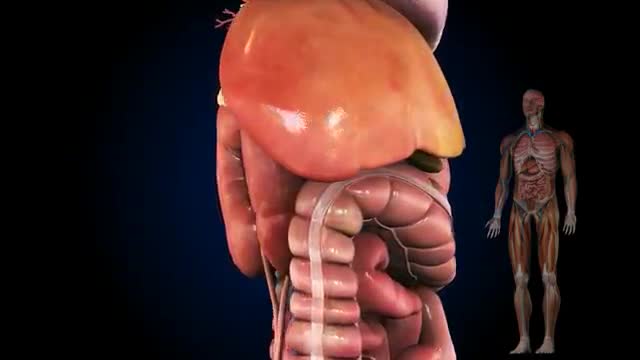
Watch: type 1 diabetes

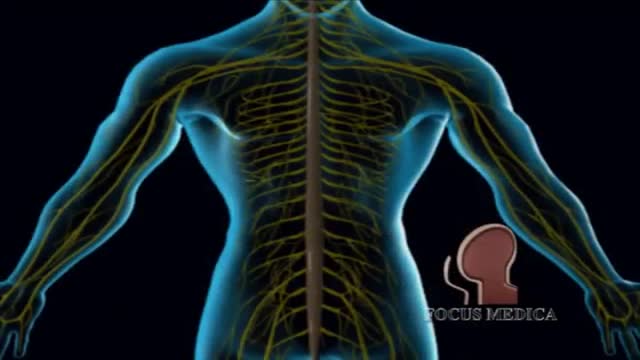
Watch: type 2 diabetes

Read the full guides
Type 1 Diabetes: the full guide The autoimmune cause, symptoms, insulin treatment, pumps, and living with type 1 day to day. Read the guide → Type 2 Diabetes: the full guide Insulin resistance explained, the silent early phase, checks for eyes, feet, and kidneys, and treatment options. Read the guide → Gestational Diabetes: diabetes in pregnancy A third type that appears in pregnancy — how it differs from type 1 and type 2, and why it is screened for. Read the guide →Frequently asked questions
Can type 2 diabetes turn into type 1?
No. They are separate conditions with different causes, and one does not change into the other. Some people with type 2 eventually need insulin because their pancreas makes less over time, but that is still type 2 diabetes — needing insulin does not make it type 1.
Can adults get type 1 diabetes?
Yes. Type 1 diabetes is most often diagnosed in children and young people, but it can begin in adults at any age. Adult-onset type 1 is sometimes mistaken for type 2 at first, which is one reason antibody and C-peptide tests are used when the picture is unclear.
Which type is more serious?
Both are serious, long-term conditions that raise the risk of damage to the eyes, kidneys, nerves, heart, and blood vessels if blood sugar stays high. Type 1 carries the added short-term risk of ketoacidosis; type 2 often arrives alongside high blood pressure and cholesterol problems. Good control matters equally in both.
How do doctors tell type 1 from type 2?
Doctors combine the story — age, speed of onset, weight change, and symptoms — with blood tests. Antibodies linked to the autoimmune attack point to type 1, and a C-peptide test shows how much insulin the body still makes: very low in type 1, often normal or high early in type 2.
Do all people with type 2 diabetes need insulin?
No. Many people manage type 2 diabetes for years with lifestyle changes and tablets. Insulin is added when blood sugar remains above target despite other treatment, during some illnesses, or when the pancreas can no longer make enough.
More comparisons
Related topics on MedicalVideos.com
Sources & further reading
Authoritative references for readers who want to go deeper:
- MedlinePlus: Type 1 Diabetes
- CDC: About Type 1 Diabetes
- NHS: Type 1 Diabetes
- MedlinePlus: Type 2 Diabetes (link to be verified at build)
- NHS: Type 2 Diabetes (link to be verified at build)
Ibrahim MM. Type 1 vs Type 2 Diabetes: How to Tell the Difference. MedicalVideos.com; 2026 Nov 26 [cited 2026 Nov 26]. Available from: https://www.medicalvideos.com/conditions/vs/type-1-vs-type-2-diabetes.html
This page is for general education only and is not medical advice. It cannot tell you which condition you have — only an examination and tests can do that. Vomiting, tummy pain, or rapid breathing with high blood sugar, or confusion or collapse from low blood sugar, needs emergency care the same day.