
- Physical Examination
- Surgical Examination
- Ophthalmology
- Clinical Skills
- Orthopedics
- Surgery Videos
- Laparoscopy
- Pediatrics
- Funny Videos
- Cardiothoracic Surgery
- Nursing Videos
- Plastic Surgery
- Otorhinolaryngology
- Histology and Histopathology
- Neurosurgery
- Dermatology
- Pediatric Surgery
- Urology
- Dentistry
- Oncology and Cancers
- Anatomy Videos
- Health and Fitness
- Radiology
- Anaesthesia
- Physical Therapy
- Pharmacology
- Interventional Radiology
- Cardiology
- Endocrinology
- Gynecology
- Emergency Medicine
- Psychiatry and Psychology
- Childbirth Videos
- General Medical Videos
- Nephrology
- Physiology
- Diet and Food Health
- Diabetes Mellitus
- Neurology
- Women Health
- Osteoporosis
- Gastroenterology
- Pulmonology
- Hematology
- Rheumatology
- Toxicology
- Nuclear Medicine
- Infectious Diseases
- Vascular Disease
- Reproductive Health
- Burns and Wound Healing
- Kidney Zone Podcast
- Other
Anxiety Disorders
Anxiety disorders involve worry, fear or tension that is stronger or longer-lasting than everyday nerves and starts to interfere with daily life. Types include generalized anxiety, panic disorder and phobias. This guide explains anxiety disorder symptoms, causes, diagnosis and treatment in plain language, with helpful videos.
✓ Medically reviewed by Dr. Mohamed Ibrahim, MD, PhD — physician-scientist · Last reviewed: November 2026
In short: Anxiety disorders are conditions in which worry or fear becomes persistent, hard to control and disruptive. They can cause physical symptoms such as a racing heart, tension and poor sleep. They are common and treatable, usually with talking therapies, self-help strategies and sometimes medicines.
Watch: Anxiety Disorders videos



Read: the plain-language guide
Overview
Feeling anxious before an exam, interview or difficult conversation is normal and usually settles once the event passes. In an anxiety disorder, the anxiety is more intense, lasts longer, or appears without a clear trigger, and it can dominate daily life. Types include generalized anxiety disorder, with ongoing worry about many things; panic disorder, with sudden attacks of intense fear; social anxiety disorder, centered on social situations; and specific phobias, involving strong fear of a particular object or situation.
Symptoms
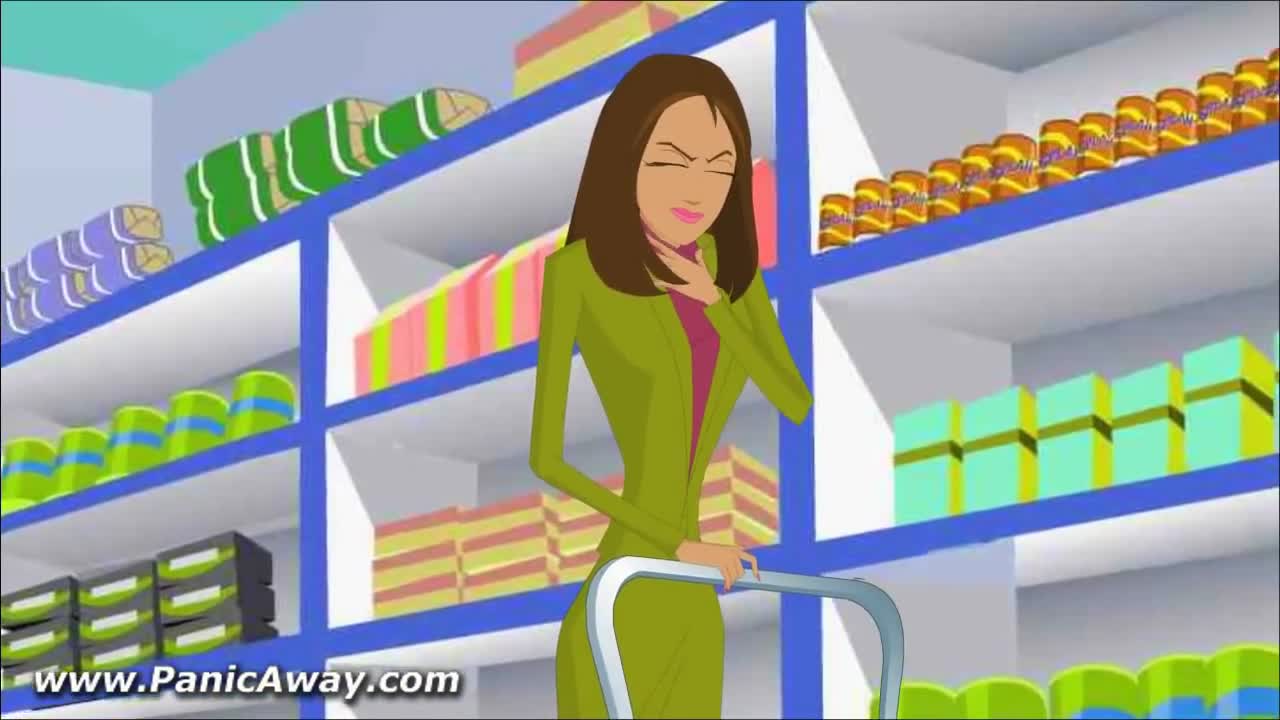
People may feel restless, on edge or unable to stop worrying, and may find it hard to concentrate or sleep. Physical symptoms can include a pounding or racing heart, sweating, trembling, muscle tension, stomach upset, headaches and shortness of breath. During a panic attack, these symptoms surge suddenly and can feel overwhelming. Avoidance is also common: people may steer clear of places or situations that trigger anxiety, which can shrink daily life over time.
Causes & risk factors
Anxiety disorders develop from a mix of influences rather than one cause. Genetics play a part, since anxiety can run in families. Brain chemistry and the way the brain responds to perceived threat are also involved. Life experiences matter: long-term stress, traumatic events and childhood experiences can increase vulnerability. Physical health problems, including thyroid disorders, can cause or worsen anxiety, and caffeine, alcohol and some medicines or drugs can trigger or intensify symptoms.
How it's diagnosed
A clinician diagnoses an anxiety disorder mainly by listening: asking what the person worries about, how often symptoms occur, how long they have lasted and how much they interfere with daily life. Questionnaires may help describe severity. Because some physical conditions mimic anxiety, the clinician may examine the person and arrange tests such as thyroid blood tests when appropriate. Identifying the specific type of anxiety disorder matters, because treatment approaches differ slightly between types.
Treatment overview
Talking therapies are a main treatment, especially cognitive behavioral therapy, which helps people recognize unhelpful thought patterns, face feared situations gradually and build coping skills. Self-help strategies, including regular exercise, steady sleep, relaxation and breathing techniques, and limiting caffeine and alcohol, can reduce symptoms. Medicines are another option for some people, including certain antidepressants used for anxiety, always chosen and reviewed with a clinician. Many people improve with therapy alone or combined approaches.
When to seek care
See a clinician if worry or fear is persistent, hard to control, or interfering with work, study, relationships or sleep. Seek urgent care for chest pain, severe breathlessness or a racing heart that is new or unexplained, because physical causes need ruling out first. If anxiety leads to thoughts of self-harm, reach out right away.
Frequently asked questions
What is the difference between anxiety and an anxiety disorder?
Anxiety is a normal response to stress and usually fades when the situation passes. An anxiety disorder is diagnosed when anxiety is excessive, persistent and hard to control, and interferes with everyday life, work or relationships. The distinction is about intensity, duration and impact.
Can anxiety cause physical symptoms?
Yes. Anxiety activates the body's stress response, which can produce a racing heart, sweating, trembling, muscle tension, stomach problems, headaches and poor sleep. These symptoms are real, not imagined. Because some physical illnesses cause similar symptoms, a clinician may check for other causes.
Do anxiety disorders go away on their own?
Symptoms can fluctuate, and mild anxiety sometimes eases as circumstances change. However, anxiety disorders often persist or return without treatment, and avoidance can make them stronger over time. Effective therapies exist, and getting support earlier usually leads to better outcomes.
Is medication always needed for anxiety?
No. Many people improve with talking therapy and self-help strategies alone, particularly for mild to moderate symptoms. Medicines may be suggested when symptoms are severe, long-lasting or not responding to therapy. The decision is individual and made with a clinician.
More in Mental Health
Related topics on MedicalVideos.com
Sources & further reading
Authoritative references for readers who want to go deeper:
This page is for general education only and is not medical advice. New chest pain, severe breathlessness or a racing heart should be checked urgently first, because physical causes must be ruled out before symptoms are put down to anxiety.