Migraine or Stroke? How to Tell the Difference
A migraine is a neurological condition that causes attacks of headache with sensitivity to light and sound, nausea, and — in migraine with aura — temporary visual or sensory symptoms that build up and fade. A stroke is a sudden interruption of blood flow to part of the brain, from a clot or a bleed, which injures brain tissue and causes sudden loss of function such as weakness, speech trouble, or vision loss. They are confused because migraine aura can mimic stroke symptoms almost exactly. The clearest differences: aura usually builds gradually over minutes and produces positive symptoms such as flashing lights or tingling that march across the body, while stroke symptoms strike at full force suddenly and produce negative symptoms — lost strength, lost speech, lost vision. Any first, worst, or different episode should be treated as a stroke until a hospital says otherwise.
✓ Medically reviewed by Mohamed Magdy Ibrahim, MD, PhD — Assistant Professor of Medicine, Transplant Nephrology, University of Maryland School of Medicine · Board certified in Internal Medicine (ABIM) · Last reviewed: November 2026
In short: Symptoms that arrive suddenly, at their worst from the first second — a dropped face, a weak arm, garbled speech, or lost vision — are a stroke until proven otherwise: call emergency services immediately. Migraine aura usually creeps in over minutes, with shimmering vision or tingling that spreads slowly and then clears. A first attack, or one that differs from your usual pattern, always needs emergency assessment.
At a glance: migraine vs stroke
| Migraine | Stroke | |
|---|---|---|
| What it is | A brain disorder causing repeated attacks of headache and sensory sensitivity, sometimes with aura | A sudden blockage or bleed that cuts off blood to part of the brain and injures it |
| How it starts | Often builds: warning tiredness or cravings, then aura over minutes, then headache | Sudden — symptoms are there at full force within seconds, with no build-up |
| Vision symptoms | Shimmering zigzags, flashing lights, or a blind patch that grows slowly and then clears, usually in both eyes | Sudden loss of vision in one eye, or loss of one side of the visual field, without shimmer or spread |
| Weakness & sensation | Tingling or pins and needles that march slowly up a hand or across the face; true weakness is less common | Sudden weakness or numbness of the face, arm, or leg, typically on one side, without the slow march |
| Speech | May be hard to find words briefly during aura, in someone who recognises their usual pattern | Sudden slurred speech, garbled words, or inability to understand speech — a core stroke sign |
| Headache | Moderate to severe, often throbbing, one-sided, worse with movement, light, and sound | May be absent in many strokes; a sudden 'worst ever' thunderclap headache suggests bleeding and is an emergency |
| Other symptoms | Nausea or vomiting, sensitivity to light, sound, and smells; tiredness after the attack | Loss of balance or coordination, confusion, dizziness, or collapse, depending on the brain area affected |
| Pattern over time | Attacks repeat in a recognisable personal pattern, often with triggers such as poor sleep, stress let-down, or hormonal changes | A one-off event; symptoms that come and go within minutes may be a mini-stroke (TIA), which is a warning of a full stroke |
| Who it affects most | Often starts in teens and young adults; more common in women; frequently runs in families | Risk rises with age, high blood pressure, an irregular heartbeat (atrial fibrillation), diabetes, and smoking |
| How it is confirmed | Usually diagnosed from the pattern of attacks and a normal examination; scans are used when the pattern is new or unusual | Emergency brain imaging (CT or MRI) plus blood tests and heart checks, done immediately in hospital |
| Usual treatment | Pain relief and migraine-specific medicines during attacks; preventive treatment if attacks are frequent | Time-critical treatment to restore blood flow — clot-busting medicine or clot retrieval for suitable patients — then rehabilitation and prevention |
| How urgent | A first attack, a changed pattern, or any doubt needs same-day emergency assessment | Always an emergency: call emergency services at once; treatment works best in the first hours |
The two conditions in brief
Migraine in brief
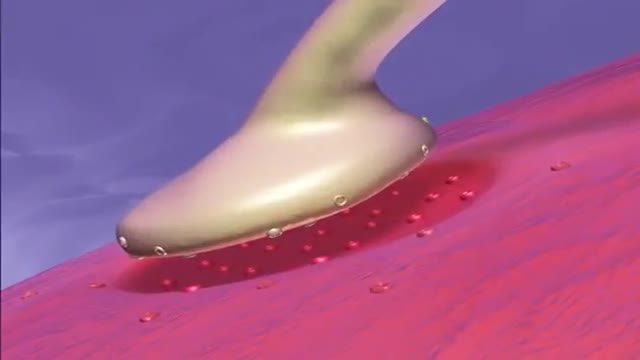
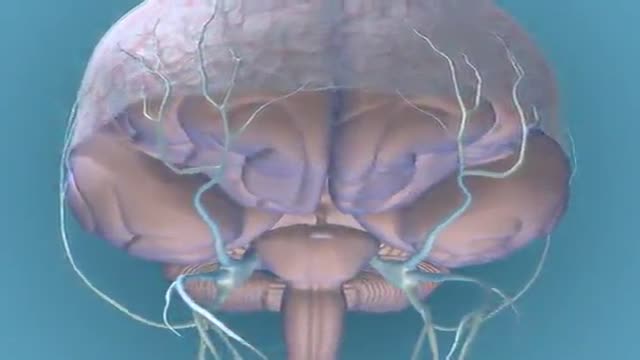
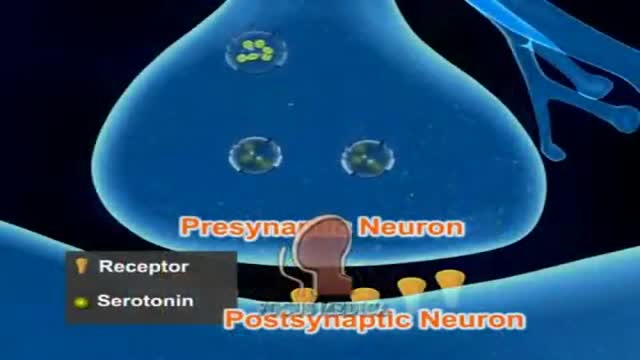
Migraine is a disorder of brain excitability. In migraine with aura, a wave of altered activity spreads slowly across the brain, producing visual or sensory symptoms that grow over minutes and fade, usually followed by headache, nausea, and sensitivity to light and sound.
Most people learn their own pattern, and attacks are managed with rest, pain relief, and migraine-specific medicines, plus trigger awareness and preventive treatment when attacks are frequent. Read the full migraine guide →
Stroke in brief
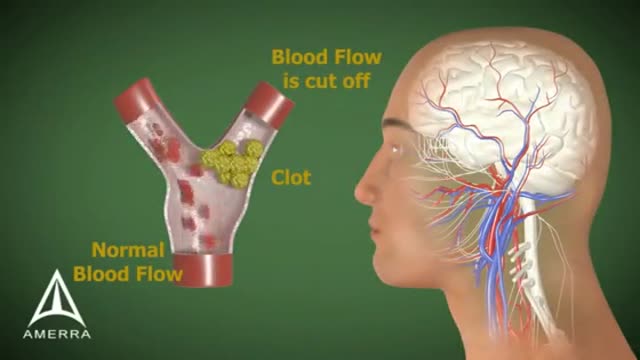
A stroke happens when a blood vessel to the brain is blocked by a clot or bursts. The affected brain area loses its function within minutes — movement, speech, vision, or balance — and the damage grows the longer blood flow is interrupted.
The FAST check (Face, Arms, Speech, Time) catches the commonest signs. Hospital treatment can reopen blocked vessels or control bleeding, and works best when given early, which is why stroke is always an emergency. Read the full stroke guide →
When to worry — get care the same day
- Face drooping on one side, arm or leg weakness, or speech that is slurred or hard to understand — the FAST signs
- A sudden headache unlike any before — the worst ever, or reaching full force in seconds
- Sudden loss of vision in one eye or on one side
- Sudden loss of balance, coordination, or consciousness
- Any migraine-like attack that is a first, lasts far longer than usual, or leaves weakness behind
- Headache with fever, a stiff neck, a rash, or after a head injury
Do not wait to see whether symptoms settle, and do not drive yourself. Note the time symptoms started — emergency teams need it to decide treatment.
Watch: migraine and stroke videos
Watch: migraine
 Migraine Pathophysiology
29,255 views
 Migraine Pathophysiology 3D Animation
28,399 views
 Migraine
18,857 views
Watch: stroke
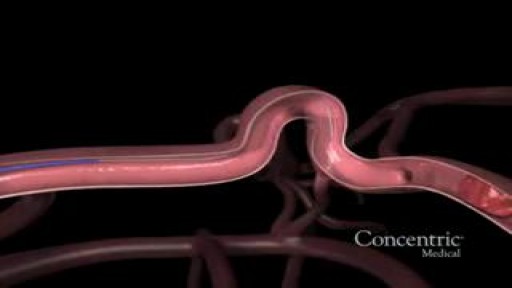

Read the full guides
Migraine: the full guide Aura explained, triggers, acute and preventive treatments, and when a headache pattern needs investigation. Read the guide → Stroke: the full guide How a stroke happens, clot retrieval, the FAST signs, recovery, and preventing a second stroke. Read the guide →Frequently asked questions
Can a migraine really cause weakness like a stroke?
Yes — a less common form called hemiplegic migraine can cause temporary one-sided weakness during an attack, which can be indistinguishable from a stroke. Because of that, a first episode of weakness must always be treated as a stroke and assessed in hospital, even in someone who has migraine.
What is the difference between migraine aura and a TIA?
Aura typically builds over minutes, produces positive symptoms such as flashing lights or spreading tingling, and clears within about an hour, often followed by headache. A TIA (mini-stroke) starts suddenly, produces negative symptoms such as lost strength or lost speech, and is a warning sign of a full stroke — it needs same-day emergency assessment even if it passes quickly.
If my symptoms went away, do I still need to be checked?
Yes, if the episode was a first, was different from your usual attacks, or included weakness, speech trouble, or vision loss. Symptoms that pass can still have been a TIA, and treating the cause promptly greatly reduces the chance of a full stroke in the following days.
Can a stroke happen without a headache?
Yes. Many strokes cause no headache at all — the warning signs are the sudden loss of functions such as movement, speech, vision, or balance. Waiting for a headache before acting is a dangerous mistake; use the FAST check instead.
Why does the time symptoms started matter?
The most effective stroke treatments — clot-busting medicines and clot retrieval — can only be given within a limited window after symptoms begin. Knowing when the person was last seen well lets the hospital team judge whether those treatments are still possible.
More comparisons
Related topics on MedicalVideos.com
Sources & further reading
Authoritative references for readers who want to go deeper:
- MedlinePlus: Migraine
- NHS: Migraine
- MedlinePlus: Stroke (link to be verified at build)
- NHS: Stroke (link to be verified at build)
Ibrahim MM. Migraine vs Stroke: How to Tell the Difference. MedicalVideos.com; 2026 Nov 26 [cited 2026 Nov 26]. Available from: https://www.medicalvideos.com/conditions/vs/migraine-vs-stroke.html
This page is for general education only and is not medical advice. It cannot tell you which condition you have — only an examination and tests can do that. Sudden weakness, speech trouble, vision loss, or a sudden worst-ever headache is an emergency — call emergency services immediately and note when the symptoms started.