
- Physical Examination
- Surgical Examination
- Ophthalmology
- Clinical Skills
- Orthopedics
- Surgery Videos
- Laparoscopy
- Pediatrics
- Funny Videos
- Cardiothoracic Surgery
- Nursing Videos
- Plastic Surgery
- Otorhinolaryngology
- Histology and Histopathology
- Neurosurgery
- Dermatology
- Pediatric Surgery
- Urology
- Dentistry
- Oncology and Cancers
- Anatomy Videos
- Health and Fitness
- Radiology
- Anaesthesia
- Physical Therapy
- Pharmacology
- Interventional Radiology
- Cardiology
- Endocrinology
- Gynecology
- Emergency Medicine
- Psychiatry and Psychology
- Childbirth Videos
- General Medical Videos
- Nephrology
- Physiology
- Diet and Food Health
- Diabetes Mellitus
- Neurology
- Women Health
- Osteoporosis
- Gastroenterology
- Pulmonology
- Hematology
- Rheumatology
- Toxicology
- Nuclear Medicine
- Infectious Diseases
- Vascular Disease
- Reproductive Health
- Burns and Wound Healing
- Kidney Zone Podcast
- Other
Chronic Kidney Disease
Chronic kidney disease means the kidneys are damaged or working less well over time, so they filter blood less effectively. This page explains symptoms, causes, and treatment in plain language, with videos to guide you through the basics.
✓ Medically reviewed by Dr. Mohamed Ibrahim, MD, PhD — physician-scientist · Last reviewed: November 2026
In short: Chronic kidney disease develops gradually and often has no symptoms early on. It is usually found with blood and urine tests. Care focuses on treating the cause, controlling blood pressure and blood sugar, protecting the kidneys, and planning ahead if kidney function falls further.
Watch: Chronic Kidney Disease videos
 Treatment For Chronic Kidney Failure
8,857 views
 Chronic Kidney Disease
5,582 views
 Understanding Chronic Kidney Disease: Causes, Symptoms, and Treatment Options | Ep 18 | #kidneyzone
14 views
 The Guide to Kidney Transplantation for Chronic Kidney Disease | Ep 50 | #kidneyzone
11 views
 Understanding Kidney Function Tests for Chronic Kidney Disease Monitoring | Ep 17 | #kidneyzone
5 views
 Kidney Transplantation for Chronic Kidney Disease | Ep 32 | #Kidneyzone
3 views
Read: the plain-language guide
Overview
The kidneys filter waste and extra fluid from the blood, help control blood pressure, and support healthy blood cells and bones. In chronic kidney disease, this filtering ability declines slowly, usually over months or years. Doctors describe the condition in stages based on how well the kidneys filter and whether there are other signs of damage, such as protein in the urine. Early stages are often silent. As function falls, waste and fluid can build up and affect the whole body. With early detection and steady care, progression can often be slowed.
Symptoms
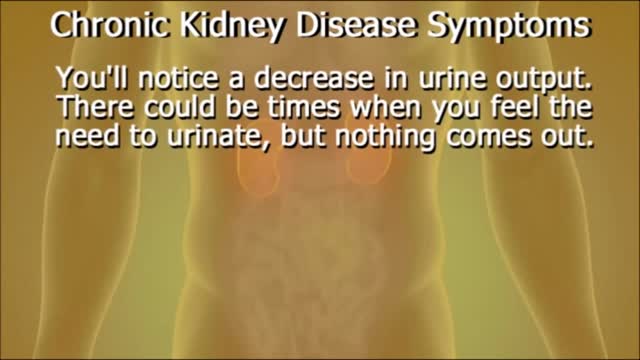
Many people have no symptoms in the early stages, which is why testing matters for those at risk. As kidney function declines, signs may include tiredness, swelling in the ankles, feet, or around the eyes, and passing urine more or less often than usual. Some people notice foamy urine, poor appetite, nausea, itching, muscle cramps, or difficulty concentrating. Breathlessness can occur if fluid builds up or anemia develops. Tests, rather than symptoms alone, are used to judge kidney health.
Causes & risk factors
The most common causes are diabetes and high blood pressure, which damage the small blood vessels and filtering units inside the kidneys over time. Other causes include inflammation of the kidney filters, inherited conditions such as polycystic kidney disease, repeated kidney infections, and long-standing blockage of the urinary tract. Long-term use of certain pain medicines and other kidney stressors can also contribute. Risk is higher with older age, a family history of kidney failure, heart disease, and obesity.
How it's diagnosed
Diagnosis relies on blood and urine tests repeated over time, because a single abnormal result can have temporary causes. A blood test estimates how well the kidneys filter, often reported as eGFR, and a urine test checks for protein or blood. Blood pressure measurement is a key part of assessment. Ultrasound or other imaging may show kidney size and structure, and occasionally a kidney biopsy is used to find the exact cause. Results together determine the stage of disease and guide how often monitoring and follow-up are needed.
Treatment overview
Treatment aims to slow further damage and manage effects on the body. Controlling blood pressure and blood sugar is central, and clinicians may use medicine classes that protect the kidneys and the heart. Care also includes treating anemia, bone and mineral changes, and fluid buildup as needed. Eating patterns are often adjusted with dietitian guidance, for example around salt, and sometimes protein, potassium, or phosphorus. Stopping smoking and staying active help overall health. If kidneys eventually fail, options include dialysis or kidney transplantation, usually planned in advance.
When to seek care
Seek prompt care for marked breathlessness, chest pain, severe swelling, very low urine output, confusion, or severe nausea and vomiting. People with kidney disease should also get advice quickly during illness with fever, vomiting, or poor fluid intake, since dehydration and some medicines can strain the kidneys further. New or rapidly worsening symptoms should never be waited out at home.
Frequently asked questions
Can chronic kidney disease be reversed?
Long-standing kidney damage usually cannot be reversed, but progression can often be slowed, sometimes substantially. Treating the cause, controlling blood pressure and blood sugar, and following an individual care plan give the best chance of preserving remaining function.
How would I know if I have kidney disease?
Early kidney disease usually causes no symptoms, so many people only learn of it through testing. Blood tests estimating kidney filtration and urine tests for protein are the standard way to detect and monitor it.
Does chronic kidney disease always lead to dialysis?
No. Many people, especially those found early, never need dialysis. Dialysis or transplantation is considered only when kidneys can no longer do their work adequately, and many people are managed for years with medicines, monitoring, and lifestyle care.
What foods should I eat with kidney disease?
There is no single kidney diet. Needs depend on the stage of disease and blood test results, and may involve salt, potassium, phosphorus, or protein. A dietitian can tailor advice, so general online diets should not be followed without guidance.
How often should kidney function be checked?
Monitoring intervals are individual, depending on the stage and cause of disease and other conditions. Your clinician will set a schedule for blood, urine, and blood pressure checks.
More in Kidneys & Urinary
Related topics on MedicalVideos.com
Sources & further reading
Authoritative references for readers who want to go deeper:
- MedlinePlus: Chronic Kidney Disease
- National Kidney Foundation: Chronic Kidney Disease
- CDC: Chronic Kidney Disease Basics (CDC)
This page is for general education only and is not medical advice. Marked breathlessness, chest pain, confusion, or a sharp drop in urine output in someone with kidney disease needs urgent medical attention.