
- Physical Examination
- Surgical Examination
- Ophthalmology
- Clinical Skills
- Orthopedics
- Surgery Videos
- Laparoscopy
- Pediatrics
- Funny Videos
- Cardiothoracic Surgery
- Nursing Videos
- Plastic Surgery
- Otorhinolaryngology
- Histology and Histopathology
- Neurosurgery
- Dermatology
- Pediatric Surgery
- Urology
- Dentistry
- Oncology and Cancers
- Anatomy Videos
- Health and Fitness
- Radiology
- Anaesthesia
- Physical Therapy
- Pharmacology
- Interventional Radiology
- Cardiology
- Endocrinology
- Gynecology
- Emergency Medicine
- Psychiatry and Psychology
- Childbirth Videos
- General Medical Videos
- Nephrology
- Physiology
- Diet and Food Health
- Diabetes Mellitus
- Neurology
- Women Health
- Osteoporosis
- Gastroenterology
- Pulmonology
- Hematology
- Rheumatology
- Toxicology
- Nuclear Medicine
- Infectious Diseases
- Vascular Disease
- Reproductive Health
- Burns and Wound Healing
- Other
Top videos

Sleepiness, tiredness and fatigue are complaints which must be thoroughly analyzed to eliminate blur and ambiguity.
Physiological sleepiness (“sleep pressure”) increases while being awake and additionally underlies the circadian rhythm with a lower threshold to fall asleep during night time.
Excessive daytime sleepiness (EDS) is considered normal only after sleep deprivation. Clinically, EDS manifests by frequents daytime napping and/or reduced alertness with automatic behavior or - in its extreme form - in recurrent attacks of sudden, uncontrollable compulsion to sleep also in inappropriate situations (= “sleep attacks”).
EDS is “objectively” addressed by measuring the mean sleep latency to four to five nap opportunities throughout the day using the multiple sleep latency test (MSLT) or the maintenance of wakefulness test (MWT).
EDS denotes both, a ready entrance into sleep as well as difficulty in staying awake during daytime or accordingly in inappropriate situations. These two partially independent aspects of EDS are separately assessed by the “passive” MSLT and the “active” MWT respectively.
For that reason the MSLT and MWT only weakly correlate with each other when tested over a broad range of patients with EDS. It is important to keep in mind, that these tests are importantly influenced by a great variety of factors such as mood, anxiety, and motivation.
“Vigilance” comprises wakefulness, alertness and attention and therefore is more than just the reciprocal to sleepiness. Cognitive performance tasks such as Steer Clear Reaction Time Test (SCRTT) or driving simulators require the complete integrity of vigilance to achieve normal results. Hypersomnia is usually broadly defined as the combination of abnormally prolonged night-time sleep (regularly >10 h) with EDS during ≥1 months.
On the other hand, the term hypersomnia has also been used in a narrower scene for the isolated abnormality of a prolonged night-time sleep need (>10 h). “Tiredness”, also in colloquial language often used for sleepiness, in a broader sense also describes the feeling of lack of energy, motivation and initiative.
These patients seek rest rather than sleep. They often cannot fall asleep when given the opportunity in spite of feeling tired, and hence, in an MSLT, do not show an abnormally short sleep latency. Furthermore, tiredness (and fatigue) as opposed to sleepiness has a mental (“central”) and physiological (bodily or “peripheral”) component, which the patients can readily distinguish. Patients with insomnia, mild sleep apnea syndrome, or depression rather suffer from mental tiredness than sleepiness during the day.
The simple subjective self-assessment using the Epworth Sleepiness Scale (ESS) quite reliably differentiates between sleepiness and mental tiredness (without sleepiness), which makes it a widely used test. The term “fatigue” is also heterogeneously used.
In physiology the “fatigue” implied a “time on task performance decrement” to describe decreasing muscle force during a sustained physical effort. In clinical medicine one distinguishes physical (“peripheral”) from mental (“central”) fatigue and the term usually denotes a chronic and more abnormal situation than tiredness.
In a broad sense “fatigue” implies a deficiency in coping satisfactorily with mental and physical work load. The chronic fatigue syndrome entails both mental as well as a physical fatigue (so called “leaden paralysis” of limbs). Depressive states are often associated with insomnia and fatigue, but there are also cases with hypersomnia rather than insomnia ( non organic hypersomnia , “atypical depression” or “hypersomnolent depression”)
Sometimes these patients have a tendency to spend much of the day lying in the bed without actually sleeping (so called clinophilia). The basic and clinical aspects of fatigu
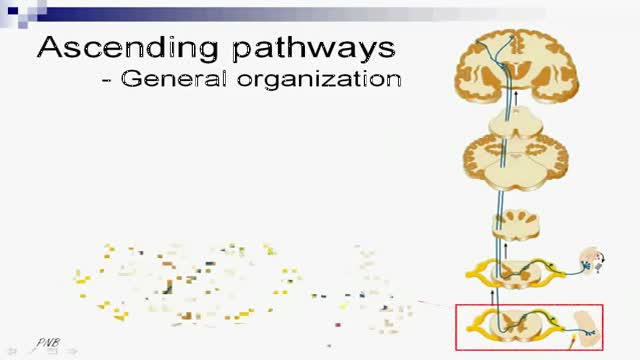
A tutorial showing ascending sensory pathways

Cell Organelles in 3D

Insert the needle into the rubber stopper of the insulin bottle. Push the plunger down to inject air into the bottle (this allows the insulin to be drawn more easily). Leave the needle in the bottle. Turn the bottle and syringe upside-down.

Doctor Amneris Luque talks about HIV Prevention in Africa. STDdatings .com was created to help people to learn HIV / AIDS prevention, share medical treatments, find trusted people to talk, get help and advice.

New Drugs Improve Osteoporosis Treatment

Anti Aging Diet
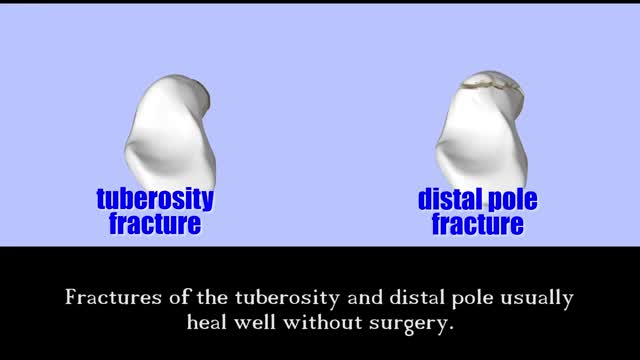
An animated description of the use of a cannulated Herbert screw for surgical treatment of scaphoid fractures.

Your body needs bile, but if it has too much cholesterol in it, that makes gallstones more likely. It can also happen if your gallbladder can't empty properly. Pigment stones are more common in people with certain medical conditions, such as cirrhosis (a liver disease) or blood diseases such as sickle cell anemia.
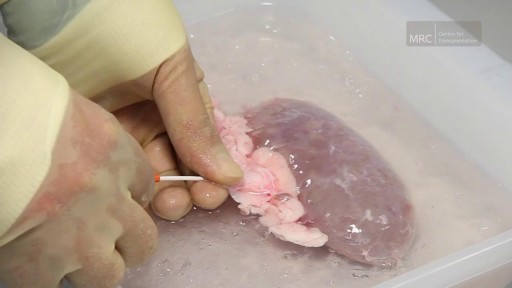
Preparing The Kidney for Transplant

Laparoscopic inguinal hernia repair in Qatar by Dr. Al-Emadi

Are you a first time would be mom? If yes, then you must be very excited to feel the first movement and kick from your baby. It is undoubtedly the most exciting experience for many expecting moms. It is an indication that there is a little angel growing inside you. There are interesting facts about baby kicks during pregnancy that you need to know.

a video showing Phlebotomy steps

Injecting Insulin Techniques
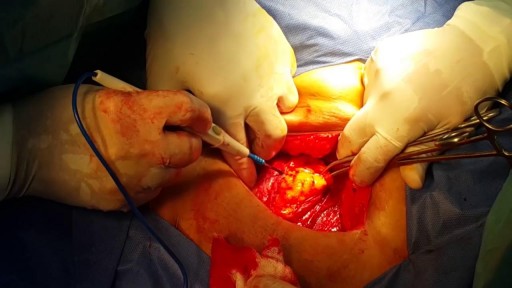

Skin cancer is the most common of all cancer types, accounting for an estimated one third of all new cases. It’s important to take the right steps to ensure proper protection and adopt good sun care habits no matter what your age or stage in life.
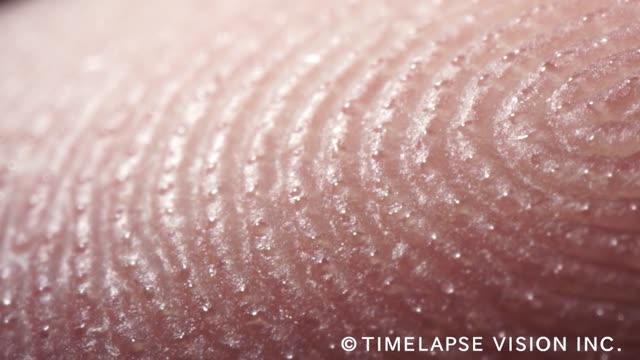
fingerprints and sweat glands

This podcast discusses the use of antiviral drugs for treating and preventing the H1N1 flu virus.

Physical Assessment of a Child
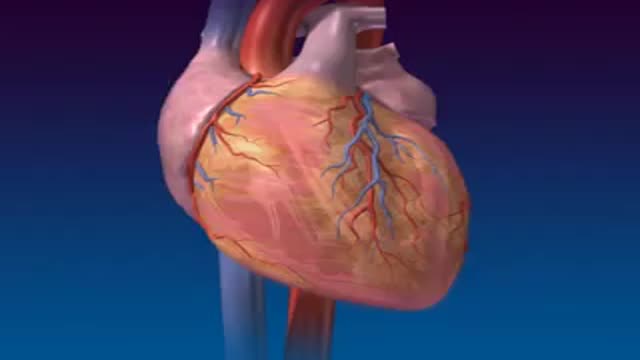
Sectioned Heart
