
- Physical Examination
- Surgical Examination
- Ophthalmology
- Clinical Skills
- Orthopedics
- Surgery Videos
- Laparoscopy
- Pediatrics
- Funny Videos
- Cardiothoracic Surgery
- Nursing Videos
- Plastic Surgery
- Otorhinolaryngology
- Histology and Histopathology
- Neurosurgery
- Dermatology
- Pediatric Surgery
- Urology
- Dentistry
- Oncology and Cancers
- Anatomy Videos
- Health and Fitness
- Radiology
- Anaesthesia
- Physical Therapy
- Pharmacology
- Interventional Radiology
- Cardiology
- Endocrinology
- Gynecology
- Emergency Medicine
- Psychiatry and Psychology
- Childbirth Videos
- General Medical Videos
- Nephrology
- Physiology
- Diet and Food Health
- Diabetes Mellitus
- Neurology
- Women Health
- Osteoporosis
- Gastroenterology
- Pulmonology
- Hematology
- Rheumatology
- Toxicology
- Nuclear Medicine
- Infectious Diseases
- Vascular Disease
- Reproductive Health
- Burns and Wound Healing
- Other
Top videos

Initial Assessment
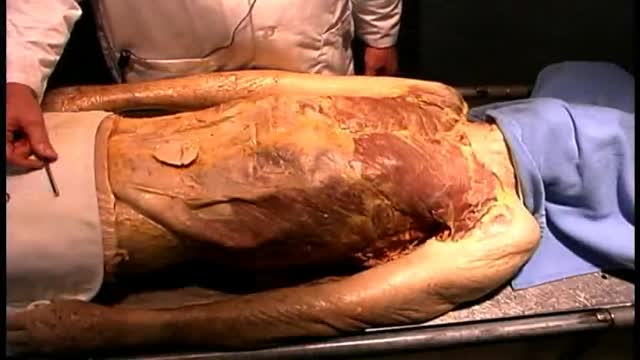
Anatomy of Anterior Abdominal Wall
Biliary Colic Examination

This medical animation illustrates how acute myeloid leukemia (AML), the most common type of cancer in adults, develops in the blood and bone marrow. The narrator also discusses the symptoms of AML and AML treatment options.
Total Hysterectomy Laparoscopic HD
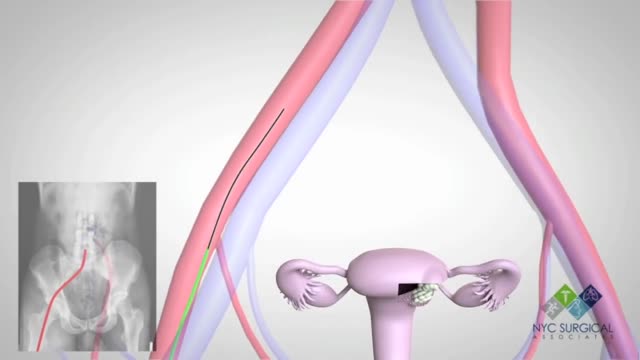
There's no single best approach to uterine fibroid treatment — many treatment options exist. If you have symptoms, talk with your doctor about options for symptom relief. Watchful waiting Many women with uterine fibroids experience no signs or symptoms, or only mildly annoying signs and symptoms that they can live with. If that's the case for you, watchful waiting could be the best option. Fibroids aren't cancerous. They rarely interfere with pregnancy. They usually grow slowly — or not at all — and tend to shrink after menopause, when levels of reproductive hormones drop. Medications Medications for uterine fibroids target hormones that regulate your menstrual cycle, treating symptoms such as heavy menstrual bleeding and pelvic pressure. They don't eliminate fibroids, but may shrink them. Medications include: Gonadotropin-releasing hormone (Gn-RH) agonists. Medications called Gn-RH agonists (Lupron, Synarel, others) treat fibroids by blocking the production of estrogen and progesterone, putting you into a temporary postmenopausal state. As a result, menstruation stops, fibroids shrink and anemia often improves. Your doctor may prescribe a Gn-RH agonist to shrink the size of your fibroids before a planned surgery. Many women have significant hot flashes while using Gn-RH agonists. Gn-RH agonists typically are used for no more than three to six months because symptoms return when the medication is stopped and long-term use can cause loss of bone. Progestin-releasing intrauterine device (IUD). A progestin-releasing IUD can relieve heavy bleeding caused by fibroids. A progestin-releasing IUD provides symptom relief only and doesn't shrink fibroids or make them disappear. It also prevents pregnancy. Tranexamic acid (Lysteda). This nonhormonal medication is taken to ease heavy menstrual periods. It's taken only on heavy bleeding days. Other medications. Your doctor might recommend other medications. For example, oral contraceptives or progestins can help control menstrual bleeding, but they don't reduce fibroid size. Nonsteroidal anti-inflammatory drugs (NSAIDs), which are not hormonal medications, may be effective in relieving pain related to fibroids, but they don't reduce bleeding caused by fibroids. Your doctor may also suggest that you take vitamins and iron if you have heavy menstrual bleeding and anemia
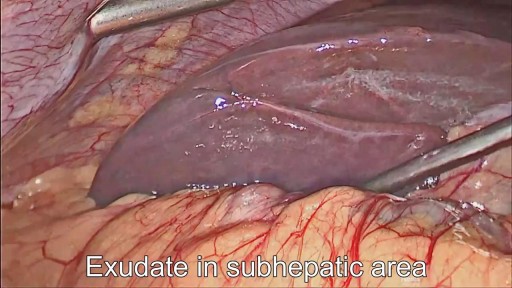
28 years old gentleman presented with huge liver abscess in the right lobe, with repeated attempts of percutaneous aspirations in the past. He was evaluated and subjected to Laparoscopic drainage. This video depicts feasibility of laparoscopy in deep seated liver abscesses. Video created by: Dr. Juneed M. Lanker Fellow Minimal Access Surgery Apollo Hospitals Chennai.
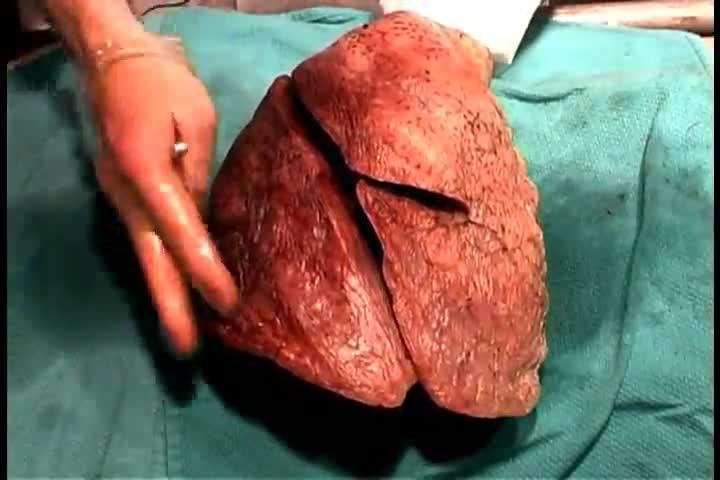
Anatomy of The Anterior Thorax

Alzheimers disease is an irreversible, progressive brain disease that slowly destroys memory and thinking skills
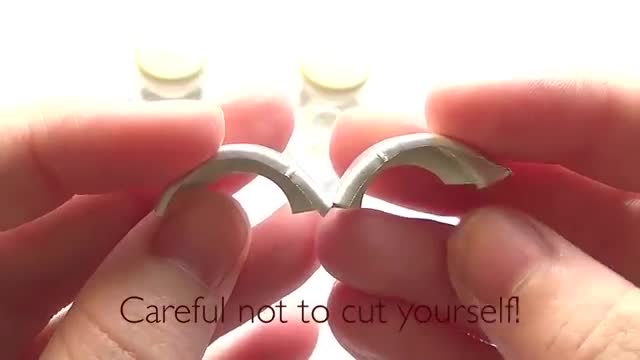
How To Apply Contact Lenses

Liposuction is a surgical procedure that is done to remove fat deposits from underneath the skin. Common areas that are treated: the abdomen, buttocks, thighs, upper arms, chest and neck. (use medical graphic of body with labeled parts) The procedure is usually done as an outpatient under some combination of local anesthesia and/or sedation:. This means you are awake but relaxed and pain free. Depending on the number of areas to be treated and the specific technique selected, it may take from one to several hours. A small incision (cut) is made through the skin near the area of the fat deposit. Multiple incisions may be needed if a wide area or multiple areas are being done. A long hollow tube called a cannula will be inserted through this incision. Prior to inserting the cannula, the doctor may inject a solution of salt water that contains an anesthetic (numbing) medication and another medication to decrease bleeding. The cannula is then inserted and moved under the skin in a way to loosen the fat deposits so they may be suctioned out. Because a significant amount of body fluid is removed with the fat, an intravenous (through the veins) fluid line will be kept going during the procedure.
A recent technique called “ultrasound-assisted lipoplasty” uses a special cannula that liquefies the fat cells with ultrasonic energy. You should ask your doctor which technique he/she will use and how it will affect the type of anesthesia you will need and the length of the procedure.
Why is this procedure performed?
Liposuction is done to restore a more normal contour to the body. The procedure is sometimes described as body sculpting. It should be limited to fat deposits that are not responsive to diet and exercise. It is suggested that you should be within 20of your ideal body weight at the time of surgery. If you are planning to lose weight you should delay this procedure. This is not obesity surgery. The maximum amount of fat that can be removed is usually less than 10 pounds. The best results are achieved in people who still have firm and elastic skin. Although rare, there are risks and complications that can occur with liposuction. You should be aware that all the complications are increased if you are a smoker. You will need to quit smoking or at least avoid smoking for a month before and after surgery. If you have had prior surgeries near any of the areas to be treated, this may increase the risk of complications and you should discuss this with your doctor. Any history of heart disease, diabetes, bleeding problems or blood clots in your legs may make you more prone to post-operative problems and you should discuss these with your doctor. Finally, as with any cosmetic procedure it is important to have realistic expectations. The goals, limitations, and expectations of the procedure should be discussed openly and in detail with your doctor. Most insurance companies do not cover cosmetic surgery.
What should I expect during the post-operative period?
After surgery you should be able to go home but you will need someone to drive you. In the first few days after surgery it is common for the incisions to drain fluid and you will have to change dressings frequently. Fresh blood is not usual and if you have any bleeding you should call your doctor immediately. In some cases a small tube may have been placed through the skin to allow drainage. You will be limited to sponge baths until the drains and dressings are removed. After that you may take showers but no baths for 2 weeks. You may experience pain, burning, and numbness for a few days. Take pain medicine as prescribed by your doctor. You may notice a certain amount of bruising and swelling. The bruising will disappear gradually over 1 to 2 weeks. Some swelling may last for up to 6 months. If you have skin sutures they will be removed in 7 to 10 days. You should be able to be up and moving around the house the day after surgery but avoid any strenuous activity for about 1
Fundoplication HD GERD Surgery 3D Animation
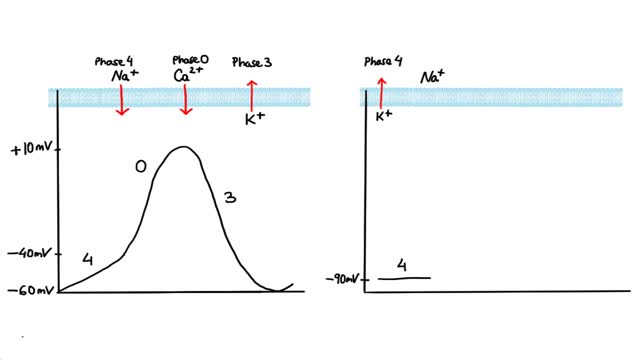
Antiarrhythmics are drugs that are used to treat abnormal heart rhythms resulting from irregular electrical activity of the heart. There are many different types of antiarrhythmic drugs. Examples include: Amiodarone (Cordarone) Flecainide (Tambocor) Procainamide (Procanbid) Sotalol (Betapace) In addition, there are other types of heart drugs that can be used to treat arrhythmias, including: Beta-blockers such as metoprolol or Toprol XL, which reduce the heart's workload and heart rate. Calcium channel blockers such as verapamil or Calan, which also reduces the heart rate.
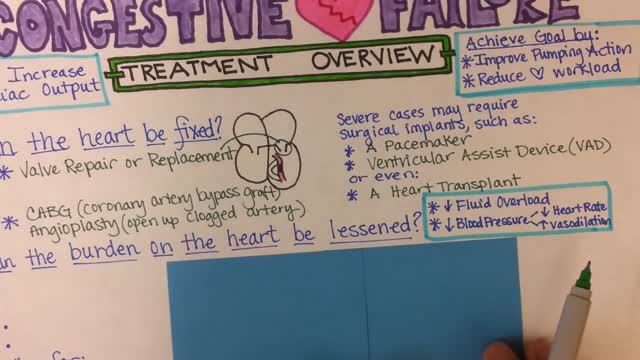
Congestive Heart Failure
Operation of Laparoscopic Vaginal Top Closure

Vaginismus is unique because it may result from a combination of physical or non-physical causes—or seem to have none at all.

Cancer, also called malignancy, is an abnormal growth of cells. There are more than 100 types of cancer, including breast cancer, skin cancer, lung cancer, colon cancer, prostate cancer, and lymphoma. Symptoms vary depending on the type. Cancer treatment may include chemotherapy, radiation, and/or surgery.
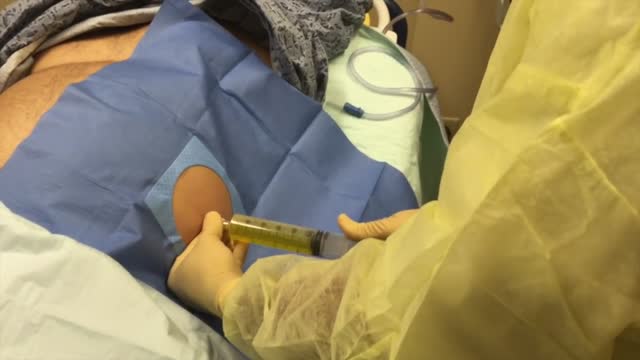
Paracentesis is a procedure to take out fluid that has collected in the belly (peritoneal fluid). This fluid buildup is called ascites . Ascites may be caused by infection, inflammation, an injury, or other conditions, such as cirrhosis or cancer. The fluid is taken out using a long, thin needle put through the belly.

This is an amazing device designed to transport body organs and blood long distances. The inventor of this life-saving device is Randal Miller.
