
- Physical Examination
- Surgical Examination
- Ophthalmology
- Clinical Skills
- Orthopedics
- Surgery Videos
- Laparoscopy
- Pediatrics
- Funny Videos
- Cardiothoracic Surgery
- Nursing Videos
- Plastic Surgery
- Otorhinolaryngology
- Histology and Histopathology
- Neurosurgery
- Dermatology
- Pediatric Surgery
- Urology
- Dentistry
- Oncology and Cancers
- Anatomy Videos
- Health and Fitness
- Radiology
- Anaesthesia
- Physical Therapy
- Pharmacology
- Interventional Radiology
- Cardiology
- Endocrinology
- Gynecology
- Emergency Medicine
- Psychiatry and Psychology
- Childbirth Videos
- General Medical Videos
- Nephrology
- Physiology
- Diet and Food Health
- Diabetes Mellitus
- Neurology
- Women Health
- Osteoporosis
- Gastroenterology
- Pulmonology
- Hematology
- Rheumatology
- Toxicology
- Nuclear Medicine
- Infectious Diseases
- Vascular Disease
- Reproductive Health
- Burns and Wound Healing
- Other
Top videos
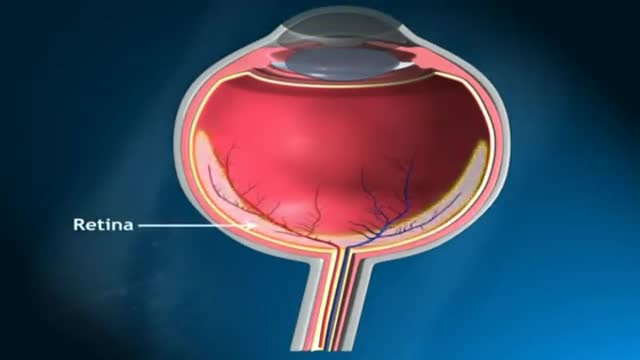

Glaucoma is called the silent thief of sight. It does not have symptoms during the early stages of the diseases and can make a patient blind over several years

Davinci Robotic Prostatectomy Animation

Women Health Tips: Importance of getting a pap smear, breast exam, and mammogram
http://www.HypothyroidismCure.blog300.com - Hypothyroidism Treatment Natural - Hypothyroidism Recipes Treatment
Let’s Get Something Straight…
* You’re here because you’re serious about overcoming your hypothyroidism…
* You’re here because you’re serious about and taking back your life…
* You know there’s no magic pill to cure your hypothyroidism and never will be…
Hypothyroidism Treatment Natural - Hypothyroidism Recipes Treatment
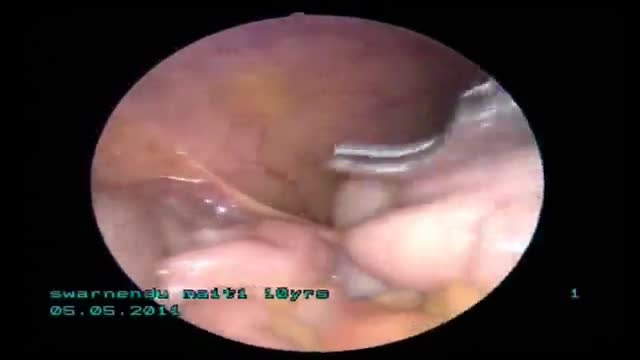
Intestinal malrotation is a developmental anomaly that occasionally causes an unusual array of symptoms in adults. The delay in diagnosis that is common in patients with malrotation frequently results in a ruptured appendix. Appendicitis should be considered when characteristic signs and symptoms are present, even if the location of abdominal pain is atypical.

aasd
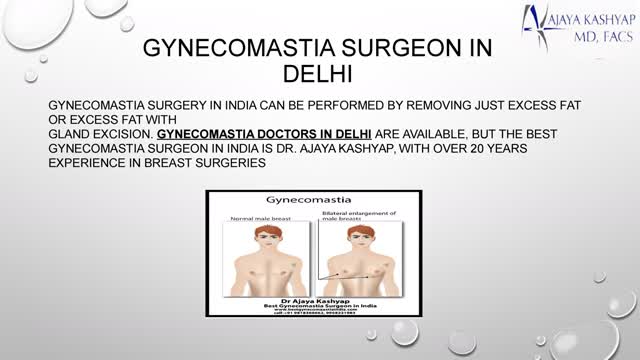
Best Gynecomastia surgeon in India is Dr. Ajaya Kashyap, with over 20 years experience in breast surgeries. He is the only active Indian member in American Society of Plastic Surgeons. Contact us to find out about your gynecomastia treatment in Delhi, India, maintaining high international standards, having a U.S. board certified surgeon, and latest technology and surgical techniques, our offices offer very economical costing. Contact us today inquire about gynecomastia surgery cost, in Delhi. You are sent query using WhatsApp and website.
For further information, are available visit our website: http://www.bestgynecomastiaindia.com/
Your Query for Chat and call +91-9818369662, 9958221983 (WhatsApp)
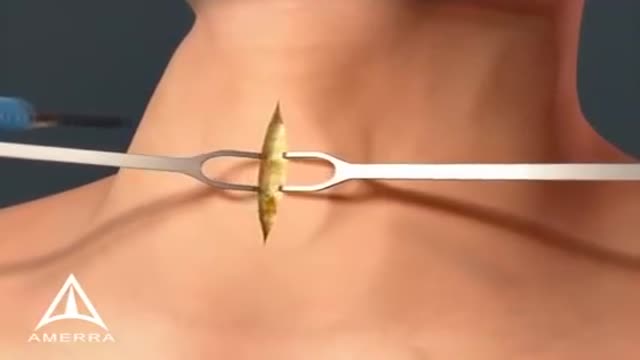
Tracheotomy is a surgical procedure which consists of making an incision on the anterior aspect of the neck and opening a direct airway through an incision in the trachea (windpipe). The resulting stoma (hole), or tracheostomy, can serve independently as an airway or as a site for a tracheostomy tube to be inserted; this tube allows a person to breathe without the use of his or her nose or mouth. Both surgical and percutaneous techniques are widely used in current surgical practice. It is among the oldest described procedures.
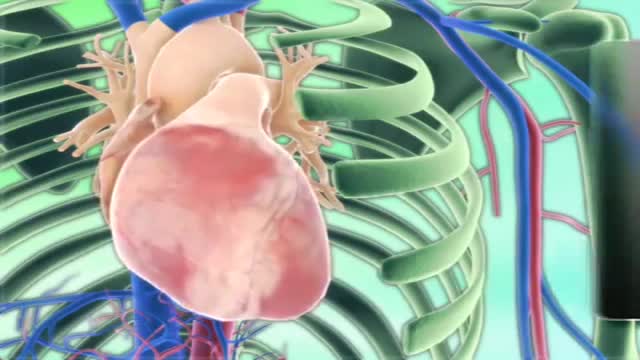
Cardiac tamponade Email this page to a friend Print Facebook Twitter Bookmark & Share Cardiac tamponade is pressure on the heart that occurs when blood or fluid builds up in the space between the heart muscle (myocardium) and the outer covering sac of the heart (pericardium). Causes In this condition, blood or fluid collects in the pericardium, the sac surrounding the heart. This prevents the heart ventricles from expanding fully. The excess pressure from the fluid prevents the heart from working properly. As a result, the body does not get enough blood. Cardiac tamponade can occur due to: Dissecting aortic aneurysm (thoracic) End-stage lung cancer Heart attack (acute MI) Heart surgery Pericarditis caused by bacterial or viral infections Wounds to the heart
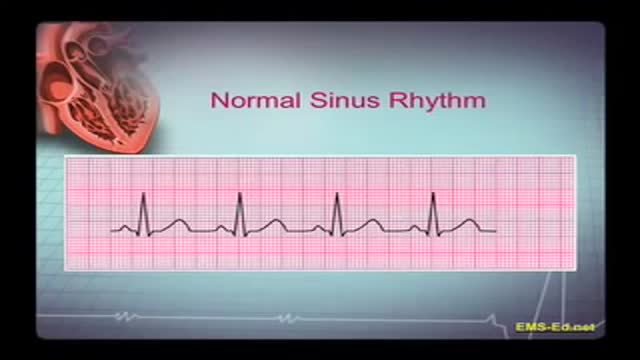
EKG Interpretation Part 1

Anemia is a condition in which you don't have enough healthy red blood cells to carry adequate oxygen to the body's tissues. Having anemia may make you feel tired and weak. There are many forms of anemia, each with its own cause. Anemia can be temporary or long term, and it can range from mild to severe. See your doctor if you suspect you have anemia because it can be a warning sign of serious illness. Treatments for anemia range from taking supplements to undergoing medical procedures. You may be able to prevent some types of anemia by eating a healthy, varied diet.
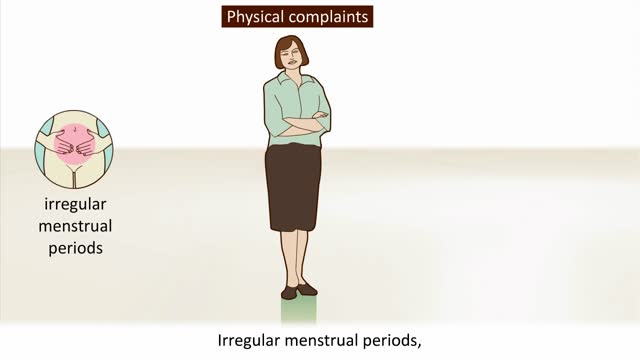
Menopause is defined as occurring 12 months after your last menstrual period and marks the end of menstrual cycles. Menopause can happen in your 40s or 50s, but the average age is 51 in the United States. Menopause is a natural biological process. Although it also ends fertility, you can stay healthy, vital and sexual. Some women feel relieved because they no longer need to worry about pregnancy. Even so, the physical symptoms, such as hot flashes, and emotional symptoms of menopause may disrupt your sleep, lower your energy or — for some women — trigger anxiety or feelings of sadness and loss. Don't hesitate to seek treatment for symptoms that bother you. Many effective treatments are available, from lifestyle adjustments to hormone therapy.
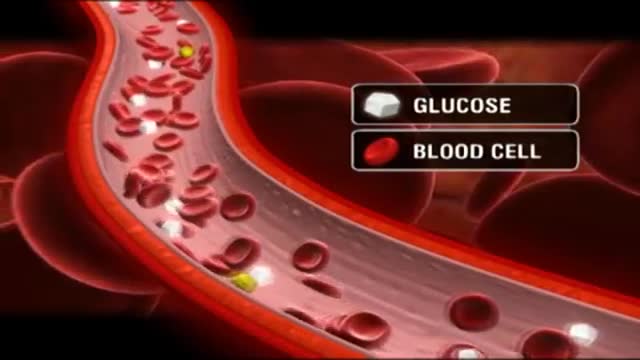
Diabetes, describes a group of metabolic diseases in which the person has high blood glucose (blood sugar), either because insulin production is inadequate, or because the body's cells do not respond properly to insulin, or both. Patients with high blood sugar will typically experience polyuria (frequent urination), they will become increasingly thirsty (polydipsia) and hungry (polyphagia).
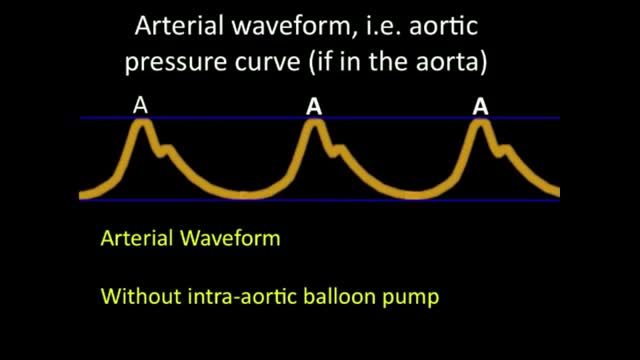
An intra-aortic balloon pump (IABP) is a mechanical device that helps the heart pump blood. This device is inserted into the aorta, the body's largest artery. It is a long, thin tube called a catheter with a balloon on the end of it. If you are hospitalized, your doctor may insert an IABP. Your doctor will numb an area of your leg and thread the IABP through the femoral artery in your leg into your aorta. He or she then positions the IABP at the center of your aorta, below your heart. The doctor will use an X-ray machine during this procedure to help accurately position the IABP. Why is it used? An IABP might be used to stabilize a person who is in the hospital for acute mitral valve regurgitation or severe heart failure. An IABP is only used for a short period of time (hours to days). A long-term treatment will likely be needed, such as valve surgery or the insertion of a left ventricular assist device (LVAD).

The pain is frequently severe and is described as throbbing or pulsating. Nausea is common, and many migraine patients have a watering eye, a running nose, or congestion. If these symptoms are prominent, they may lead to a misdiagnosis of sinus headaches.
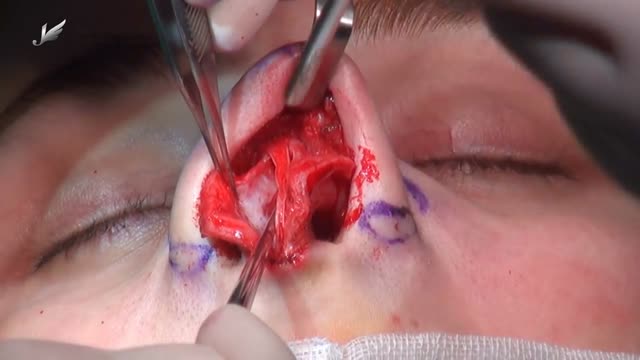
Rhinoplasty enhances facial harmony and the proportions of your nose. It can also correct impaired breathing caused by structural defects in the nose. Rhinoplasty surgery can change: Nose size in relation to facial balance Nose width at the bridge or in the size and position of the nostrils Nose profile with visible humps or depressions on the bridge Nasal tip that is enlarged or bulbous, drooping, upturned or hooked Nostrils that are large, wide, or upturned Nasal asymmetry

Cholangitis Email this page to a friend Email this page to a friend Facebook Twitter Google+ Cholangitis is an infection of the bile ducts, the tubes that carry bile from the liver to the gallbladder and intestines. Bile is a liquid made by the liver that helps digest food. Causes Cholangitis is most often caused by bacteria. This can occur when the duct is blocked by something, such as a gallstone or tumor. The infection causing this condition may also spread to the liver. Risk factors include a previous history of gallstones, sclerosing cholangitis, HIV, narrowing of the common bile duct, and rarely, travel to countries where you might catch a worm or parasite infection. Symptoms The following symptoms may occur: Pain on the upper right side or upper middle part of the abdomen. It may also be felt in the back or below the right shoulder blade. The pain may come and go and feel sharp, cramp-like, or dull. Fever and chills. Dark urine and clay-colored stools. Nausea and vomiting. Yellowing of the skin (jaundice), which may come and go.
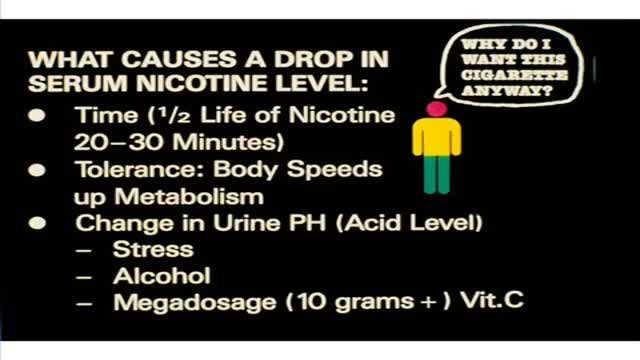
Most people start smoking when they are in their teens and are addicted by the time they reach adulthood. Some have tried to quit but have returned to cigarettes because smoking is such a strong addiction. It is a habit that is very difficult to break. There are many different reasons why people smoke.
Thrombotic thrombocytopenic purpura (TTP) is a rare blood disorder characterized by clotting in small blood vessels of the body (thromboses), resulting in a low platelet count. In its full-blown form, the disease consists of the pentad of microangiopathic hemolytic anemia, thrombocytopenic purpura, neurologic abnormalities, fever, and renal disease
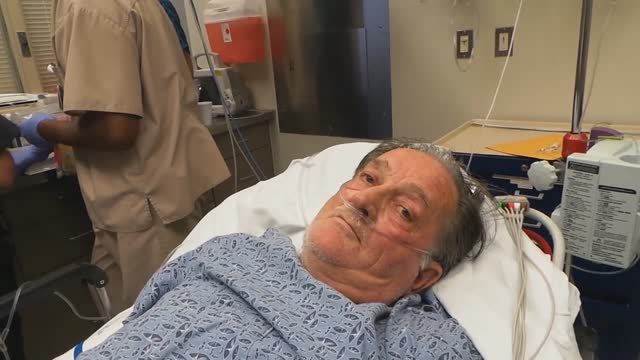
Claudication, which is defined as reproducible ischemic muscle pain, is one of the most common manifestations of peripheral arterial occlusive disease (PAOD) caused by atherosclerosis. Claudication occurs during physical activity and is relieved after a short rest. Pain develops because of inadequate blood flow.
