
- Physical Examination
- Surgical Examination
- Ophthalmology
- Clinical Skills
- Orthopedics
- Surgery Videos
- Laparoscopy
- Pediatrics
- Funny Videos
- Cardiothoracic Surgery
- Nursing Videos
- Plastic Surgery
- Otorhinolaryngology
- Histology and Histopathology
- Neurosurgery
- Dermatology
- Pediatric Surgery
- Urology
- Dentistry
- Oncology and Cancers
- Anatomy Videos
- Health and Fitness
- Radiology
- Anaesthesia
- Physical Therapy
- Pharmacology
- Interventional Radiology
- Cardiology
- Endocrinology
- Gynecology
- Emergency Medicine
- Psychiatry and Psychology
- Childbirth Videos
- General Medical Videos
- Nephrology
- Physiology
- Diet and Food Health
- Diabetes Mellitus
- Neurology
- Women Health
- Osteoporosis
- Gastroenterology
- Pulmonology
- Hematology
- Rheumatology
- Toxicology
- Nuclear Medicine
- Infectious Diseases
- Vascular Disease
- Reproductive Health
- Burns and Wound Healing
- Kidney Zone Podcast
- Other


CPAP demonstration

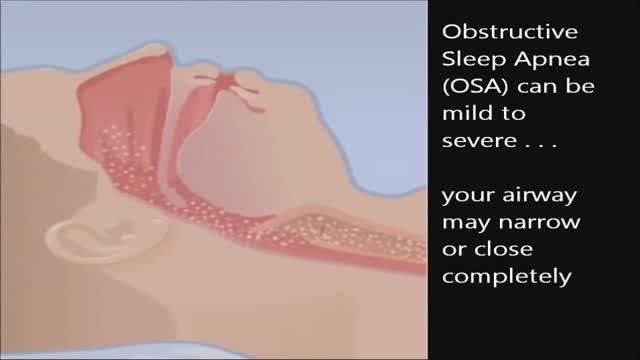
CPAP is a treatment that uses mild air pressure to keep your breathing airways open. It involves using a CPAP machine that includes a mask or other device that fits over your nose or your nose and mouth, straps to position the mask, a tube that connects the mask to the machine’s motor, and a motor that blows air into the tube. CPAP is used to treat sleep-related breathing disorders including sleep apnea. It also may be used to treat preterm infants who have underdeveloped lungs.
This video in 30 seconds
This video demonstrates CPAP, a treatment that uses mild air pressure to keep the breathing airways open. It shows the parts of a CPAP machine, including the mask, straps, connecting tube, and motor, and covers its use for sleep-related breathing disorders including sleep apnea and for preterm infants with underdeveloped lungs.
Key points
- Shows a CPAP machine using mild air pressure to keep airways open
- Covers the mask, positioning straps, tube, and motor components
- Covers use for sleep apnea and other sleep-related breathing disorders
- Notes use for preterm infants who have underdeveloped lungs
Video Overview
This video presents “CPAP demonstration” — CPAP is a treatment that uses mild air pressure to keep your breathing airways open. It involves using a CPAP machine that includes a mask or other device that fits over your nose or your nose and mouth, straps to position the mask, a tube. Whether you are preparing for a procedure, studying the technique, or learning how a condition is assessed, the recording shows the process as it is performed in practice.
From our Cardiology collection: ECG interpretation, echocardiograms, angioplasty, stents and heart conditions explained by cardiologists. Browse all Cardiology videos →
Educational content only — not a substitute for professional medical advice.
SORT BY-
Top Comments
-
Latest comments