
Video teratas


Calculate Ovulation
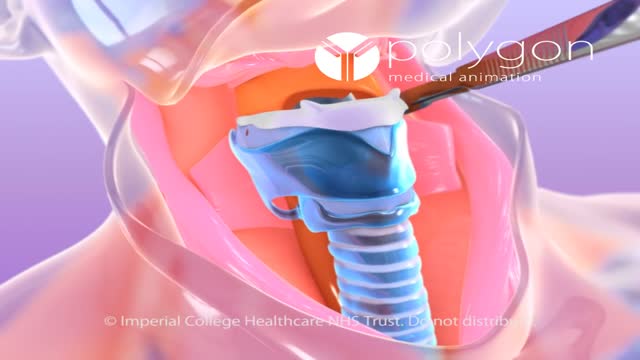
Laryngectomy is the removal of the larynx and separation of the airway from the mouth, nose and esophagus. In a total laryngectomy the entire larynx is removed and in a partial laryngectomy only a portion is taken out. The laryngectomee breathes through an opening in the neck known as a stoma.

This case study video from www.5thavesurgery.com shows a 19 year old patient getting breast reduction surgery in NYC. This surgery made a tremendous difference in the life of this young woman, see how it can do the same for you.
A closure device and method to close the abdomen between surgical procedures and maintain a normal physiologic tension on the fascia to prevent undue retraction. In one embodiment, the closure device includes a “needled carabiner” attached to a rubberband of specific tension. The rubberband mimics the physiologic tension the abdominal wall normally experiences during daily activities and allows the abdominal compartment to expand as needed to maintain a healthy intra-abdominal pressure. The bands contract to maintain the intra-abdominal pressure and slowly pull the abdominal fascia back to the midline to facilitate surgical closure of the abdomen. In one embodiment, the “needled carabiner” includes a hinged surgical needle with a protected cap. The hinged needle is placed outside the normal suture line, thereby limiting the amount of surgical trauma the fascia endures. The strength of the rubberbands may be varied to accommodate differently sized individuals.
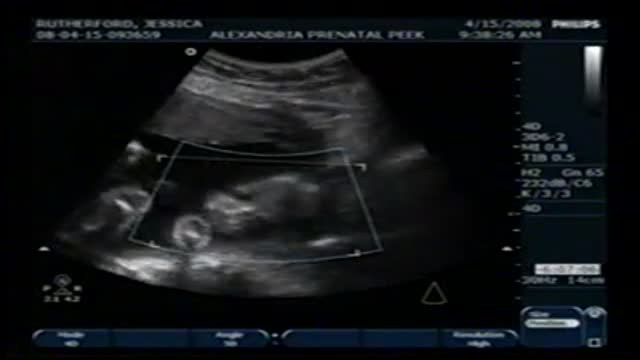
4D Ultrasound 23 Weeks
Part 7: from Loyola Medical School, Chicago showing clinical examination of the neurological system.
This video describes how to minimize injury to the facial nerve during parotid gland surgery using a nerve integrity monitor.
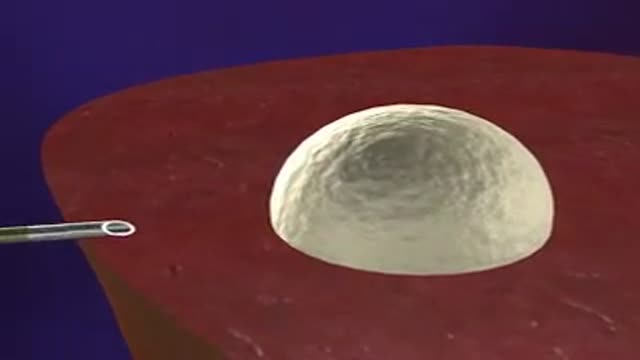
An animation showing the general principle of Radiofrequency Ablation of Hepatocellular carcinoma HCC.
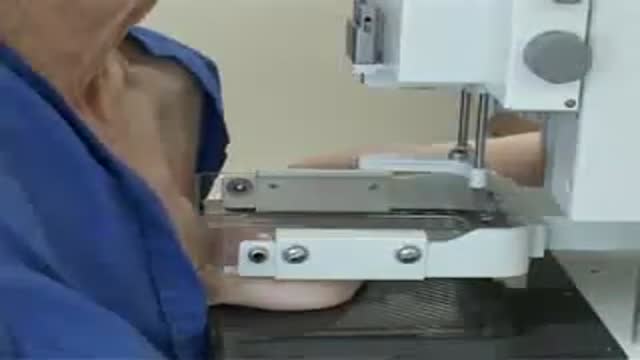
Microcalcifications in the breast can be the first sign of cancer. They are, as the name says, very small and clustered. A precise biopsy without pain under stereotactic guidance is the standard procedure. What makes this Spirotome different from the vacuum assisted biopsies is that only a few biopsies are needed and that the approach of the needle towards the microcalcifications is direct and frontal. There is no damage to the surrounding tissues making this procedure rather painfree and with minimal bleeding.

Twin girls joined at the head who share the same brain and so much more
Laparoscopic ventral hernia repair is a technique to fix tears or openings in the abdominal wall using small incisions, laparoscopes (small telescopes inserted into the abdomen) and a patch (screen or mesh) to reinforce the abdominal wall.
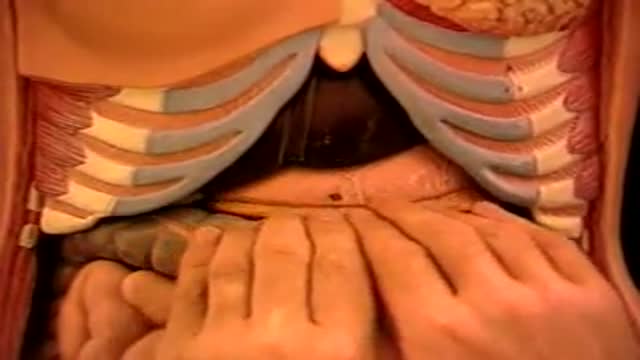
Complete medical examination of the liver
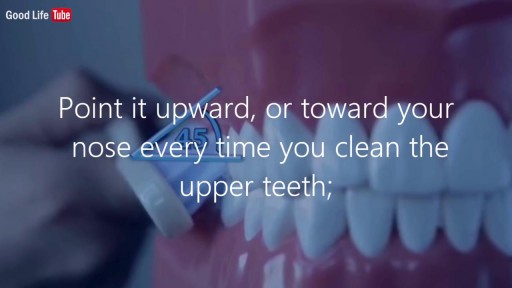
Watch that video to know How To Remove Plaque Without Visiting The Dentist
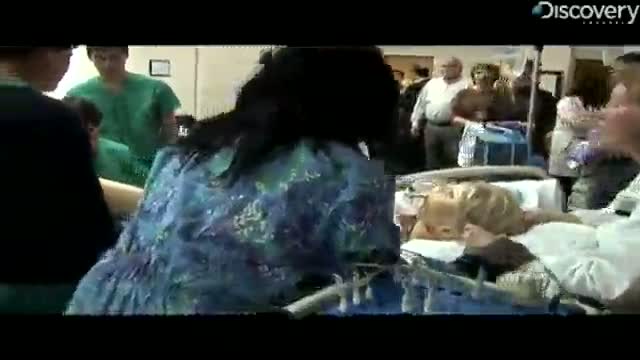
Medical students at Johns Hopkins University are getting a real-life birthing experience when a robot goes into labor. Kasey-Dee Gardner reports.
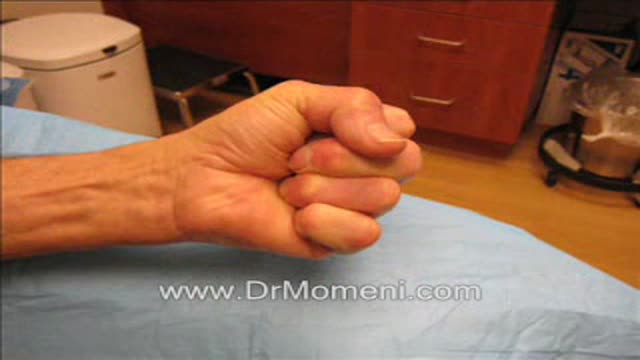
Needle fasciotomy (aponeurotomy) is usually a 15-Minute in-office procedure for Dupuytren's contracture. Performed under local anesthesia, in the office, by board-certified plastic surgeon Reza Momeni, MD. This is a minimally invasive treatment for Dupuytren's.
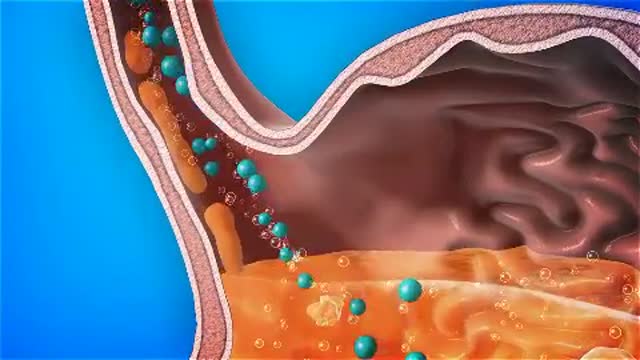
Stomach acid is natural, a valuable chemical contributor to orderly digestion. But in excess or in the wrong place, it's a menace, inflaming and irritating the esophagus, typically causing heartburn and sometimes contributing to the development of ulcers in the stomach and the duodenum, the first part of the small intestine.
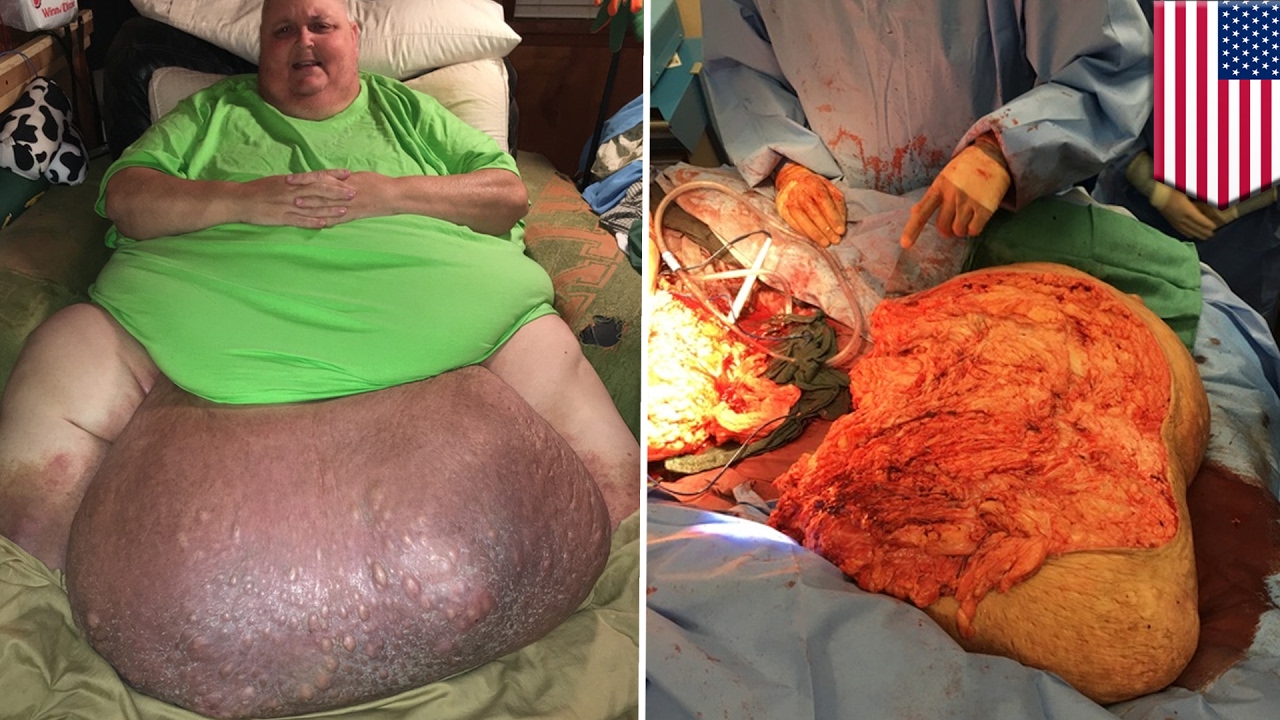
Watch that video of an Ingrown hair turned into 140-pound tumor in man’s stomach
Never looked away once great video
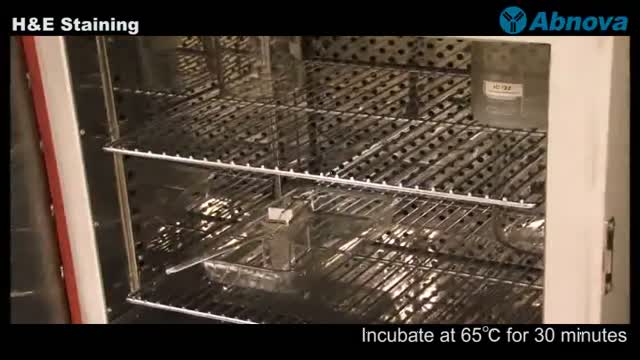
H&E stain is a popular staining method in histology. Its a combination of two dyes: the basic dye (hematoxylin) and the alcohol-based dye (eosin). In an H&E stain you will usually see both eosinophilia and basophilia: the nuclei of cells basophilic (blue), while eosinophilia is typical of cytoplasmic constituents (pink). Xylene, alcohols, distilled water are also required.
This is a minimally invasive surgical technique using an endoscope to remove any type of lumbar disc herniation - prolapsed, sequestrated or migrating discs. This technique does not employ any specialist instruments.The procedure involves two 5 mm portals employed beside the midline at the appropriate level of disc prolapse and the approach is interlaminar. The success rate of this technique in my hands is more than 90%
