
- Procedures & Tests
- Symptoms A-Z
- Symptom Checker
- Kidney Diet
- First Aid
- Anatomy Atlas
- Ask MedicalVideos
- Drug Guide
- Lab Values
- Vital Signs
- Muscles A–Z
- Clinical Signs
- Medical Abbreviations
- Medical Terminology
- Physical Examination
- Surgical Examination
- Ophthalmology
- Clinical Skills
- Orthopedics
- Surgery Videos
- Laparoscopy
- Pediatrics
- Funny Videos
- Cardiothoracic Surgery
- Nursing Videos
- Plastic Surgery
- Otorhinolaryngology
- Histology and Histopathology
- Neurosurgery
- Dermatology
- Pediatric Surgery
- Urology
- Dentistry
- Oncology and Cancers
- Anatomy Videos
- Health and Fitness
- Radiology
- Anaesthesia
- Physical Therapy
- Pharmacology
- Interventional Radiology
- Cardiology
- Endocrinology
- Gynecology
- Emergency Medicine
- Psychiatry and Psychology
- Childbirth Videos
- General Medical Videos
- Nephrology
- Physiology
- Diet and Food Health
- Diabetes Mellitus
- Neurology
- Women Health
- Osteoporosis
- Gastroenterology
- Pulmonology
- Hematology
- Rheumatology
- Toxicology
- Nuclear Medicine
- Infectious Diseases
- Vascular Disease
- Reproductive Health
- Burns and Wound Healing
- Kidney Zone Podcast
- Other


JJANSSENS
SubscribersLatest videos
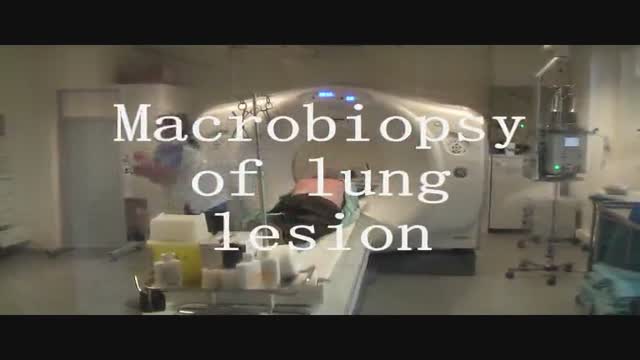
Spirotome macrobiopsy of a lung as a minimal invasive way to complete the diagnosis of lung lesions.
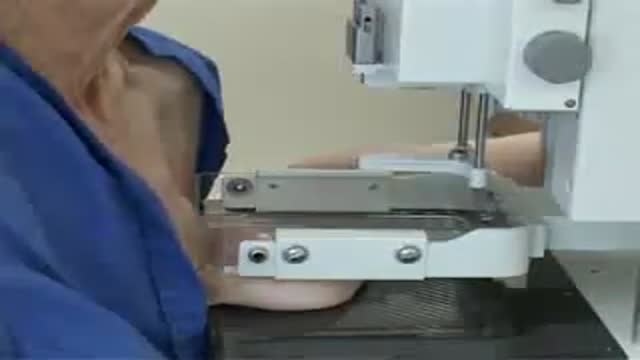
Microcalcifications in the breast can be the first sign of cancer. They are, as the name says, very small and clustered. A precise biopsy without pain under stereotactic guidance is the standard procedure. What makes this Spirotome different from the vacuum assisted biopsies is that only a few biopsies are needed and that the approach of the needle towards the microcalcifications is direct and frontal. There is no damage to the surrounding tissues making this procedure rather painfree and with minimal bleeding.
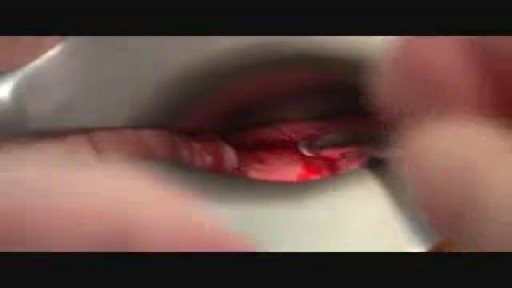
Silent footage shows a Cervicore biopsy of vaginal and cervical lesions. The device takes a deep sample of mucosa and stroma, and the recording presents its use in a clinical setting. It is shared for education in gynecologic diagnostic procedures. The clip runs about a minute and a half and focuses on the sampling technique.
Macrobiopsy of breast lesions is a complicated procedure when performed with vacuum assisted biopsy tools. The Spirotome is a hand-held needle set that doesn't need capital investment, is ready to use and provides tissue samples of high quality in substantial amounts. In this way quantitative molecular biology is possible with one tissue sample. The Coramate is an automated version of this direct and frontal technology.
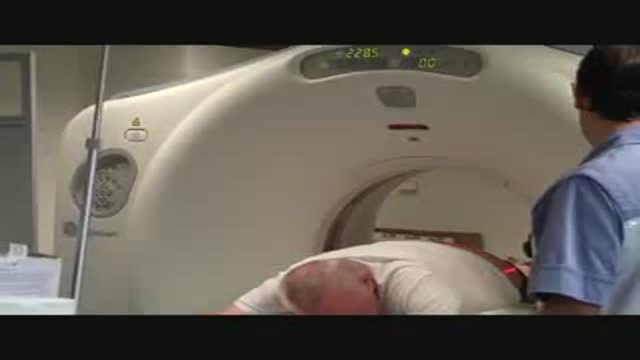
Soft tissue biopsy from osteolytic lesions is a challenge for the interventionist. The Spirotome Bone is conceived for this intervention. The procedure is straigthforward and produces tissue specimens of high quality in sufficient amounts to allow quantitative molecular biology.

The Spirotome belongs to the Direct & Frontal type of biopsy systems for taking large core biopsy from virtually every soft tissue in the body. The FDA has approved 13 applications. This video shows how easy it is to take a large core from a thoracic wall tumor mass. The size and quality of the sample allows quantitative molecular biology.
Medical Videos
Free medical and surgery videos for patients, students and professionals — trusted since 2007.
Founded by Dr. Mohamed Ibrahim, MD, PhD — physician-scientist.
Follow us on Facebook · Instagram