
Najbolji videi


A video-animation presentation about sentinel lymph node biopsies for breast cancer diagnosis. 3D graphics are used to explain the process. Topics include the lymphatic system and the methods used. This video is part of the breast cancer education series produced by CancerQuest at Emory University
Periods are considered to be one of the most taboo topics to talk about, but they can reveal a plethora of information when it comes to your health. Whether you last publicly learned about menstruation in fifth grade or during a junior high school sex ed class, it’s time to unravel what Aunt Flo and your hormonal health have to do with one another. Look before you flush not only when it comes to your urine or poop, but also your period, and find out the six things your monthly visitor can tell you about your health from what’s normal to what’s not at any age.

Everything You Need To Know about injections
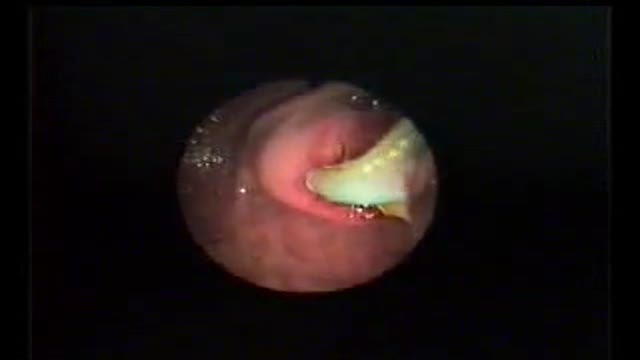
A 30 YEAR WOMEN WITH INTRACTABLE BILIARY COLIC
CASE REPORT: This 30 year women developed severe pain right upper quadrant for last 10 days. She sought many consultations and was given intravenous analgesics both (nonnarcortic and narcotic). Pain did not subside and she sought my consultation. Examination revealed her to be in agony with severe upper abdominal pain. General physical examination was otherwise unremarkable. Abdominal examination revealed mild tenderness in right hypochondrium with doubtful Murphy's sign. Urgent abdominal ultrasound showed a linear structure in bile ducts making slow writhing movements. The structure had an anechoic tube (alimentary canal) inside suggestive of a large Ascarid. Urgent ERCP was performed and bile duct and pancreatic duct cannulated selectively. Pancreatic duct was normal. Bile ducts contained a long linear filling defect extending from lower end of common bile duct to right intrahepatic duct (see image gallery for ERCP plate). A basket was introduced in the duct (see video clip) and the linear structure was engaged with soft closure and extracted out of the bile duct. Accompanying the basket was a 25 cm thick highly motile Ascarid. To recover the worm, endoscope was withdrawn along with the basket and the friendly catch. While the endoscope was being withdrawn and the basket was in the duodenum with the worm out of bile duct, patient indicated of relief of abdominal pain. A relook cholangiogram showed no more structures in the duct. She was given antihelmintic therapy and passed hundreds of worms with the feces. The worms recovered form stools were both male and female population and varied in length and size. However the lone worm recovered form bile ducts was the longest and the thickest male worm. The phenomenal behavior of this ubiquitous infection remains unexplained.

DMC Sports Medicine Specialist Gary Gilyard, M.D., uses new OATS Procedure to repair knee injury and get hardcore hockey player back on the ice.
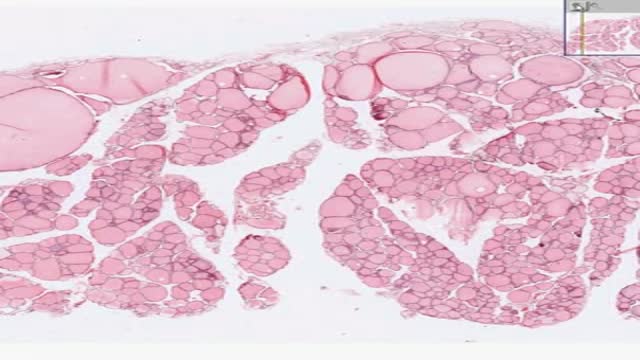
Histology of the Thyroid gland
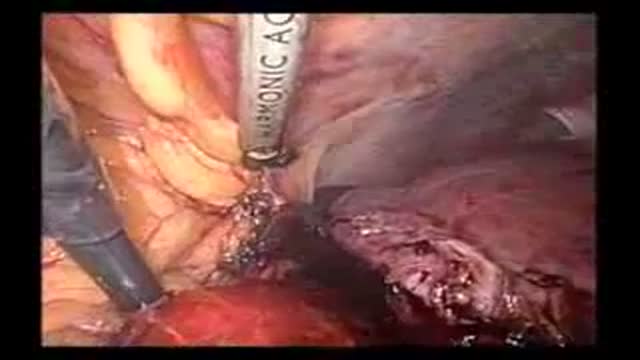
Laparoscopic resection of the right hepatic lobe for a 5 cm hepatoma

The Spirotome belongs to the Direct & Frontal type of biopsy systems for taking large core biopsy from virtually every soft tissue in the body. The FDA has approved 13 applications. This video shows how easy it is to take a large core from a thoracic wall tumor mass. The size and quality of the sample allows quantitative molecular biology.
Cerebellar functions of the lower limbs from the USMLE collection
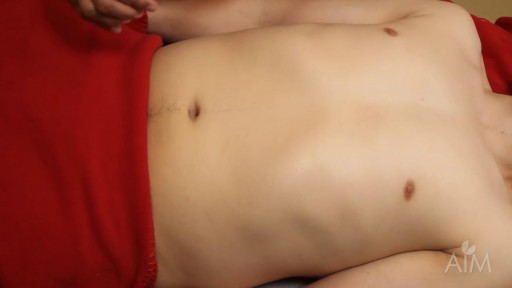
Start in RLQ (so you don’t miss a giant spleen). Get your fingers set then ask patient to take a deep breath. Don’t dip your fingers or do anything but wait. When patient expires, take up new position. Note lowest point of spleen below costal margin, texture of splenic contour, and tenderness If spleen is not felt, repeat with pt lying on right side. Gravity may bring spleen within reach. “LET THE SPLEEN PALPATE YOUR FINGERS AND NOT THE OTHER WAY AROUND. THERE IS NO GOLD, SO DON’T DIG!”
Ear Whispering Test from the USMLE collection
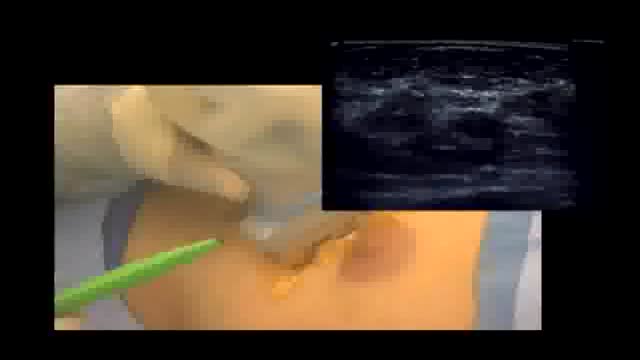
Excision of breast cancer that is visible only on mammogram. diagnosis is typically established on stereotactic biospy and excision is done with wire localization. This techniques involves localization by sonography of the hematoma that is left behind at the time of biopsy. It provides not only accu...rate location of the tumor but ensures adequate margins of excision.
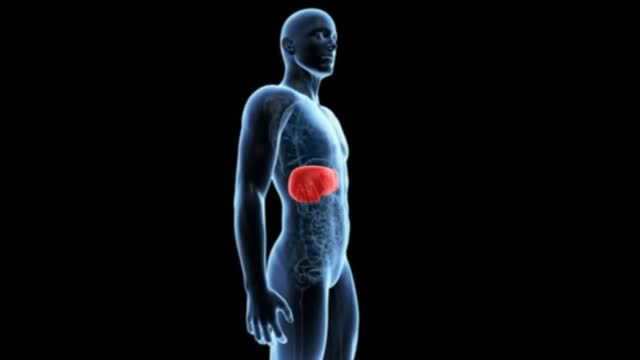
Autoimmune hepatitis is liver inflammation that occurs when your body's immune system turns against liver cells. The exact cause of autoimmune hepatitis is unclear, but genetic and environmental factors appear to interact over time in triggering the disease. Untreated autoimmune hepatitis can lead to scarring of the liver (cirrhosis) and eventually to liver failure. When diagnosed and treated early, however, autoimmune hepatitis often can be controlled with drugs that suppress the immune system. A liver transplant may be an option when autoimmune hepatitis doesn't respond to drug treatments or when liver disease is advanced.
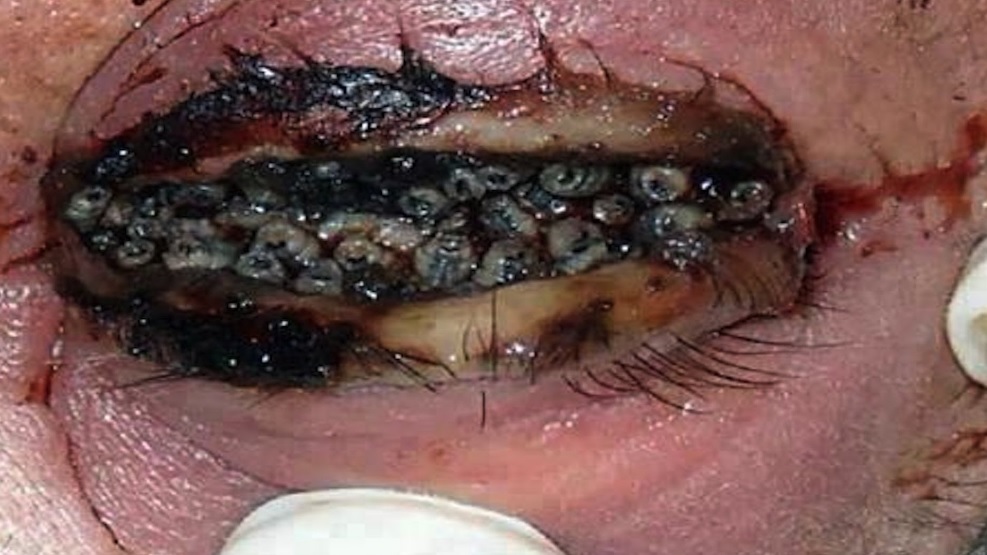
Watch that video of the 10 Most Invasive Parasites in the World

Endoscopic Management of Brain Cyst, ForaminoPlasty
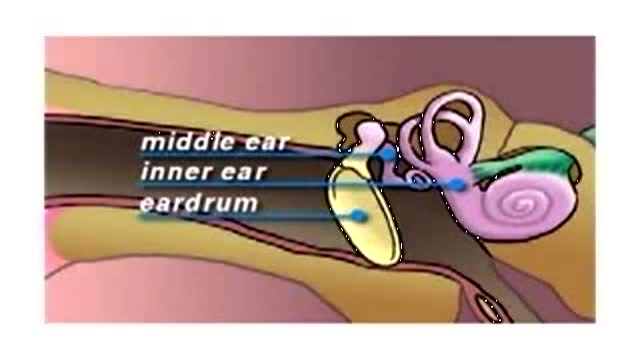
Myringotomy is the surgery to place tubes in the ear. This animated video reviews the anatomy of the ear and what happens after frequent infection. As well as treatment with tubes in the ear or myringotomy.
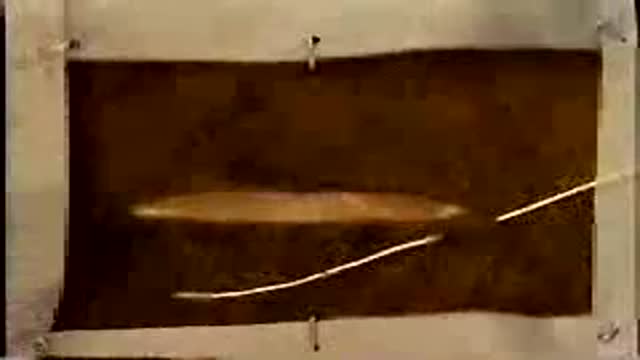
Cushing Pattern Suture
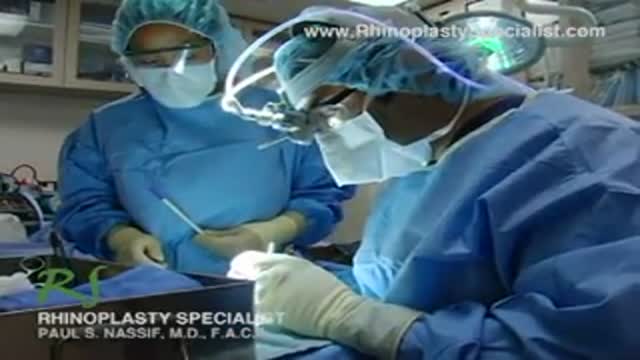
Join Rhinoplasty Specialist Dr. Paul Nassif, a world-renowned expert in revision rhinoplasty, in the operating room as he performs a Columella Strut Placement. His practice, Spalding Drive Cosmetic Surgery & Dermatology, is located in Beverly Hills, CA.
Video Produced by SPORE Medical
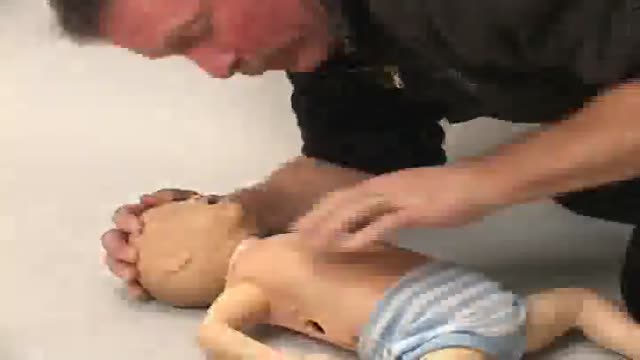
Infant CPR Video Demonstration
