Cellulitis or DVT? How to Tell the Difference
Cellulitis is a bacterial infection of the skin and the tissues just beneath it, usually entering through a break in the skin, which makes an area red, hot, swollen, and tender. DVT — deep vein thrombosis — is a blood clot in a deep vein, usually in the leg, which blocks blood flow and makes the limb swell and ache. They are confused because both produce a painful, swollen, sometimes reddened leg. The clearest differences: cellulitis is on the surface — the skin is hot, red, and tender with a visible edge, often with fever — while DVT swelling is deeper and more diffuse, the whole calf or leg enlarges, and the skin may look normal or only mildly pink. Both need prompt assessment, for different reasons: cellulitis can spread, and a DVT clot can travel to the lungs.
✓ Medically reviewed by Mohamed Magdy Ibrahim, MD, PhD — Assistant Professor of Medicine, Transplant Nephrology, University of Maryland School of Medicine · Board certified in Internal Medicine (ABIM) · Last reviewed: November 2026
In short: A hot, bright-red, tender patch of skin with a spreading edge — especially with fever or a cut or bite nearby — points to cellulitis. A whole calf or leg that is swollen and aching, with less surface redness, points to DVT. Breathlessness or chest pain with either picture can mean a clot has travelled to the lungs: that is an emergency.
At a glance: cellulitis vs DVT
| Cellulitis | Deep vein thrombosis (DVT) | |
|---|---|---|
| What it is | A bacterial infection spreading through the skin and the tissue beneath it | A blood clot formed inside a deep vein, obstructing blood flow out of the limb |
| Where it shows | A patch of skin — most often on the lower leg, but anywhere, including the face and around the eye | Usually one leg (calf or thigh); rarely an arm, for example after a drip or line in a vein |
| Skin changes | Bright red, hot, and tender, with an edge that can spread visibly over hours to days; sometimes blisters or a break in the skin where bacteria entered | Skin may look normal, mildly pink, or slightly blue; the problem is swelling more than colour |
| Swelling pattern | Swelling is centred on the infected patch | The whole calf or leg swells — one calf measurably bigger than the other |
| Pain pattern | Tenderness right over the red area; hurts to touch | A deep ache or heaviness in the calf, worse when standing or walking; pain when the foot is flexed upward is a classic but unreliable sign |
| Fever & feeling unwell | Common — fever, shivering, and feeling unwell as the infection takes hold | Less common; a mild temperature can occur, but high fever points more to infection |
| Usual triggers | A cut, graze, insect bite, athlete's foot cracks, an ulcer, or previous cellulitis in the same leg | Long immobility (flights, bed rest, a plaster cast), surgery, pregnancy, the contraceptive pill or HRT, cancer, and previous clots |
| Both legs? | Usually one area on one side; both legs red and swollen is rarely cellulitis | Usually one leg; clots in both legs at once are uncommon |
| How it is confirmed | Mainly by examination — the look and feel of the skin; blood tests support it, and scans are used if a collection of pus is suspected | A blood test (D-dimer) and an ultrasound scan of the veins confirm or exclude a clot |
| Usual treatment | Antibiotics — tablets for milder cases, intravenous for severe or spreading infection; the leg is rested and raised | Anticoagulant ('blood-thinning') medicines to stop the clot growing and prevent it travelling, usually for at least a few months |
| How urgent | Needs same-day assessment; spreading redness, fever, or red streaks running up the limb mean it is worsening | Needs same-day assessment; breathlessness or chest pain afterwards may mean the clot has reached the lungs — an emergency |
The two conditions in brief
Cellulitis in brief
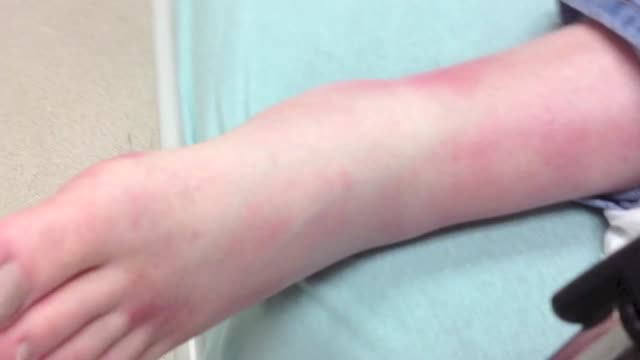
Cellulitis happens when bacteria — usually streptococci or staphylococci — get through a break in the skin and spread through the tissues. The area becomes red, hot, swollen, and tender, and the infection can advance visibly over hours, sometimes with fever and shivering.
Treatment is antibiotics, rest, and raising the limb; marking the edge of the redness shows whether it is spreading or retreating. Severe, fast-spreading, or facial cellulitis — and cellulitis in people with diabetes or a weak immune system — needs hospital care. Read the full cellulitis guide →
DVT in brief
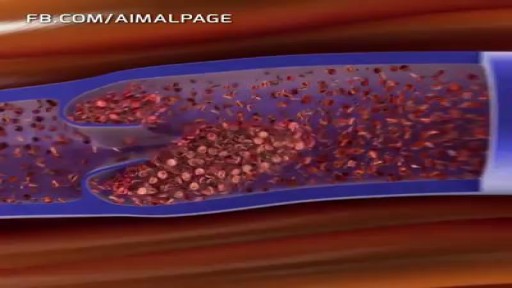
A DVT forms when blood clots inside a deep vein, usually in the calf or thigh, often after immobility, surgery, or other triggers that slow blood flow or make it more likely to clot. The blocked vein makes the whole limb swell and ache.
The danger is a piece of clot breaking off and travelling to the lungs (a pulmonary embolism), which can be life-threatening. Anticoagulant medicines prevent the clot extending and new clots forming while the body gradually clears it. Read the full DVT guide →
When to worry — get care the same day
- Breathlessness, chest pain that is worse when breathing in, or coughing blood — possible clot on the lungs
- Redness that is spreading quickly, red streaks running up the leg, or severe pain in the affected area
- Fever, shivering, or feeling very unwell with a leg infection
- Swelling of the whole leg that came on suddenly, or a leg that looks blue or very pale
- Cellulitis around the eye, or on the face with eye swelling
- Skin that blisters, turns purple or black, or becomes numb
Breathlessness or chest pain after any leg swelling is an emergency — call emergency services. Both conditions also deserve same-day assessment even without those signs, because both can worsen quietly.
Watch: cellulitis and DVT videos
Watch: cellulitis
Watch: DVT

Read the full guides
Cellulitis: the full guide How skin infections start and spread, antibiotics, marking the edge, and preventing recurrences. Read the guide → Deep Vein Thrombosis: the full guide Why clots form, the ultrasound diagnosis, anticoagulants, and preventing the next clot. Read the guide → Pulmonary Embolism: when a clot travels What happens when a leg clot reaches the lungs — the symptoms, emergency treatment, and outlook. Read the guide →Frequently asked questions
Can cellulitis and DVT happen in the same leg at once?
Yes, occasionally — and each can be mistaken for the other, which is why doctors sometimes treat for infection while also scanning the veins. A leg that does not improve on antibiotics, or that is swollen out of proportion to the skin changes, should prompt an ultrasound to look for a clot.
Why does the doctor mark the edge of the redness?
Drawing a line at the edge of the red area, with the time noted, makes spread visible: if the redness advances beyond the line, the infection is winning and treatment needs stepping up. If it retreats, the antibiotics are working. It is a simple, useful bedside test.
Is a DVT always painful?
No. Some DVTs cause few symptoms or none, and are found only when a scan is done for another reason or after a clot reaches the lungs. That is why new one-sided leg swelling after a flight, operation, or period of immobility deserves assessment even when pain is mild.
Can a simple blood test rule out DVT?
A D-dimer blood test can help: when the result is normal and the clinical suspicion is low, a DVT is unlikely and a scan may not be needed. A raised D-dimer does not prove a clot — infection, surgery, pregnancy, and many other states raise it — so a raised result leads to an ultrasound, which gives the answer.
What should I do while waiting to be seen?
Keep the leg raised and rest it, do not massage the calf, and avoid long journeys. For suspected cellulitis, note whether the redness is spreading and take fever seriously. Do not start leftover antibiotics or aspirin as a substitute for assessment — both conditions need the right treatment started promptly.
More comparisons
Related topics on MedicalVideos.com
Sources & further reading
Authoritative references for readers who want to go deeper:
Ibrahim MM. Cellulitis vs DVT: How to Tell the Difference. MedicalVideos.com; 2026 Nov 26 [cited 2026 Nov 26]. Available from: https://www.medicalvideos.com/conditions/vs/cellulitis-vs-dvt.html
This page is for general education only and is not medical advice. It cannot tell you which condition you have — only an examination and tests can do that. Breathlessness, chest pain, or coughing blood with a swollen leg can mean a clot has travelled to the lungs — call emergency services immediately.