
- Physical Examination
- Surgical Examination
- Ophthalmology
- Clinical Skills
- Orthopedics
- Surgery Videos
- Laparoscopy
- Pediatrics
- Funny Videos
- Cardiothoracic Surgery
- Nursing Videos
- Plastic Surgery
- Otorhinolaryngology
- Histology and Histopathology
- Neurosurgery
- Dermatology
- Pediatric Surgery
- Urology
- Dentistry
- Oncology and Cancers
- Anatomy Videos
- Health and Fitness
- Radiology
- Anaesthesia
- Physical Therapy
- Pharmacology
- Interventional Radiology
- Cardiology
- Endocrinology
- Gynecology
- Emergency Medicine
- Psychiatry and Psychology
- Childbirth Videos
- General Medical Videos
- Nephrology
- Physiology
- Diet and Food Health
- Diabetes Mellitus
- Neurology
- Women Health
- Osteoporosis
- Gastroenterology
- Pulmonology
- Hematology
- Rheumatology
- Toxicology
- Nuclear Medicine
- Infectious Diseases
- Vascular Disease
- Reproductive Health
- Burns and Wound Healing
- Kidney Zone Podcast
- Other
Varicose Veins
Varicose veins are swollen, twisted veins that usually appear on the legs when vein valves stop working properly. This page explains their symptoms, causes, and treatment in plain language, with videos to help you follow the key points.
✓ Medically reviewed by Dr. Mohamed Ibrahim, MD, PhD — physician-scientist · Last reviewed: November 2026
In short: In varicose veins, weakened valves let blood pool in leg veins, making them bulge and twist. They commonly cause aching, heaviness, and itching in the legs. Care includes activity, leg elevation, compression, and procedures for troublesome veins.
Watch: Varicose Veins videos

Read: the plain-language guide
Overview
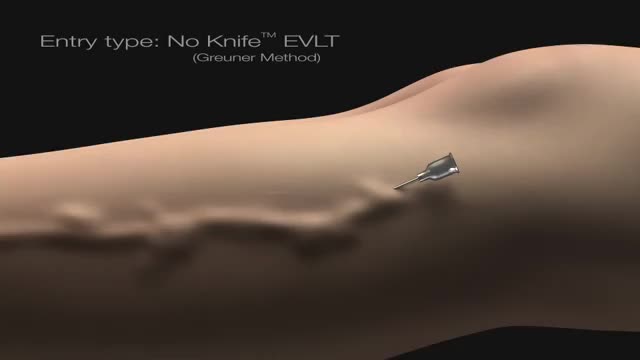
Leg veins carry blood back up to the heart, helped by small one-way valves that stop blood flowing backwards. In varicose veins, these valves weaken, blood pools in the vein, and the vein stretches, bulges, and becomes twisted and visible under the skin. The condition is common and usually affects the legs. For many people varicose veins are mainly a cosmetic concern, but they can ache, affect the skin around the ankle, and occasionally bleed or become inflamed. Simple measures help most symptoms, and procedures exist for troublesome veins.
Symptoms
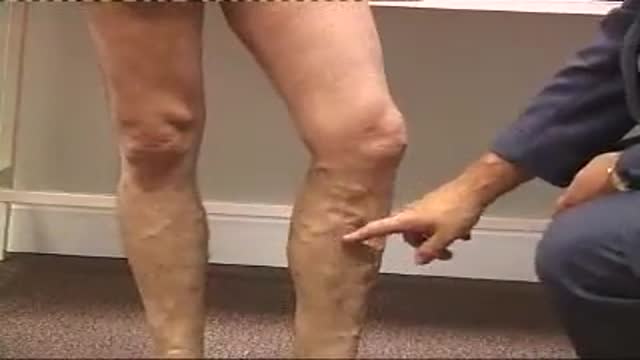
Visible swollen, lumpy, or twisted veins on the legs are the main sign. Aching, heaviness, throbbing, or burning in the legs is common, often worse after standing for long periods and towards the end of the day. Itching around a vein, ankle swelling, and night cramps can also occur. Over time the skin near the ankle may become dry, discoloured, or eczema-like, and in some people a skin ulcer develops. Symptoms are usually eased by walking and by raising the legs. A vein that suddenly becomes hard, red, and painful may be inflamed and needs review.
Causes & risk factors
Varicose veins develop when vein walls and valves weaken, allowing blood to pool under pressure. They become more likely with age, and often run in families. Pregnancy increases pressure on leg veins and raises hormone levels that relax vein walls. Standing or sitting still for long periods at work adds strain, as does excess weight. Women are affected more often than men. A past deep vein clot can also damage valves. The underlying weakness cannot be fully prevented, but strain on the legs can be reduced.
How it's diagnosed
Diagnosis is usually made by examining the legs while standing, and asking about symptoms, past clots, and skin changes. Many people need no further tests. If a procedure is being considered, or there are signs of deeper vein problems, an ultrasound scan maps blood flow in the leg veins and shows which valves are leaking. The assessment also checks the skin and circulation in the feet. This helps decide whether simple measures are enough or a procedure is appropriate.
Treatment overview
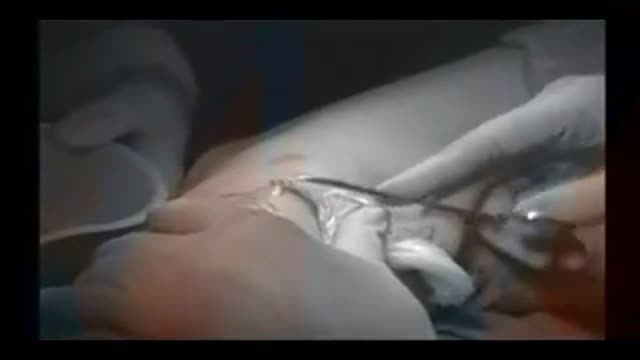
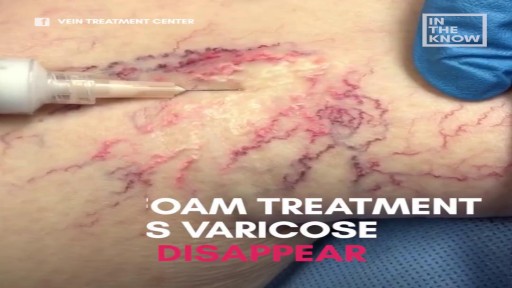
Treatment depends on symptoms and skin changes. Regular walking, avoiding long periods standing still, raising the legs when resting, and maintaining a healthy weight all help. Compression stockings may ease aching and swelling and are sometimes advised, fitted correctly. When veins remain troublesome, procedures can close or remove the faulty vein, including heat or laser treatment through a fine tube, injections that close the vein, or surgery. Treated veins are sealed off and blood reroutes through healthy veins. New varicose veins can still appear over time after any treatment.
When to seek care
Seek prompt help if a varicose vein bleeds, if the skin over the ankle breaks down or an ulcer forms, or if a vein becomes suddenly hard, red, and painful. One-sided leg swelling with calf pain needs same-day assessment to rule out a deep vein clot.
Frequently asked questions
Are varicose veins dangerous?
Most varicose veins are not dangerous, though they can ache and affect the skin over time. Complications such as bleeding, inflamed veins, skin damage, and ulcers can occur. New pain, swelling, bleeding, or skin breakdown should always be assessed.
Do compression stockings cure varicose veins?
No. Stockings do not repair weakened valves or remove veins, but they can ease aching, heaviness, and swelling by supporting blood flow back up the leg. They work best when correctly fitted and worn during the day. A clinician can advise whether they suit your circulation.
Can varicose veins come back after treatment?
Yes. Procedures treat the veins present at the time, but the underlying tendency to valve weakness remains, and new varicose veins can develop over the years. Staying active, avoiding long periods standing still, and maintaining a healthy weight help protect the legs afterwards.
Should I avoid exercise with varicose veins?
No. Walking and other leg exercise help the calf muscles push blood back up the veins and usually ease symptoms. Prolonged standing still is harder on the veins than moving around. If a procedure is planned, the care team will advise about activity before and after it.
More in Heart & Circulation
Related topics on MedicalVideos.com
Sources & further reading
Authoritative references for readers who want to go deeper:
- MedlinePlus: Varicose Veins
- NHS: Varicose Veins
- American Heart Association: Varicose Veins (American Heart Association)
This page is for general education only and is not medical advice. Bleeding from a varicose vein needs prompt first aid with pressure and leg elevation, and urgent medical assessment if bleeding does not stop quickly.