
- Physical Examination
- Surgical Examination
- Ophthalmology
- Clinical Skills
- Orthopedics
- Surgery Videos
- Laparoscopy
- Pediatrics
- Funny Videos
- Cardiothoracic Surgery
- Nursing Videos
- Plastic Surgery
- Otorhinolaryngology
- Histology and Histopathology
- Neurosurgery
- Dermatology
- Pediatric Surgery
- Urology
- Dentistry
- Oncology and Cancers
- Anatomy Videos
- Health and Fitness
- Radiology
- Anaesthesia
- Physical Therapy
- Pharmacology
- Interventional Radiology
- Cardiology
- Endocrinology
- Gynecology
- Emergency Medicine
- Psychiatry and Psychology
- Childbirth Videos
- General Medical Videos
- Nephrology
- Physiology
- Diet and Food Health
- Diabetes Mellitus
- Neurology
- Women Health
- Osteoporosis
- Gastroenterology
- Pulmonology
- Hematology
- Rheumatology
- Toxicology
- Nuclear Medicine
- Infectious Diseases
- Vascular Disease
- Reproductive Health
- Burns and Wound Healing
- Kidney Zone Podcast
- Other
Cellulitis
Cellulitis is a bacterial infection of the skin and the tissue just beneath it that causes spreading redness, warmth, swelling, and pain. This guide explains cellulitis symptoms and treatment in plain language, and when urgent care is needed.
✓ Medically reviewed by Dr. Mohamed Ibrahim, MD, PhD — physician-scientist · Last reviewed: November 2026
In short: Cellulitis happens when bacteria enter through a break in the skin and cause a spreading infection. It needs medical assessment and antibiotics, and it should be watched closely because it can worsen quickly.
Watch: Cellulitis videos
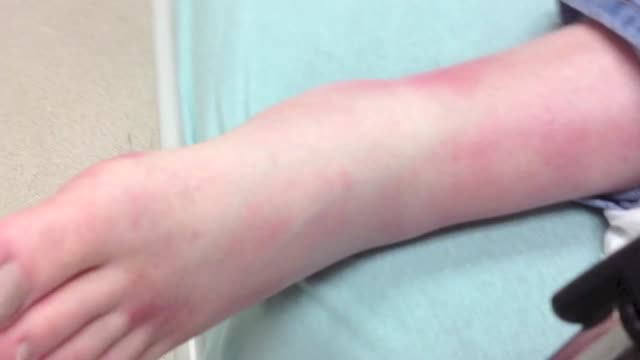
Read: the plain-language guide
Overview
Cellulitis is an infection of the deeper layers of the skin and underlying tissue, usually caused by common skin bacteria entering through a cut, bite, ulcer, or area of broken skin such as eczema or athlete's foot. It most often affects one leg, but can occur anywhere, including the face. The affected area expands over hours to days. Unlike a surface rash, cellulitis is usually painful and warm, and people may feel generally unwell. Prompt treatment prevents the infection spreading to the blood or deeper tissues.
Symptoms
The typical picture is an area of skin that becomes red or discoloured, swollen, warm, and tender, with edges that gradually spread. There may be blistering, dimpling, or red streaks moving away from the area. Many people develop fever, chills, and tiredness. Lymph nodes near the area can swell and become tender. Cellulitis usually affects one side only; redness on both legs at the same time is more often due to other causes, such as eczema or circulation problems, which is why assessment matters.
Causes & risk factors
Cellulitis develops when bacteria pass through damaged skin. Risk factors include cuts, insect bites, leg ulcers, athlete's foot, eczema, swelling of the leg, poor circulation, diabetes, a weakened immune system, previous cellulitis, and being overweight. Sometimes the entry point is tiny and not noticed. Keeping skin intact and moisturised, treating athlete's foot, and caring for leg swelling reduce risk. People who have had cellulitis once are more likely to get it again in the same area, especially if swelling or skin damage persists.
How it's diagnosed
A clinician diagnoses cellulitis mainly by examining the skin and asking about symptoms, injuries, and general health. Blood tests are sometimes used to check the body's response to infection and overall health. If there is a collection of pus, severe pain, or doubt about the diagnosis, scans or specialist review may be needed to rule out an abscess, a deeper infection, or a blood clot, which can cause similar leg pain and swelling.
Treatment overview
Cellulitis is treated with antibiotics, chosen by a clinician based on severity and personal factors such as allergies and other conditions. Mild cases are often treated at home with rest, leg elevation, fluids, and pain relief, with clear advice to return if things worsen. More severe infection, facial involvement, a weakened immune system, or failure to improve may need hospital care and intravenous antibiotics. Treating the entry cause, such as athlete's foot or an ulcer, helps prevent recurrence.
When to seek care
Seek urgent care for spreading redness, red streaks, increasing pain or swelling, fever, or feeling very unwell. Get emergency help for infection on the face or around the eye, severe pain, numbness, purple or blistered skin, confusion, or rapid worsening. Do not wait if you have a weakened immune system or diabetes and develop these signs.
Frequently asked questions
Is cellulitis contagious?
Cellulitis itself is not usually contagious through normal contact, because the infection sits in deeper skin layers. The bacteria involved commonly live on healthy skin without causing harm. Good hygiene, covering wounds, and not sharing personal items are sensible, but everyday contact with someone who has cellulitis does not usually spread it.
How quickly should cellulitis improve?
Redness and pain often begin to ease within the first couple of days of treatment, though the skin can stay discoloured or swollen for longer as it heals. If redness keeps spreading, pain increases, or fever develops after starting treatment, contact a clinician promptly, as the plan may need to change.
Can cellulitis come back?
Yes, cellulitis can recur, especially in the same leg. Managing leg swelling, treating athlete's foot and eczema, moisturising to prevent cracks, and protecting skin from cuts and bites all help lower the risk. People with repeated episodes should discuss a prevention plan, and sometimes further investigation, with their clinician.
What is the difference between cellulitis and an abscess?
Cellulitis is a spreading infection of skin and tissue without a defined pocket of pus. An abscess is a localised collection of pus that feels like a tender lump and often needs drainage as well as antibiotics. Because treatment differs, a painful lump, or cellulitis that is not improving, should be examined by a clinician.
Related topics on MedicalVideos.com
Sources & further reading
Authoritative references for readers who want to go deeper:
- MedlinePlus: Cellulitis
- CDC: Cellulitis (CDC)
- NHS: Cellulitis
This page is for general education only and is not medical advice. Cellulitis can worsen quickly — spreading redness with fever, severe pain, or involvement of the face or eye needs urgent same-day assessment.