
- Physical Examination
- Surgical Examination
- Ophthalmology
- Clinical Skills
- Orthopedics
- Surgery Videos
- Laparoscopy
- Pediatrics
- Funny Videos
- Cardiothoracic Surgery
- Nursing Videos
- Plastic Surgery
- Otorhinolaryngology
- Histology and Histopathology
- Neurosurgery
- Dermatology
- Pediatric Surgery
- Urology
- Dentistry
- Oncology and Cancers
- Anatomy Videos
- Health and Fitness
- Radiology
- Anaesthesia
- Physical Therapy
- Pharmacology
- Interventional Radiology
- Cardiology
- Endocrinology
- Gynecology
- Emergency Medicine
- Psychiatry and Psychology
- Childbirth Videos
- General Medical Videos
- Nephrology
- Physiology
- Diet and Food Health
- Diabetes Mellitus
- Neurology
- Women Health
- Osteoporosis
- Gastroenterology
- Pulmonology
- Hematology
- Rheumatology
- Toxicology
- Nuclear Medicine
- Infectious Diseases
- Vascular Disease
- Reproductive Health
- Burns and Wound Healing
- Kidney Zone Podcast
- Other
Deep Vein Thrombosis
Deep vein thrombosis is a blood clot that forms in a deep vein, usually in the leg. This page explains its symptoms, causes, and treatment in plain language, with videos to help you follow the key points.
✓ Medically reviewed by Dr. Mohamed Ibrahim, MD, PhD — physician-scientist · Last reviewed: November 2026
In short: In deep vein thrombosis, a clot forms in a deep leg vein and partly blocks blood flow. It commonly causes pain and swelling in one leg. Treatment uses blood-thinning medicines to stop the clot growing and lower the risk of it travelling to the lungs.
Watch: Deep Vein Thrombosis videos
Read: the plain-language guide
Overview
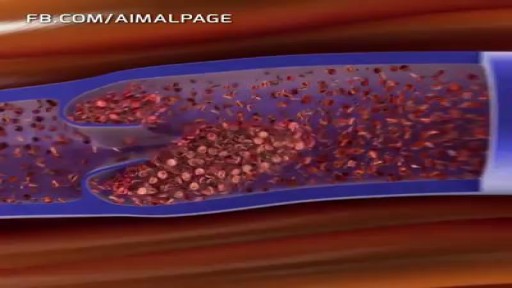
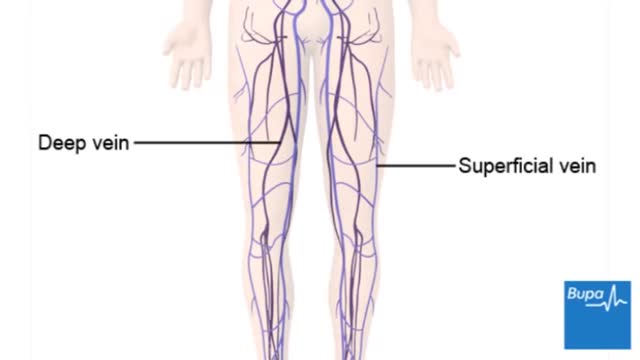
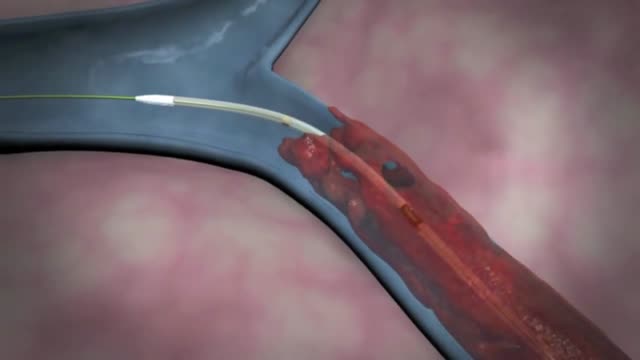
Veins return blood from the body back to the heart. In deep vein thrombosis, a clot forms inside a deep vein, most often in the calf or thigh, and obstructs blood flow. The affected leg may swell and ache as blood struggles to return. The main danger is that part of the clot can break away, travel through the heart, and lodge in the lungs, a complication called pulmonary embolism. With prompt blood-thinning treatment, the clot usually stabilises, the body gradually clears it, and the risk of serious complications falls greatly.
Symptoms
Symptoms usually affect one leg. They include pain or tenderness, often in the calf, swelling of the leg or ankle, warm skin over the painful area, and redness or a change in skin colour. The leg may feel heavy or tight. Some clots cause few or no symptoms and are found only during tests for other reasons. Symptoms in both legs at once are less typical of this condition. Because other problems, such as a muscle strain or skin infection, can look similar, proper assessment is needed rather than guessing from symptoms.
Causes & risk factors
Clots are more likely when blood flow slows, when blood clots more easily, or when a vein is damaged. Long periods of immobility, such as bed rest, a long journey, or recovery after surgery, slow blood flow in the legs. Injury, surgery, pregnancy, hormonal treatments, and some long-term conditions also raise risk, as does having had a previous clot. Cancer and its treatment can increase clotting tendency. Often several factors combine, and sometimes no clear trigger is found. Knowing personal risk factors helps guide how long treatment and prevention continue.
How it's diagnosed
Assessment starts with an examination and questions about symptoms and risk factors. A blood test may be used to help rule out a clot when the likelihood is low. An ultrasound scan of the leg veins is the main test; it shows whether blood is flowing normally and whether a clot is present. If lung involvement is suspected, chest imaging may be arranged. Because treatment involves blood-thinning medicines, the assessment also checks bleeding risk and other medicines.
Treatment overview
The main treatment is blood-thinning medicine, which stops the clot growing, lets the body clear it, and lowers the risk of a clot reaching the lungs. Treatment usually continues for a period set by the care team, based on what triggered the clot and individual risk. Staying active and walking as able helps circulation; prolonged bed rest is usually discouraged. Some people are advised compression stockings for symptom relief. Taking blood thinners exactly as directed, and knowing the signs of bleeding, are essential parts of safe treatment.
When to seek care
Get emergency care at once for breathlessness, chest pain that worsens when breathing in, coughing up blood, or a racing heartbeat, as these may signal a clot in the lungs. New one-sided leg swelling or pain should be assessed the same day.
Frequently asked questions
Can a deep vein thrombosis clear on its own?
The body can gradually break down a clot, but without treatment the clot may grow or travel to the lungs, which can be life-threatening. Blood-thinning treatment is therefore standard once a clot is confirmed, even when leg symptoms feel mild.
Should I rest the leg or keep moving?
Keeping mobile is generally encouraged once treatment has started, because walking helps blood flow in the leg veins and can ease pain and swelling. Prolonged bed rest is usually not advised. Follow the specific advice of your care team, especially soon after diagnosis.
How long does treatment for deep vein thrombosis last?
Treatment length is individual. It depends on what triggered the clot, whether that trigger has resolved, and personal risks of further clots and bleeding. Some people need treatment only for a limited period, while others are advised to continue long term with regular review.
Can deep vein thrombosis come back?
Yes, a further clot is possible, particularly if strong risk factors remain or a previous clot had no clear temporary trigger. Knowing the warning signs, staying active during long journeys or illness, and attending follow-up reviews all help reduce and detect recurrence early.
More in Heart & Circulation
Related topics on MedicalVideos.com
Sources & further reading
Authoritative references for readers who want to go deeper:
This page is for general education only and is not medical advice. Breathlessness or chest pain after a leg clot may mean the clot has travelled to the lungs and needs emergency care immediately.