
- Physical Examination
- Surgical Examination
- Ophthalmology
- Clinical Skills
- Orthopedics
- Surgery Videos
- Laparoscopy
- Pediatrics
- Funny Videos
- Cardiothoracic Surgery
- Nursing Videos
- Plastic Surgery
- Otorhinolaryngology
- Histology and Histopathology
- Neurosurgery
- Dermatology
- Pediatric Surgery
- Urology
- Dentistry
- Oncology and Cancers
- Anatomy Videos
- Health and Fitness
- Radiology
- Anaesthesia
- Physical Therapy
- Pharmacology
- Interventional Radiology
- Cardiology
- Endocrinology
- Gynecology
- Emergency Medicine
- Psychiatry and Psychology
- Childbirth Videos
- General Medical Videos
- Nephrology
- Physiology
- Diet and Food Health
- Diabetes Mellitus
- Neurology
- Women Health
- Osteoporosis
- Gastroenterology
- Pulmonology
- Hematology
- Rheumatology
- Toxicology
- Nuclear Medicine
- Infectious Diseases
- Vascular Disease
- Reproductive Health
- Burns and Wound Healing
- Kidney Zone Podcast
- Other
Atrial Fibrillation
Atrial fibrillation is a common heart rhythm problem in which the upper chambers of the heart beat irregularly and often fast. This page explains its symptoms, causes, and treatment in plain language, with videos to help you follow the key points.
✓ Medically reviewed by Dr. Mohamed Ibrahim, MD, PhD — physician-scientist · Last reviewed: November 2026
In short: In atrial fibrillation, disorganized electrical signals make the heartbeat irregular. Some people feel palpitations or breathlessness; others feel nothing. Care focuses on controlling heart rate or rhythm and, importantly, lowering the risk of stroke.
Watch: Atrial Fibrillation videos

Read: the plain-language guide
Overview
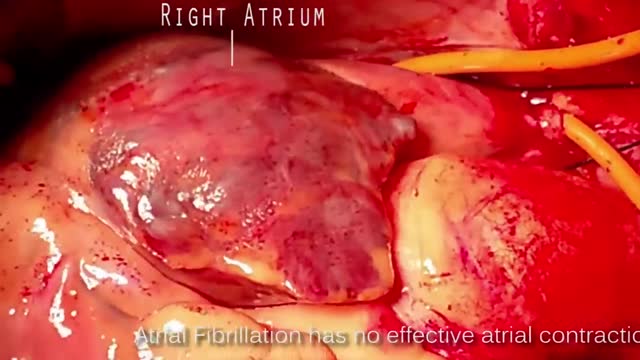
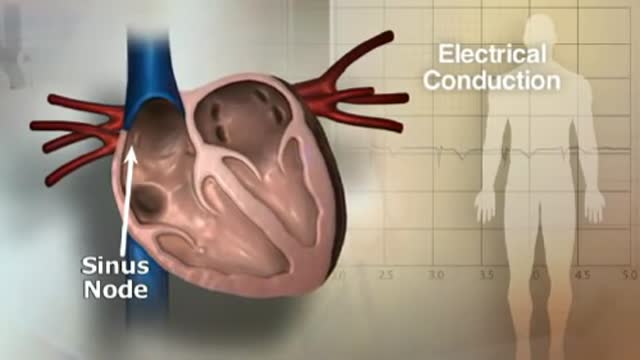
A normal heartbeat is coordinated by a steady electrical signal that spreads through the heart in an orderly way. In atrial fibrillation, rapid, chaotic signals in the upper chambers make them quiver instead of contracting properly, and the lower chambers beat irregularly in response. Episodes may come and go, last longer, or become permanent over time. Because blood can pool in the upper chambers, clots can form and travel to the brain, which is why stroke prevention is central to care. With appropriate treatment, most people manage the condition well.
Symptoms
Symptoms vary widely. Many people notice palpitations — a fluttering, racing, or pounding heartbeat — along with breathlessness, tiredness, reduced exercise ability, light-headedness, or chest discomfort. Others have no symptoms at all, and atrial fibrillation is found during a routine pulse check or heart tracing. Symptoms may occur in episodes lasting minutes to days, or be present continuously. Because the condition can be silent yet still raise stroke risk, an irregular pulse found at any check deserves proper assessment even when a person feels completely well.
Causes & risk factors
Atrial fibrillation becomes more likely with age and with conditions that strain or damage the heart. High blood pressure, heart failure, coronary artery disease, and valve problems are common contributors. Thyroid overactivity, diabetes, obesity, and sleep apnea also increase risk, as do heavy alcohol use and, in some people, intense endurance exercise. Sometimes episodes are triggered by illness, infection, or surgery. Occasionally no clear cause is found. Part of assessment is looking for these underlying factors, because treating them can reduce how often episodes occur.
How it's diagnosed
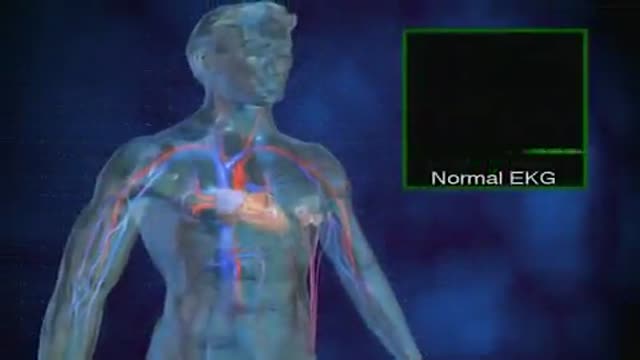
Diagnosis requires a heart tracing, an electrocardiogram, showing the irregular rhythm. If episodes come and go, a wearable monitor worn for a day or longer may be used to catch one, and some devices can record rhythm when symptoms occur. Blood tests check for contributors such as thyroid problems, and an ultrasound scan of the heart may assess its structure and function. Clinicians also assess each person's stroke risk and bleeding risk, since these guide decisions about protective treatment alongside rate or rhythm control.
Treatment overview
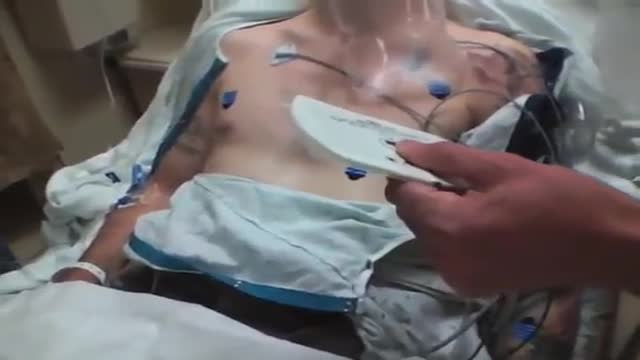
Treatment has several aims: controlling the heart rate, restoring or maintaining normal rhythm where appropriate, and preventing stroke. Medicines can slow the heart rate, and rhythm-control medicines or procedures such as cardioversion or catheter ablation are options for selected people. Many people are advised blood-thinning treatment to lower stroke risk, based on individual risk assessment and balanced against bleeding risk, in discussion with a clinician. Managing blood pressure, weight, alcohol intake, and sleep apnea also helps. The right combination is individual and often evolves over time.
When to seek care
Seek urgent help for chest pain, severe breathlessness, fainting, or a very fast heartbeat that does not settle. Get emergency care immediately for stroke warning signs: face drooping, arm weakness, or speech difficulty. New palpitations with dizziness or breathlessness should be assessed the same day rather than waited out.
Frequently asked questions
Why does atrial fibrillation raise stroke risk?
When the upper chambers quiver instead of contracting, blood can pool and form clots. If a clot travels to the brain, it can block a blood vessel and cause a stroke. This is why stroke prevention is central to treatment.
Can atrial fibrillation go away on its own?
Short episodes sometimes stop by themselves, especially early in the condition. However, episodes tend to recur and may become longer or permanent over time, so assessment and follow-up are important even when an episode settles quickly.
Will I definitely need blood thinners?
Not everyone does. The decision depends on individual stroke risk, balanced against bleeding risk, and is made with a clinician. For many people the protection against stroke clearly outweighs the risks; for some at low risk it may not.
Can I exercise with atrial fibrillation?
Most people can and should stay active, which supports heart health and weight control. If exercise triggers symptoms or the heart rate is poorly controlled, discuss targets and limits with your clinician, who can tailor advice to you.
More in Heart & Circulation
Related topics on MedicalVideos.com
Sources & further reading
Authoritative references for readers who want to go deeper:
- MedlinePlus: Atrial Fibrillation
- American Heart Association: Atrial Fibrillation (American Heart Association)
- CDC: About Atrial Fibrillation
- NHS: Atrial Fibrillation
This page is for general education only and is not medical advice. Face drooping, arm weakness, or speech difficulty in someone with atrial fibrillation may signal a stroke and needs emergency care immediately.