Heart Attack or Heartburn? How to Tell the Difference
A heart attack happens when blood flow to part of the heart muscle is blocked, usually by a clot in a coronary artery, and the muscle begins to be damaged. GERD — gastro-oesophageal reflux disease — is stomach acid repeatedly washing up into the gullet, causing heartburn. Both can produce pain or burning in the centre of the chest, which is why they are dangerously easy to confuse. The clearest differences: heart attack pain is typically a heavy pressure brought on by exertion and may spread to the arm, jaw, or back, while reflux burning rises after meals or lying down and eases with antacids. If there is any real doubt, treat chest pain as the heart until proven otherwise.
✓ Medically reviewed by Mohamed Magdy Ibrahim, MD, PhD — Assistant Professor of Medicine, Transplant Nephrology, University of Maryland School of Medicine · Board certified in Internal Medicine (ABIM) · Last reviewed: November 2026
In short: Burning that rises after a meal, tastes sour, and settles with an antacid points to reflux. Heavy, squeezing central chest pain — especially with sweating, breathlessness, or pain spreading to the arm or jaw — must be treated as a heart attack until a hospital proves it is not. Never drive yourself; call emergency services.
At a glance: heart attack vs GERD
| Heart attack | GERD (acid reflux) | |
|---|---|---|
| What it is | Blocked blood flow starving part of the heart muscle, which is damaged the longer the blockage lasts | Stomach acid repeatedly flowing back into the gullet, irritating its lining |
| How the pain feels | Heavy, tight, squeezing, or crushing pressure in the centre of the chest | A burning feeling rising from the upper tummy into the chest and throat |
| Where it spreads | May spread to the left arm or both arms, the jaw, neck, back, or upper tummy | Usually stays in the chest and throat; a sour or bitter taste may reach the mouth |
| What brings it on | Physical exertion, emotional stress, cold weather — or it can start at rest, including during sleep | Meals (especially large, fatty, or spicy ones), lying flat, bending over, alcohol, and late eating |
| How long it lasts | Typically lasts more than a few minutes, or comes and goes; it does not settle with rest for long | Often lasts minutes to hours after eating and comes and goes over weeks or months |
| Other symptoms | Breathlessness, sweating, nausea, feeling faint, and a sense that something is seriously wrong | Sour taste, belching, hoarseness, a cough that is worse at night, and a feeling of a lump in the throat |
| What eases it | Nothing reliably at home — rest may dull it briefly, which is a trap; it needs emergency treatment | Antacids, sitting upright, and avoiding the trigger food often help within minutes |
| Who it affects most | Older adults and people with high blood pressure, diabetes, high cholesterol, or who smoke; symptoms in women may be less typical | Very common at all adult ages; worse with extra weight, pregnancy, smoking, and some medicines |
| How it is confirmed | An ECG and a blood test for troponin, a protein released by damaged heart muscle, done urgently in hospital | Often diagnosed from the symptom pattern and response to acid treatment; a camera test (endoscopy) if symptoms persist or alarm signs appear |
| Usual treatment | Emergency treatment to reopen the artery — medicines and usually a stent procedure — followed by long-term heart medicines | Lifestyle changes and acid-reducing medicines; surgery to strengthen the valve is an option for selected people |
| How urgent | An emergency: minutes matter, and delay costs heart muscle | Usually managed routinely, but trouble swallowing, vomiting blood, black stools, or unexplained weight loss need prompt assessment |
The two conditions in brief
Heart attack in brief
A heart attack is usually caused by a clot forming on a narrowed, furred-up coronary artery. The part of heart muscle supplied by that artery starts to suffer within minutes, so treatment aims to reopen the artery as fast as possible.
The symptoms are not always dramatic: some people — especially women and people with diabetes — mainly notice breathlessness, nausea, extreme tiredness, or pain in the jaw, back, or upper tummy rather than classic chest pain. Read the full heart attack guide →
GERD in brief
GERD happens when the valve at the top of the stomach lets acid escape upward into the gullet, which unlike the stomach is not built to withstand acid. Repeated exposure causes heartburn and can inflame or narrow the gullet over time.
Most reflux is managed with meal and lifestyle changes plus acid-reducing medicines. Persistent symptoms, difficulty swallowing, or signs of bleeding need investigation rather than endless self-treatment. Read the full GERD guide →
When to worry — get care the same day
- Central chest pain or pressure lasting more than a few minutes, or coming and going
- Pain spreading to the arm, jaw, neck, or back, or pain with sweating, breathlessness, nausea, or faintness
- Chest pain that starts during exertion, or wakes you from sleep
- Trouble swallowing, food sticking, vomiting blood, or black, tarry stools
- Unexplained weight loss alongside swallowing or reflux symptoms
If chest pain could be a heart attack, call emergency services immediately — do not wait to see whether an antacid helps, and do not drive yourself to hospital.
Watch: heart attack and GERD videos
Watch: heart attack
 Heart Attack 3D Animation
48,598 views
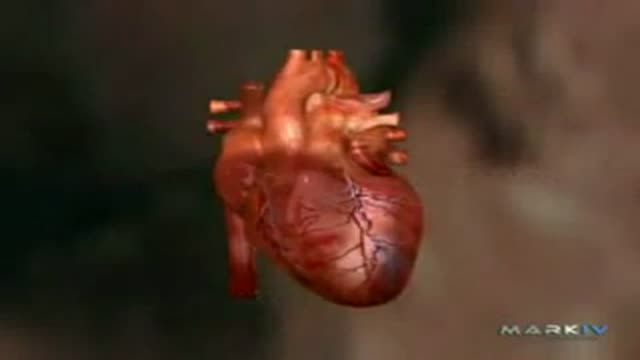 Acute Myocardial Infarction - Heart Attack
30,282 views
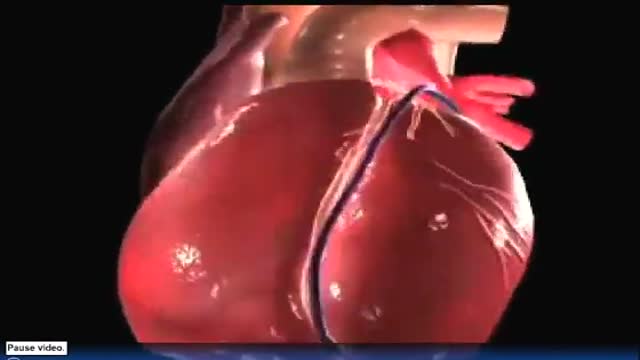 3D Heart Attack
24,268 views
Watch: GERD & reflux


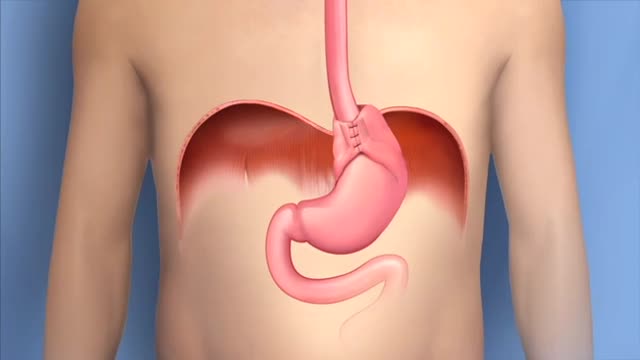
Read the full guides
Heart Attack: the full guide What happens minute by minute, the quieter symptoms, stents, and recovery after a heart attack. Read the guide → GERD: the full guide Why acid escapes, what heartburn really is, medicines, and when reflux needs a camera test. Read the guide → Coronary Artery Disease: the underlying cause The furring-up of the heart arteries that leads to angina and heart attacks — and how it is treated. Read the guide →Frequently asked questions
Can GERD really feel like a heart attack?
Yes. The gullet and the heart share nerve pathways, so reflux pain can be intense, central, and frightening — and a heart attack can feel like indigestion. Even doctors cannot separate them reliably on symptoms alone, which is why new or unexplained chest pain is checked with an ECG and blood test.
If an antacid stops the pain, was it definitely reflux?
No. Antacids sometimes ease pain while a heart problem is still present, and heart attack pain can fade on its own for a while. Relief after an antacid is reassuring but never proof. Pain that is new, severe, or different from your usual heartburn should be checked the same day.
Can anxiety or a panic attack cause this kind of chest pain?
Yes, panic can cause chest tightness, breathlessness, and a racing heart that mimic both conditions. But panic is a diagnosis made after dangerous causes are excluded — a first episode of chest pain should always be assessed as a possible heart problem first.
What tests prove it was not a heart attack?
In hospital, an ECG records the heart's electrical pattern and a troponin blood test detects heart muscle damage; troponin may be repeated after a few hours. If both are normal and the story fits reflux, doctors can then investigate the gullet safely.
When should reflux be investigated rather than self-treated?
Reflux should be assessed promptly if you have difficulty swallowing, food sticking, vomiting blood, black stools, unexplained weight loss, or symptoms that persist despite treatment. These can signal inflammation, narrowing, or other problems in the gullet that need a camera test.
Related topics on MedicalVideos.com
Sources & further reading
Authoritative references for readers who want to go deeper:
- MedlinePlus: GERD
- NHS: Heartburn and Acid Reflux
- MedlinePlus: Heart Attack (link to be verified at build)
- American Heart Association: Heart Attack (link to be verified at build)
Ibrahim MM. Heart Attack vs GERD: How to Tell the Difference. MedicalVideos.com; 2026 Nov 26 [cited 2026 Nov 26]. Available from: https://www.medicalvideos.com/conditions/vs/heart-attack-vs-gerd.html
This page is for general education only and is not medical advice. It cannot tell you which condition you have — only an examination and tests can do that. Chest pain or pressure that lasts more than a few minutes, spreads to the arm or jaw, or comes with sweating or breathlessness is an emergency — call emergency services immediately.