
- Physical Examination
- Surgical Examination
- Ophthalmology
- Clinical Skills
- Orthopedics
- Surgery Videos
- Laparoscopy
- Pediatrics
- Funny Videos
- Cardiothoracic Surgery
- Nursing Videos
- Plastic Surgery
- Otorhinolaryngology
- Histology and Histopathology
- Neurosurgery
- Dermatology
- Pediatric Surgery
- Urology
- Dentistry
- Oncology and Cancers
- Anatomy Videos
- Health and Fitness
- Radiology
- Anaesthesia
- Physical Therapy
- Pharmacology
- Interventional Radiology
- Cardiology
- Endocrinology
- Gynecology
- Emergency Medicine
- Psychiatry and Psychology
- Childbirth Videos
- General Medical Videos
- Nephrology
- Physiology
- Diet and Food Health
- Diabetes Mellitus
- Neurology
- Women Health
- Osteoporosis
- Gastroenterology
- Pulmonology
- Hematology
- Rheumatology
- Toxicology
- Nuclear Medicine
- Infectious Diseases
- Vascular Disease
- Reproductive Health
- Burns and Wound Healing
- Other
Top videos


A video showing bone marrow biopsy
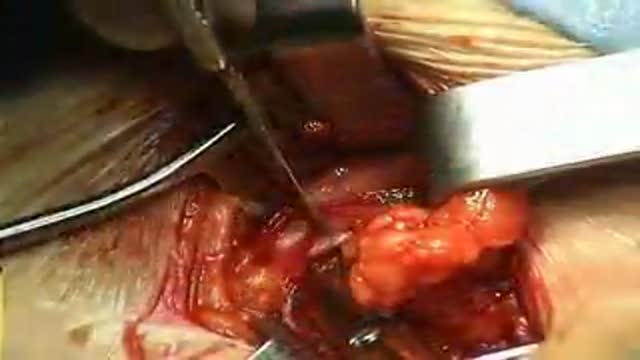
Prosthetic PHS repair placed on anterior way (low access)

Ultrasound Guided Sclerotherapy for Varicose Veins

Lembert Suture for the intestine
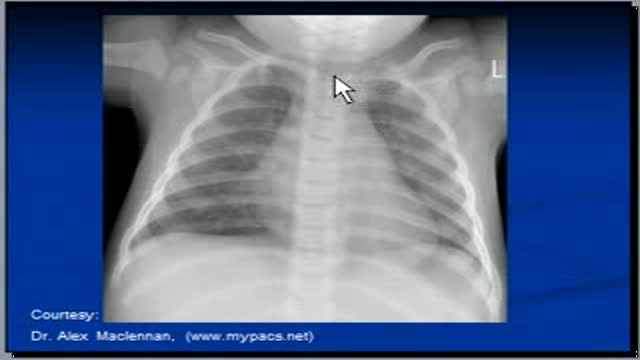
the video will shed some light on congential lobar emphysema. Please visit my website for discliamer. www.academyofprofessionals.com

Dr. Berger, Medical Director of Chapel Hill Tubal Reversal Center discusses the pros and cons of tubal reversal vs. IVF with a couple wanting a baby after a tubal ligation.
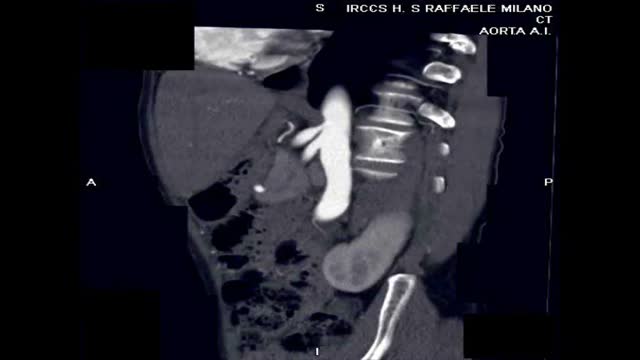
J Vasc Surg. 2009 Jul;50(1):134-9. Celiac artery compression syndrome managed by laparoscopy. Baccari P, Civilini E, Dordoni L, Melissano G, Nicoletti R, Chiesa R. Department of General Surgery, Scientific Institute San Raffaele University Hospital, Milan, Italy. paolo.baccari@hsr.it Abstr...
act OBJECTIVE: Celiac artery compression syndrome (CACS) is an unusual condition caused by abnormally low insertion of the median fibrous arcuate ligament and muscular diaphragmatic fiber resulting in luminal narrowing of the celiac trunk. Surgical treatment is the release of the extrinsic compression by division of the median arcuate ligament overlying the celiac axis and skeletonization of the aorta and celiac trunk. The laparoscopic approach has been recently reported for single cases. Percutaneous transluminal angioplasty (PTA) and stenting of the CA alone, before or after the surgical relief of external compression to the celiac axis, has also been used. We report our 7-year experience with the laparoscopic management of CACS caused by the median arcuate ligament. METHODS: Between July 2001 and May 2008, 16 patients (5 men; mean age, 52 years) were treated. Diagnosis was made by duplex ultrasound scan and angiogram (computed tomography [CT] or magnetic resonance). The mean body mass index of the patients was 21.2 kg/m(2). One patient underwent laparoscopic surgery after failure of PTA and stenting of the CA, and two patients after a stenting attempt failed. RESULTS: All procedural steps were laparoscopically completed, and the celiac trunk was skeletonized. The laparoscopic procedures lasted a mean of 90 minutes. Two cases were converted to open surgery for bleeding at the end of the operation when high energies were used. The postoperative course was uneventful. Mean postoperative hospital stay was 3 days. On follow-up, 14 patients remained asymptomatic, with postoperative CT angiogram showing no residual stenosis of the celiac trunk. One patient had restenosis and underwent aortoceliac artery bypass grafting after 3 months. Another patient had PTA and stenting 2 months after laparoscopic operation. All patients reported complete resolution of symptoms at a mean follow-up of 28.3 months. CONCLUSIONS: The laparoscopic approach to CACS appears to be feasible, safe, and successful, if performed by experienced laparoscopic surgeons. PTA and stenting resulted in a valid complementary procedure only when performed after the release of the extrinsic compression on the CA. Additional patients with longer follow-up are needed.

ERROR

Pediatric Neurological Examination Introduction
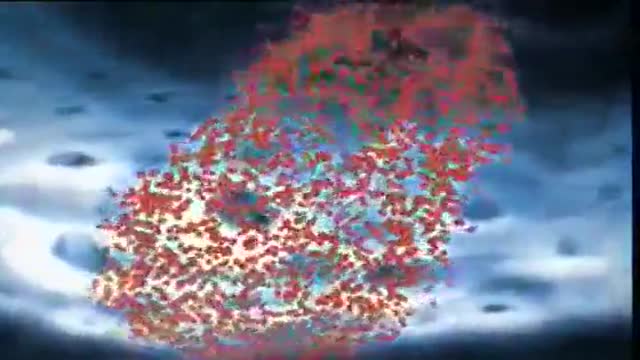
Mode of action of NNRTIs
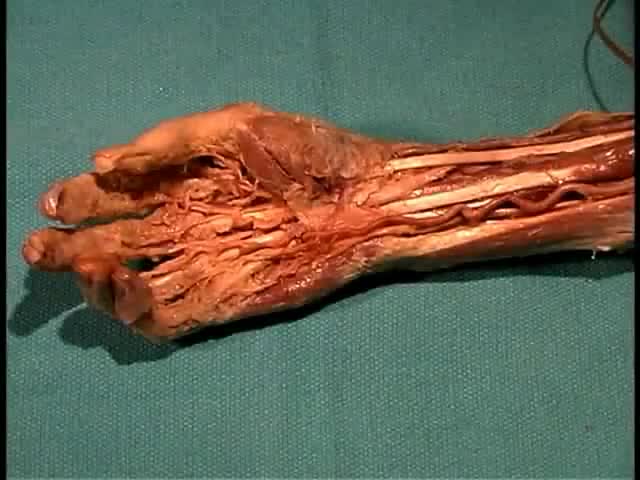
Anatomy of The Forearm and Hand

Getting Out of Bed after Surgery
Targeted approach helps patients better manage prostate cancer and inhibit adrogen production.

Robyn Benincasa, an extreme sports adventure racer, marathoner and firefighter maintains her active lifestyle following a hip replacement at St. Vincent Medical Center's Joint Replacement Institute with Dr. Thomas Schmalzried in Los Angeles, California. For more information, please visit: www.jri-docs.com
Sleepiness, tiredness and fatigue are complaints which must be thoroughly analyzed to eliminate blur and ambiguity.
Physiological sleepiness (“sleep pressure”) increases while being awake and additionally underlies the circadian rhythm with a lower threshold to fall asleep during night time.
Excessive daytime sleepiness (EDS) is considered normal only after sleep deprivation. Clinically, EDS manifests by frequents daytime napping and/or reduced alertness with automatic behavior or - in its extreme form - in recurrent attacks of sudden, uncontrollable compulsion to sleep also in inappropriate situations (= “sleep attacks”).
EDS is “objectively” addressed by measuring the mean sleep latency to four to five nap opportunities throughout the day using the multiple sleep latency test (MSLT) or the maintenance of wakefulness test (MWT).
EDS denotes both, a ready entrance into sleep as well as difficulty in staying awake during daytime or accordingly in inappropriate situations. These two partially independent aspects of EDS are separately assessed by the “passive” MSLT and the “active” MWT respectively.
For that reason the MSLT and MWT only weakly correlate with each other when tested over a broad range of patients with EDS. It is important to keep in mind, that these tests are importantly influenced by a great variety of factors such as mood, anxiety, and motivation.
“Vigilance” comprises wakefulness, alertness and attention and therefore is more than just the reciprocal to sleepiness. Cognitive performance tasks such as Steer Clear Reaction Time Test (SCRTT) or driving simulators require the complete integrity of vigilance to achieve normal results. Hypersomnia is usually broadly defined as the combination of abnormally prolonged night-time sleep (regularly >10 h) with EDS during ≥1 months.
On the other hand, the term hypersomnia has also been used in a narrower scene for the isolated abnormality of a prolonged night-time sleep need (>10 h). “Tiredness”, also in colloquial language often used for sleepiness, in a broader sense also describes the feeling of lack of energy, motivation and initiative.
These patients seek rest rather than sleep. They often cannot fall asleep when given the opportunity in spite of feeling tired, and hence, in an MSLT, do not show an abnormally short sleep latency. Furthermore, tiredness (and fatigue) as opposed to sleepiness has a mental (“central”) and physiological (bodily or “peripheral”) component, which the patients can readily distinguish. Patients with insomnia, mild sleep apnea syndrome, or depression rather suffer from mental tiredness than sleepiness during the day.
The simple subjective self-assessment using the Epworth Sleepiness Scale (ESS) quite reliably differentiates between sleepiness and mental tiredness (without sleepiness), which makes it a widely used test. The term “fatigue” is also heterogeneously used.
In physiology the “fatigue” implied a “time on task performance decrement” to describe decreasing muscle force during a sustained physical effort. In clinical medicine one distinguishes physical (“peripheral”) from mental (“central”) fatigue and the term usually denotes a chronic and more abnormal situation than tiredness.
In a broad sense “fatigue” implies a deficiency in coping satisfactorily with mental and physical work load. The chronic fatigue syndrome entails both mental as well as a physical fatigue (so called “leaden paralysis” of limbs). Depressive states are often associated with insomnia and fatigue, but there are also cases with hypersomnia rather than insomnia ( non organic hypersomnia , “atypical depression” or “hypersomnolent depression”)
Sometimes these patients have a tendency to spend much of the day lying in the bed without actually sleeping (so called clinophilia). The basic and clinical aspects of fatigu
Immunomodulating effect of autohaemotherapy (a literature review). PMID 3534085 [PubMed indexed for MEDLINE]
J Hyg Epidemiol Microbiol Immunol. 1986;30(3):331-6.
Immunomodulating effect of autohaemotherapy (a literature review).
Klemparskaya NN, Shalnova GA, Ulanova AM, Kuzmina TD, Chuhrov AD.
Abstract
An analysis is presented of experimental and clinical data from different authors on the stimulating effect of autohaemotherapy with regard to the immunological reactivity of humans and animals as well as in vitro experiments with lymphocytes. Erythrolysate has been found to exert a more powerful effect than intact erythrocytes. The stimulating effect of autohaemotherapy on both irradiated and non-irradiated animals manifests itself in an increase in resistance to infection (increased LD50 in experimental infection), enhanced production of antibodies to microbial and tissue antigens and activated functioning of cell-mediated immune defence mechanisms. The favourable influences on radioresistance and the antitumour effect of authohaemotherapy are described. Induced desensitization plays an important part in the mechanism of action of autohaemotherapy. The administration of large doses of erythrocytes or of erythrolysate results in immunosuppression. Autohaemotherapy does not cause side effects and is feasible both on an in-and out-patient basis.
PMID: 3534085
[PubMed - indexed for MEDLINE]
http://www.ncbi.nlm.nih.gov/pubmed/3534085
Autohemotherapy: an immunization with our own blood
http://www.geocities.ws/autohemoterapiabr/
http://autohemoterapia.fortunecity.com/
http://www.geocities.ws/autohemoterapiabr/aht_english.htm
http://autohemoterapia.fortunecity.com/aht_english.htm
-
Auto-hemotherapy PDF files in GOOGLE sites:
https://sites.google.com/site/autohemotherapy/
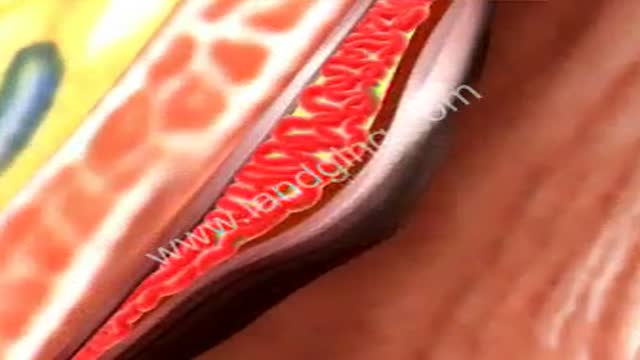
http://www.landging.com/digestive-system-animation-hemorrhoids.html
This digestive system animation demonstrates hemorrhoids mechanism of action and natural treatment.
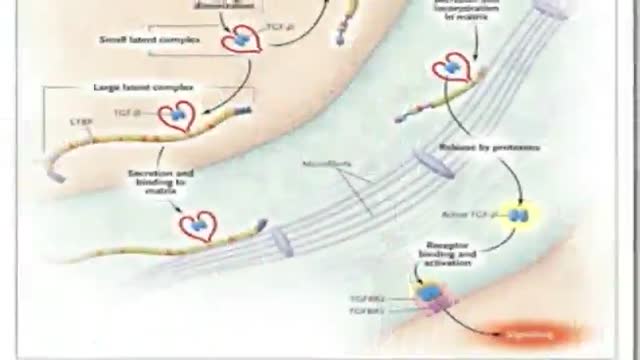
Marfan syndrome is a disorder of connective tissue, the tissue that strengthens the body's structures. Disorders of connective tissue affect the skeletal system, cardiovascular system, eyes, and skin.

http://hidradenitis-suppurativa-cure.good-info.co/ Hidradenitis Suppurativa Cure, How To Treat Hidradenitis Suppurativa, Axillary Hidradenitis Suppurat Free From Hidradenitis Suppurativa Today If you are frustrated and embarrassed by constant Hidradenitis Suppurativa, no matter what you've tried, and if you’re fed up with Drugs, Creams, And Herbs, then you need to see this. You are about to discover the most effective 100% natural and safe solution that has been proven to make you live a free life. This is not like anything you've seen before. This is the same effective formula that helped me end my Hidradenitis Suppurativa in just few days. Too many health products have existed – and still do – and although many sound sweet, they end up wasting your precious time. And the result? About 95% of people who tried to put an end to their Hidradenitis Suppurativa crashed and burned big time! They either experience dangerous side effects, or they don’t actually achieve their desired results. But because you are ready to take action now and try this method, you’re on your way to saying goodbye to Hidradenitis Suppurativa which has only made your life nothing but miserable! reserve the right to take away this incredible secret at any moment. So you need to act fast now if you don’t want to be left out. click here. http://hidradenitis-suppurativa-cure.good-info.co/
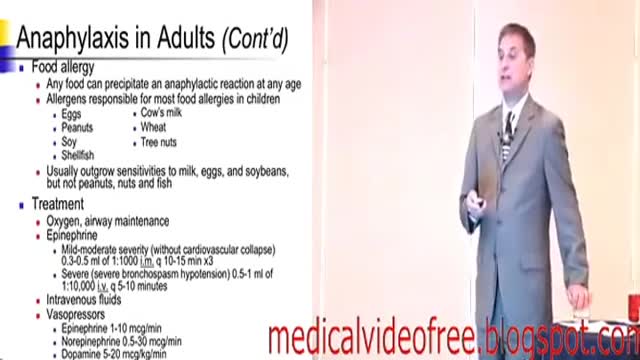
A drug allergy is the abnormal reaction of your immune system to a medication. Any medication — over-the-counter, prescription or herbal — is capable of inducing a drug allergy. However, a drug allergy is more likely with certain medications. The most common signs and symptoms of drug allergy are hives, rash or fever. A drug allergy may cause serious reactions, including anaphylaxis, a life-threatening condition that affects multiple body systems. A drug allergy is not the same as drug side effects, the known possible reactions that are listed on a drug label. A drug allergy is also distinct from drug toxicity caused by an overdose of medication.
